

On a chilly winter morning, as the first rays of sunlight filter through the curtains, you emerge from your warm bed, wrapped in a thin blanket, the touch of your fingertips on the floor no longer biting. Returning home in the evening, you’re enveloped in just the right amount of warmth upon opening the door, without the hassle of adjusting the heating. This ideal winter scene can be achieved with a precisely set thermostatic radiator valve. However, faced with the 1-5 temperature settings on the valve or the temperature values on the digital display, many people are confused: what temperature should be set for both comfort and energy efficiency?

The Scientific Basis of Human Comfort Temperature: 20-22℃
The World Health Organization defines 18℃ as the “lower limit of healthy temperature,” but the truly comfortable range for the human body is 20-22℃. This value is not arbitrary—when the ambient temperature is below 18℃, the human body generates heat through shivering; above 22℃, it can cause “heating sickness,” such as dry mouth and dizziness. For families with elderly people or children, the temperature can be raised by 1-2℃, but care should be taken to avoid exceeding 24℃, otherwise it will accelerate air dryness and increase the risk of respiratory diseases.
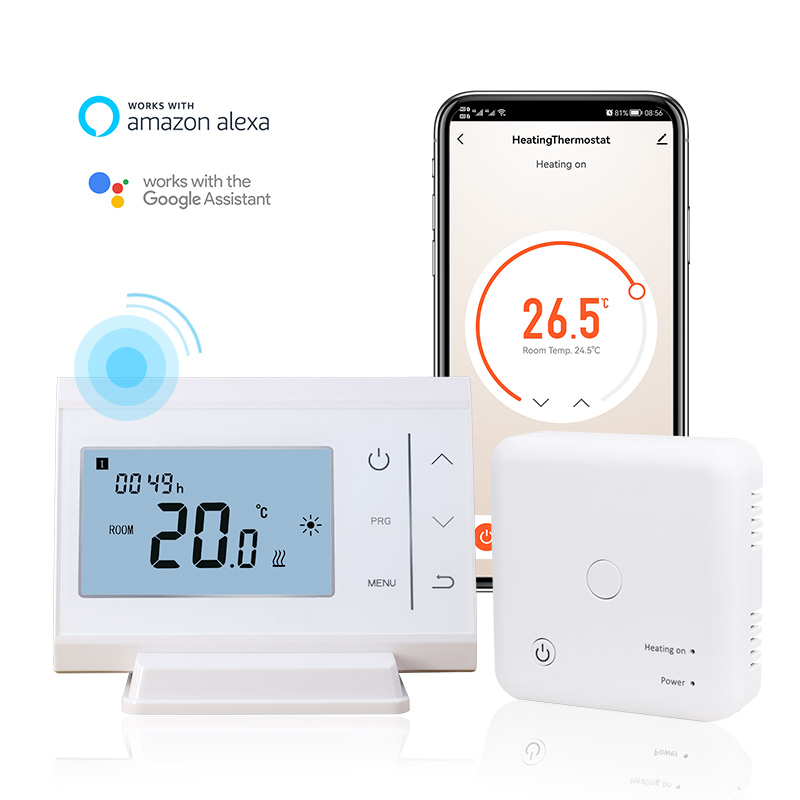
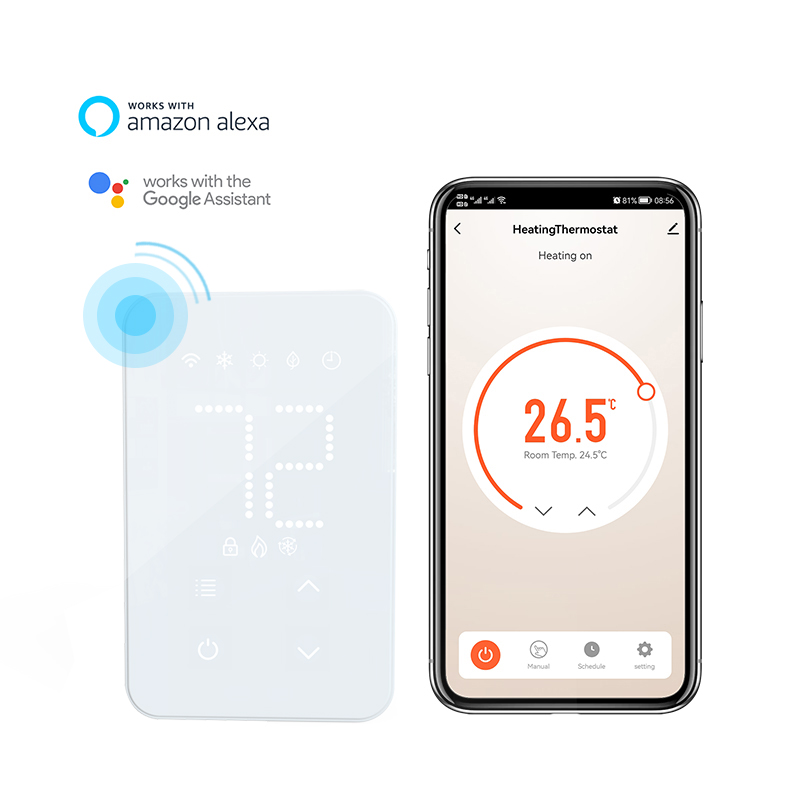
The temperature settings of thermostatic valves need to be adjusted according to the specific product parameters. For example, one brand’s setting 1 corresponds to 15℃, setting 5 to 25℃, and each additional setting increases the temperature by 2℃. To achieve a comfortable 20℃ environment, simply set the valve to setting 3. Some smart thermostatic valves support direct temperature input, making operation more intuitive.
Differences in Spatial Function: The Temperature Code for Living Rooms and Bedrooms
Different room functions determine different temperature requirements. The living room, as the main activity area, is recommended to be set at 20-22℃, which meets daily activity needs without causing furniture to crack due to excessive heat (solid wood furniture is prone to warping above 25℃). Bedroom temperatures need to be 1-2℃ lower—the body’s metabolic rate decreases during sleep, and excessively high temperatures inhibit deep sleep. Studies show that a bedroom environment of 18-20℃ best improves sleep quality.
Kitchen and bathroom temperature settings require more flexibility. When cooking, kitchen temperatures may rise above 25℃. At this time, the thermostatic valve can be adjusted to the lowest setting (around 15℃) to avoid energy waste. In the bathroom, it is recommended to raise the temperature to 23-25℃ 30 minutes before showering and then lower it back to 20℃ afterward. This prevents mirrors from fogging up and avoids prolonged high temperatures that can cause tiles to become hollow.
The Golden Rule of Energy Saving: Saving 7% Energy for Every 1℃ Reduction
With rising energy prices, the energy-saving value of thermostatic valves is becoming increasingly apparent. Data from the German Building Technology Institute shows that for every 1℃ reduction in heating temperature, energy consumption can be reduced by 7%. For example, in a 100㎡ house, lowering the temperature from 24℃ to 20℃ can save approximately 800 yuan per heating season (based on 0.5 yuan/kWh).
The key to achieving energy savings lies in “heating on demand.” When going out during the day, the thermostatic valve can be set to the “anti-freeze” setting at 15℃. At this setting, the system operates at minimum flow, preventing pipes from freezing and avoiding energy waste. At night, after falling asleep, set it to 18℃, 2℃ lower than during the day, ensuring comfort while significantly reducing energy consumption. The smart thermostatic valve’s “timed programming” function automatically performs these adjustments without manual intervention.
Special Scenario Response: Extreme Weather and Special Populations
In extreme cold waves below -10℃, the thermostatic valve setting temperature should be appropriately increased (ideally not exceeding 24℃) to prevent condensation on walls due to excessive temperature differences between the inside and outside. In this case, a humidifier can be used to maintain indoor humidity at 40-60%, preventing static electricity and reducing respiratory discomfort.
For elderly people with rheumatoid arthritis or premature infants, the bedroom temperature can be raised to 22-23℃, but ventilation should be increased (at least twice a day, 30 minutes each time) to prevent bacterial growth. The “floor heating mode” of a smart thermostatic valve enables more precise temperature control, avoiding the “hot head, cold feet” problem common with traditional radiators.
From human comfort to energy efficiency, from daily use to special scenarios, setting the temperature of a radiator thermostatic valve requires meticulous calculation. The comfortable 20-22℃ range, differentiated adjustments for different spatial functions, and the energy-saving rule of saving 7% for every 1℃ decrease in temperature—behind these figures lies the perfect integration of technology and life. Choosing a thermostatic valve that supports precise temperature control and mastering these setting techniques will allow you to enjoy a warm, spring-like home environment during the cold winter while successfully reducing your energy bill. Let the warmth of technology comfortably warm every winter day.