
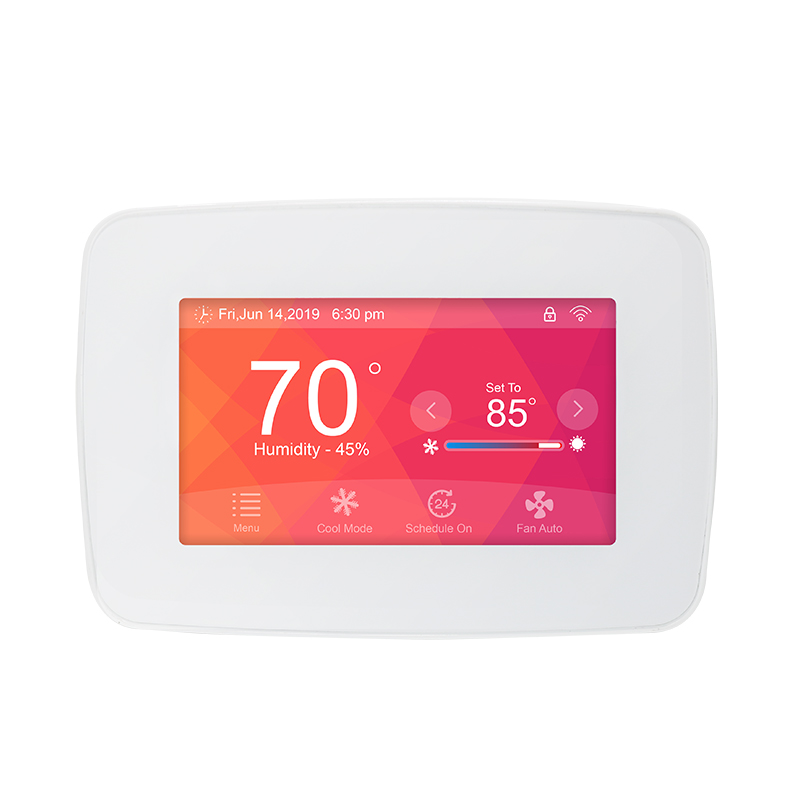
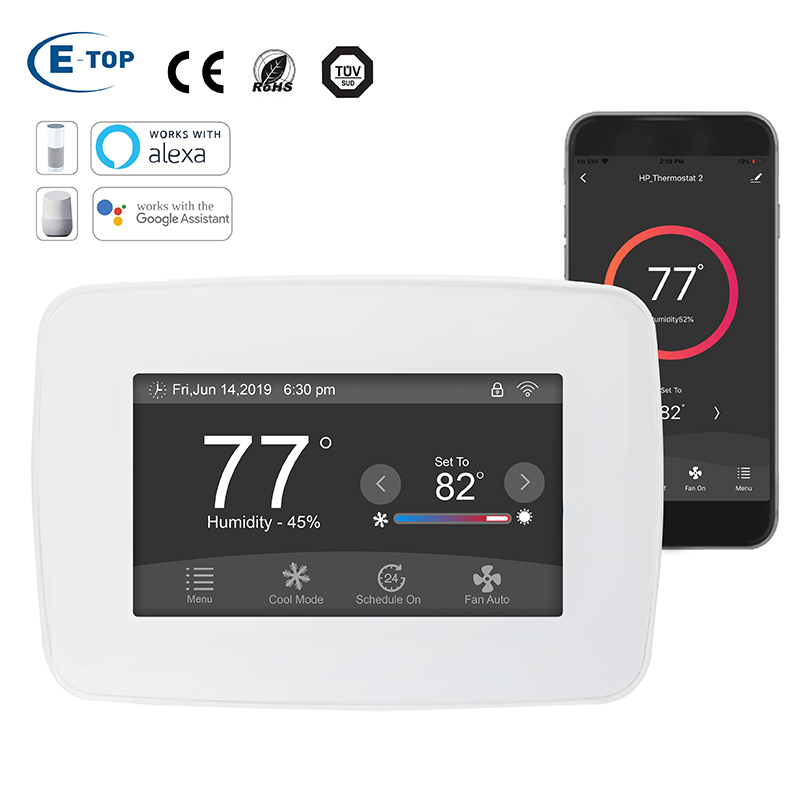
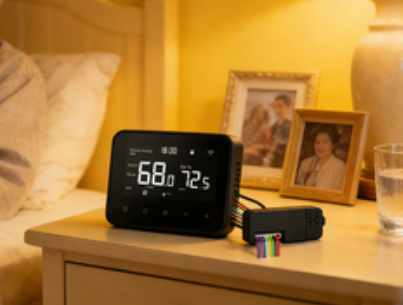
Reliable temperature control is essential for the smooth operation of home heating, ventilation, and air conditioning (HVAC) systems. 24V thermostats are widely used because of their standard voltage and flexible functionality. For homeowners aiming to improve comfort, energy efficiency, and temperature precision, a 24V thermostat can be an effective choice. Proper use of this device not only optimizes indoor climate but also helps extend the lifespan of the HVAC system.
Compatibility and Adaptability
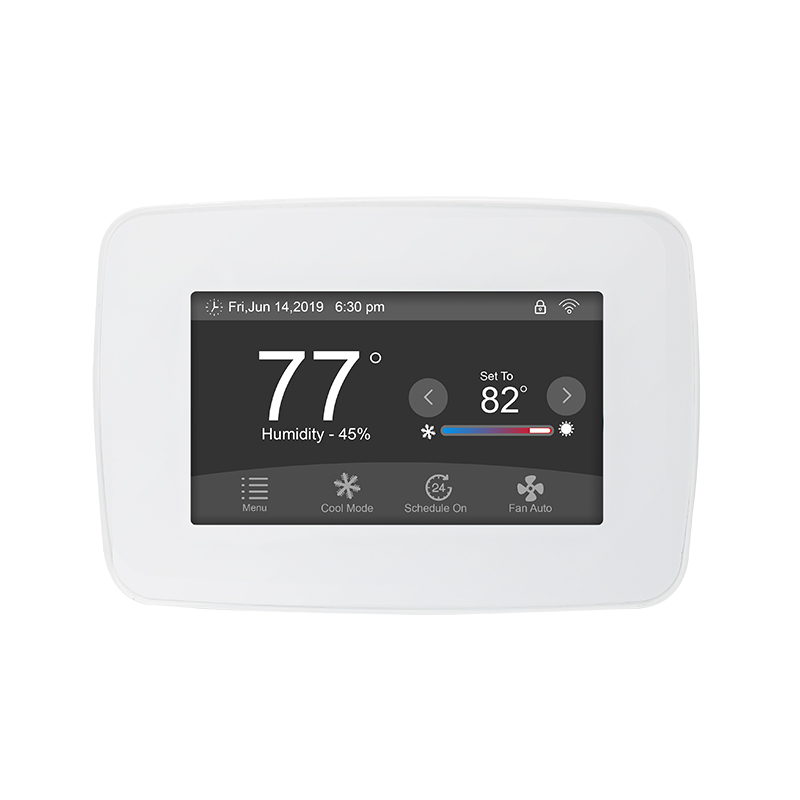
24V thermostats work with most residential HVAC systems, including gas furnaces, heat pumps, central air systems, and electric heating units. The standard control voltage simplifies installation and reduces the risk of incompatibility with existing systems. Some models support multi-zone control, allowing each room to maintain an independent temperature setting. This feature enhances both comfort and energy savings by ensuring that each area is only heated or cooled as needed.
Comfort Through Automatic Temperature Control
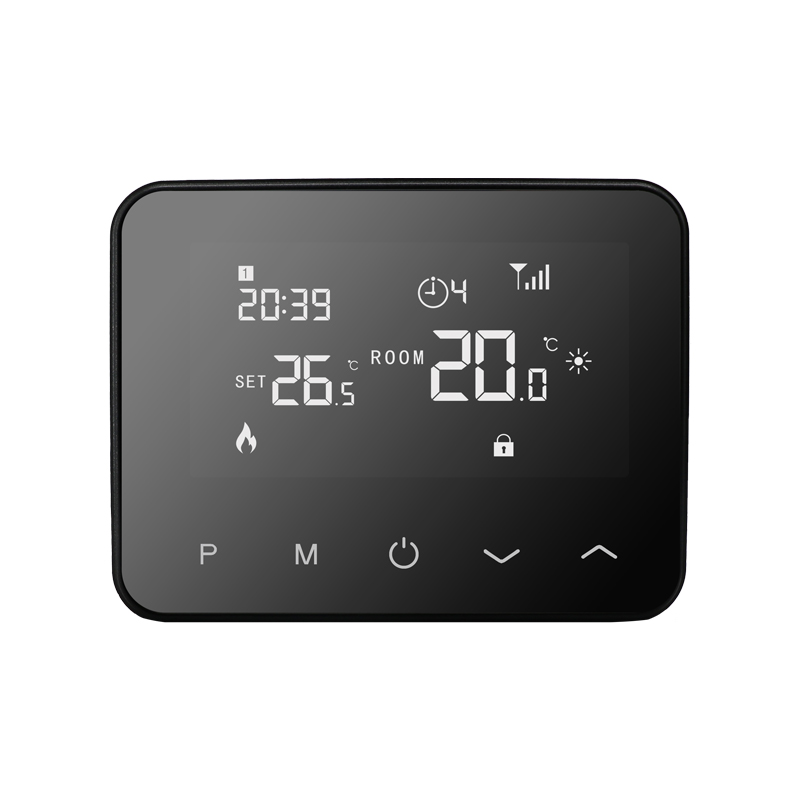
A 24V thermostat can automatically adjust the HVAC system according to preset temperature schedules. During the day when no one is home, the system can enter energy-saving mode to avoid unnecessary heating or cooling. Before returning home in the evening, it can automatically raise or lower the temperature so the indoor environment is comfortable upon arrival. Nighttime settings maintain a stable temperature to promote restful sleep, preventing discomfort caused by extremes of hot or cold. Automated control reduces the need for manual adjustments, simplifying daily life.
Energy-Saving Benefits
The automatic adjustment capabilities of a 24V thermostat directly contribute to lower energy consumption. Reducing heating or cooling output when spaces are unoccupied avoids waste, while maintaining comfort when needed. Over time, energy savings can be substantial, lowering electricity and gas costs. Properly programmed schedules allow the HVAC system to operate efficiently throughout the heating or cooling season, making a noticeable difference for households concerned about energy bills.
Installation and Ease of Use
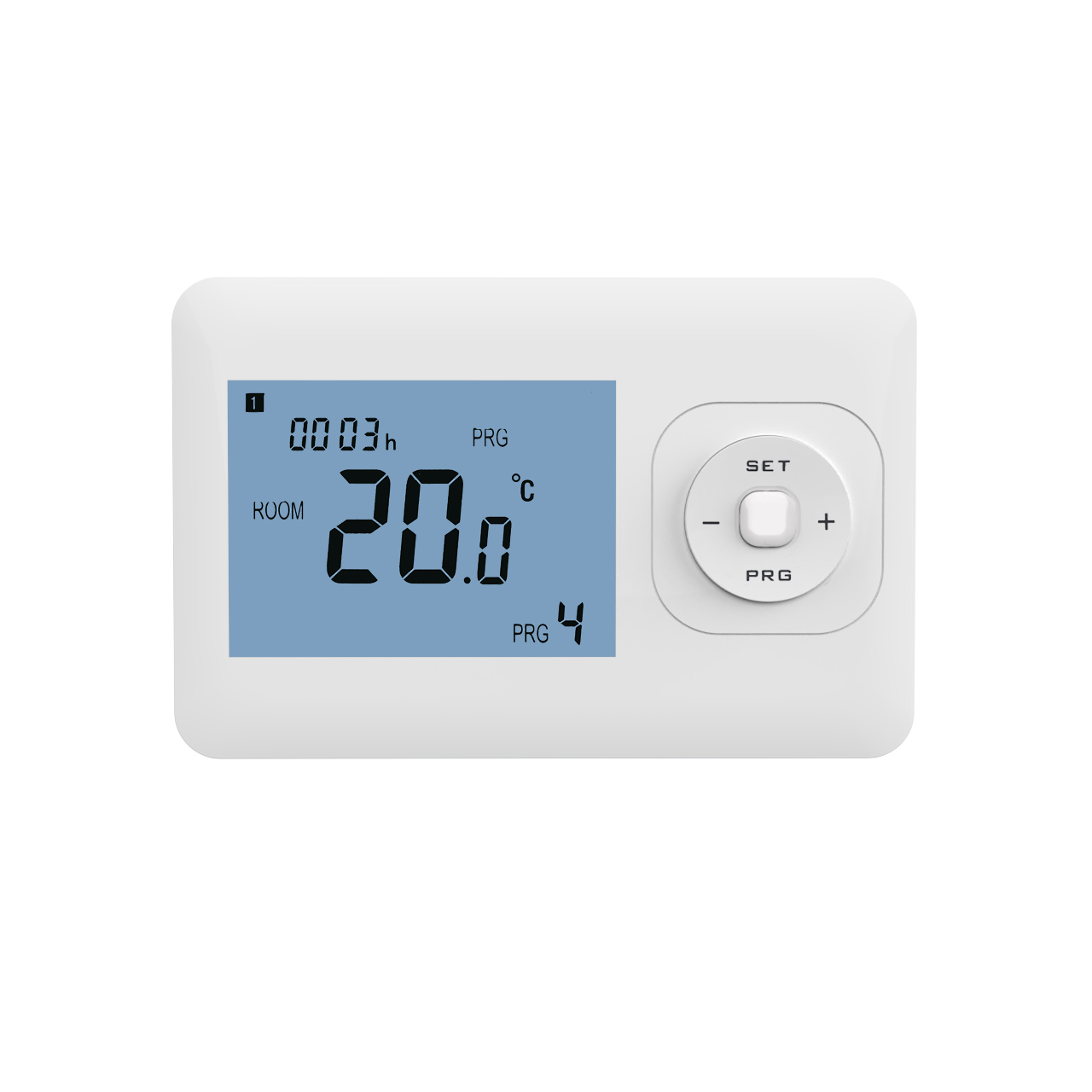
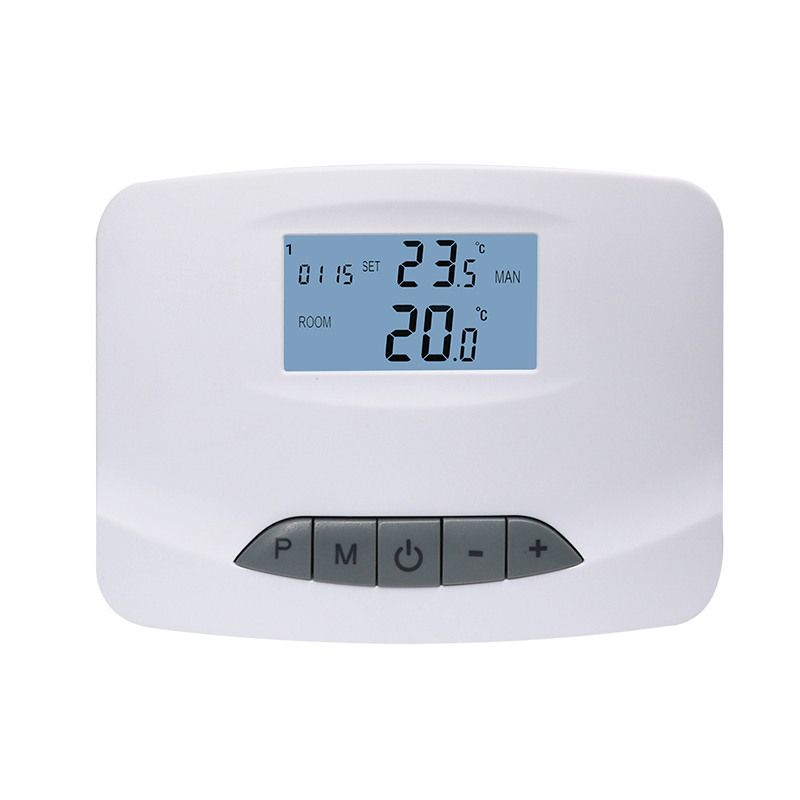
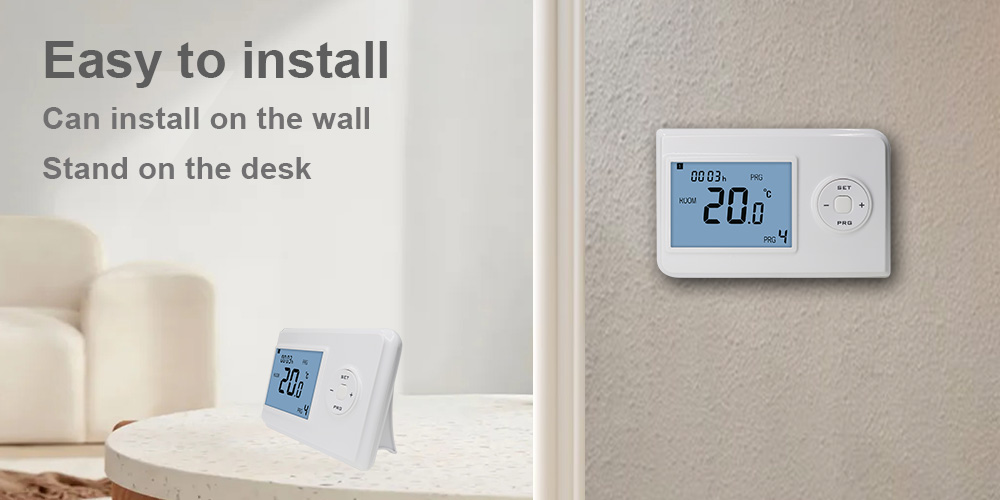
Most 24V thermostats are designed for easy installation. Clear wiring diagrams and instructions make setup straightforward even for users without electrical experience. The interface is usually simple and intuitive, allowing quick temperature setting, schedule programming, and mode selection. For households that prefer not to rely on Wi-Fi or mobile apps, a 24V thermostat offers reliable and consistent temperature control without added complexity.
Integration with Smart Home Systems
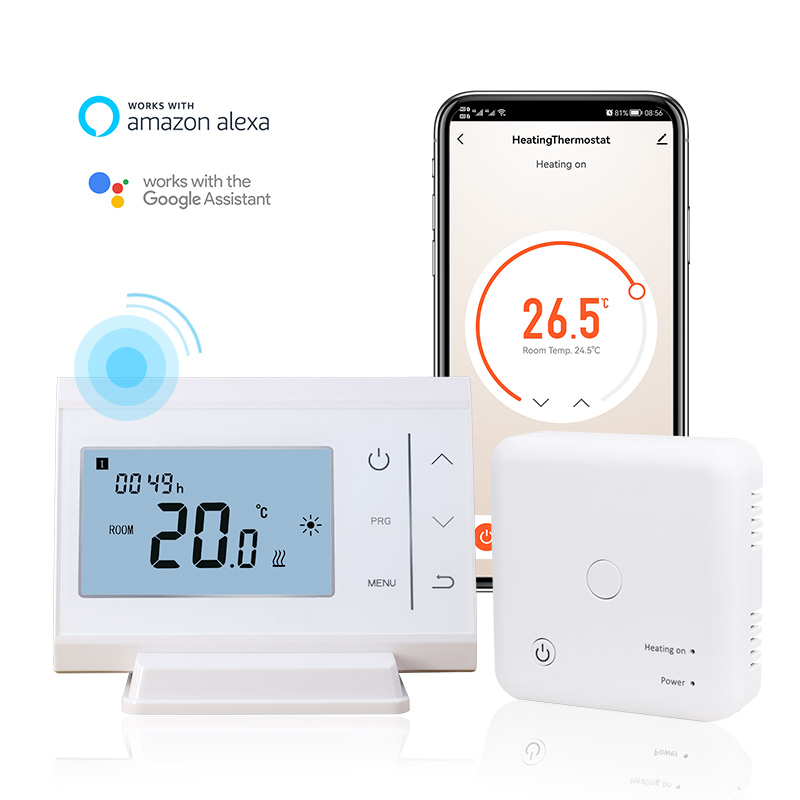
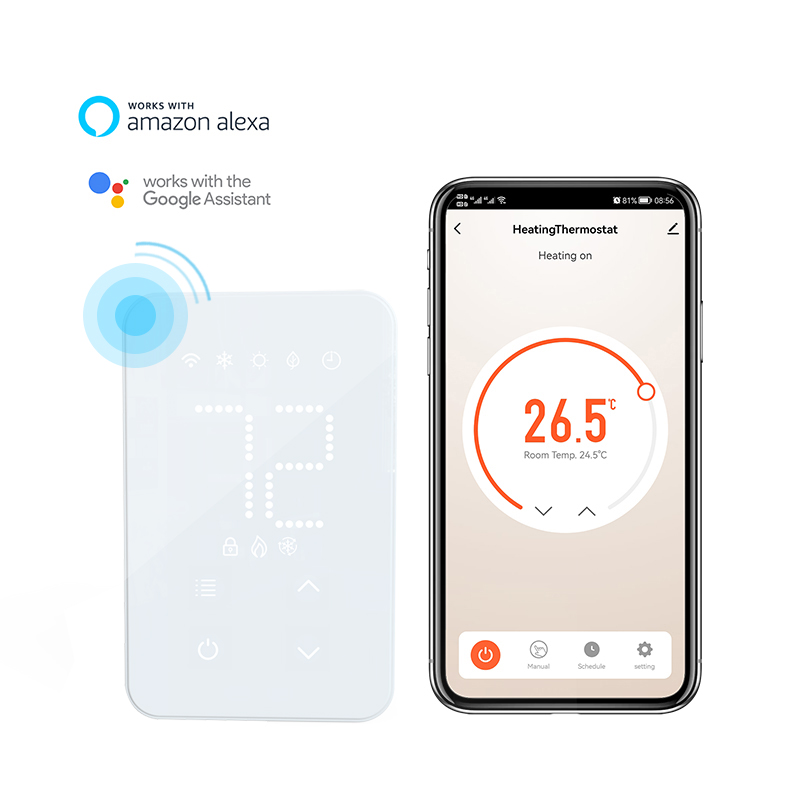
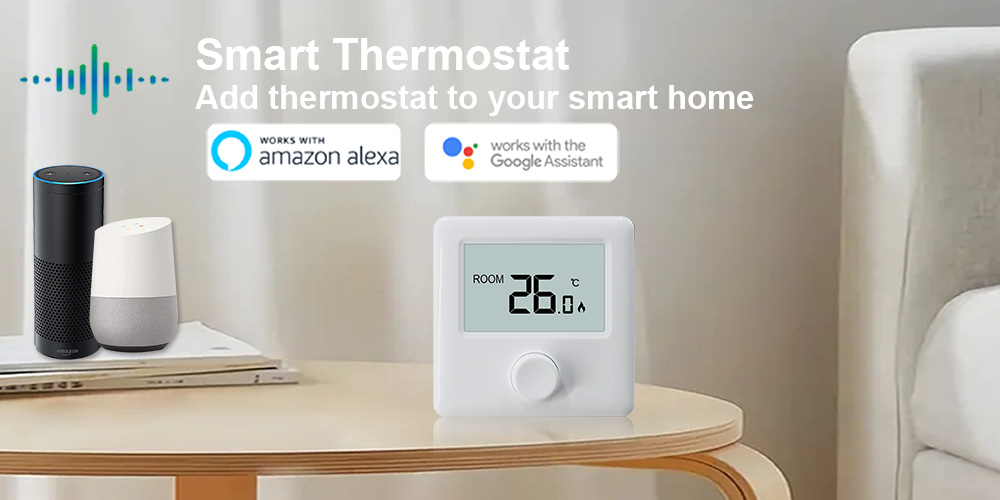
Some 24V thermostat models can connect with smart home systems to enable remote control, monitoring, and multi-zone management. By linking with sensors, smart switches, or central hubs, homeowners can optimize temperature automatically according to daily routines. These thermostats provide stable basic control while leaving room for future smart home expansion, making them a versatile choice.
Maintenance and Longevity
24V thermostats are durable and require minimal maintenance. Checking battery levels, wiring stability, and programmed schedules periodically ensures reliable long-term operation. Compared to high-power or fully smart devices, 24V thermostats have fewer failure points, reducing maintenance needs and helping the HVAC system operate efficiently over many years.
Conclusion
Using a 24V thermostat for a home HVAC system combines compatibility, ease of installation, and reliable temperature control. Automatic adjustment enhances comfort and energy efficiency, while long-term use reduces operating costs and prolongs system life. Whether for daily temperature management or gradual smart home integration, a 24V thermostat is a practical and dependable choice. Properly set and maintained, it provides homeowners with a comfortable, energy-efficient, and convenient indoor environment, making it an essential component for modern HVAC systems.