
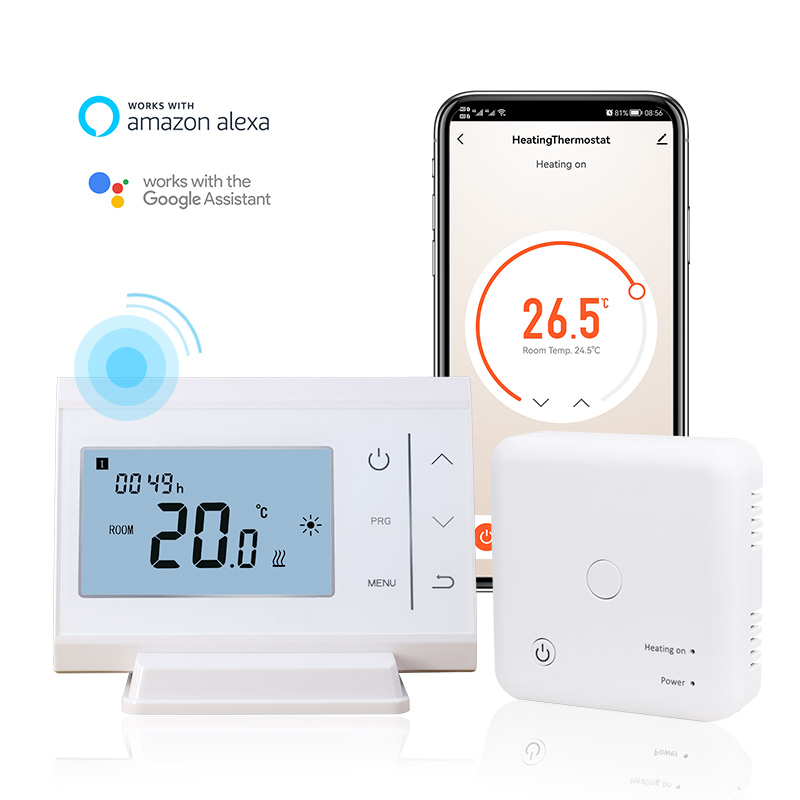
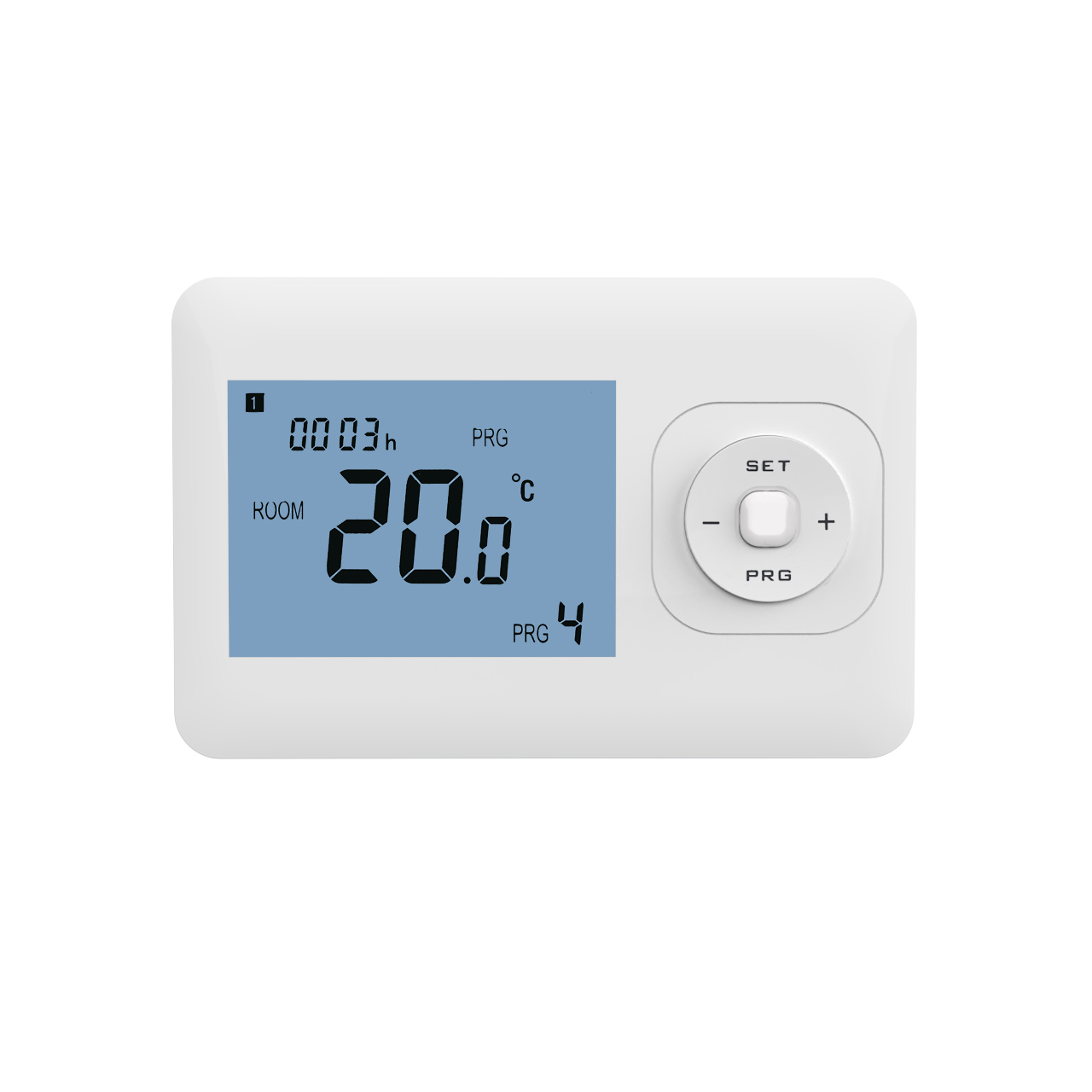
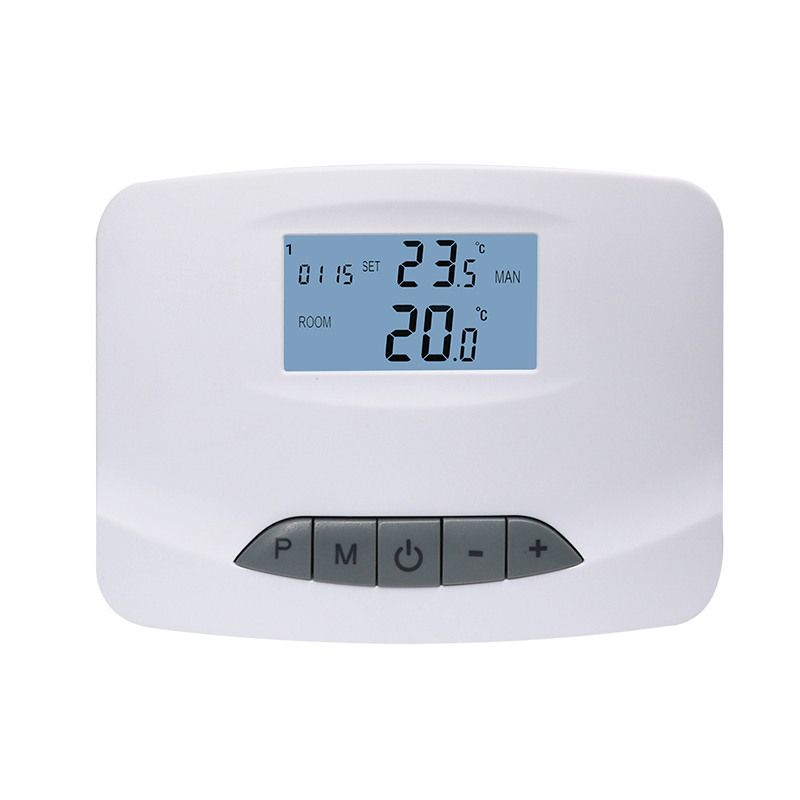
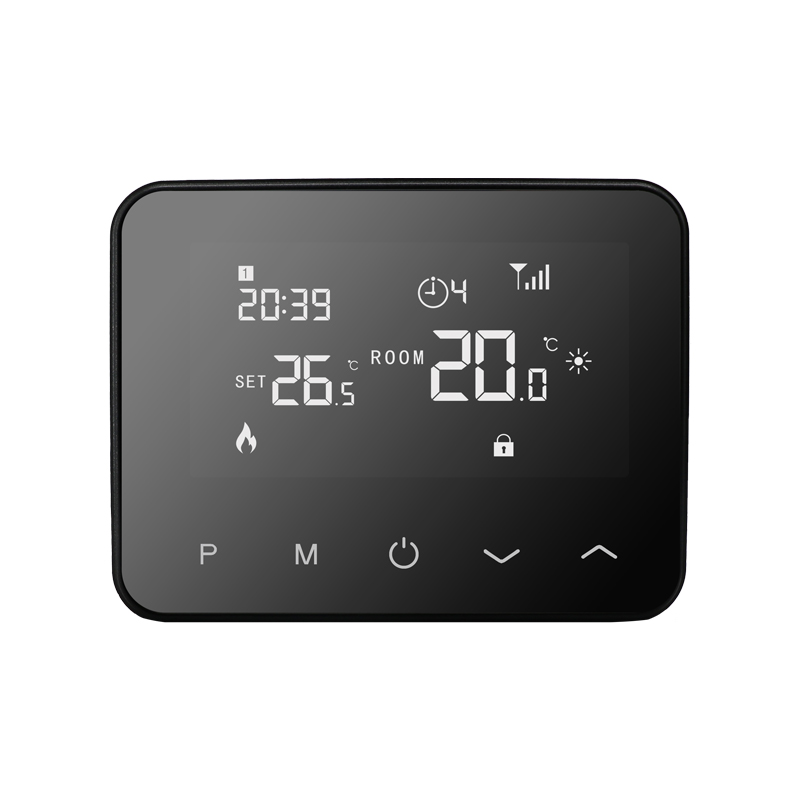
With rising energy costs, more households are turning to energy-saving devices, and plug-in thermostats have become a popular choice. Yet, many people still wonder: can a plug-in thermostat actually lower electricity bills? This article explores how these devices work, their usage, and their real-world effectiveness in saving energy.
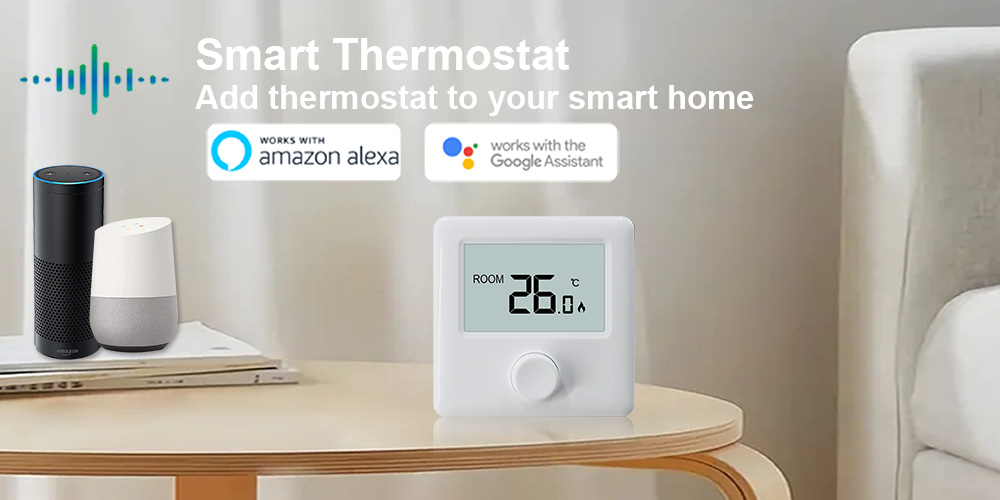
How Plug-in Thermostats Work
Plug-in thermostats manage electrical appliances through built-in temperature sensors and control modules. After setting a target temperature, the thermostat continuously monitors the room environment and automatically switches the appliance on or off. For example, heating devices turn on when the temperature drops below the set point and turn off when the desired temperature is reached.
This intelligent control prevents unnecessary heating or cooling, ensuring the appliance only operates when needed and directly reducing wasted electricity.
Timed and Smart Modes Improve Energy Efficiency
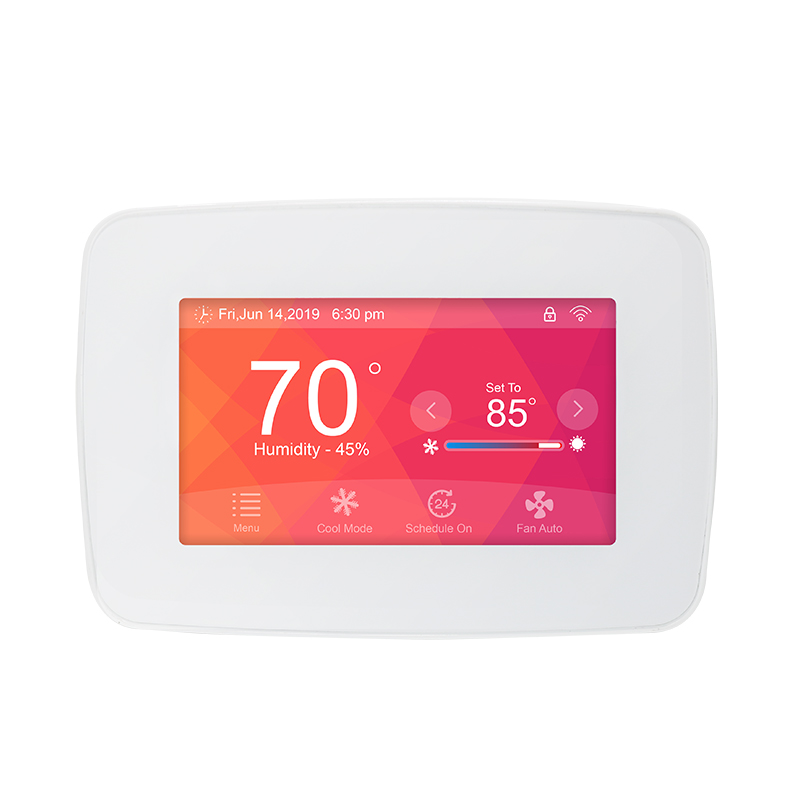
Modern plug-in thermostats often include scheduling and smart modes. Scheduling allows users to set specific time-based temperature control, such as preheating the room before waking, lowering the temperature at night, or entering energy-saving mode when away. This on-demand operation significantly reduces idle energy consumption.
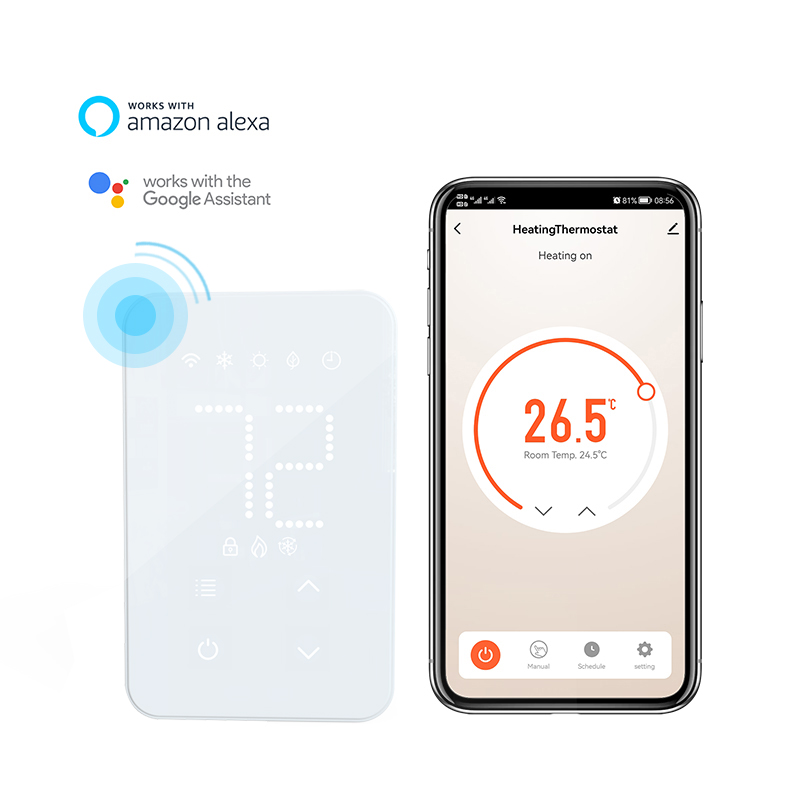
Smart modes can dynamically adjust temperature based on user behavior or environmental changes. For instance, the thermostat can reduce power or turn off appliances when a room is empty and restore comfort levels before occupants return, maximizing energy efficiency.
Enhancing Appliance Efficiency to Save Electricity
Plug-in thermostats not only manage on/off cycles but also optimize appliance performance. Stable temperature control prevents frequent cycling that wastes energy and reduces equipment wear, extending appliance lifespan. Devices like air conditioners, space heaters, and electric radiators operate more efficiently under thermostat management, naturally lowering operating costs.
Some thermostats even track historical energy usage, allowing users to monitor monthly electricity consumption and fine-tune temperature settings, making energy savings more targeted.
Usage Habits Determine Savings
While thermostats have the potential to save energy, actual results depend on proper use. Setting temperatures too high or too low, or manually overriding settings frequently, can still lead to unnecessary energy consumption. Properly setting target temperatures and fully utilizing scheduling and smart modes is key to reducing electricity bills.
In addition, factors such as keeping doors and windows closed and minimizing heat loss in the home can further enhance energy savings.
Balancing Energy Savings and Comfort
One of the main advantages of plug-in thermostats is that they balance comfort and energy efficiency. Unlike manual switches, they maintain stable indoor temperatures while reducing unnecessary electricity consumption. For households aiming to maintain living comfort while controlling costs, thermostats are a practical and cost-effective solution.
Conclusion
In summary, plug-in thermostats can indeed help families reduce electricity bills, but their effectiveness depends on proper setup and usage. Through precise temperature control, scheduled and smart modes, optimized appliance performance, and good user habits, thermostats can significantly cut unnecessary energy consumption, achieving a win-win scenario of comfort and energy savings. In modern households, plug-in thermostats have become an essential tool for improving efficiency and managing electricity costs.