
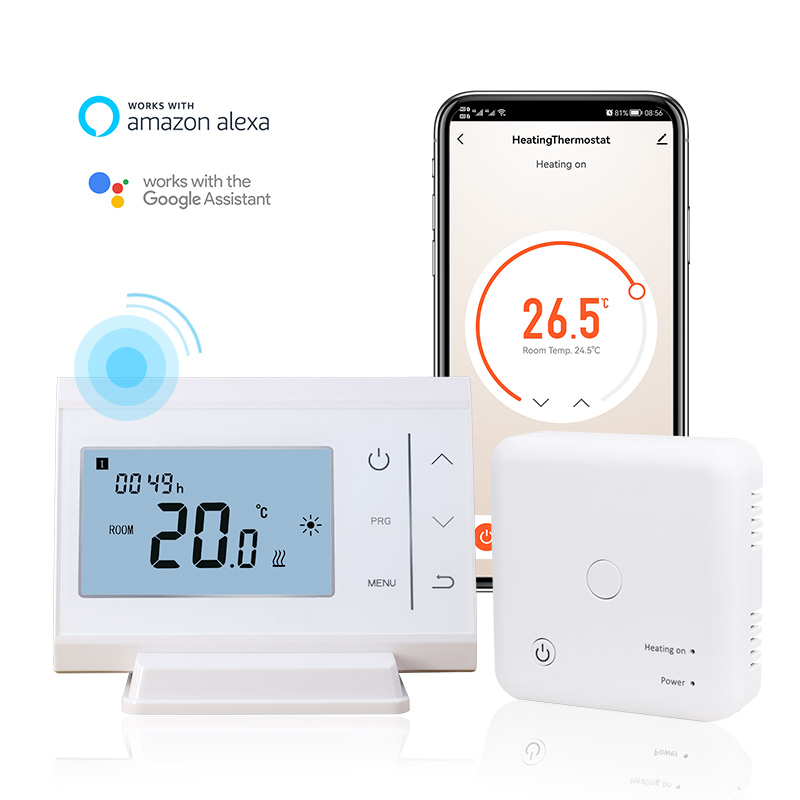
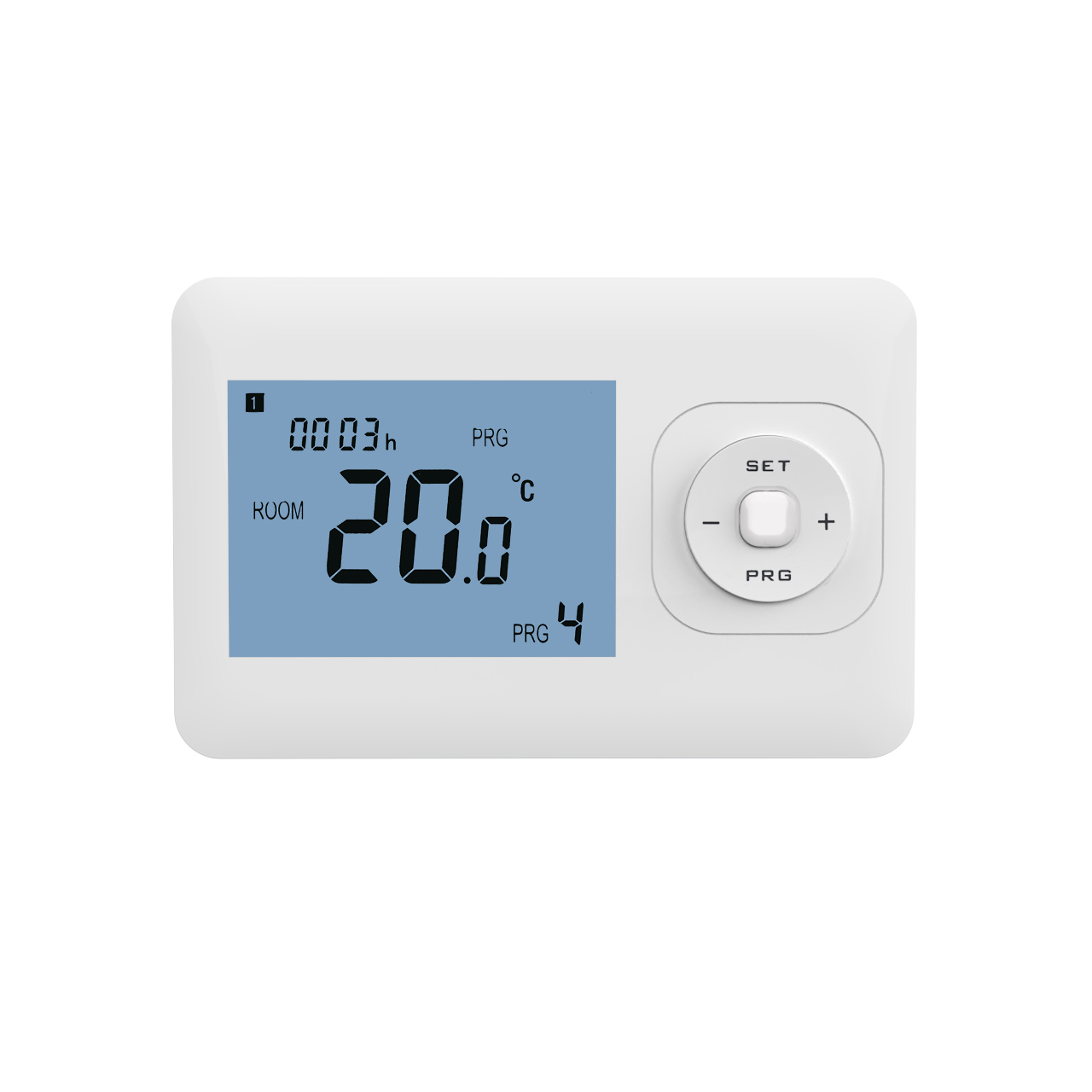
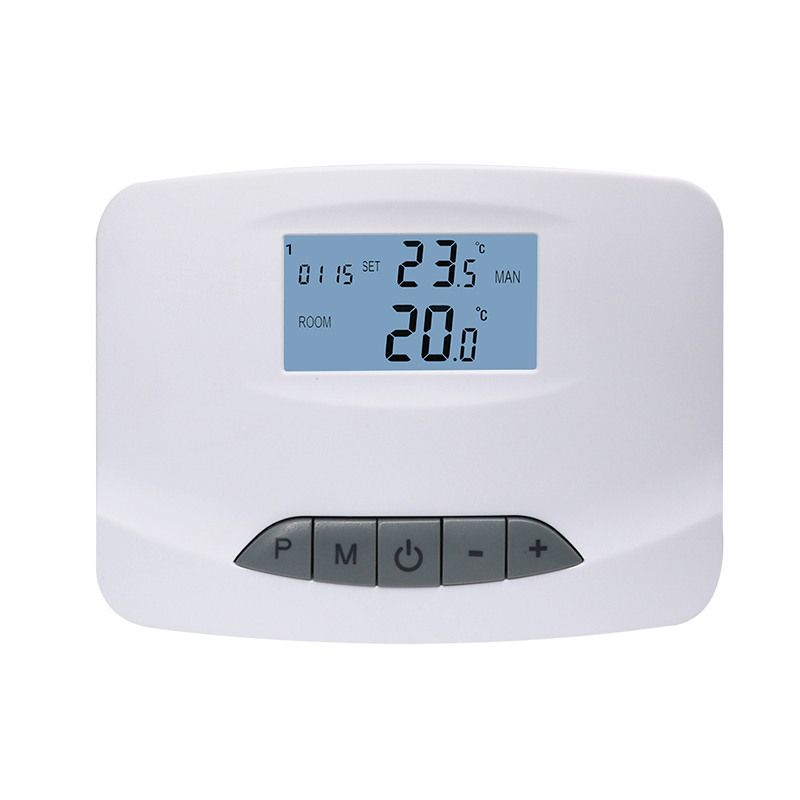
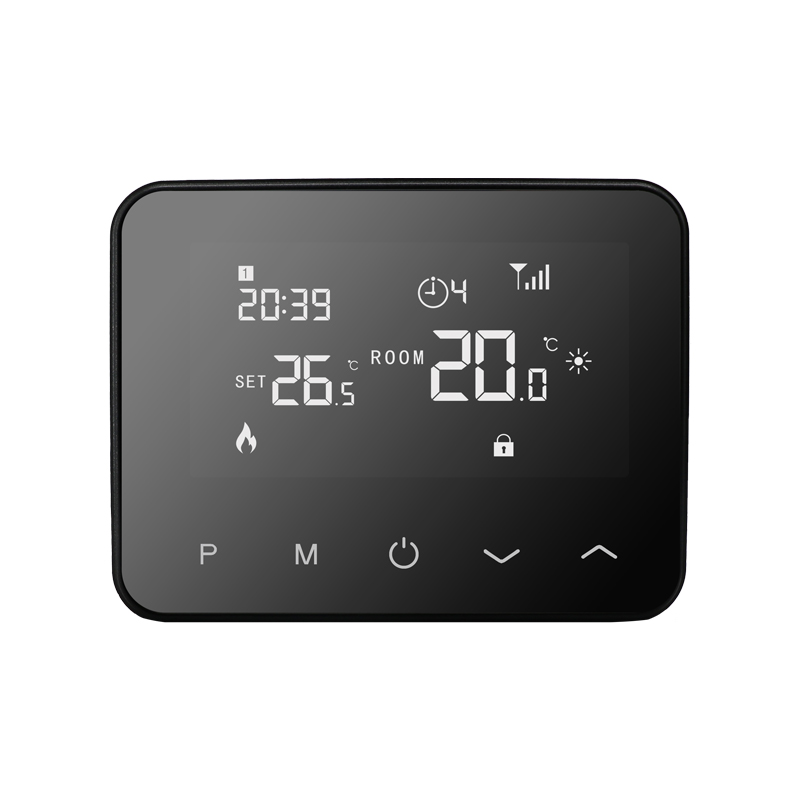
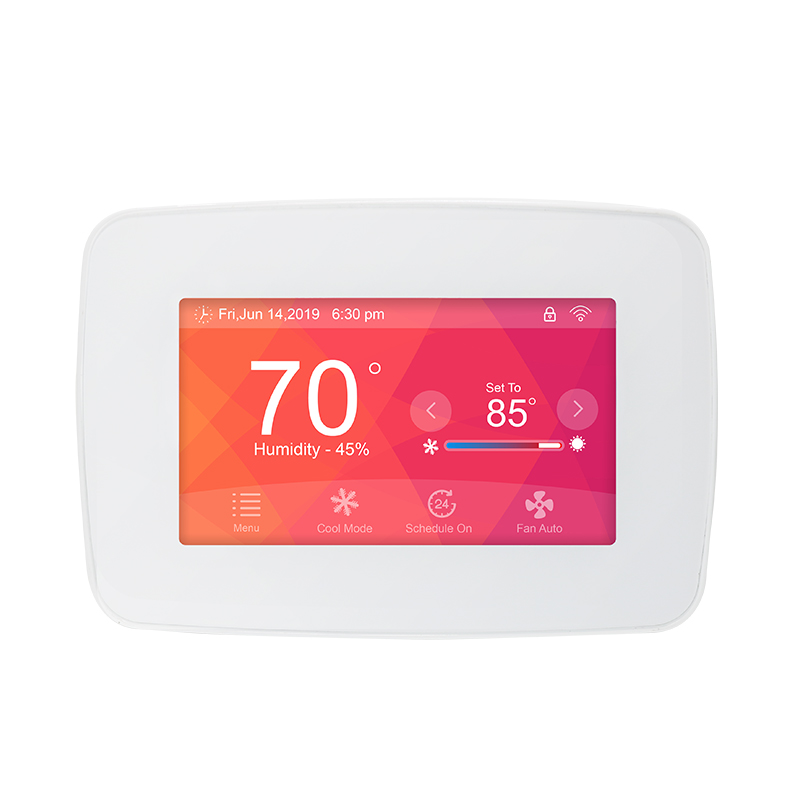
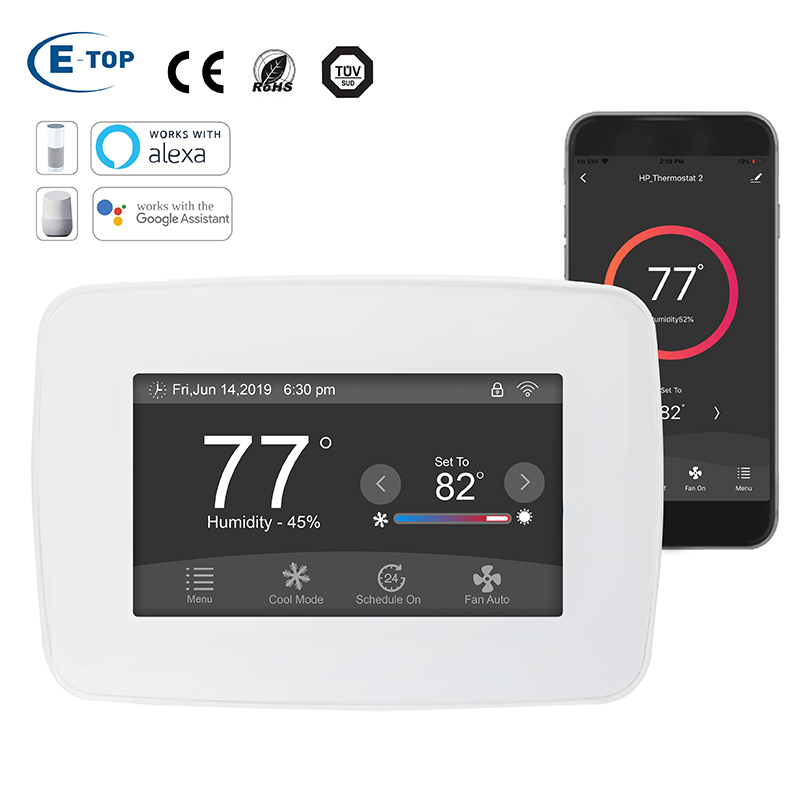
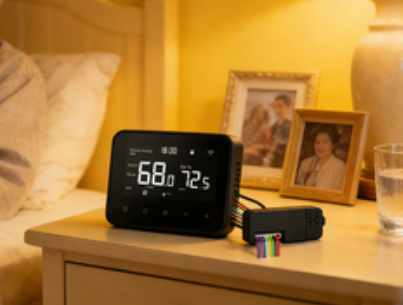
With the rise of smart homes, more households are using plug-in thermostats to control indoor temperatures. Compared to traditional mechanical thermostats, modern plug-in thermostats are not only easier to operate but also support voice control, providing a more convenient and comfortable living experience. So, how exactly do plug-in thermostats achieve voice control? This article explores the principles, device compatibility, operation methods, and usage tips to give you a comprehensive understanding.
How Voice Control Works
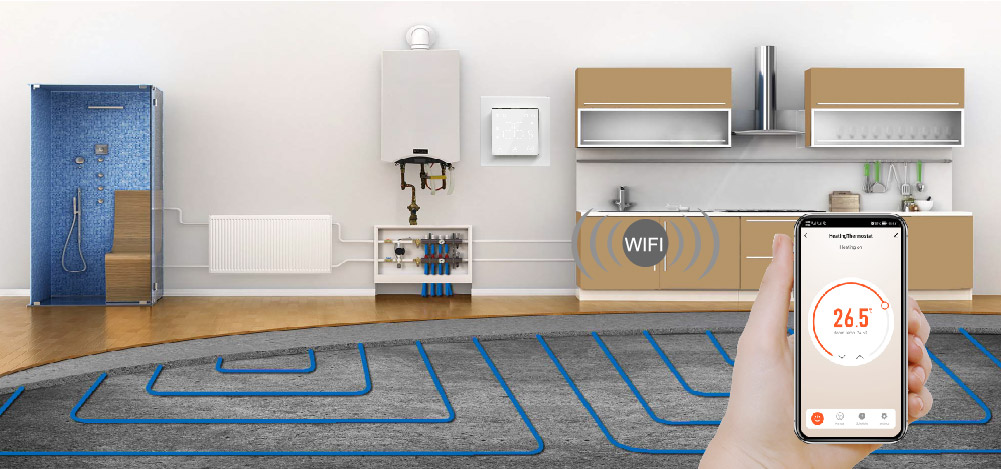
Plug-in thermostats achieve voice control mainly through smart chips, Wi-Fi modules, and voice assistant integration. The basic process includes:
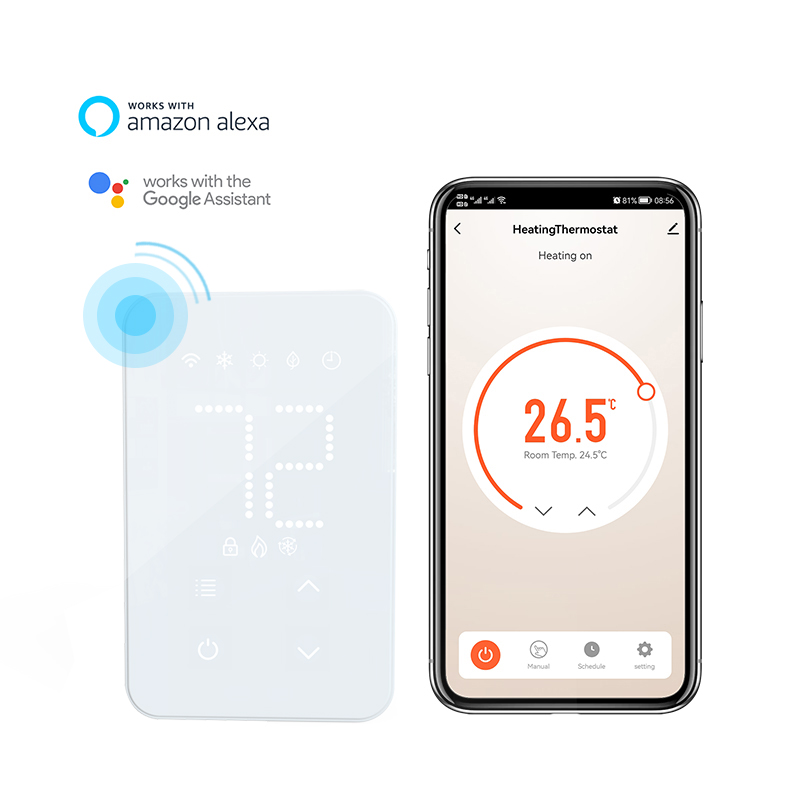
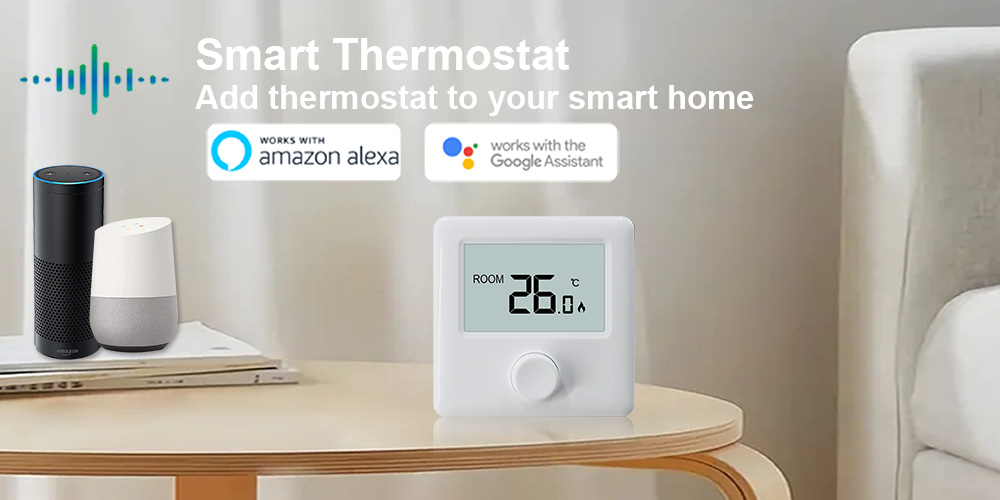
Voice Recognition: The thermostat connects to a smart speaker or mobile voice assistant (such as Alexa, Google Assistant, Siri, or other compatible systems) to recognize spoken commands.
Command Processing: The voice assistant converts the spoken command into digital signals, which are then processed in the cloud or locally to generate specific actions, such as “Set the temperature to 22°C.”
Execution: The processed command is sent to the thermostat’s control chip via Wi-Fi or Bluetooth, adjusting the temperature, turning the device on/off, or switching modes.
This approach eliminates the need for manual adjustments, allowing users to control the thermostat with just a simple voice command, greatly enhancing convenience.
Device Compatibility and Connectivity
To enable voice control, a plug-in thermostat should meet these requirements:
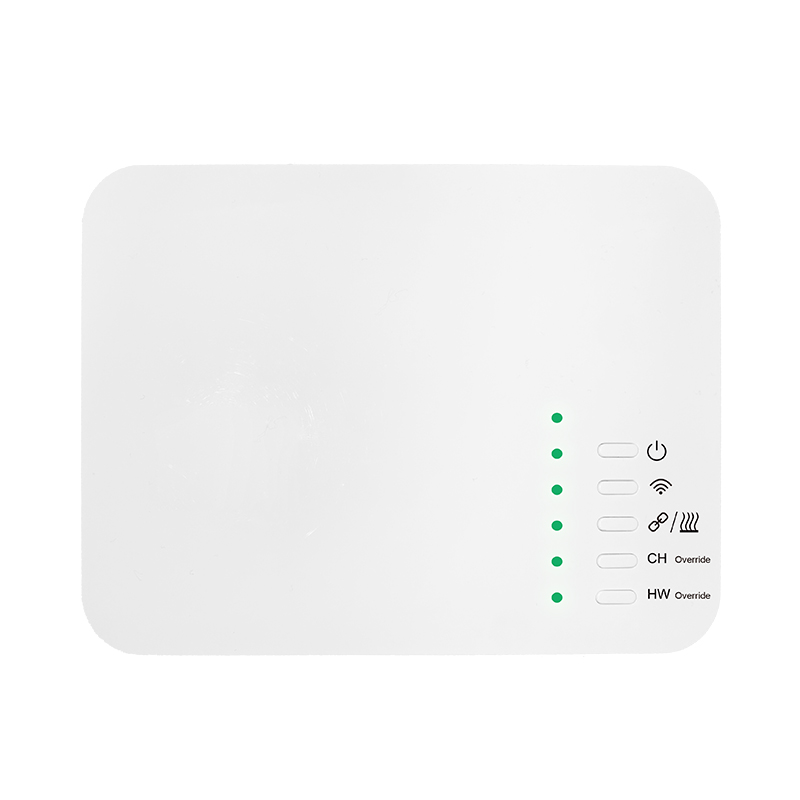
Wi-Fi or Bluetooth Capability: The thermostat must be able to connect to the internet or pair with a voice-enabled device.
Voice Assistant Support: Choose thermostats compatible with major voice assistants for seamless integration with existing smart home devices.
Companion App: Installing the official app allows device registration, binding, and remote management, providing stable support for voice control.
Typically, users only need to bind the thermostat via the app and add it to their voice assistant. Some brands also support remote control, allowing temperature adjustments whether at home or away.
Common Voice Commands
Using voice control, users can perform a variety of functions:
Temperature Adjustment:
“Set the living room temperature to 24°C,” and the thermostat automatically heats or cools the room.
Mode Switching:
“Enable energy-saving mode” or “Switch to night mode” to activate preset temperature settings.
Scheduling:
“Set the temperature to 22°C at 7 AM tomorrow,” allowing the thermostat to execute tasks automatically.
Status Queries:
“What is the current room temperature?” and the voice assistant will provide the reading.
Voice commands are intuitive and convenient, ideal for busy households or individuals with limited mobility.
Advantages of Voice-Controlled Thermostats
Ease of Use: Adjust temperature without touching buttons or dials.
Improved Comfort: Quickly customize room temperature to personal preference.
Energy Efficiency: Combined with scheduling and preset modes, voice control helps reduce energy consumption.
Remote Control: Adjust temperature via voice or app anywhere, anytime.
Voice control transforms plug-in thermostats from simple temperature regulators into central smart home devices, enabling a truly hands-free experience.
Tips for Using Voice Control Safely
Ensure Stable Connectivity: Voice control relies on Wi-Fi or Bluetooth; unstable connections may cause delayed commands.
Choose Compatible Devices: Make sure the thermostat supports your voice assistant for seamless integration.
Train Voice Recognition: Initial voice training improves command accuracy and reduces misinterpretation.
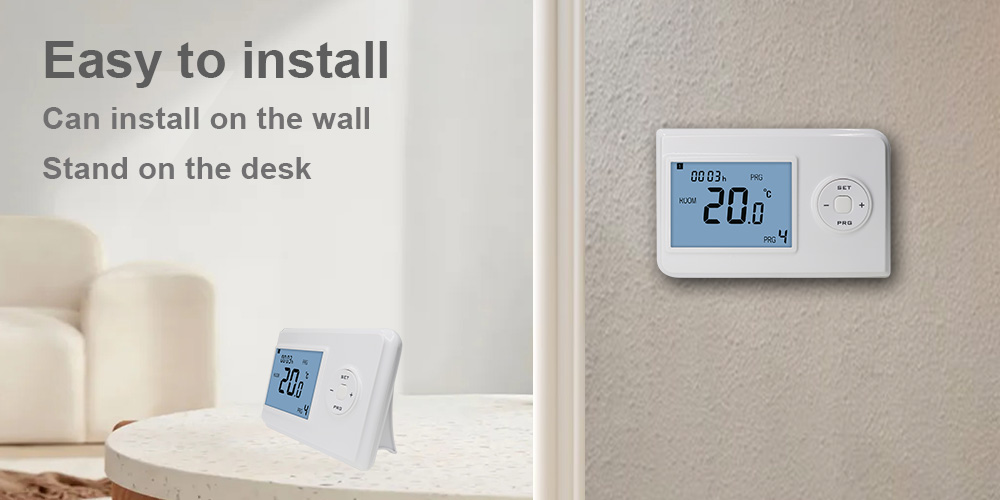
Safety Precautions: Keep the thermostat away from flammable materials and follow proper usage guidelines.
Conclusion
Plug-in thermostats use Wi-Fi, Bluetooth, and voice assistant integration to achieve convenient voice control. With simple commands, users can adjust temperature, switch modes, and set schedules, enhancing comfort and efficiency while promoting energy savings. Choosing a thermostat that supports mainstream voice assistants and offers stable connectivity is key to a smooth smart home experience.
Whether at home or away, voice-controlled plug-in thermostats make temperature management effortless, bringing both convenience and comfort to modern living.