
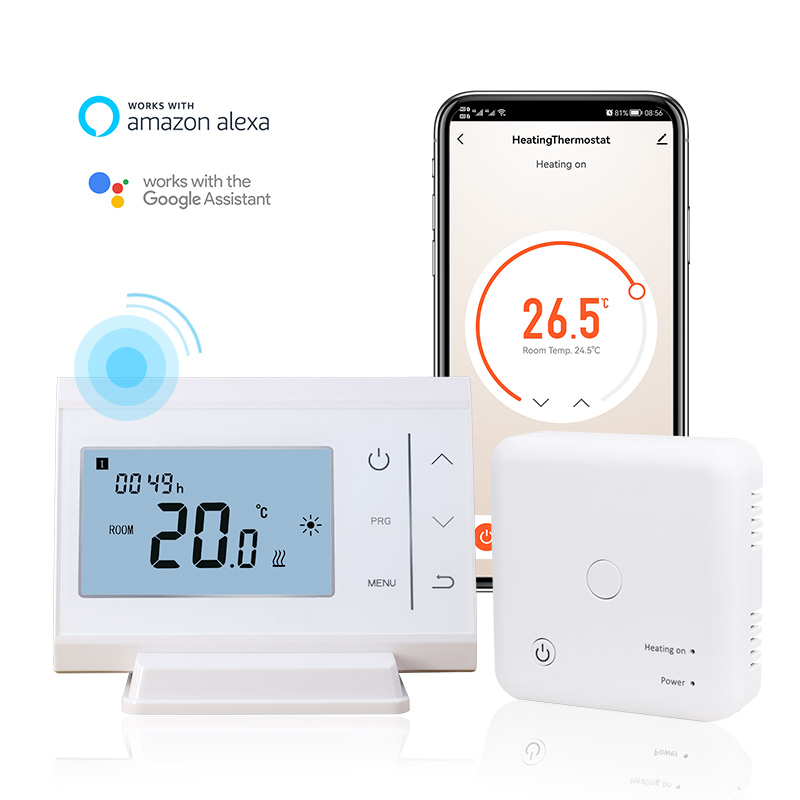
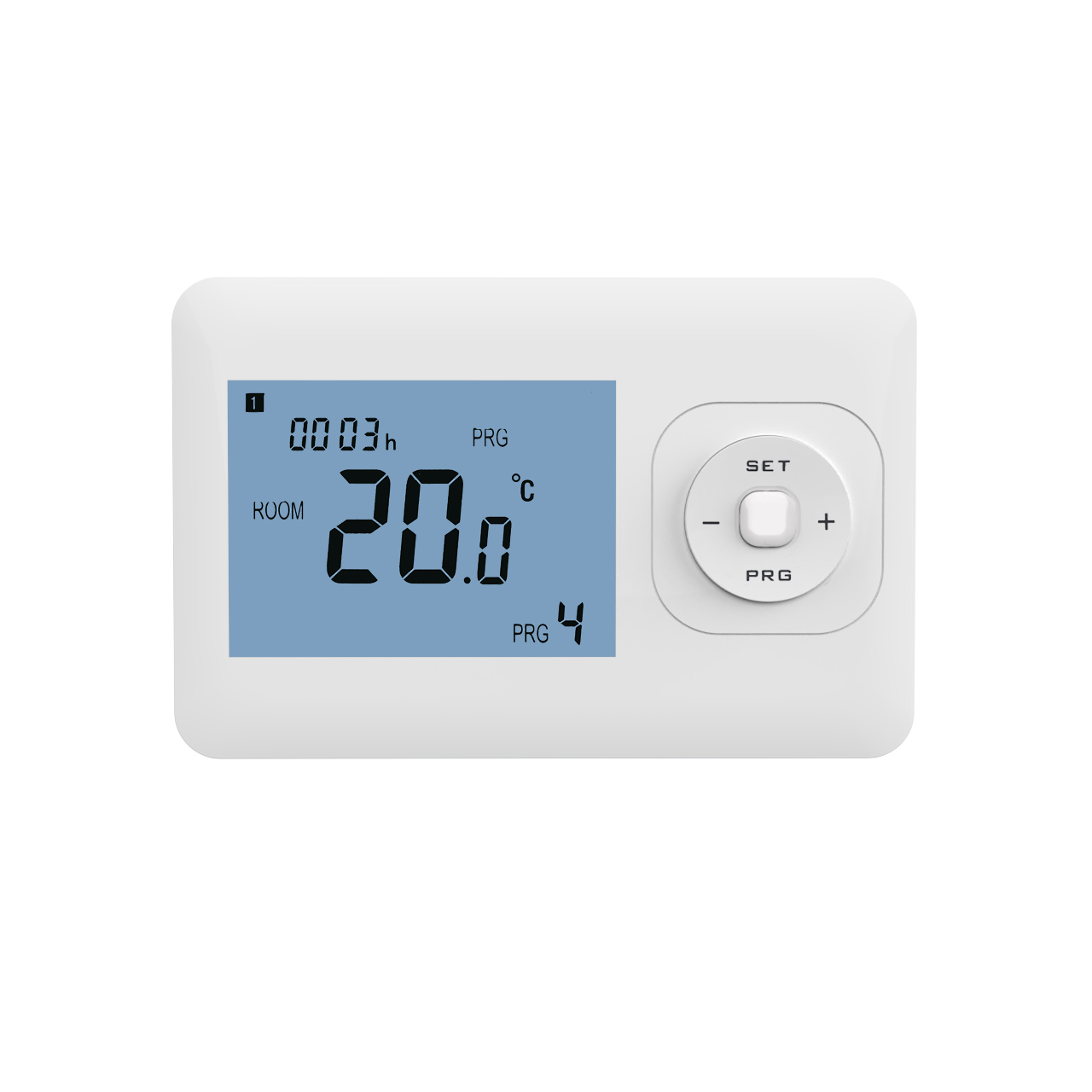
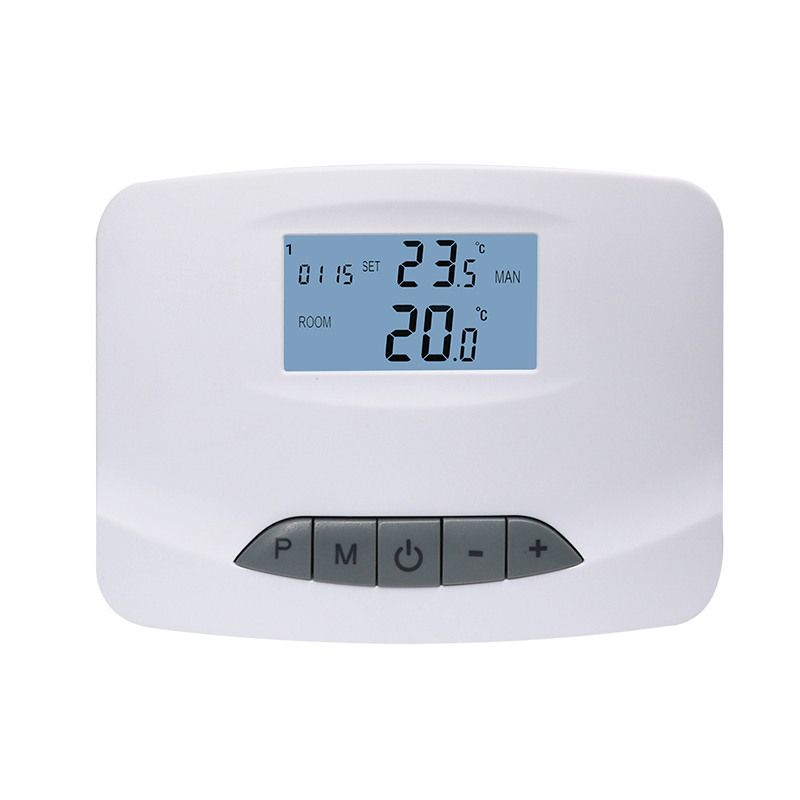
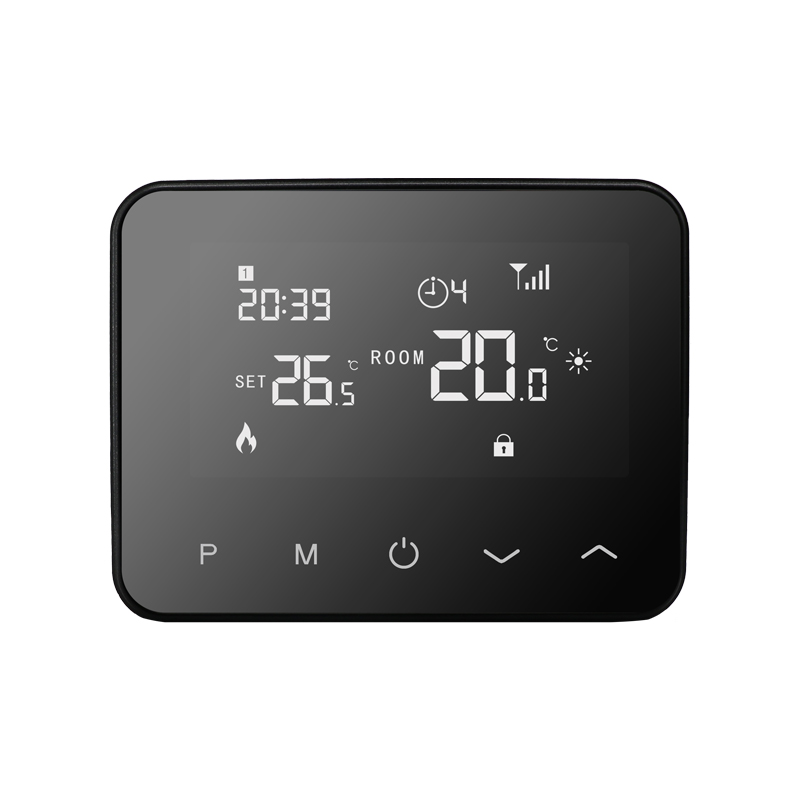
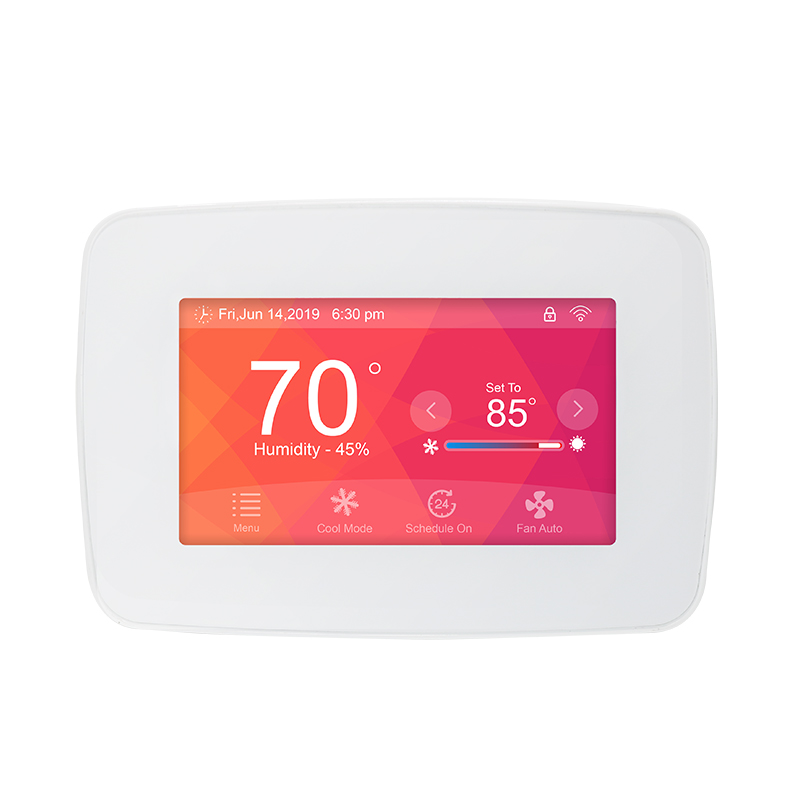
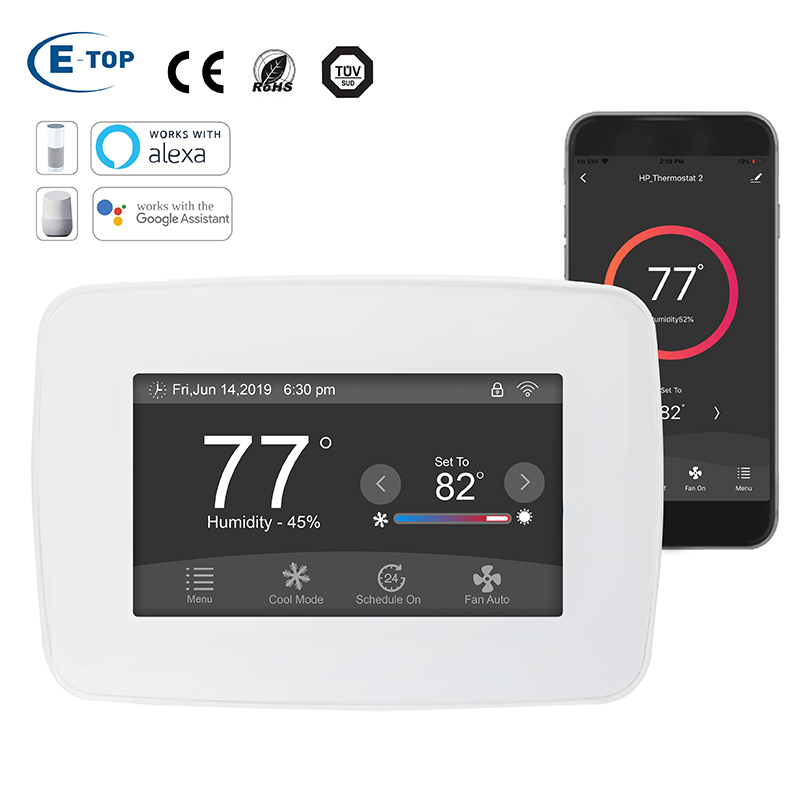
With the continued development of smart homes and HVAC systems, temperature control methods are evolving rapidly. Thanks to stable control logic and strong system compatibility, 24V thermostats are widely used in both residential and commercial settings. Through multiple intelligent design elements, a 24V thermostat moves beyond simple on-off control and delivers more precise and efficient temperature management, providing a consistently comfortable indoor environment.
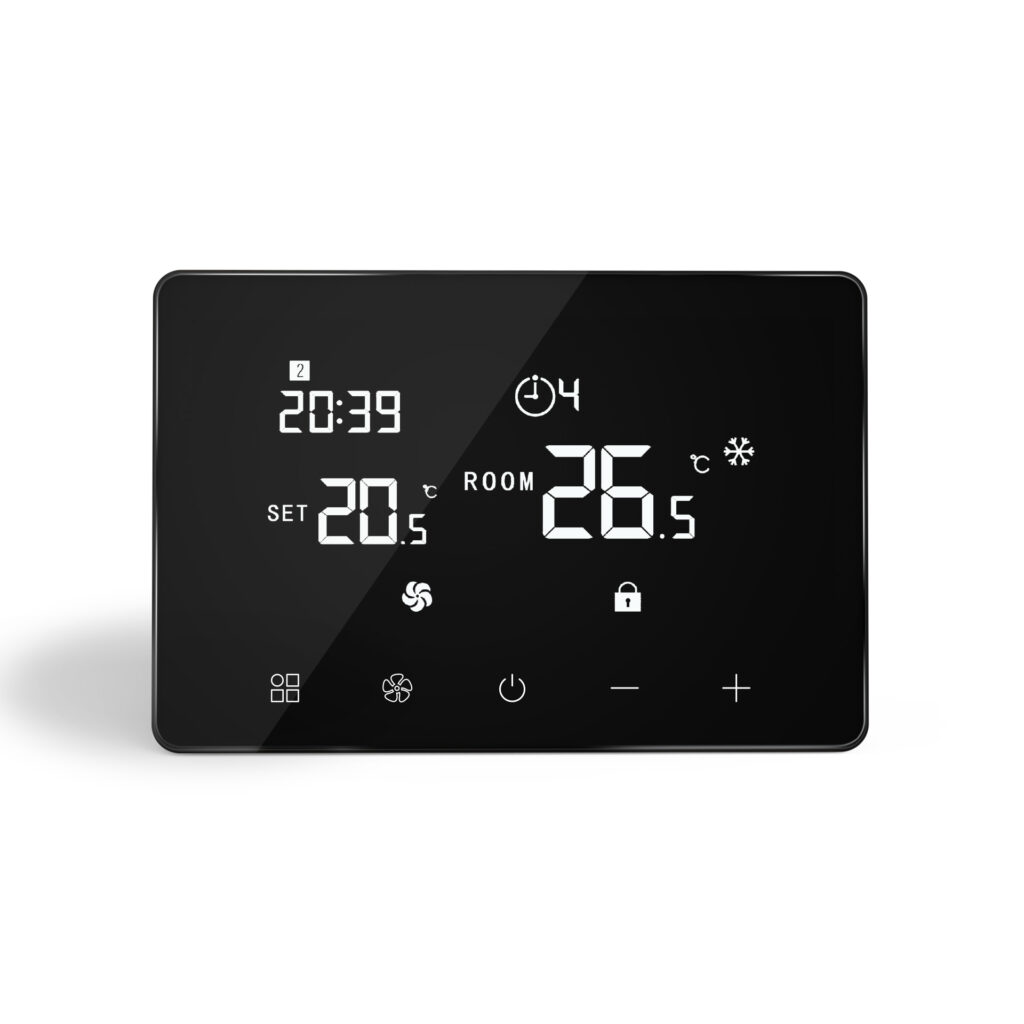
Fundamental Principles Behind Intelligent Control in a 24V Thermostat
A 24V thermostat relies on low-voltage signals as its control foundation. By communicating commands between the thermostat and heating or cooling equipment, it regulates system operation effectively. Intelligent temperature control is not based on a single command but on evaluating temperature trends, runtime behavior, and stage responses.
This approach creates a clear operating logic and establishes a reliable foundation for advanced control features.
Staged Regulation Improves Temperature Accuracy
Many 24V thermostats support multi-stage control, which plays a key role in intelligent temperature regulation. The system gradually activates different operating stages based on the difference between the actual room temperature and the set value.
Small temperature deviations trigger lower-stage fine adjustments
Larger gaps lead to higher-stage activation for improved efficiency
Stage transitions occur smoothly, reducing abrupt changes
This layered output method allows temperature adjustments to feel natural and stable.
Influence of Intelligent Algorithms on Operating Rhythm
Intelligent temperature control depends on well-managed operating rhythms. A 24V thermostat uses internal algorithms to manage system runtime and startup frequency, reducing unnecessary operation.
By evaluating previous operating behavior, the system avoids frequent cycling that can increase energy use and cause mechanical wear. This intelligent decision-making supports smoother and more consistent temperature regulation.
Temperature Sensing and Environmental Feedback Mechanisms
Accurate sensing is essential for intelligent control. A 24V thermostat continuously collects environmental data through built-in sensors and adjusts its control strategy based on real-time feedback.
When temperature changes gradually, the system focuses on maintaining conditions. When external factors cause noticeable shifts, adjustment intensity increases accordingly. This feedback-driven approach aligns temperature control more closely with actual environmental conditions.
Direct Impact on Comfort Experience
The ultimate purpose of intelligent temperature control is to enhance comfort. Through gradual and controlled adjustments, a 24V thermostat reduces discomfort caused by rapid heating or cooling.
During low-stage operation, airflow remains gentle and noise levels are lower. When higher stages engage, response speed increases while stability is preserved. This balance delivers a consistently comfortable experience in daily use.
Intelligent Performance in Energy Management
From an energy management perspective, intelligent control allows a 24V thermostat to prioritize low-load operation whenever possible. Prolonged high-output operation is avoided unless necessary.
By distributing workload across stages, the system maintains stable energy use while meeting temperature demands. This operating pattern supports long-term efficiency and reliable performance.
Coordination With Broader Control Systems
Some 24V thermostats can work in coordination with other control components, such as scheduling modules or centralized management systems. Through signal integration, the thermostat can adjust operating strategies based on different time periods.
This coordinated approach transforms temperature control into part of a broader environmental management framework, improving order and consistency in indoor climate regulation.
Role of Installation and Settings in Intelligent Control
The effectiveness of intelligent features depends heavily on proper installation and configuration. A 24V thermostat should be placed in an area with stable airflow and away from heat sources to ensure accurate temperature readings.
Well-configured parameters enable smoother stage transitions and reduce unnecessary adjustments, directly influencing intelligent control performance.
Adaptability Across Various Usage Scenarios
Whether in homes or office environments, a 24V thermostat demonstrates strong adaptability through intelligent control. It operates reliably across different space sizes and usage patterns, supporting long-term stability.
In frequently used areas, intelligent regulation maintains consistent conditions. In spaces with fluctuating usage, system response remains flexible and controlled.
Ending
By integrating staged control, intelligent algorithms, and real-time environmental feedback, a 24V thermostat delivers a refined approach to intelligent temperature management. Instead of relying on simple switching, it operates through continuous evaluation and smooth responses, enhancing comfort and efficiency across indoor environments.