
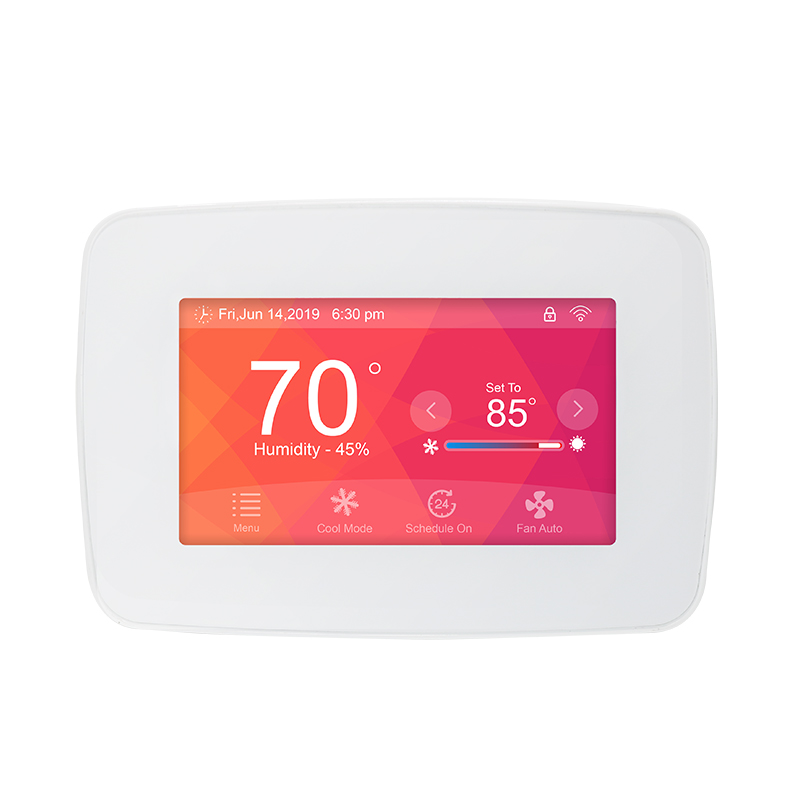
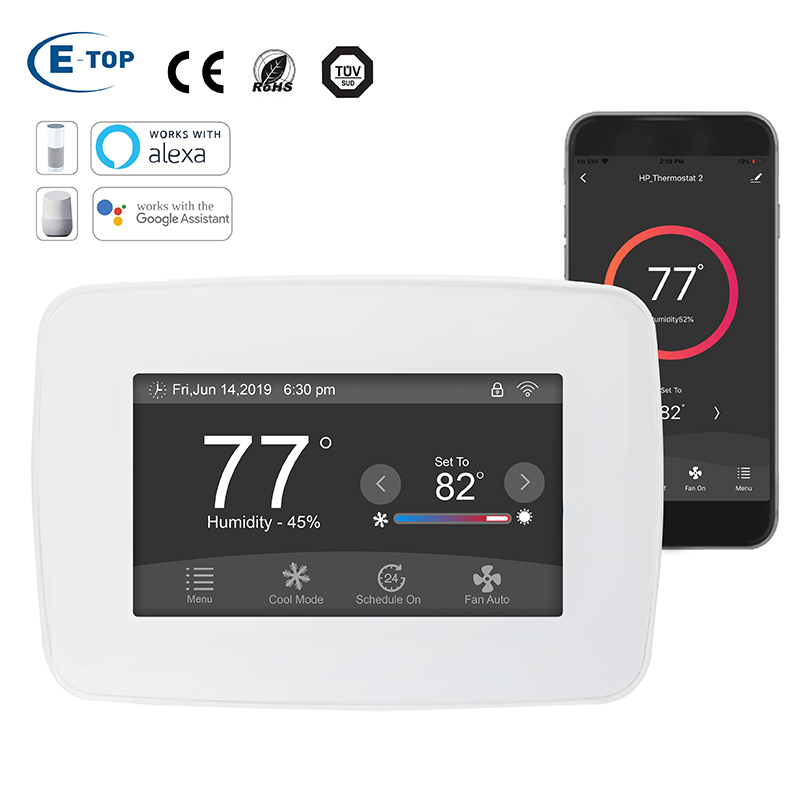
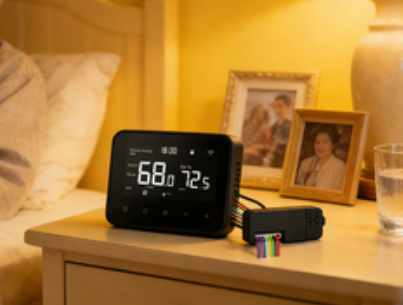
With increasing demands for home comfort, underfloor heating systems are no longer simply about maintaining a uniform temperature throughout the house; individual room temperature control has become a new trend in modern homes. Many users ask if a centralized control box can truly allow independent temperature adjustment for each room. After all, different rooms have different usage habits: the living room needs warmth during the day, while bedrooms prefer slightly lower temperatures at night; studies and kitchens may also have different temperature requirements. If the underfloor heating system can achieve individual room temperature control, it can not only improve comfort but also save energy and reduce operating costs. However, to achieve this precise control, the control box, thermostats, and thermal actuators all need to work together.
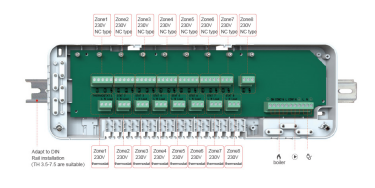
How does the centralized control box control the temperature of each room?
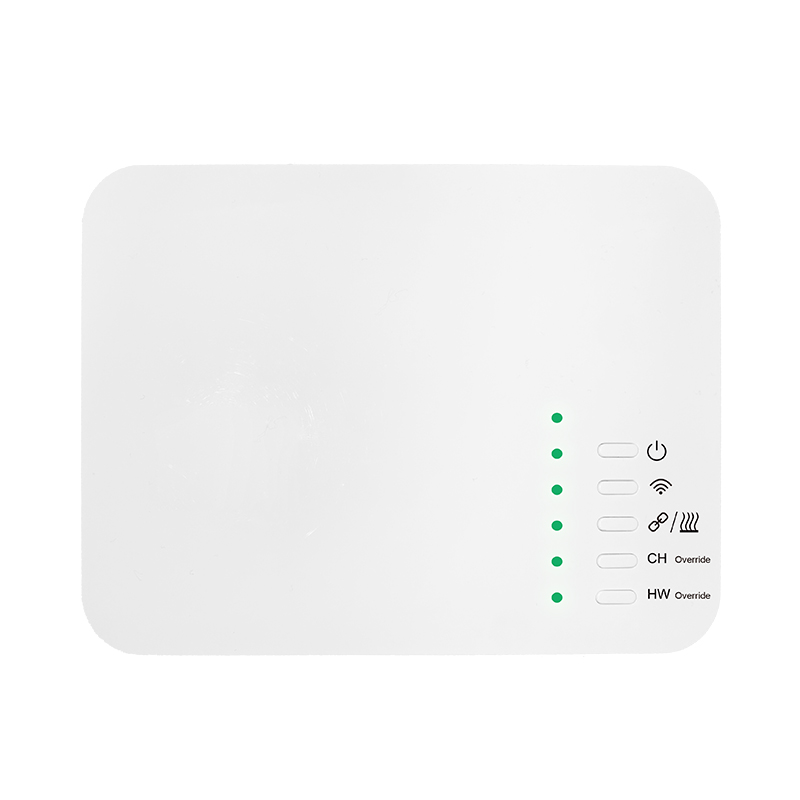
The centralized control box is the “brain” of the entire underfloor heating system. It receives signals from the thermostats in each room to determine the indoor temperature and controls the water pump and the thermal actuators in each circuit. Specifically, when a room’s thermostat detects a temperature below the set value, it sends a signal to the control box. The control box then instructs the room’s thermal actuator to open the circuit, allowing the underfloor heating to heat that room. Conversely, if the temperature reaches the set value, the thermal actuator closes the circuit, stopping heating. In this way, the centralized control box can manage the temperature of multiple rooms simultaneously, achieving on-demand heating and ensuring each room remains within a comfortable range, avoiding the problem of “some rooms being too hot and others too cold.”
Can the temperature of each room truly be adjusted independently?
The answer is yes, but only if each room is equipped with an independent thermostat and thermal actuator. Modern underfloor heating systems typically set up a circuit for each room, with each circuit equipped with a thermal actuator. The thermostat then feeds back temperature data to the centralized control box in real time. This allows for:
Separate management of the living room, bedroom, and study: Each room can have its temperature independently set according to usage needs. For example, the living room can be set to 23℃, and the bedroom to 20℃.
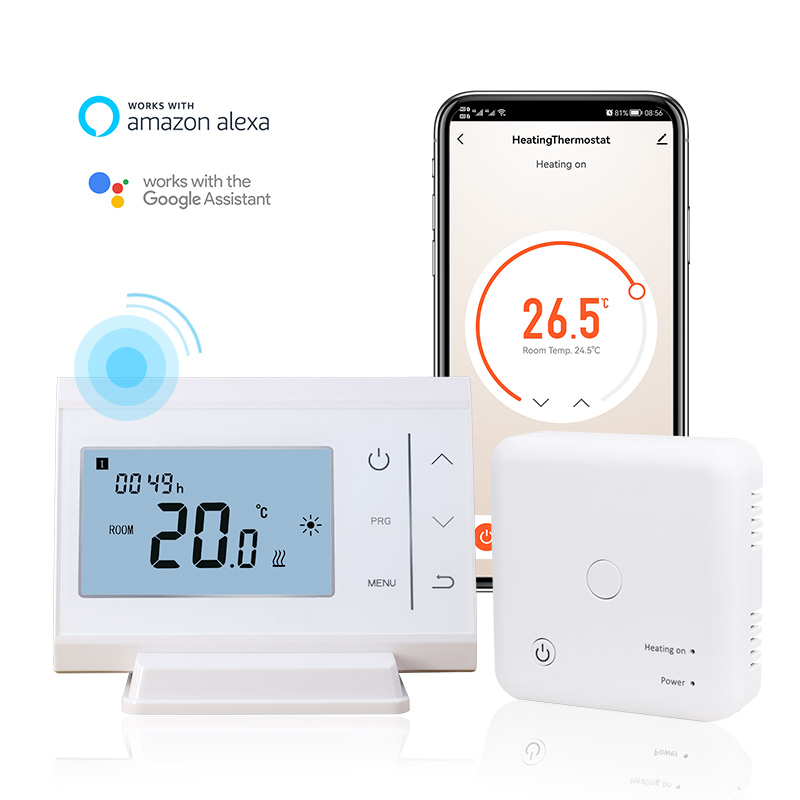
Timed and intelligent adjustment: The centralized control box can control the circuit’s operation based on time periods, such as slightly lowering the bedroom temperature at night and raising the living room temperature during the day. 3. Thermostat Flexibility: Some newer systems support wireless thermostats, allowing for relocation or remote adjustment via an app, making temperature control in each room more flexible.
Therefore, the temperature in each room can be adjusted independently. As long as the circuit and thermal actuator layout is reasonable, the centralized control box can achieve true individual room temperature control.
What are the advantages of individual room temperature control?
Enhanced Comfort: Each room is heated according to actual needs, avoiding uneven heating and making winter life more comfortable for the family.
Energy Savings: Heating in unused rooms can be turned off, avoiding energy waste and reducing electricity or gas bills.
Extended Equipment Lifespan: The centralized control box intelligently adjusts the operation of water pumps and valves, reducing overheating and frequent switching, extending the lifespan of water pumps, boilers, and thermal actuators.
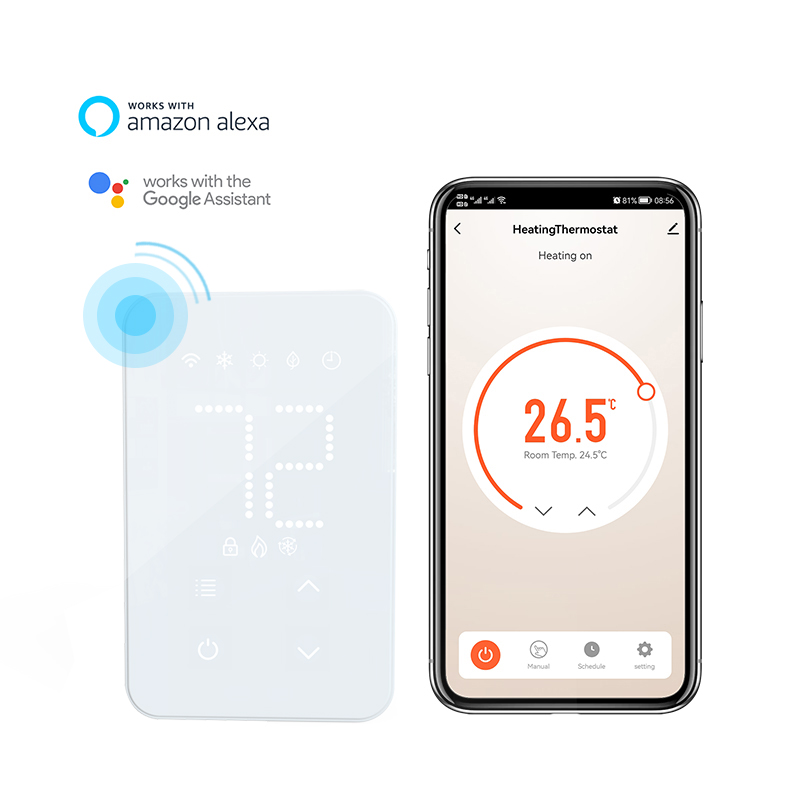
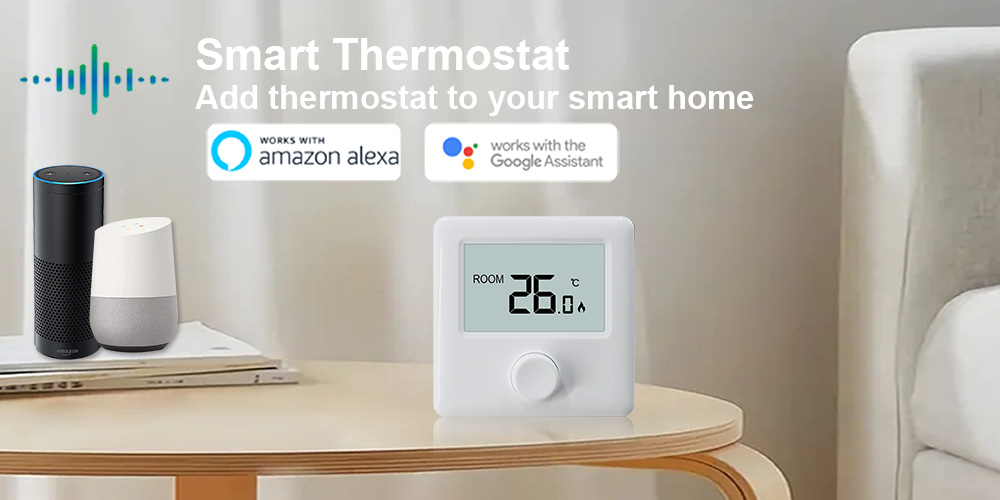
Intelligent Management: Modern control boxes can connect to wireless thermostats and mobile apps, enabling remote control and timed operation, making the underfloor heating system more efficient and flexible.
Installation and Usage Precautions
To achieve true individual room temperature control, the following key points should be noted:
Properly Designed Circuits: Each room or functional area should have an independent circuit and thermal actuator to ensure independent management by the control box.
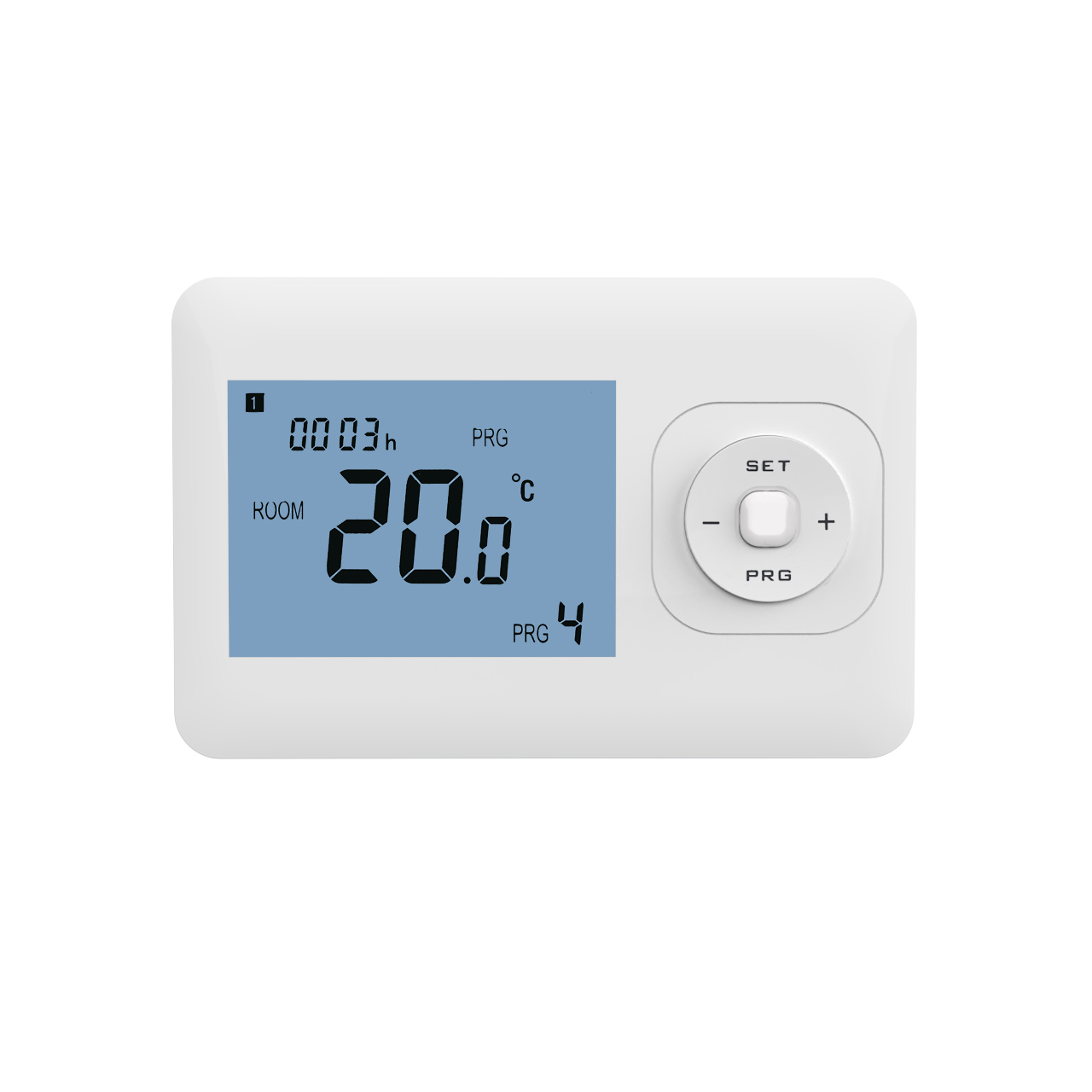
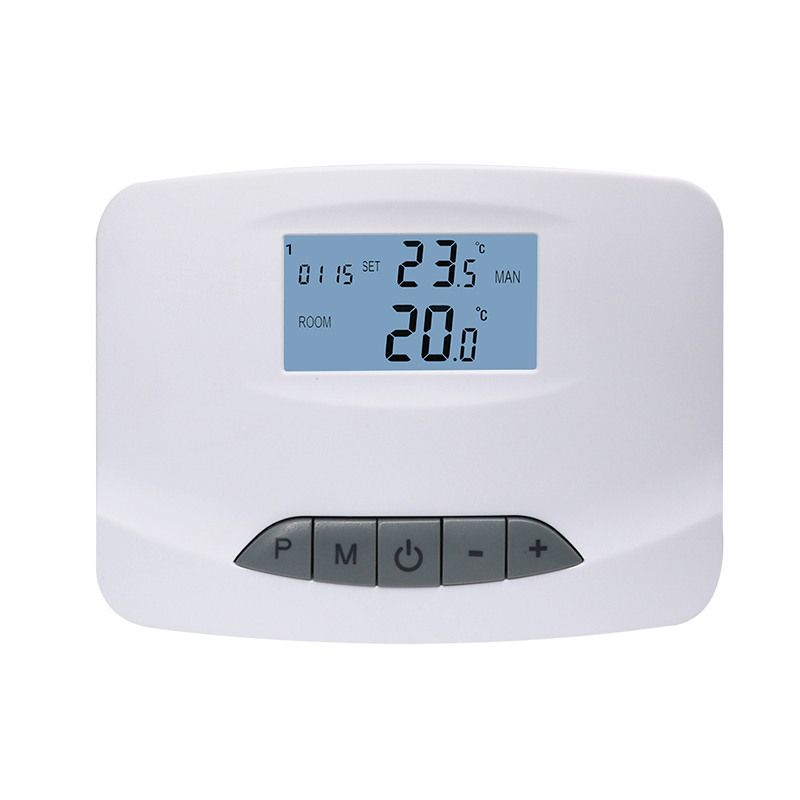
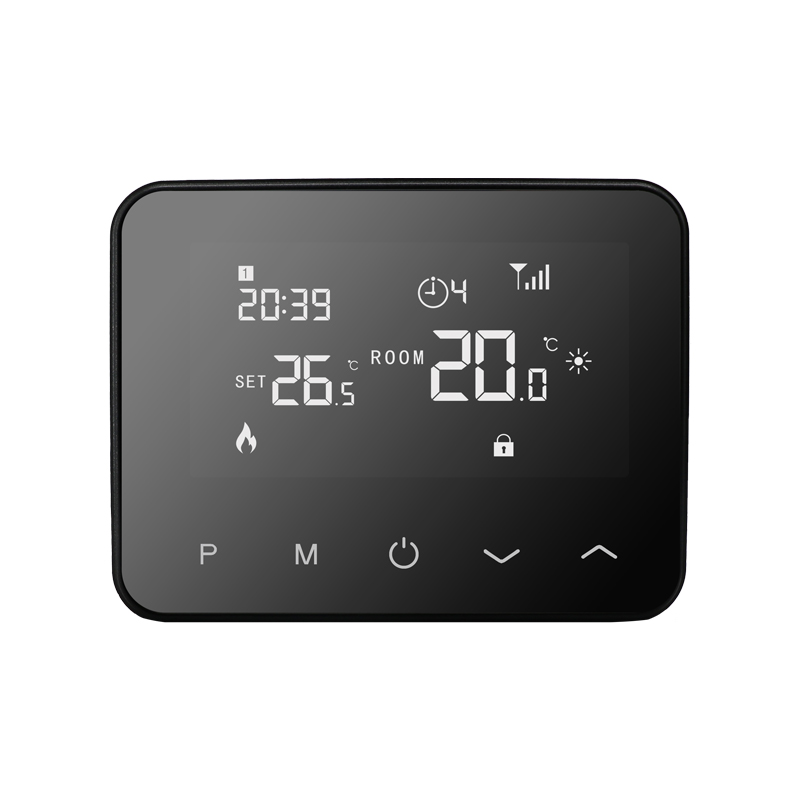
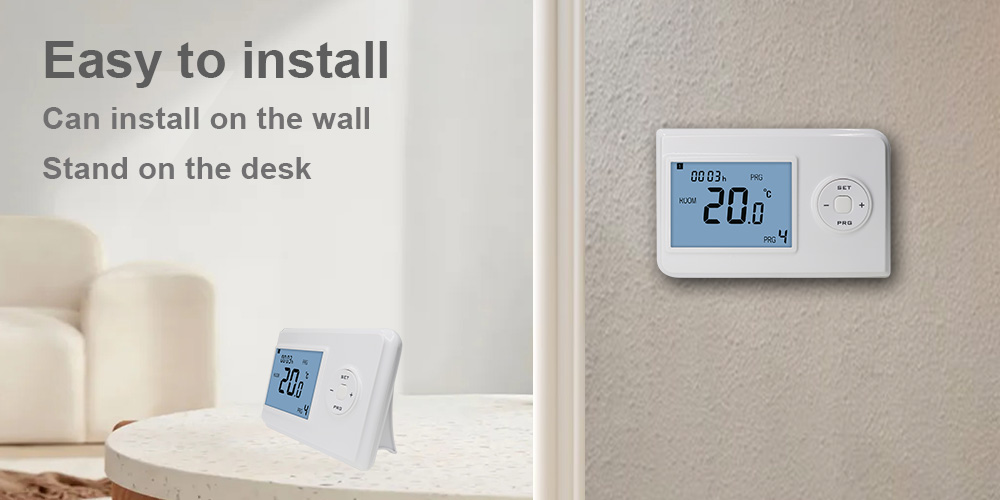
Selecting a Suitable Thermostat: Thermostats can be wired or wireless, ensuring stable signal and high sensitivity.
Scientifically Setting Temperatures: Set temperatures for different rooms according to usage habits, avoiding excessively high or low temperatures that could affect comfort and energy efficiency.
Regular Maintenance: Check the control box, thermal actuators, and thermostats to ensure they are functioning properly and that individual room temperature control operates stably over the long term.
Through proper installation and debugging, the centralized control box, in conjunction with the thermostats and thermal actuators, can easily achieve independent temperature adjustment for each room, making the home environment more comfortable and energy use more efficient.
The centralized control box for underfloor heating is the core of individual room temperature control. It receives signals from the thermostats in each room and controls the switching of the thermal actuators in the circuits, enabling each room to be heated as needed. As long as each room is equipped with an independent circuit and thermal actuator, the temperature of each room can be truly adjusted independently. Individual room temperature control not only improves living comfort but also saves energy, reduces operating costs, and extends the lifespan of equipment such as water pumps and boilers. Proper installation, scientific adjustment, and regular maintenance are key to ensuring the effectiveness of centralized control boxes for individual room temperature control.