






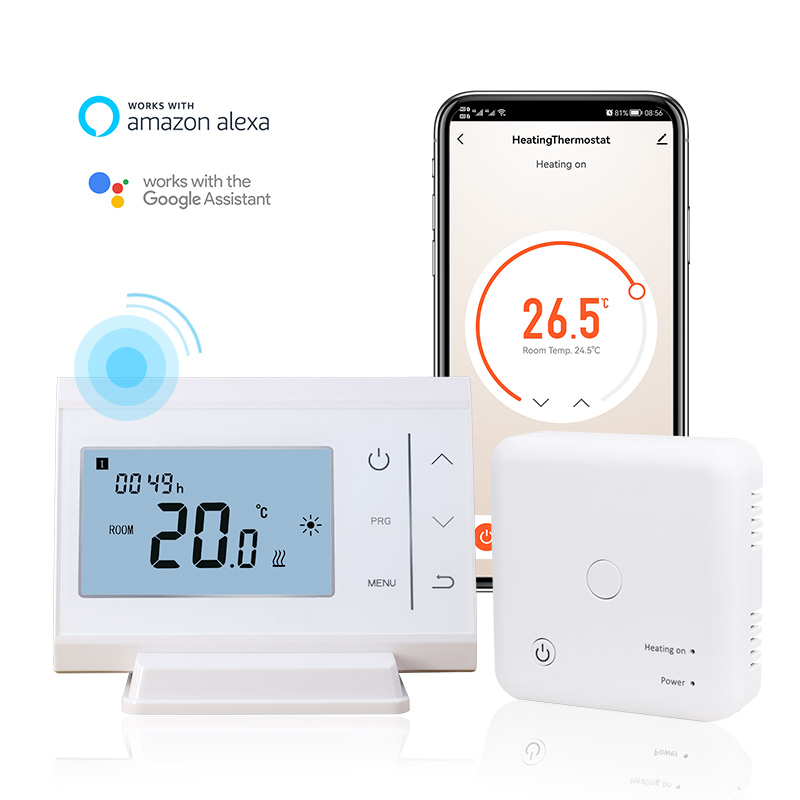
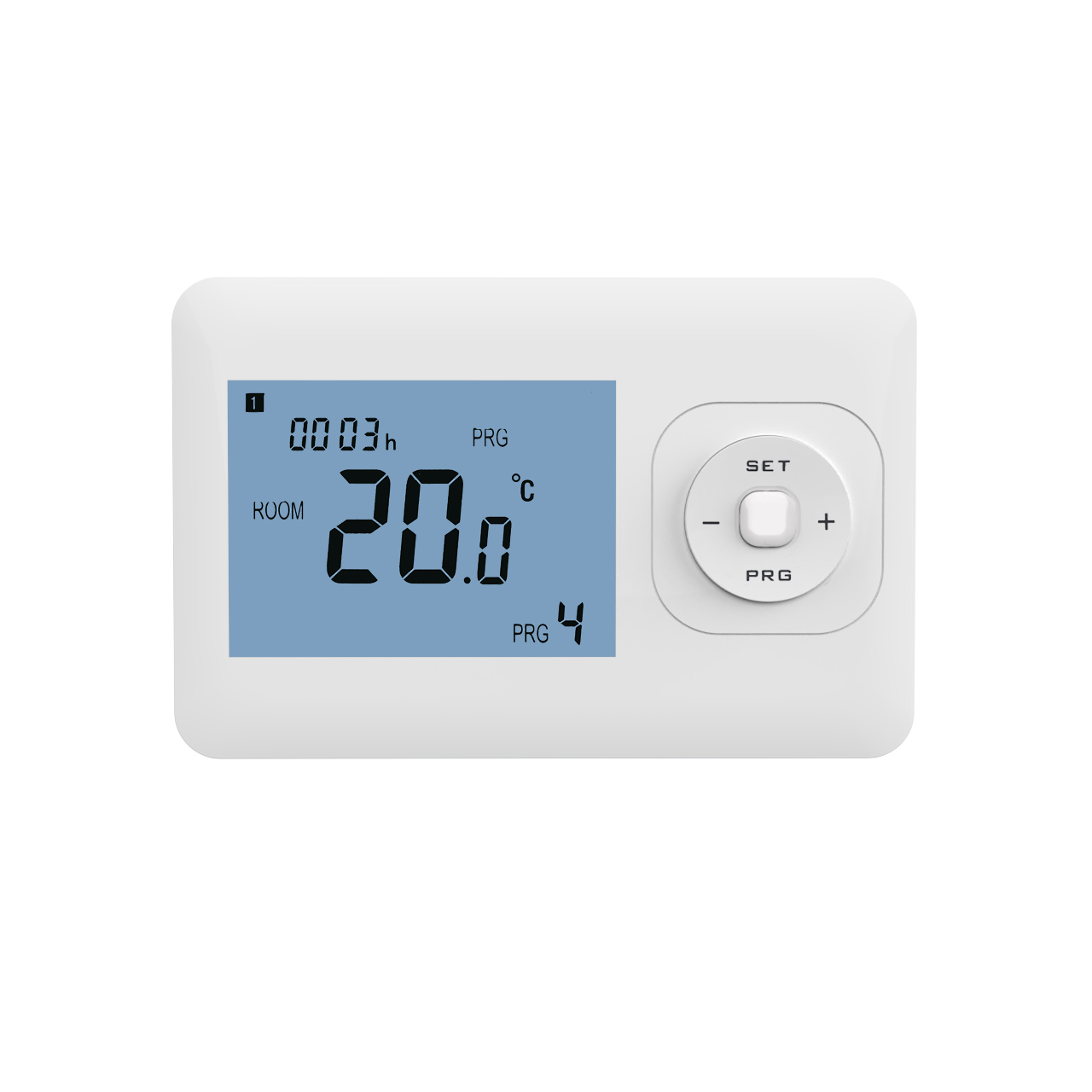
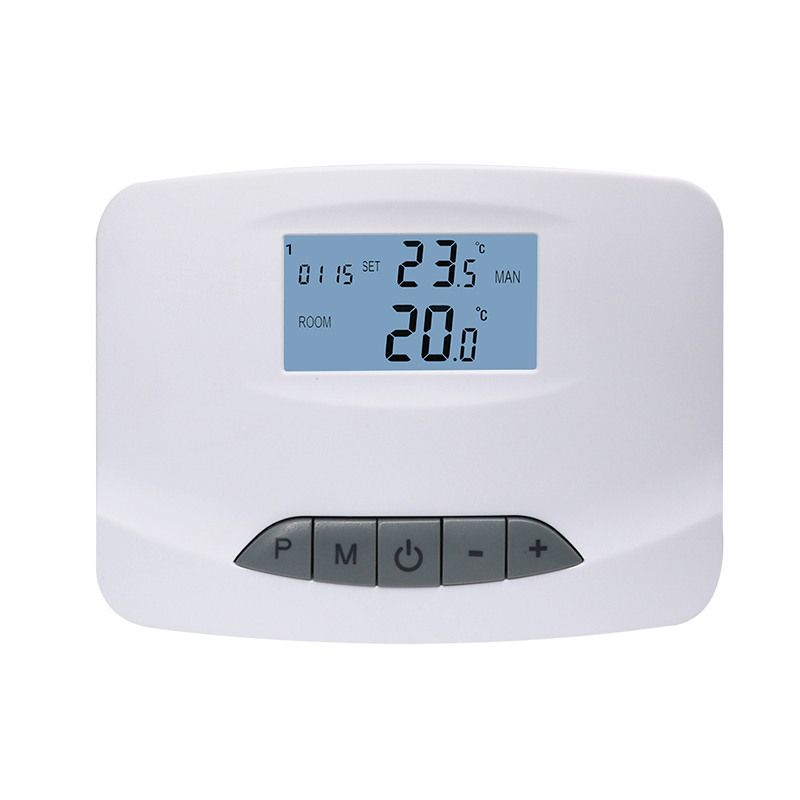
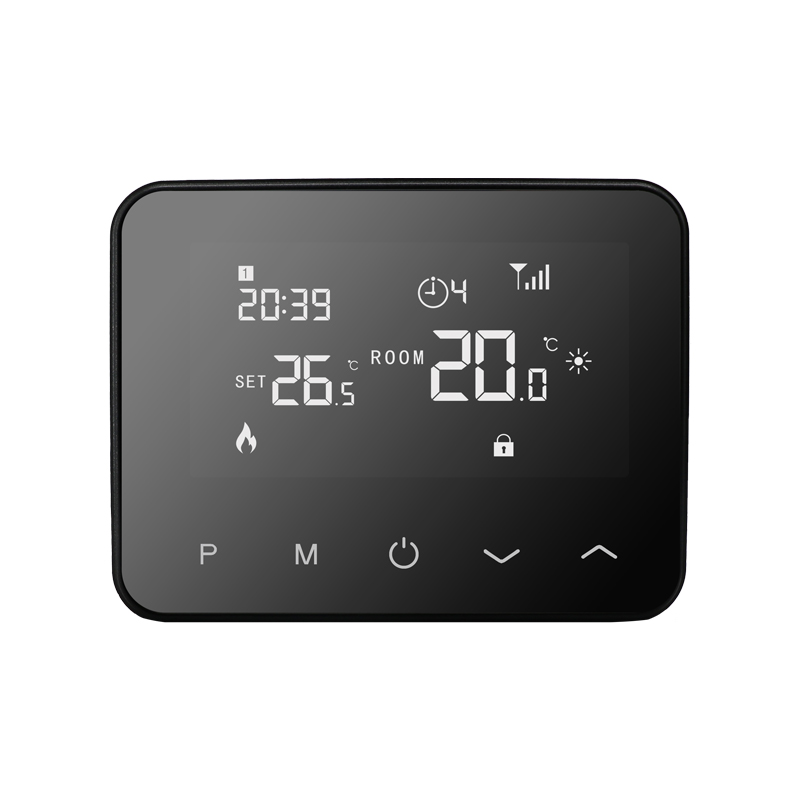
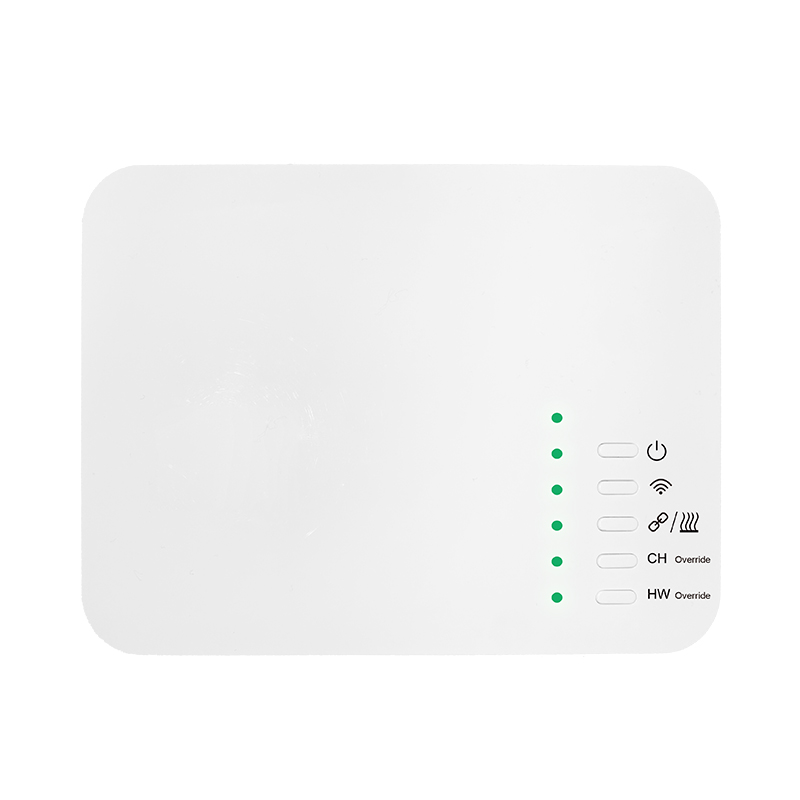
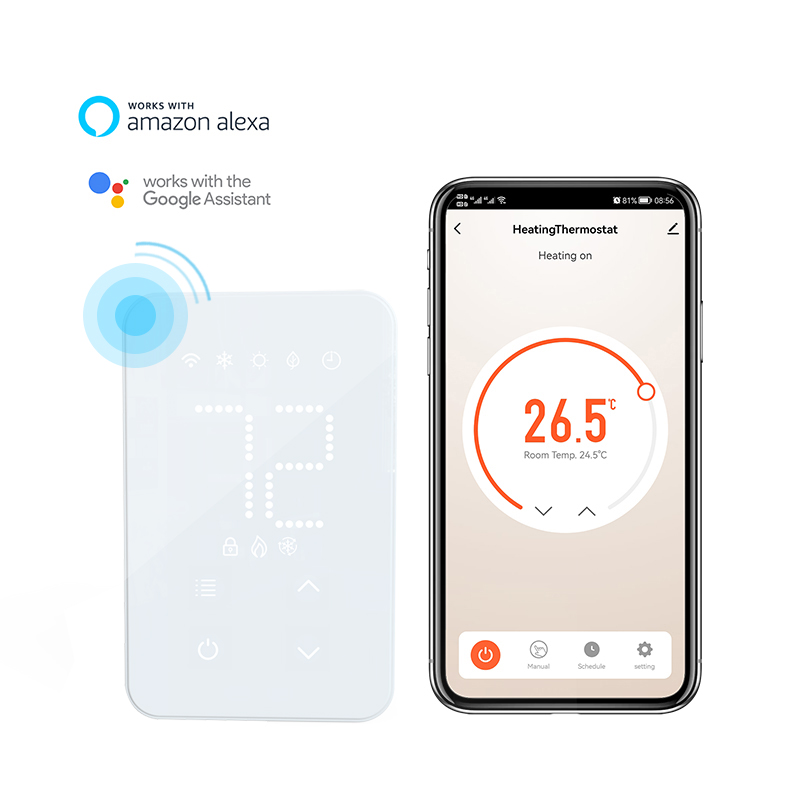
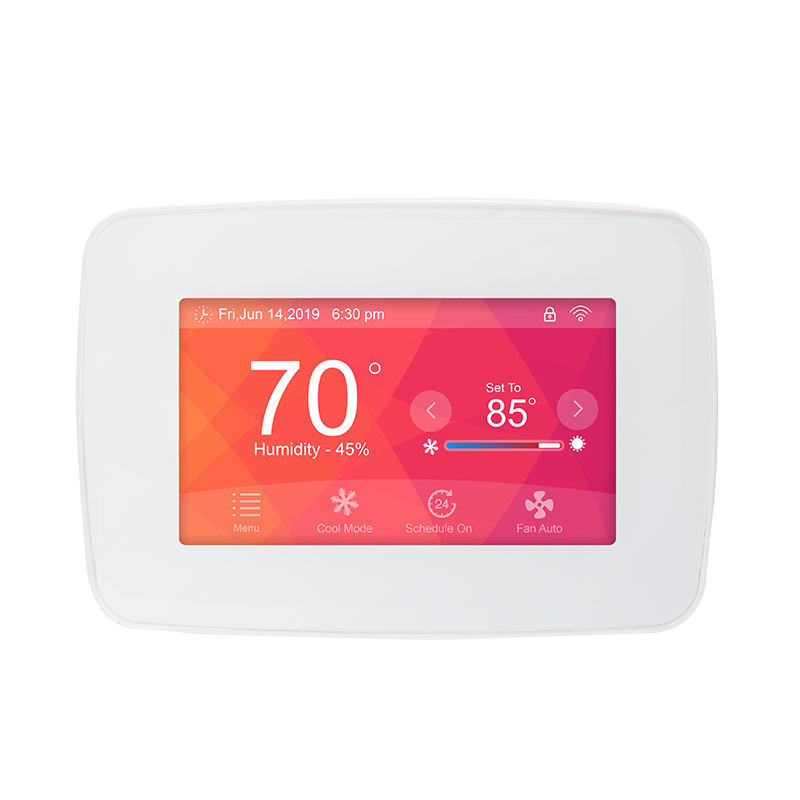
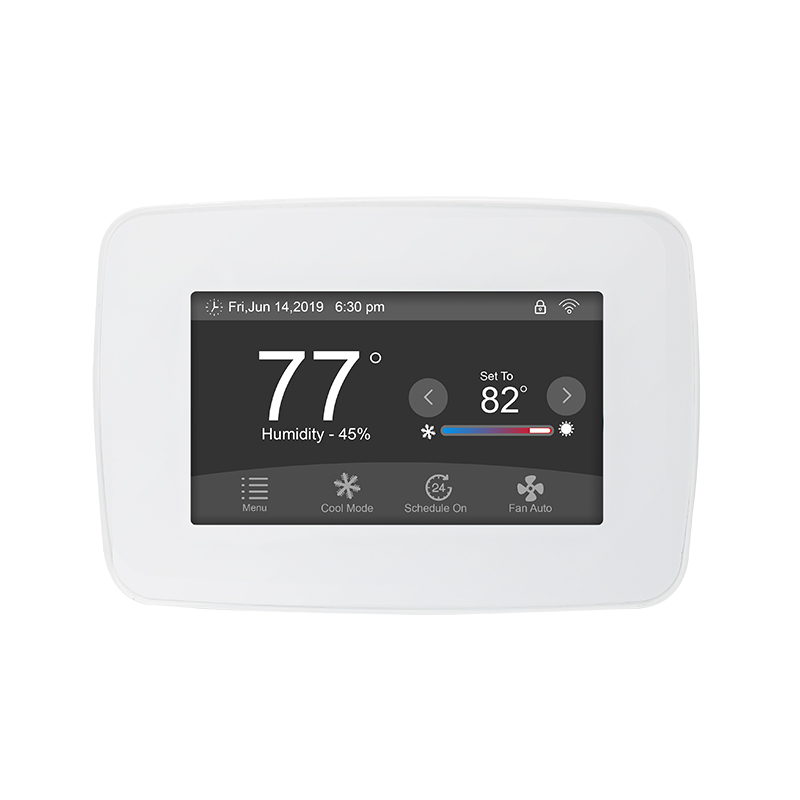
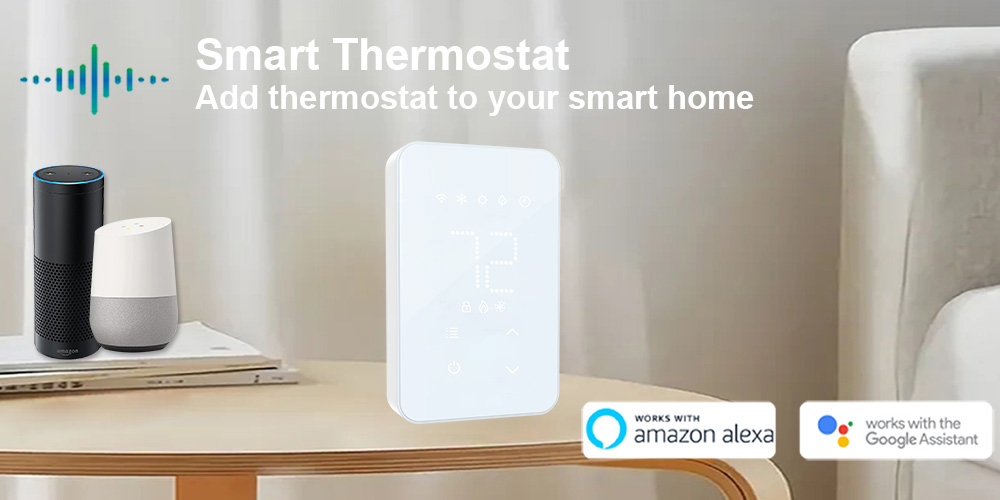
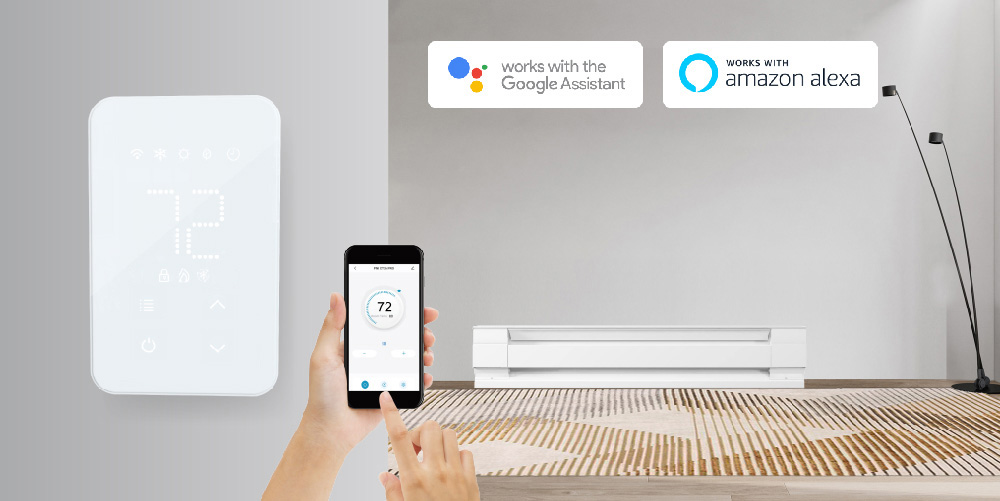
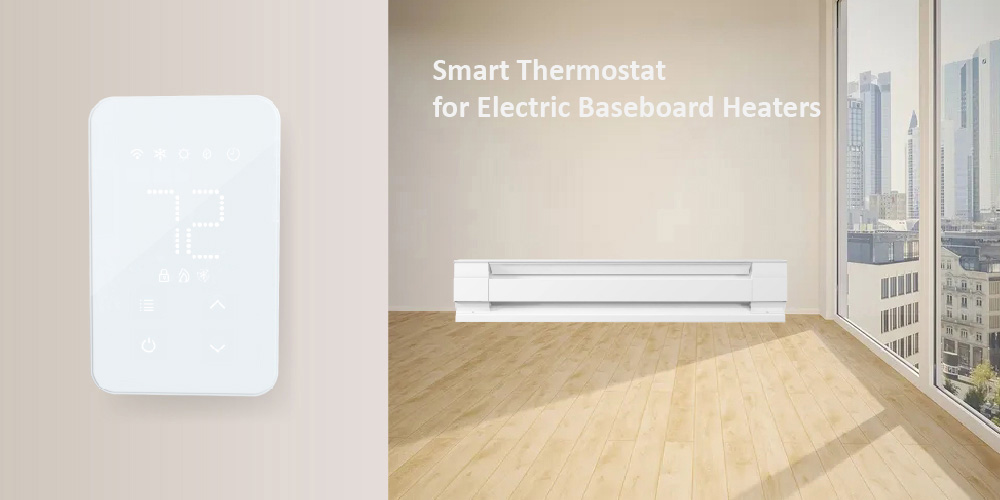
With the rise of smart homes, remote temperature control on plug-in thermostats has become a key feature for many households. Through smartphones, tablets, or voice assistants, users can adjust room temperature in real-time—whether at home, at work, or away—achieving both comfort and energy efficiency. This article explores the principles of remote temperature control, key features, user experience, and usage tips, helping users make the most of their plug-in thermostat.
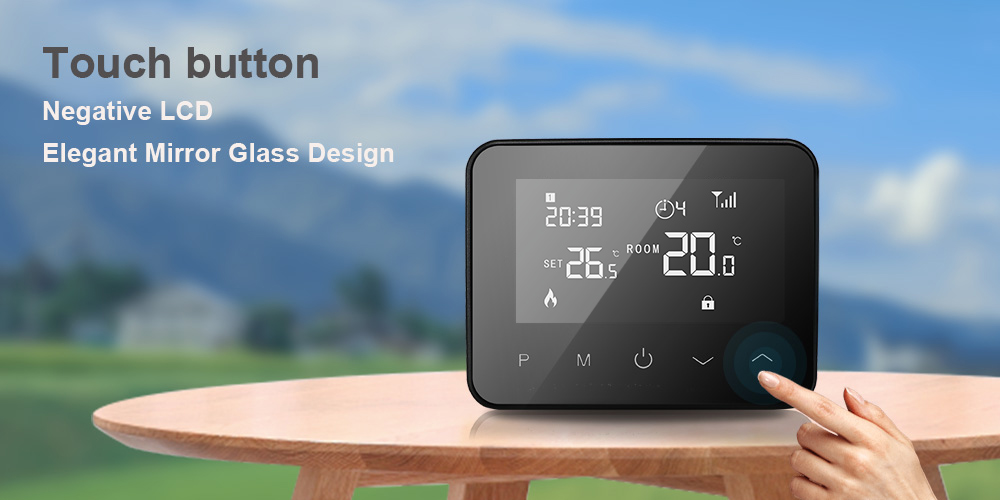
Technical Principles of Remote Temperature Control
Plug-in thermostats achieve remote control mainly through Wi-Fi or Bluetooth connectivity and interaction with a companion app or smart home platform. The basic mechanism includes:
Real-time temperature sensing
Built-in temperature sensors continuously monitor the environment and send data to the user’s smartphone or cloud platform.
Remote command execution
When users set a target temperature or mode via the app, the system sends instructions back to the thermostat, automatically adjusting the outlet’s power output to heat or cool the room.
Data feedback and optimization
The thermostat continuously reports real-time temperature and operational status. Some high-end models can even learn user routines and optimize temperature control automatically.
Through this system, users can precisely manage indoor temperature even when they are away from home.
Core Features and Use Cases
Remote temperature control offers convenience and energy-saving benefits:
Real-time adjustment
Users can adjust the temperature while at work, on business trips, or traveling, ensuring the home is comfortable upon arrival.
Scheduling and scene modes
Timers allow automatic adjustments for morning wake-up or nighttime sleep modes. Some thermostats can also link with smart lights or air conditioning to create full-home automation scenes.
Energy optimization
Users can reduce power consumption by lowering temperature or turning off the device while away, achieving energy efficiency without sacrificing comfort.
User Experience of Remote Temperature Control
In practice, plug-in thermostats with remote control provide several advantages:
Convenience
Adjusting the temperature is easy through a smartphone app or voice assistant, eliminating the need to manually operate the device.
Precise temperature control
Built-in sensors and algorithms maintain the room within the set range, ensuring comfort even when the user is away.
Smart alerts
Some devices send notifications if the temperature becomes too high or too low, helping users respond quickly and maintain safety and comfort.
Usage Precautions
To maximize the benefits of remote temperature control, users should consider:
Stable network connection
Remote control relies on Wi-Fi or mobile networks. Unstable connections may cause delayed or failed commands.
Device compatibility
Ensure the thermostat is compatible with the smartphone system, smart home platform, or voice assistant to avoid functional limitations.
Safety precautions
Plug-in devices should be placed safely, avoiding long-term covering or proximity to flammable materials. Ensure app and account security to prevent unauthorized access to remote control.
Conclusion
Overall, plug-in thermostats with remote temperature control combine comfort, convenience, and energy efficiency. Through Wi-Fi connectivity, smart apps, and voice assistants, users can manage home temperature anytime and anywhere, improving home environment management. For households seeking smarter living and energy optimization, remote control significantly enhances the practical value and user experience of plug-in thermostats.