
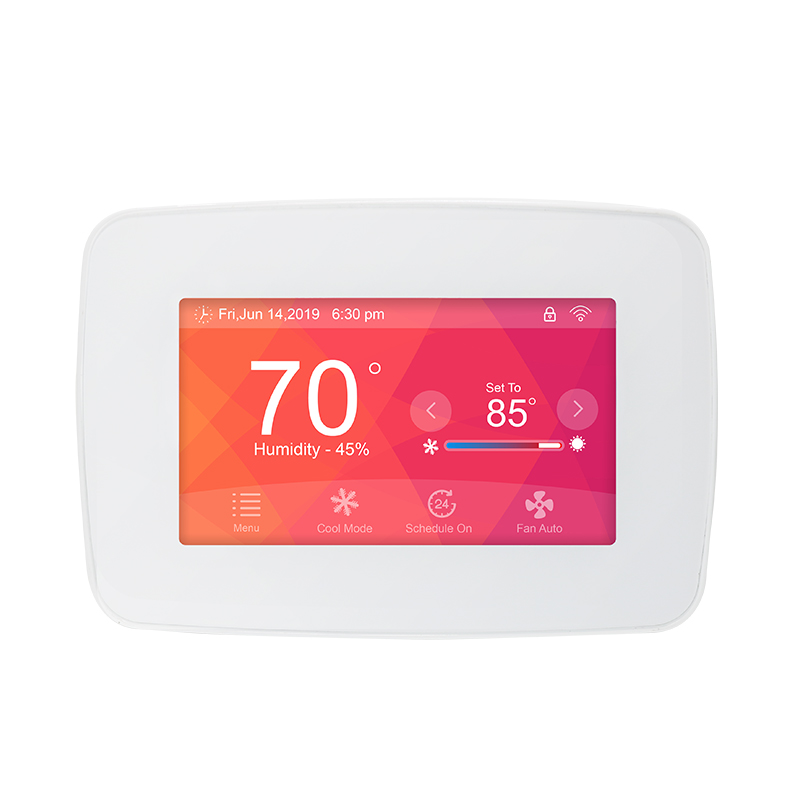
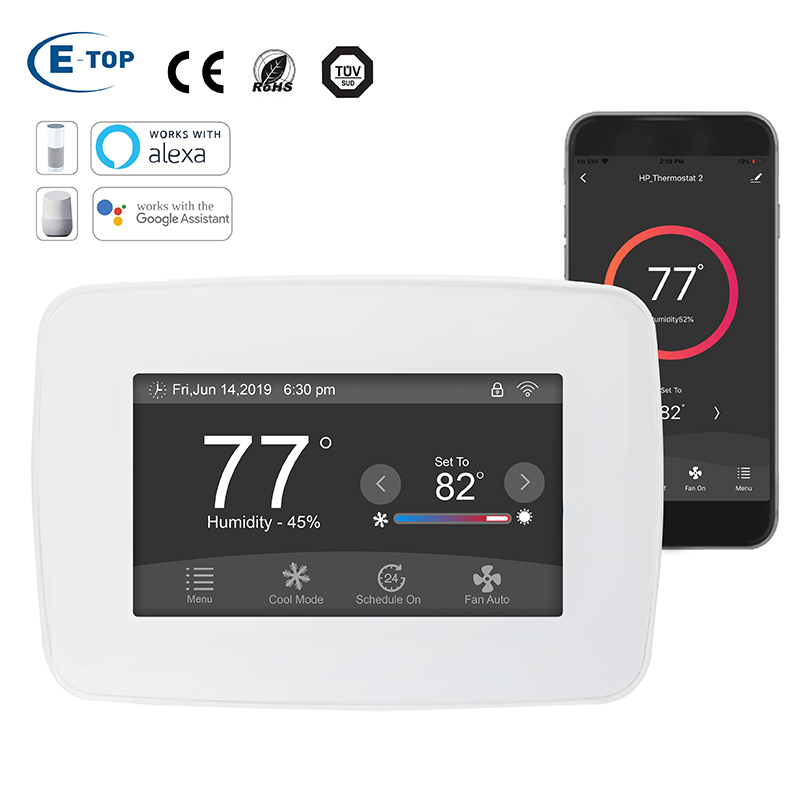
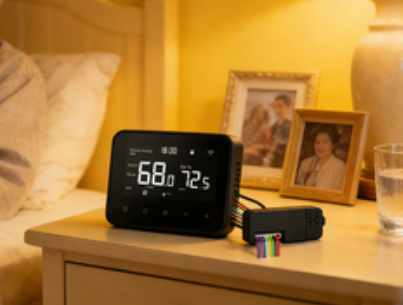
In daily life and commercial buildings, thermostats are indispensable components of air conditioning and heating systems. Although small in size, they directly determine indoor temperature comfort, equipment stability, and energy efficiency. Many people are familiar with traditional thermostats commonly found in homes, which only have simple temperature adjustment and on/off functions. However, in hotels, apartments, dormitories, and other similar settings, people are increasingly encountering another type of product—PTAC thermostats. Because the two look similar, many users easily confuse them, thinking they are just different names. In fact, they differ significantly in structural design, applicable systems, control methods, and usage scenarios. As air conditioning systems become more efficient and intelligent, thermostats are no longer just simple knobs or panels, but are gradually becoming the “control center” of the entire system. PTAC thermostats are control devices specifically developed to adapt to complete terminal air conditioning systems, offering richer functions, stronger compatibility, and being more suitable for centralized management environments.
System Compatibility of PTAC and Traditional Thermostats
The most obvious difference between PTAC and traditional thermostats lies in the air conditioning systems they are designed for. Traditional thermostats are mostly used in residential central air conditioning systems, wall-mounted boilers, or single cooling/heating units. Their control logic is relatively simple, primarily serving a single household space. PTAC thermostats, on the other hand, are specifically designed for PTAC (Package-Based Air Conditioning) systems. These systems are typically installed in each individual room, with each room having its own unit and independent control. PTAC thermostats need to directly interact with the unit to perform multiple operations, including cooling, heating, fan control, and mode switching, making their design more targeted and specialized.
Differences in Control Functions
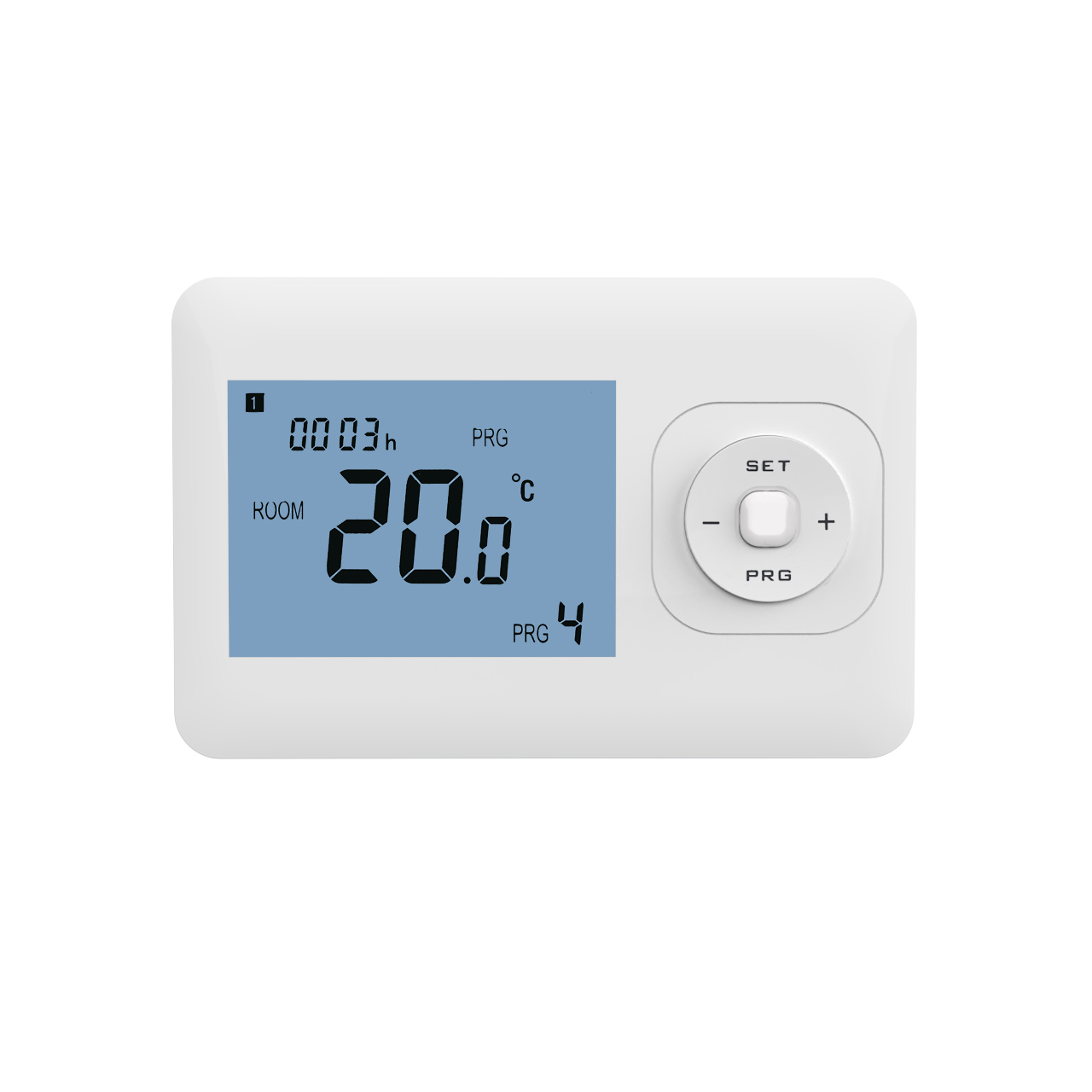
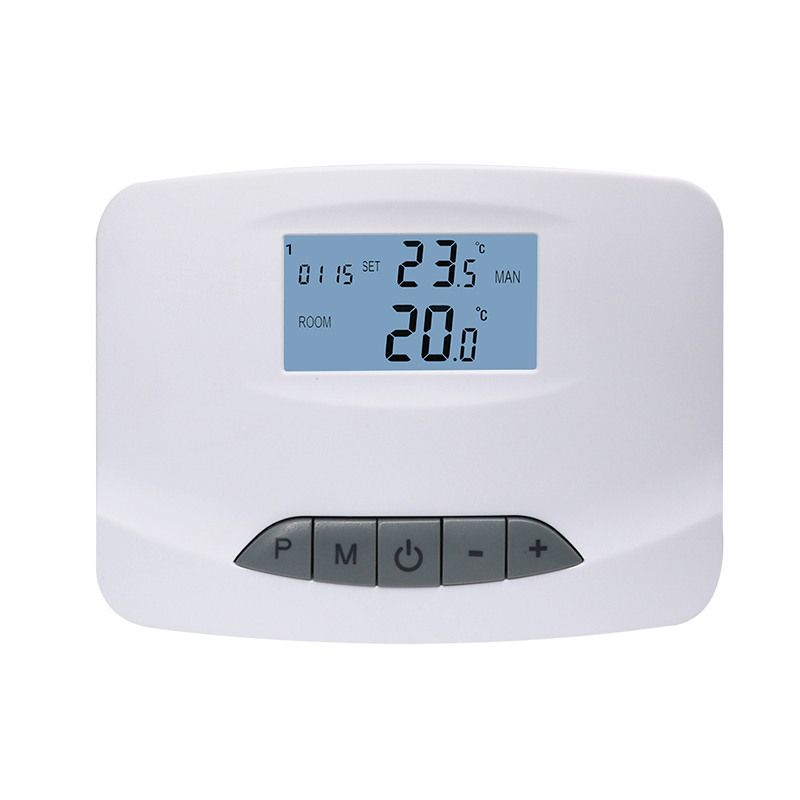
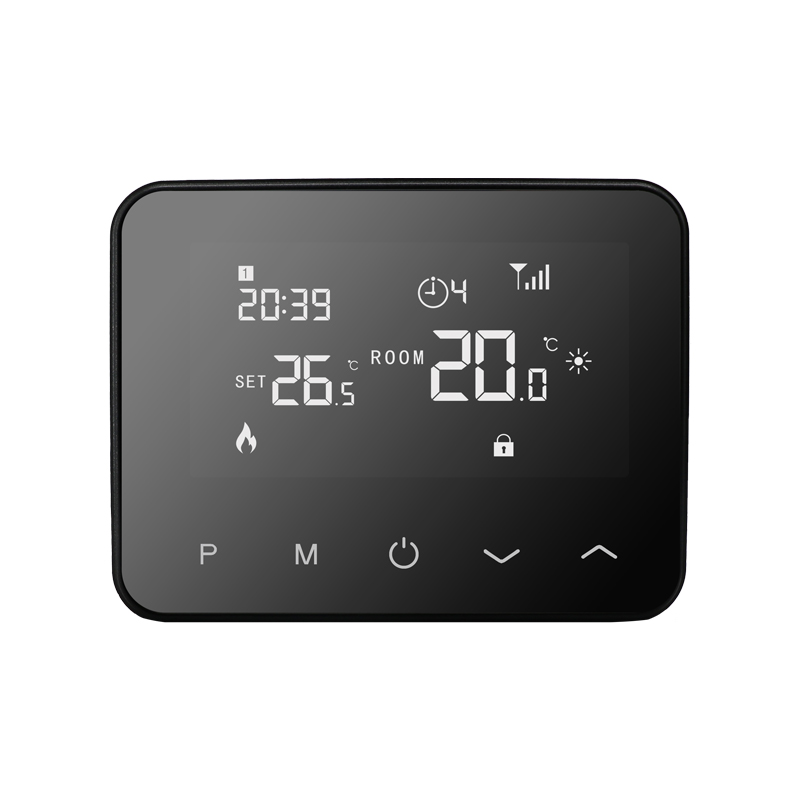
Functionally, traditional thermostats typically only offer basic controls, such as setting the temperature, turning the device on or off, and some models support simple mode switching. Their overall functionality is limited, making them suitable for home environments with less demanding control requirements. PTAC thermostats, however, often possess more comprehensive control capabilities. For example, it supports multi-level heating and cooling control, automatically selecting different operating levels based on temperature differences; it supports heat pump system control and auxiliary heating device management; and it can also adjust fan speed and ventilation modes. This more precise control method makes indoor temperature changes more stable and also helps save energy.
Different Installation and Power Supply Methods
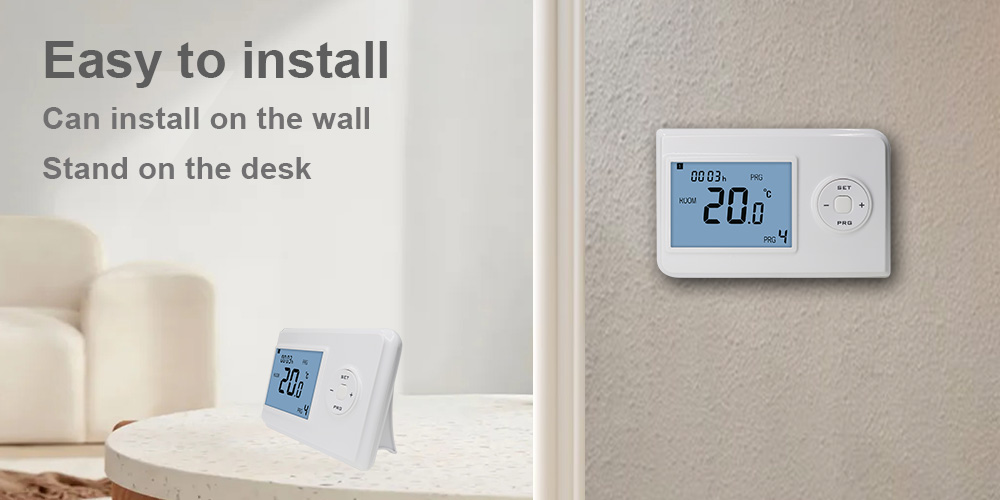
Traditional thermostats often use simple wiring methods, some models even using battery power, making installation relatively easy and suitable for home environments. PTAC thermostats, on the other hand, emphasize stability and long-term operating capability, and usually require a fixed power supply, such as continuous power from a C-line. This method ensures long-term stable operation of the thermostat and avoids system operation being affected by insufficient power or power interruption. At the same time, PTAC thermostats are more standardized in wiring standards and interface design to adapt to commercial or centralized installation scenarios.
Different Application Scenarios for the Two Types of Thermostats
The application environments of the two types of thermostats also differ significantly. Traditional thermostats are mainly aimed at home users, emphasizing simplicity and ease of use, and usually only need to meet the comfort needs of a single family. PTAC thermostats are more commonly used in hotels, student dormitories, apartments, hospitals, and other similar locations. These environments often have numerous rooms and devices, requiring unified management and high-frequency use. Therefore, PTAC thermostats demand higher standards in durability, prevention of misoperation, and management functionality. For example, they can limit temperature ranges to prevent energy waste and facilitate unified adjustments by maintenance personnel.
Differences in Intelligence and Management Capabilities
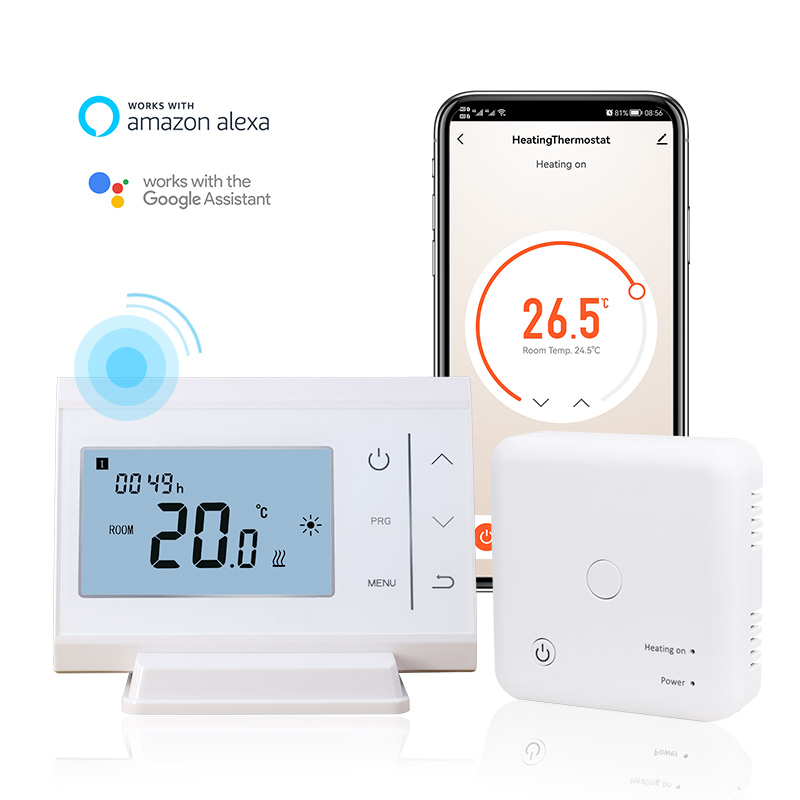
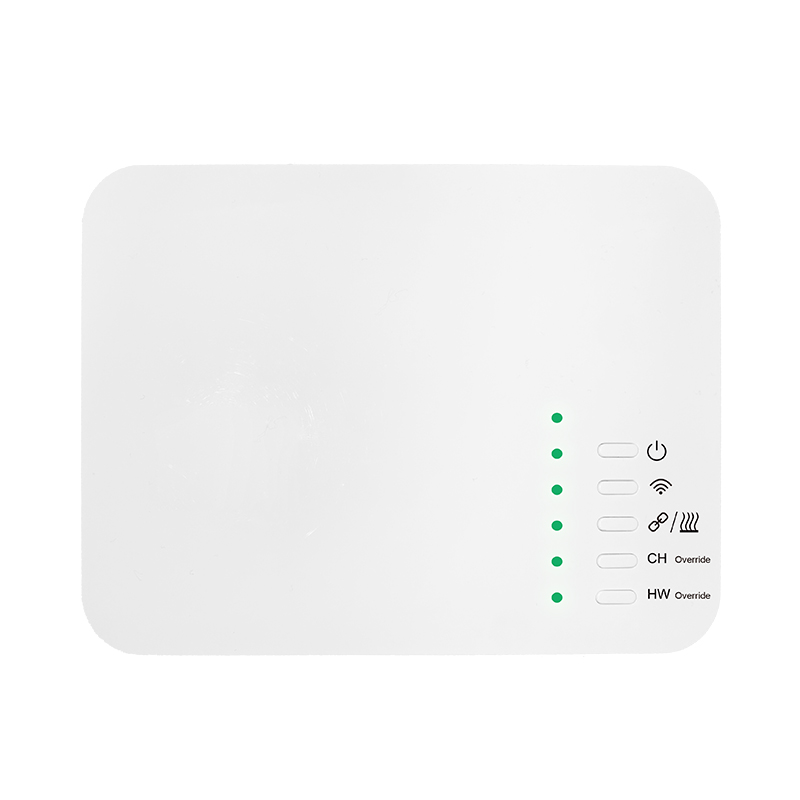
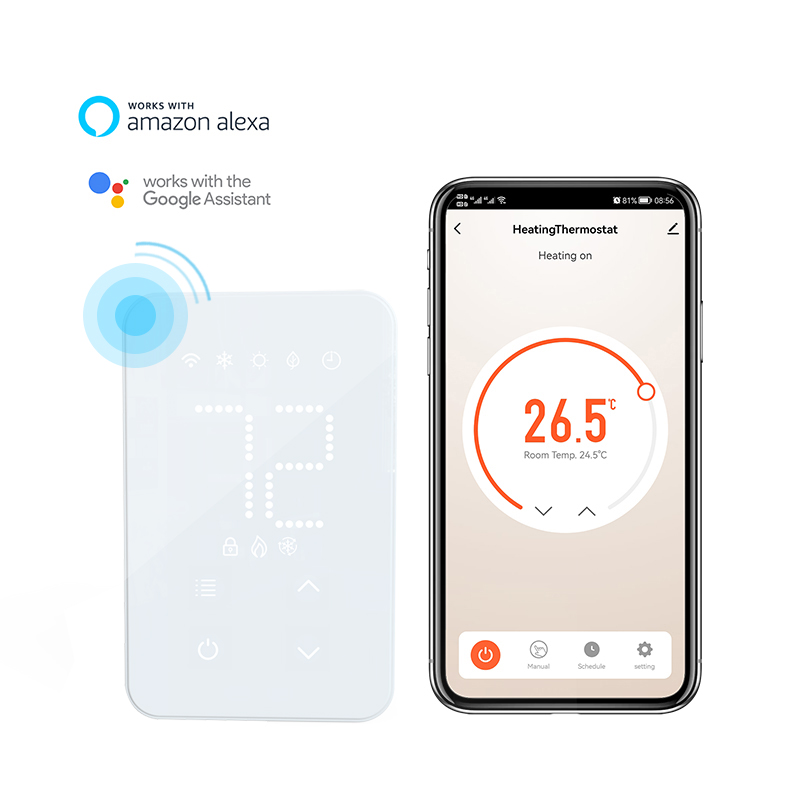
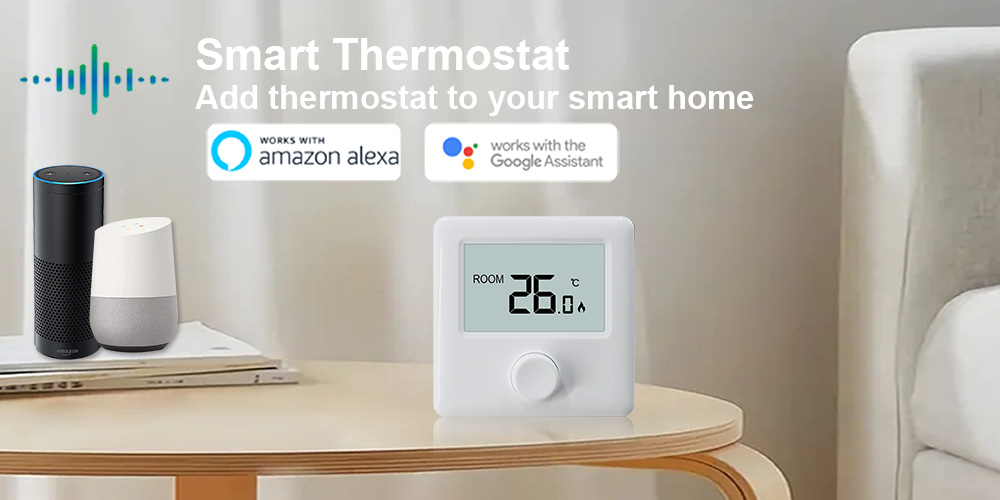
With technological advancements, many PTAC thermostats have incorporated intelligent features such as Wi-Fi connectivity, remote control, and voice assistant support. Users can view and adjust temperatures via mobile phones or management platforms, achieving centralized management and remote operation. This is highly practical for locations requiring simultaneous management of multiple rooms. In contrast, while traditional thermostats are also evolving towards intelligence, their overall adoption and management capabilities remain geared towards individual use, with less emphasis on centralized control of multiple devices. Therefore, PTAC thermostats have a greater advantage in large-scale application scenarios.
Although both PTAC and traditional thermostats perform the basic task of temperature regulation, they differ significantly in applicable systems, functional configurations, installation methods, usage scenarios, and levels of intelligence. Traditional thermostats emphasize simplicity and basic control, making them suitable for everyday household use; while PTAC thermostats focus more on professionalism, stability, and centralized management capabilities, meeting the complex needs of multi-room, multi-device environments.