






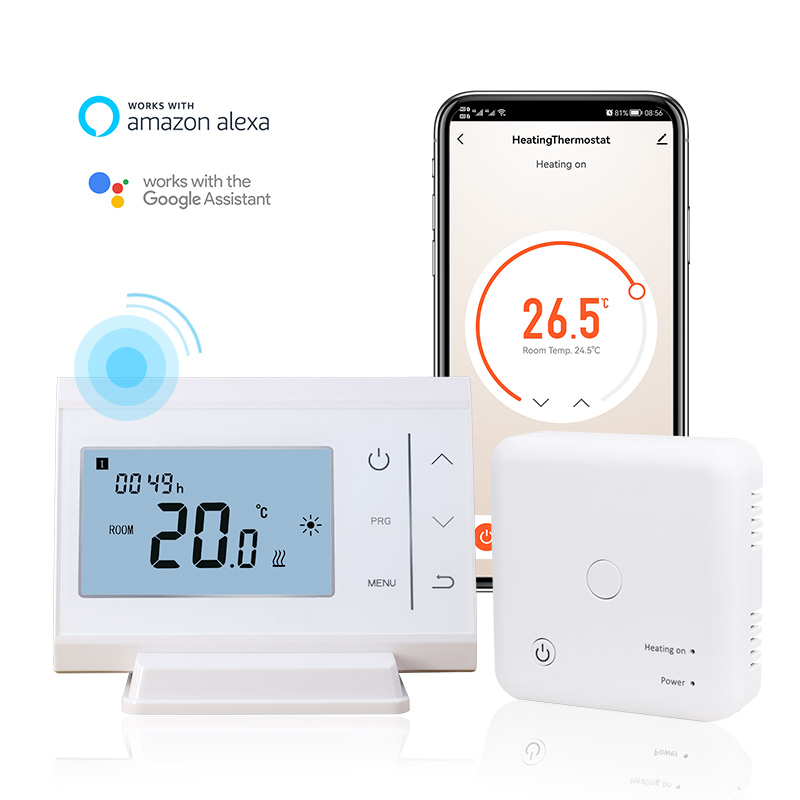
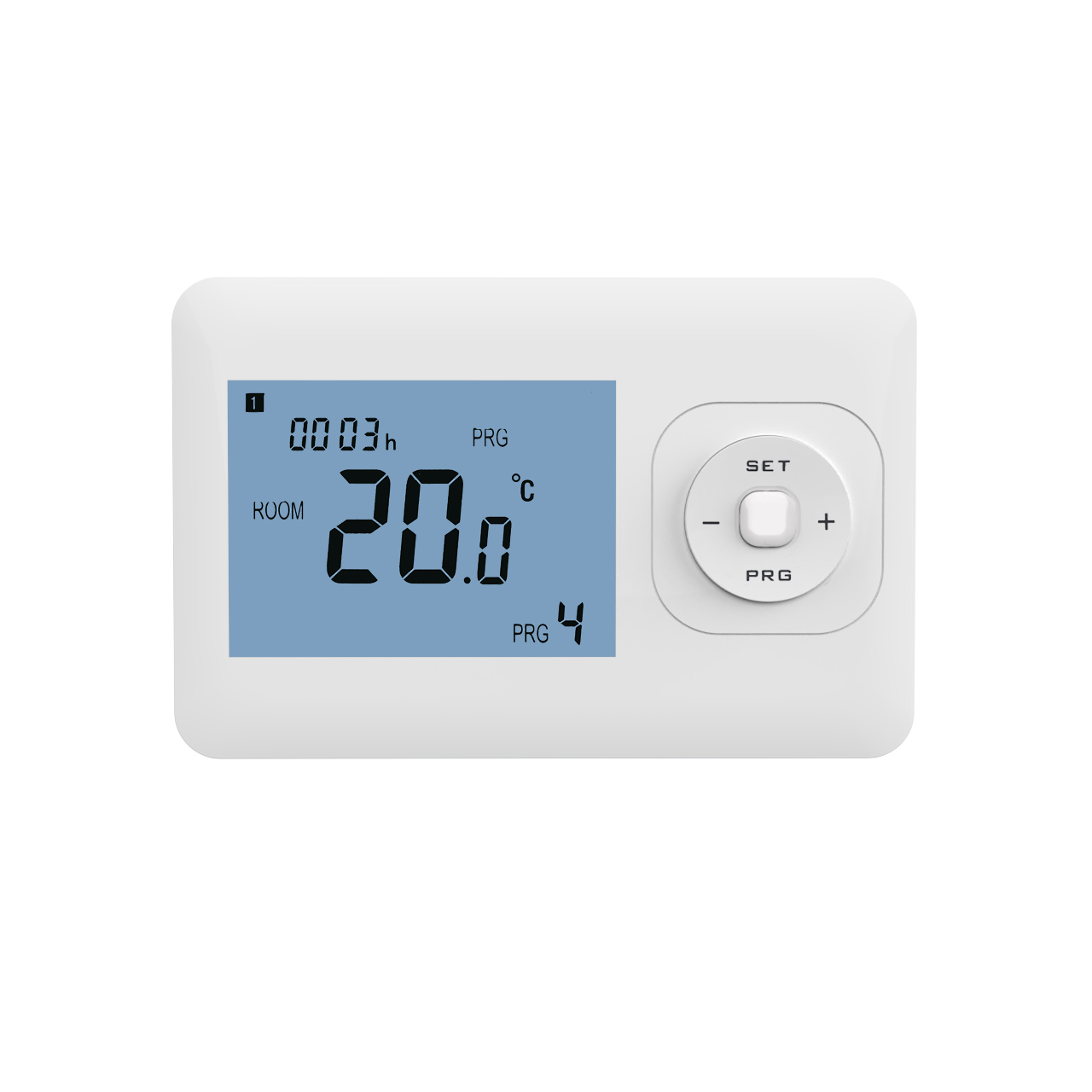
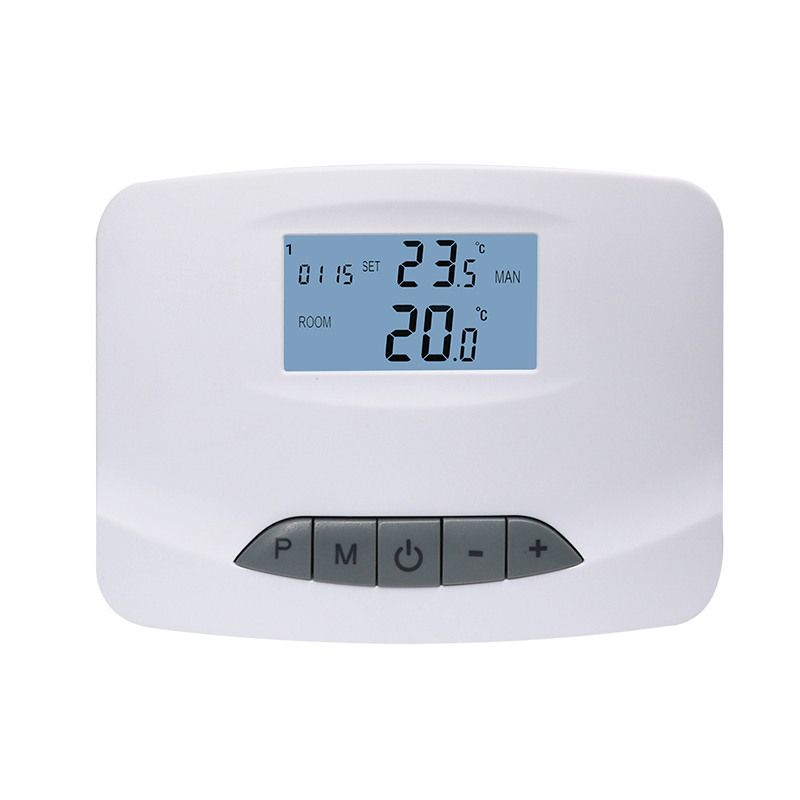
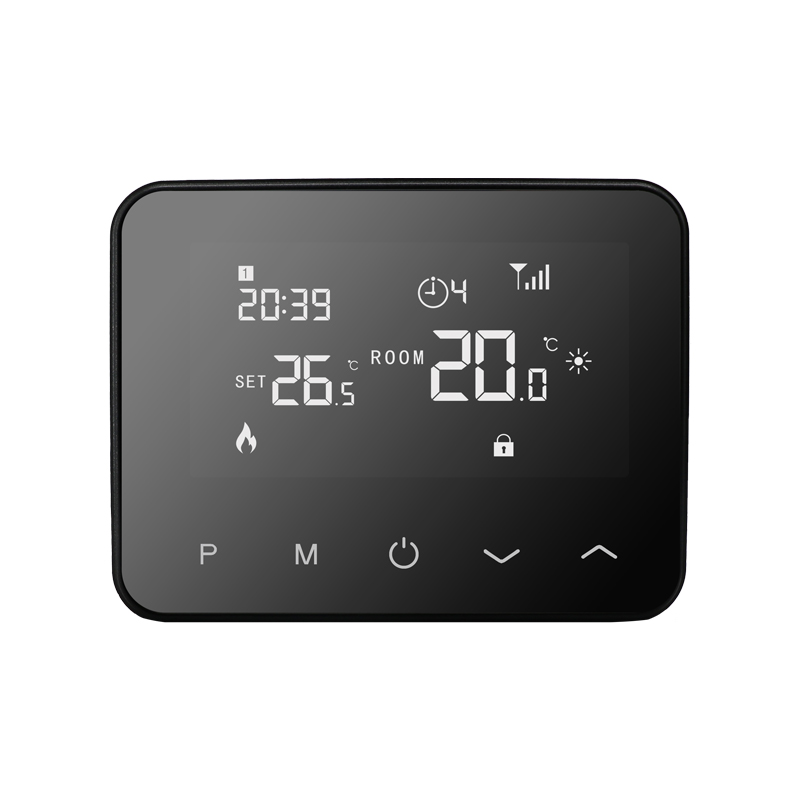
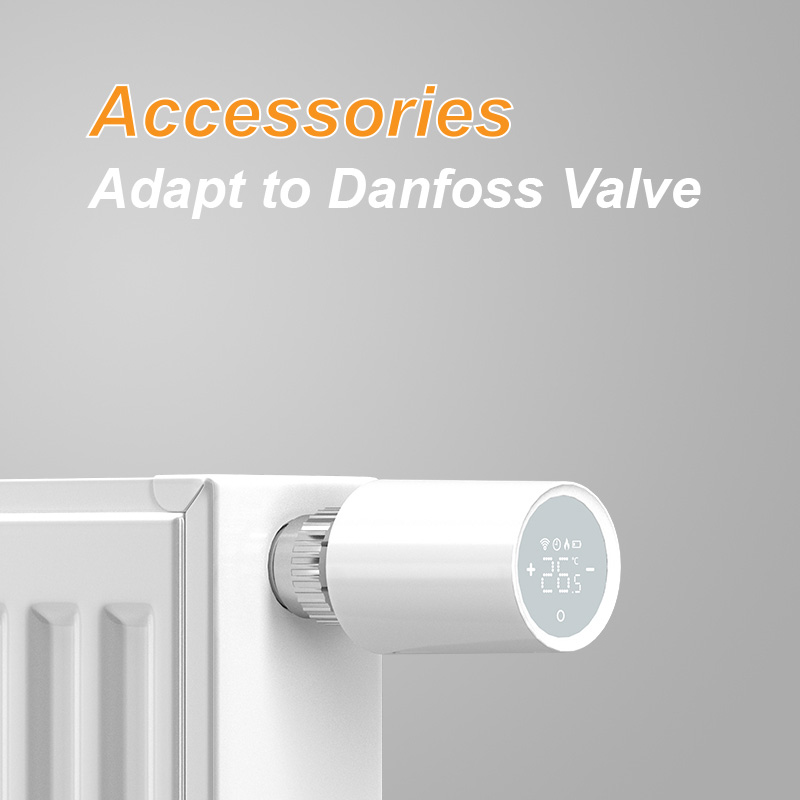
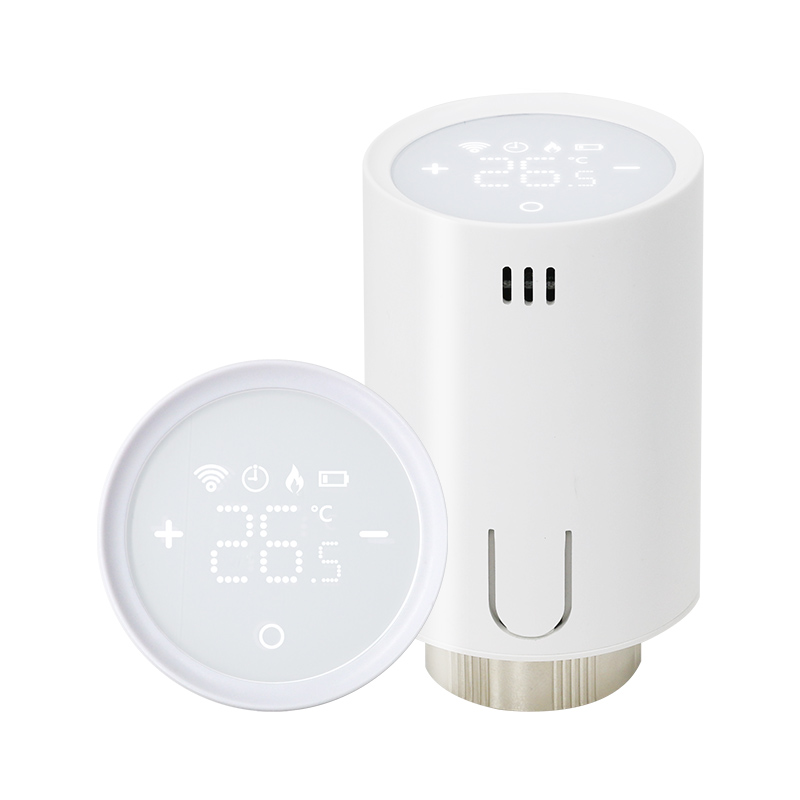
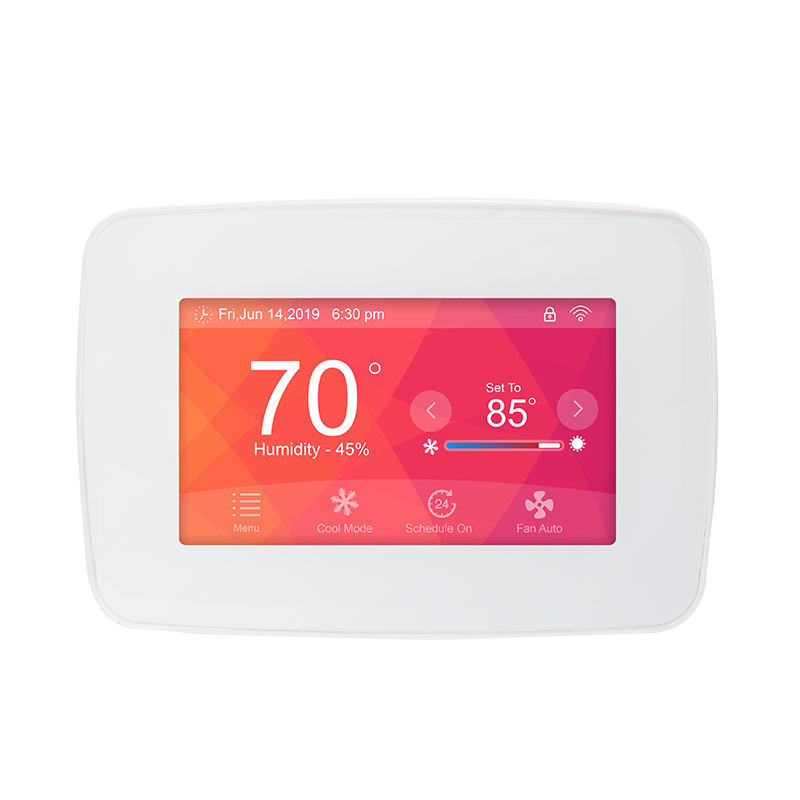
Thermostats play a central role in temperature control for both residential and commercial spaces. As usage scenarios continue to diversify, plug-in thermostats and wall-mounted thermostats have become two common options. While both serve the same basic purpose of regulating temperature, they differ significantly in installation, application scenarios, and control methods. Understanding these differences helps users choose the most suitable solution for their needs.

Differences in Installation
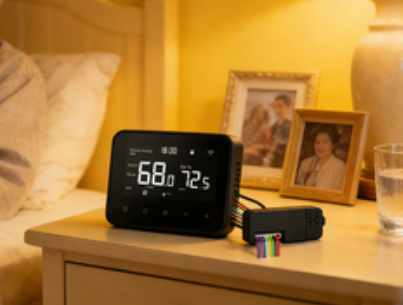
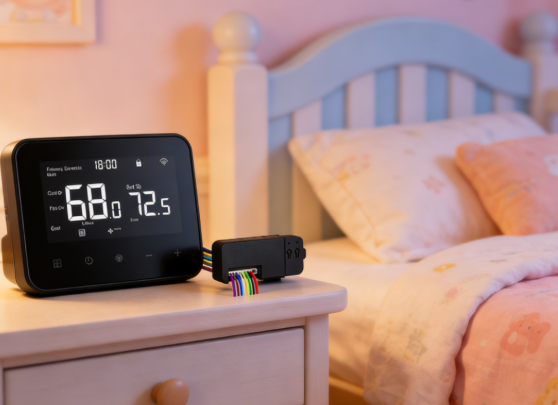
One of the most notable advantages of plug-in thermostats is their simple installation. They operate through standard electrical outlets and can be used by simply plugging the thermostat into an outlet and connecting the controlled device. No wall modification, wiring, or system changes are required, making them easy to deploy in a wide range of environments.
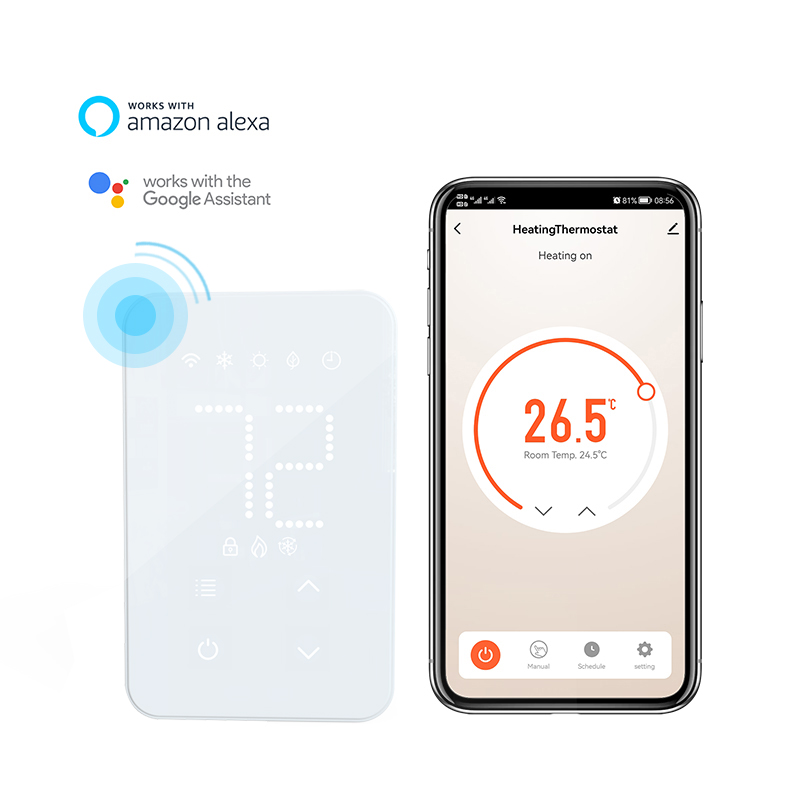
Wall-mounted thermostats, by contrast, must be fixed to a wall and connected directly to heating or cooling systems. Installation often involves wiring, electrical work, and system calibration, which typically requires professional expertise.
Differences in Application Scenarios
Plug-in thermostats are better suited for independent temperature control in specific spaces, such as bedrooms, home offices, or small work areas. Users can adjust temperatures based on actual room usage, allowing for more targeted control and reduced energy waste.
Wall-mounted thermostats are more commonly used in whole-home or centralized systems. They are designed to manage temperature across an entire residence or commercial building, making them suitable for environments that require unified temperature regulation.
Differences in Control Logic and Operation
In terms of operating principles, plug-in thermostats regulate temperature primarily by controlling the power supply to connected devices. When the ambient temperature deviates from the preset range, the thermostat switches the device on or off accordingly. This straightforward approach works well with standalone heating or cooling equipment.
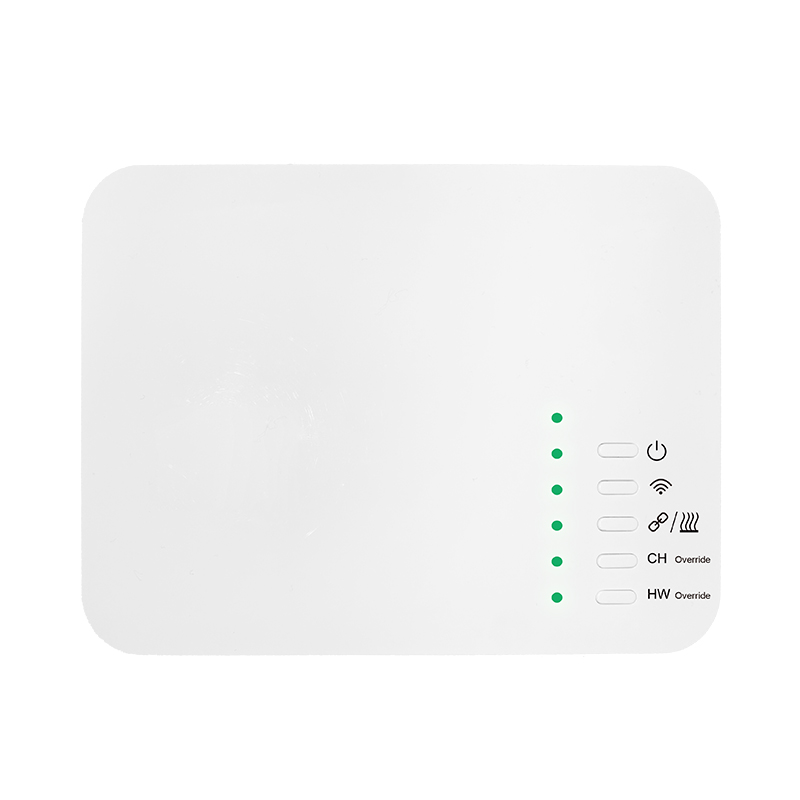
Wall-mounted thermostats typically communicate with HVAC systems through control signals. They may regulate valves, fans, compressors, or other system components, allowing for more complex control strategies and multi-stage operation.
Flexibility and Mobility
Plug-in thermostats offer greater flexibility and portability. Users can easily relocate them as needed, as long as a power outlet is available. This makes them especially practical for households with changing layouts or temporary living arrangements.
Wall-mounted thermostats are fixed in place once installed. While this contributes to system stability, it limits flexibility and makes repositioning more difficult.
Cost and Maintenance Considerations
From a cost perspective, plug-in thermostats generally require lower upfront investment. Installation costs are minimal, and ongoing maintenance is relatively straightforward.
Wall-mounted thermostats may involve higher installation costs and, in some cases, professional servicing for maintenance or system upgrades. As a result, they typically require more long-term planning.
Differences in User Experience
Plug-in thermostats emphasize convenience and quick deployment, making them suitable for users seeking an easy way to improve localized temperature control. Wall-mounted thermostats, on the other hand, focus on system-level management and are better suited for users with comprehensive temperature control requirements.
Conclusion
In summary, plug-in thermostats and wall-mounted thermostats are designed to meet different needs rather than competing as superior or inferior options. Plug-in thermostats prioritize flexibility and localized control, while wall-mounted thermostats focus on stability and centralized management. Choosing the right option depends on the specific living environment, equipment type, and temperature control goals.