
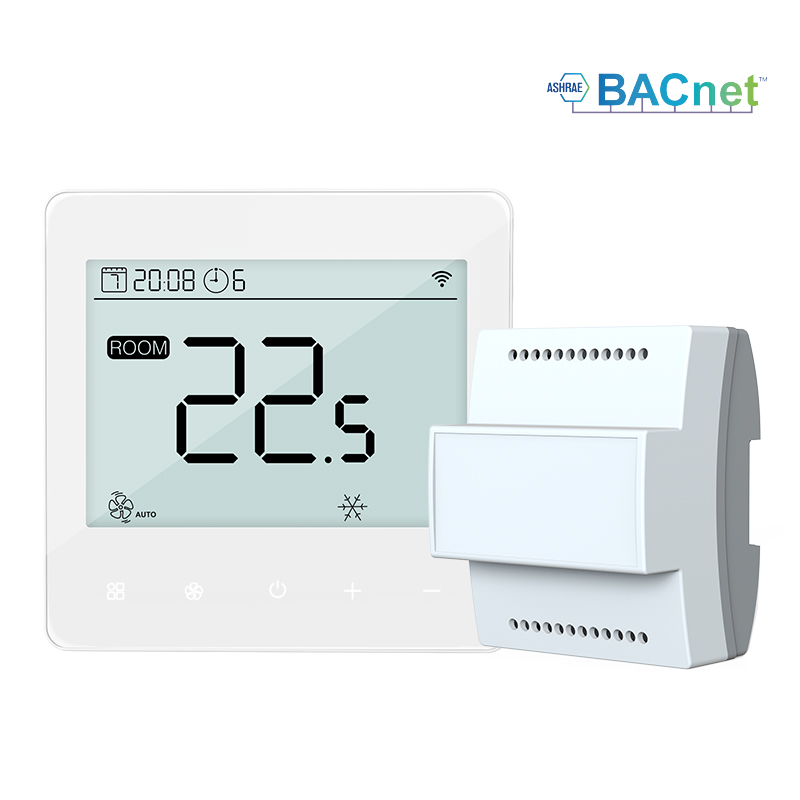
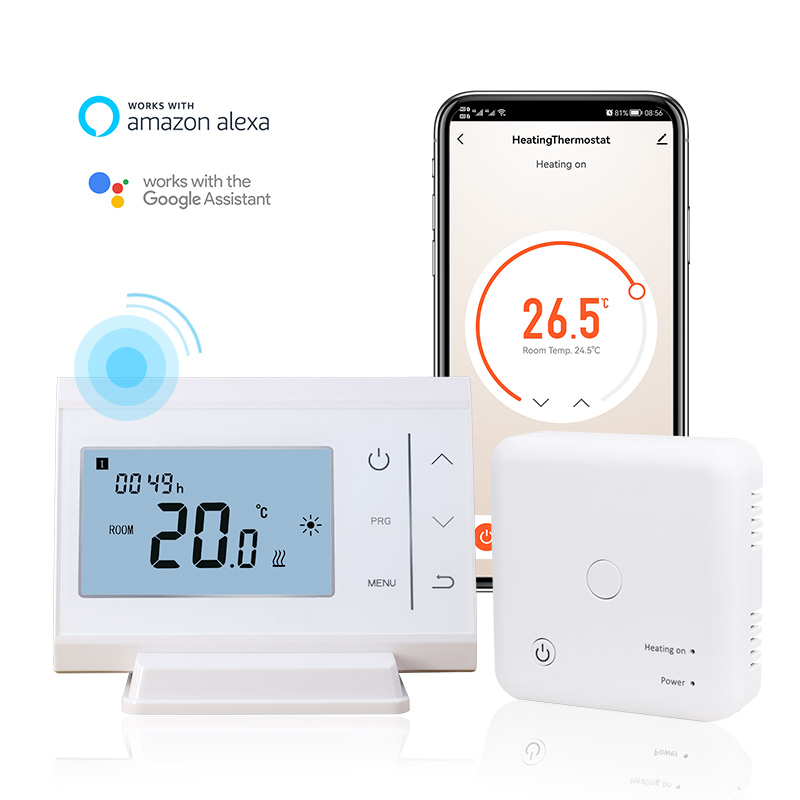
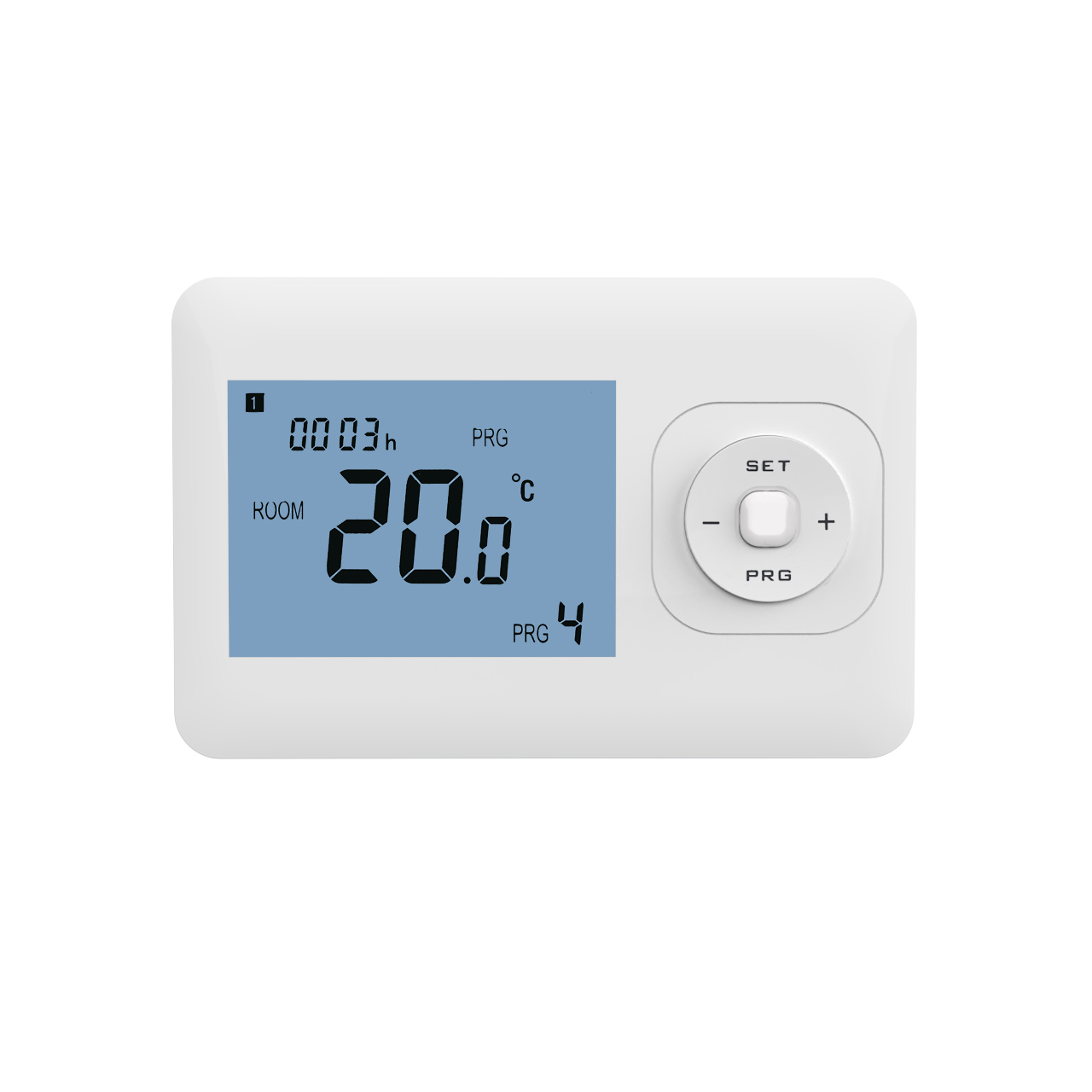
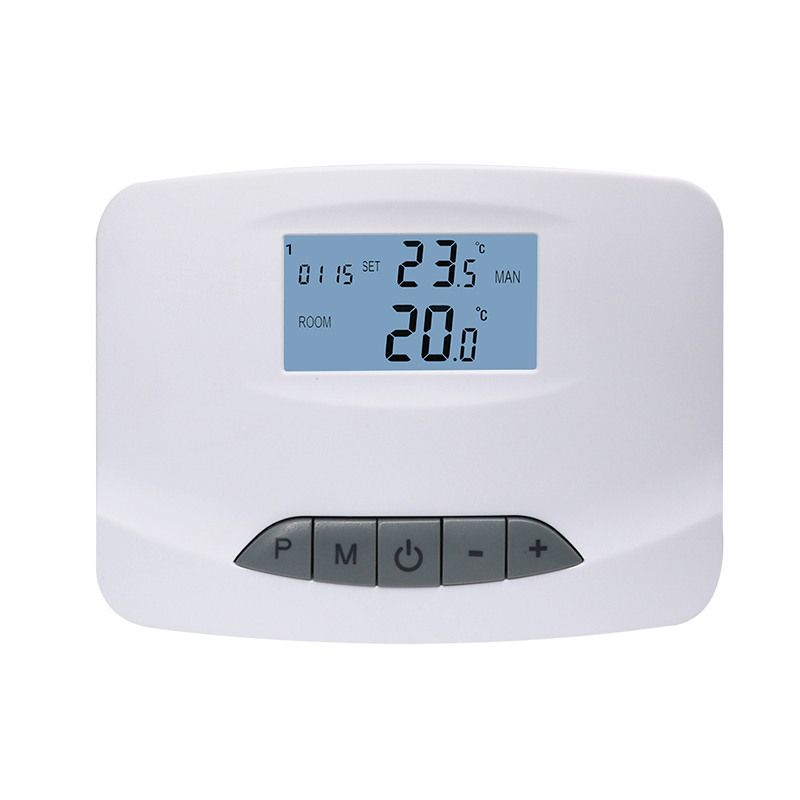
With increasing demands for comfort and energy management in homes, many old electric floor heating thermostats have become outdated and inconvenient. Traditional thermostats often only allow manual temperature adjustment and lack smart control, scheduling functions, and energy-saving optimization. This article provides a comprehensive guide for upgrading old electric floor heating thermostats, covering the necessity of upgrading, selection tips, installation precautions, and smart home integration, helping homeowners improve comfort and energy efficiency.
Why Upgrade an Old Thermostat
Old thermostats typically have several limitations:
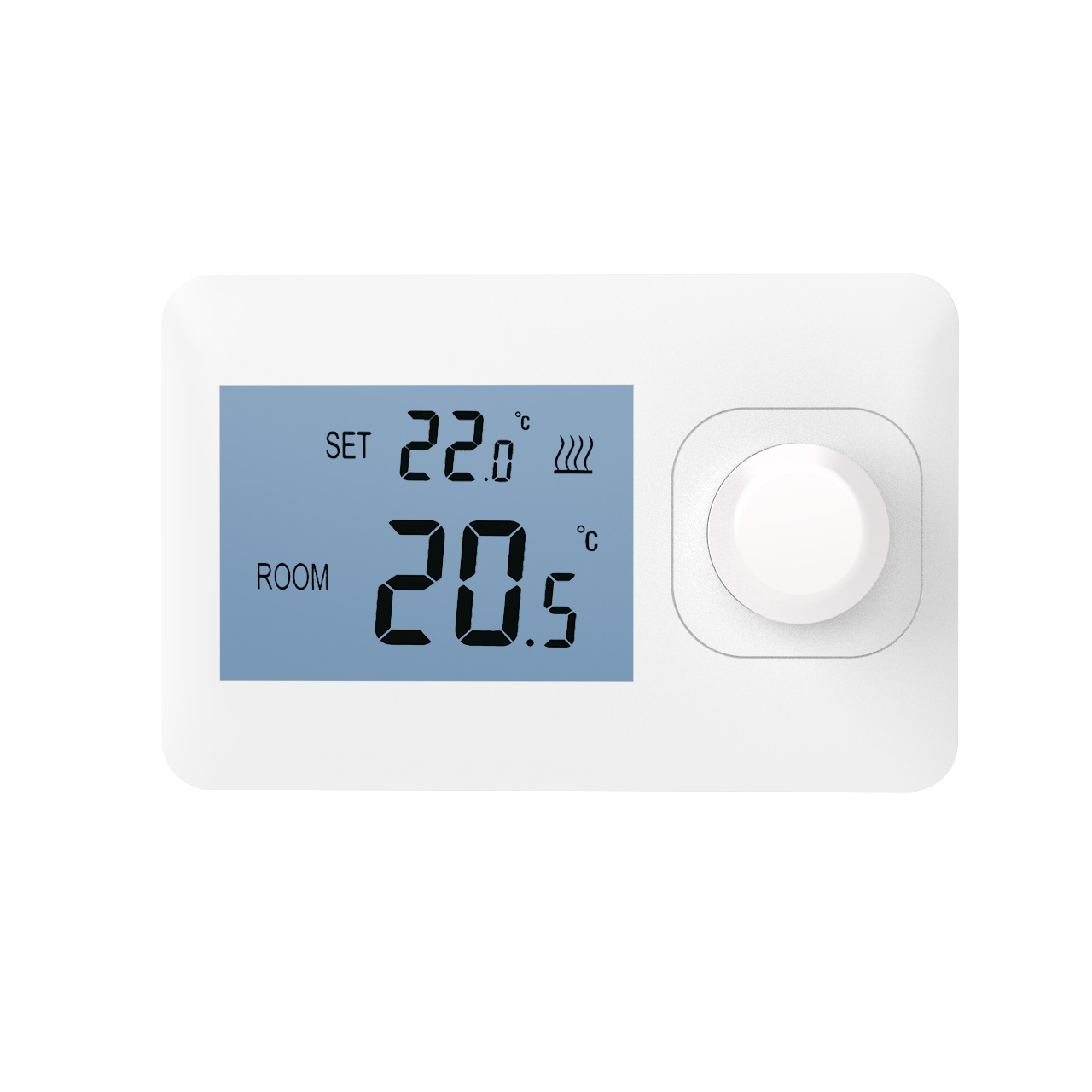
Limited functionality: Only supports manual temperature adjustment, lacking scheduling or remote control
Low temperature accuracy: Can cause significant indoor temperature fluctuations or energy waste
Poor compatibility: Cannot integrate with smart home systems or modern heating equipment
Safety risks: Aging wiring or poor contacts may lead to electrical hazards
Upgrading to a modern thermostat not only enhances usability but also optimizes energy consumption and improves home safety.
Choosing the Right New Thermostat
When selecting a new thermostat, consider the following:
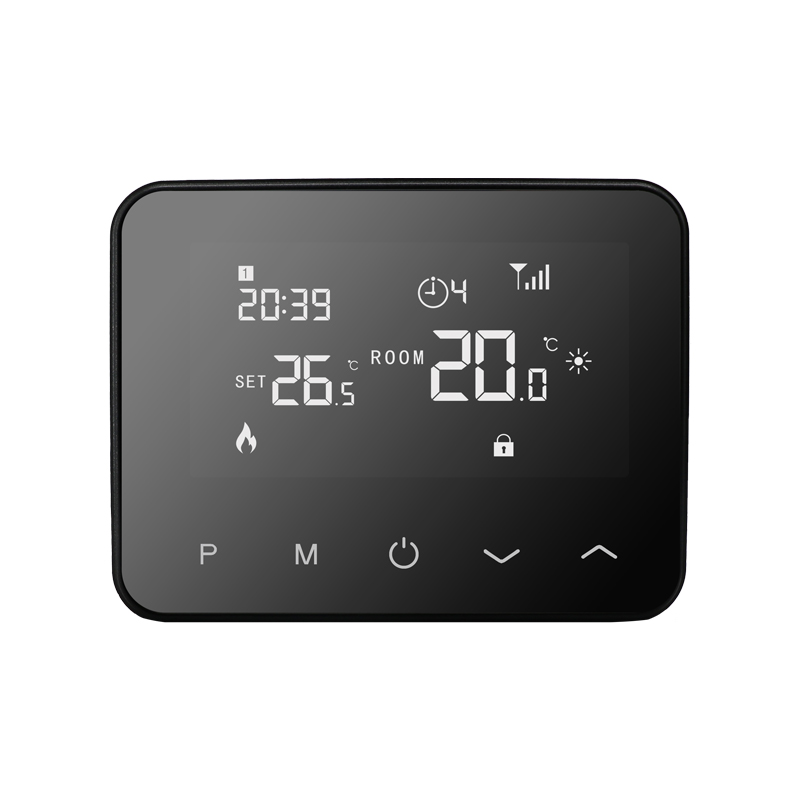
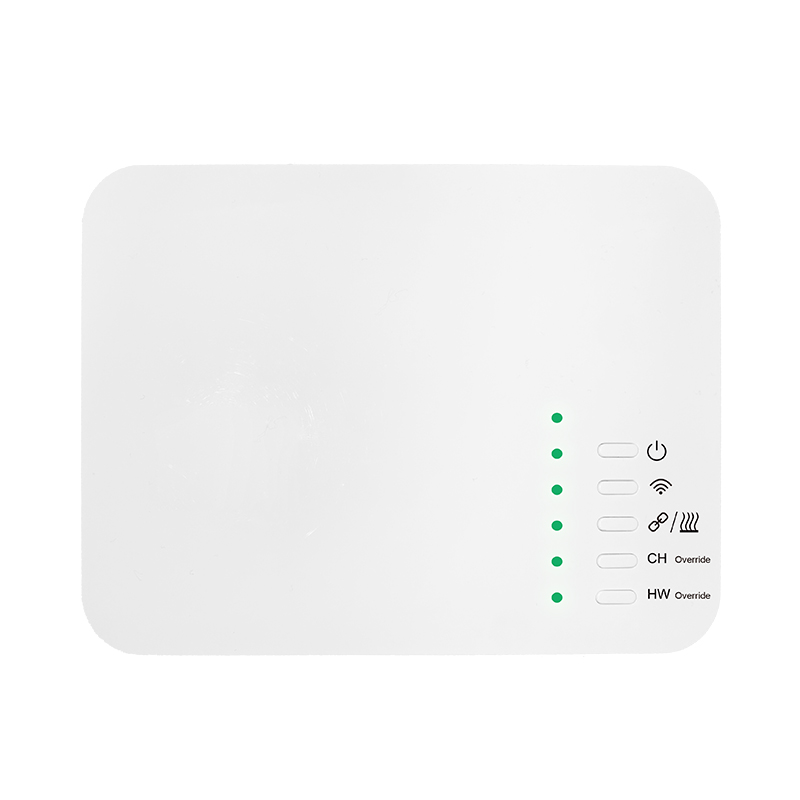
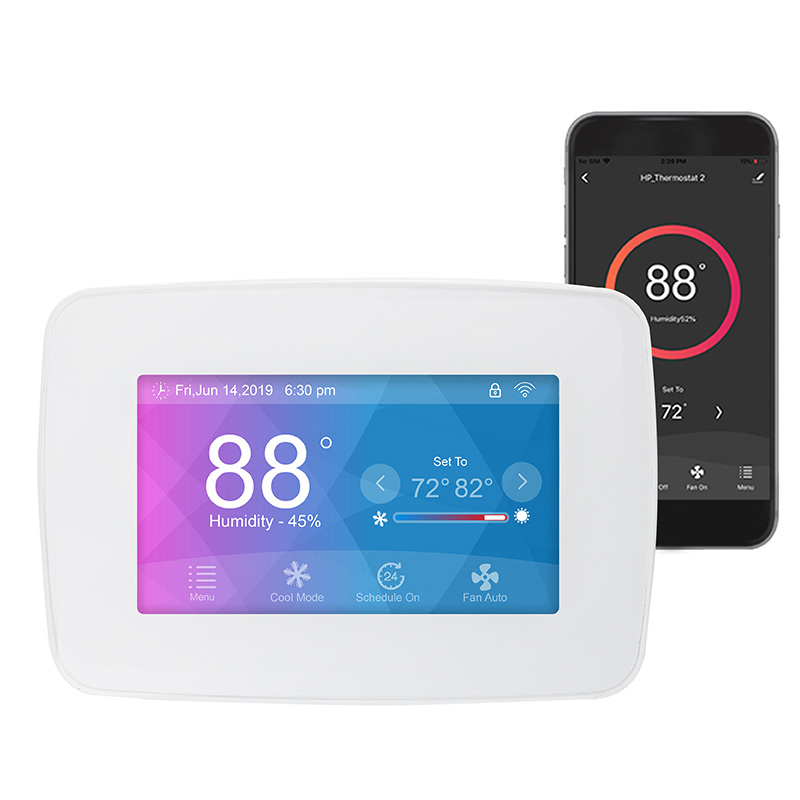
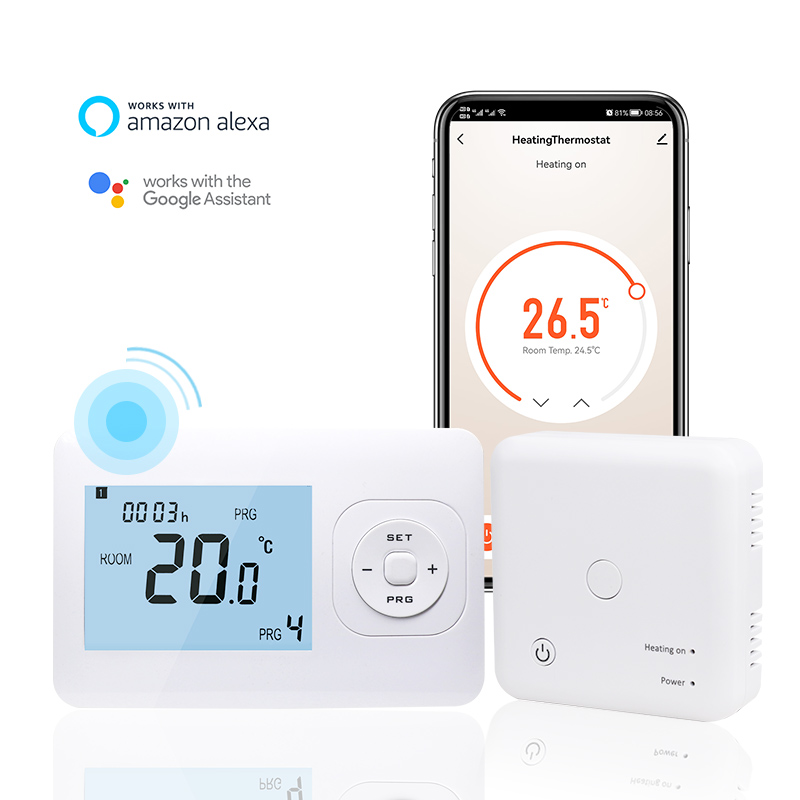
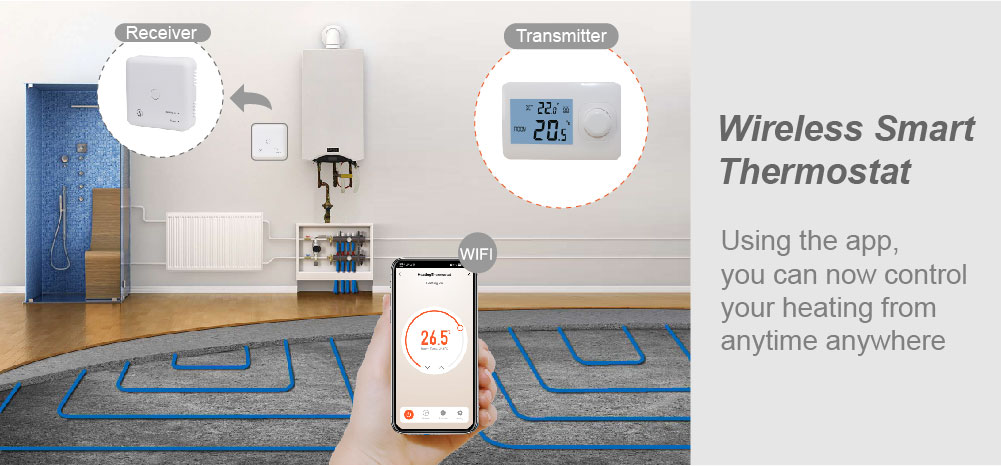
Smart control support: Wi-Fi, Zigbee, or Bluetooth thermostats allow remote adjustments and automated scene integration
Temperature accuracy and response speed: Ensure stable and quick temperature control
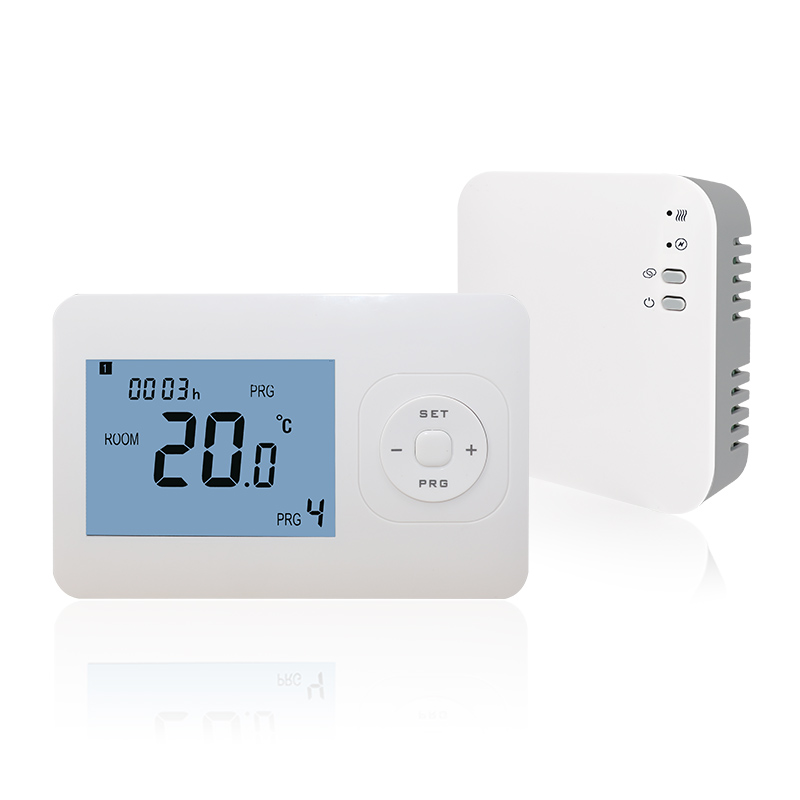
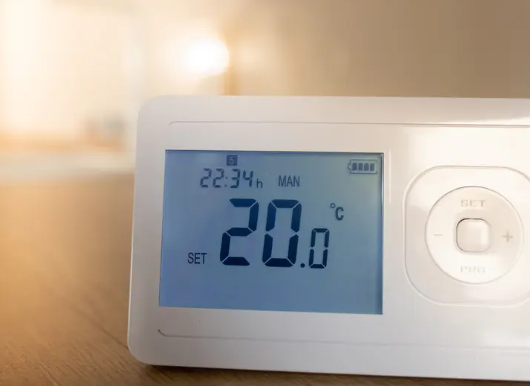
User-friendly interface: LCD display or touch panel for easy monitoring and adjustment
Compatibility: Must match existing floor heating wiring and power requirements
Energy-saving features: Scheduling, temperature curve control, or learning modes to reduce electricity usage
Choosing a thermostat that balances safety, functionality, and energy efficiency can significantly improve the heating experience.
Installation and Safety Considerations
Replacing a thermostat involves electrical work and must follow safety regulations:
Power off
Always cut off power before installation or removal to avoid electric shock or short circuits.
Correct wiring
Follow the new thermostat’s manual to ensure proper connection of live, neutral, and load wires to prevent damage.
Placement
Install away from direct sunlight, heat sources, and damp areas, while ensuring easy access and accurate temperature sensing.
Testing and calibration
After installation, run the system in manual mode first to verify proper floor heating control before configuring smart features.
Smart Home Integration and Optimization
Modern smart thermostats can integrate with home automation systems to provide convenience and energy savings:
Remote control: Adjust temperature via smartphone apps from anywhere
Scheduling and temperature curves: Automatically adjust temperature based on daily routines for comfort and energy efficiency
Scene automation: Link with door/window sensors, HVAC systems, or voice assistants for whole-home automation
Energy monitoring: Track floor heating energy usage to optimize heating plans
Smart integration allows homeowners to enjoy comfort while reducing electricity costs.
Conclusion
Upgrading an old electric floor heating thermostat improves temperature control precision and comfort while enabling smart home integration and energy management. Key steps include evaluating the need for an upgrade, selecting a suitable thermostat, following safe installation practices, testing and calibration, and utilizing smart features. Following this guide, homeowners can easily achieve a smart floor heating upgrade and enjoy a more comfortable, safe, and energy-efficient heating experience.