
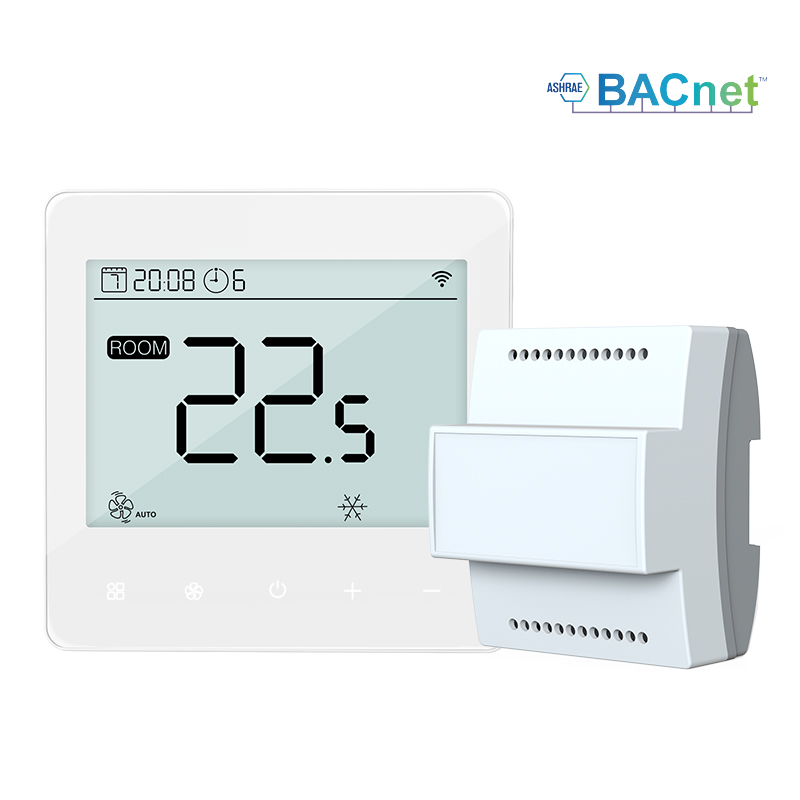
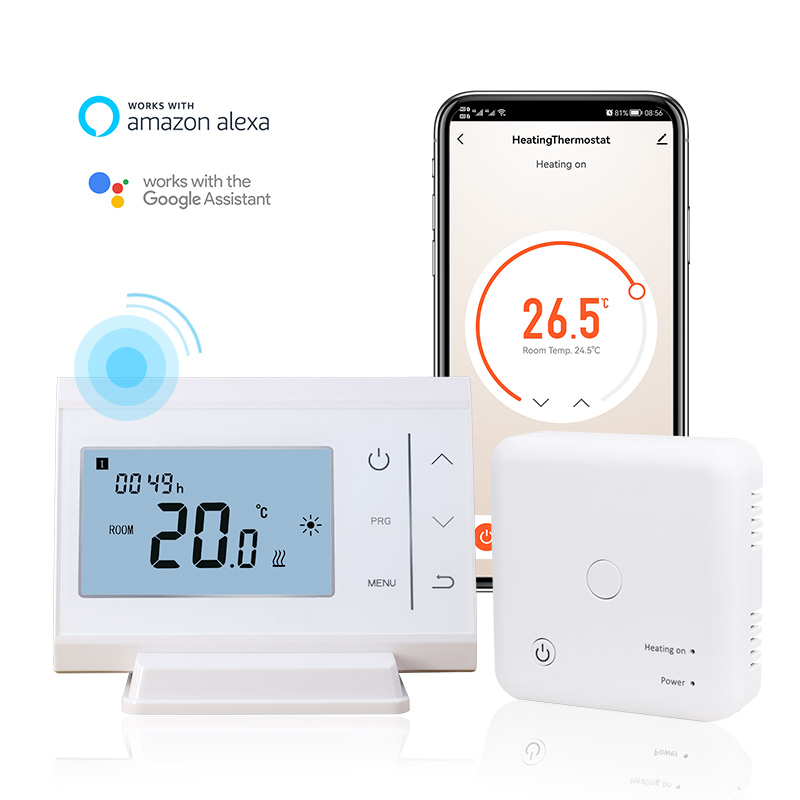
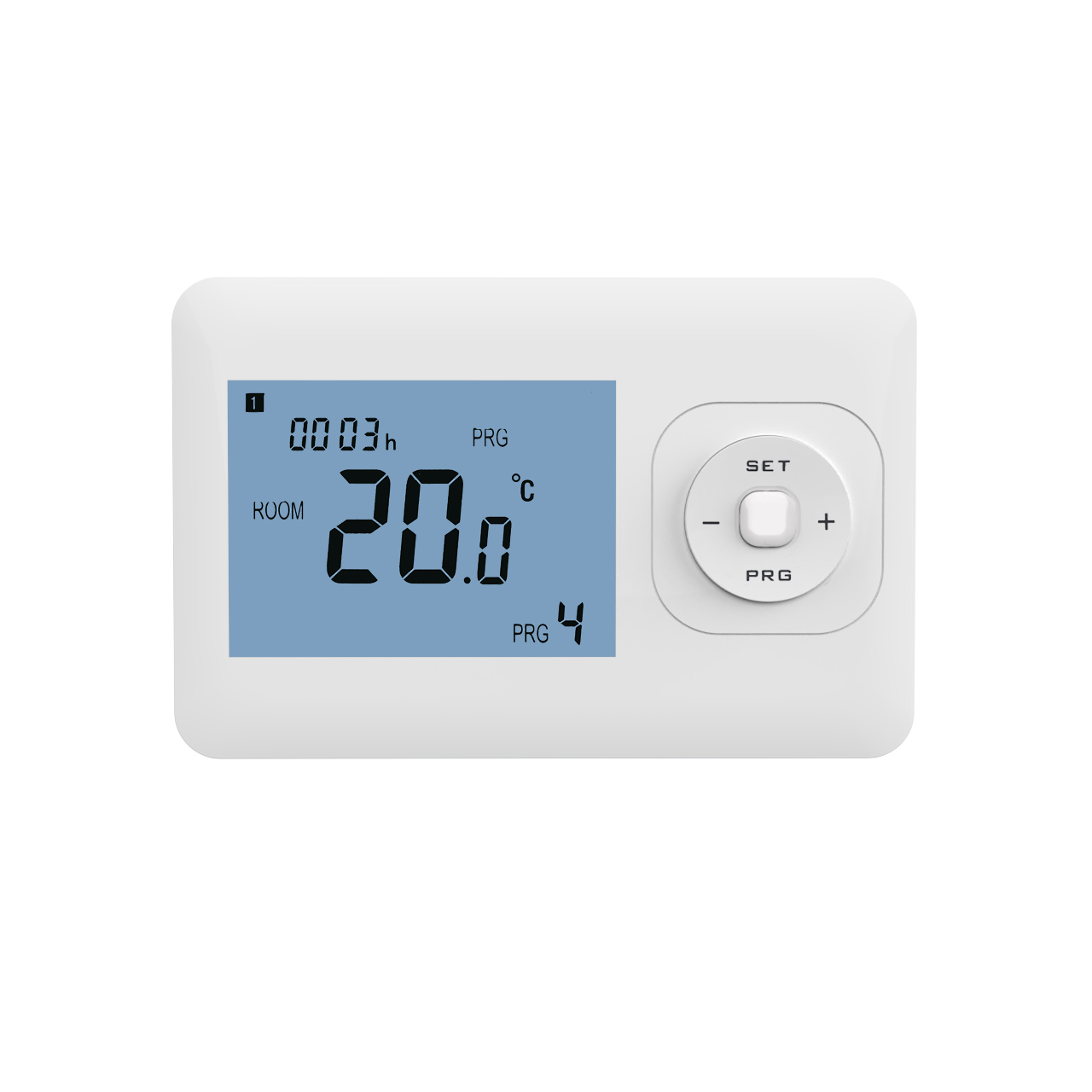
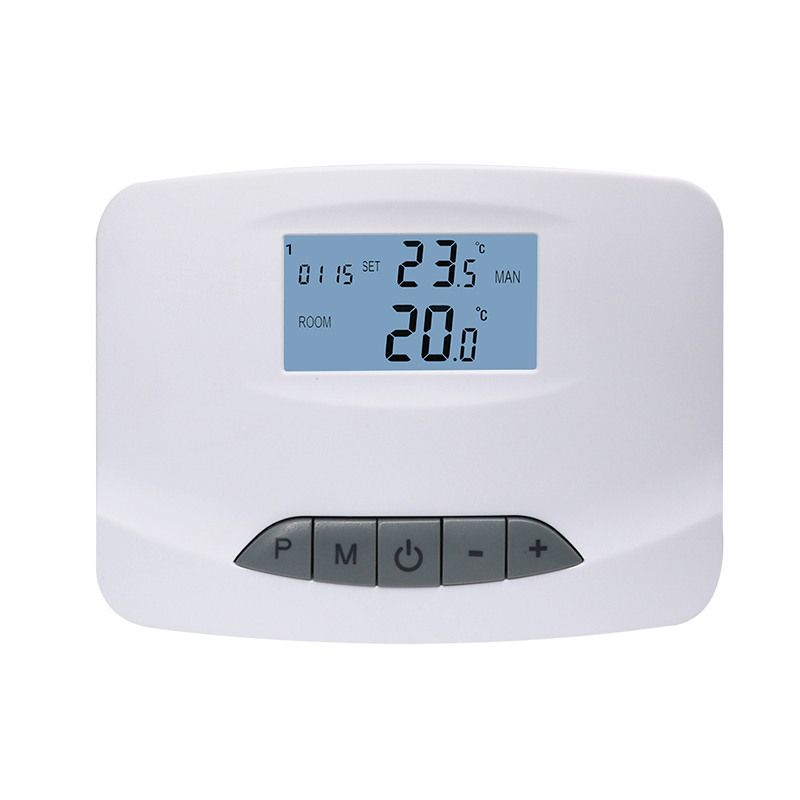
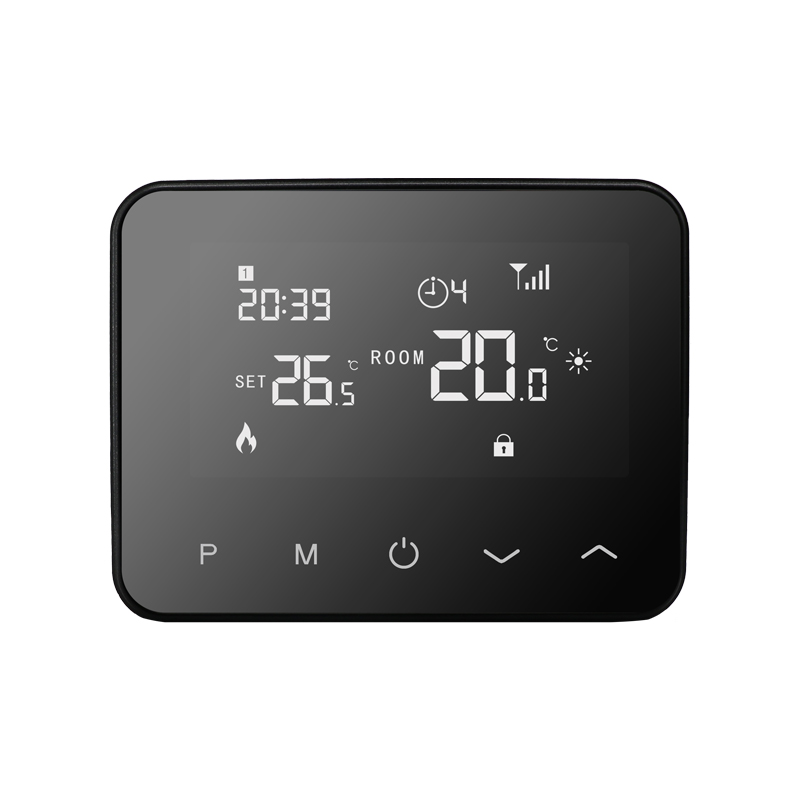
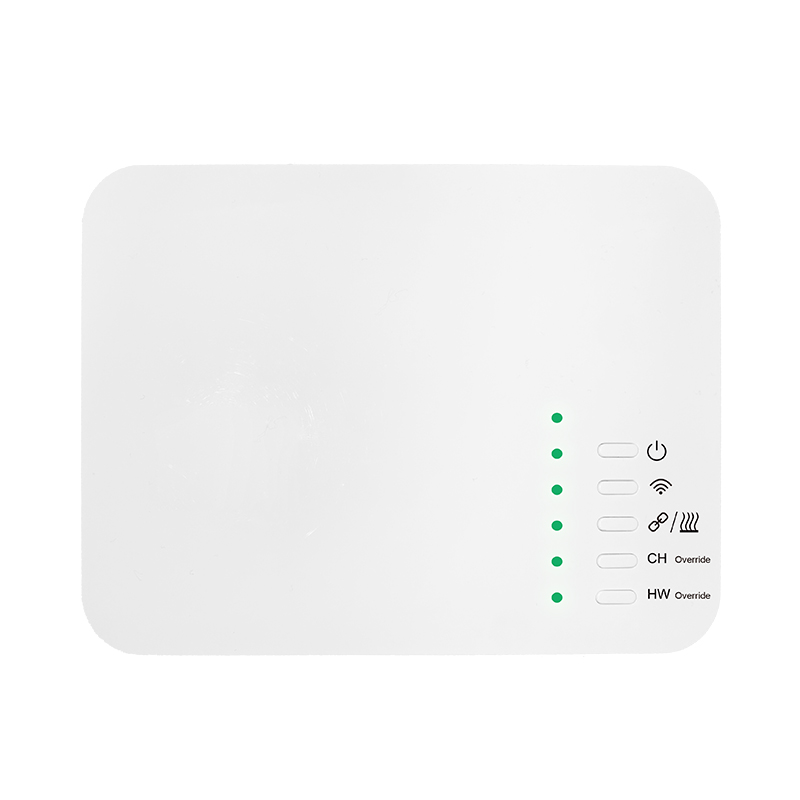
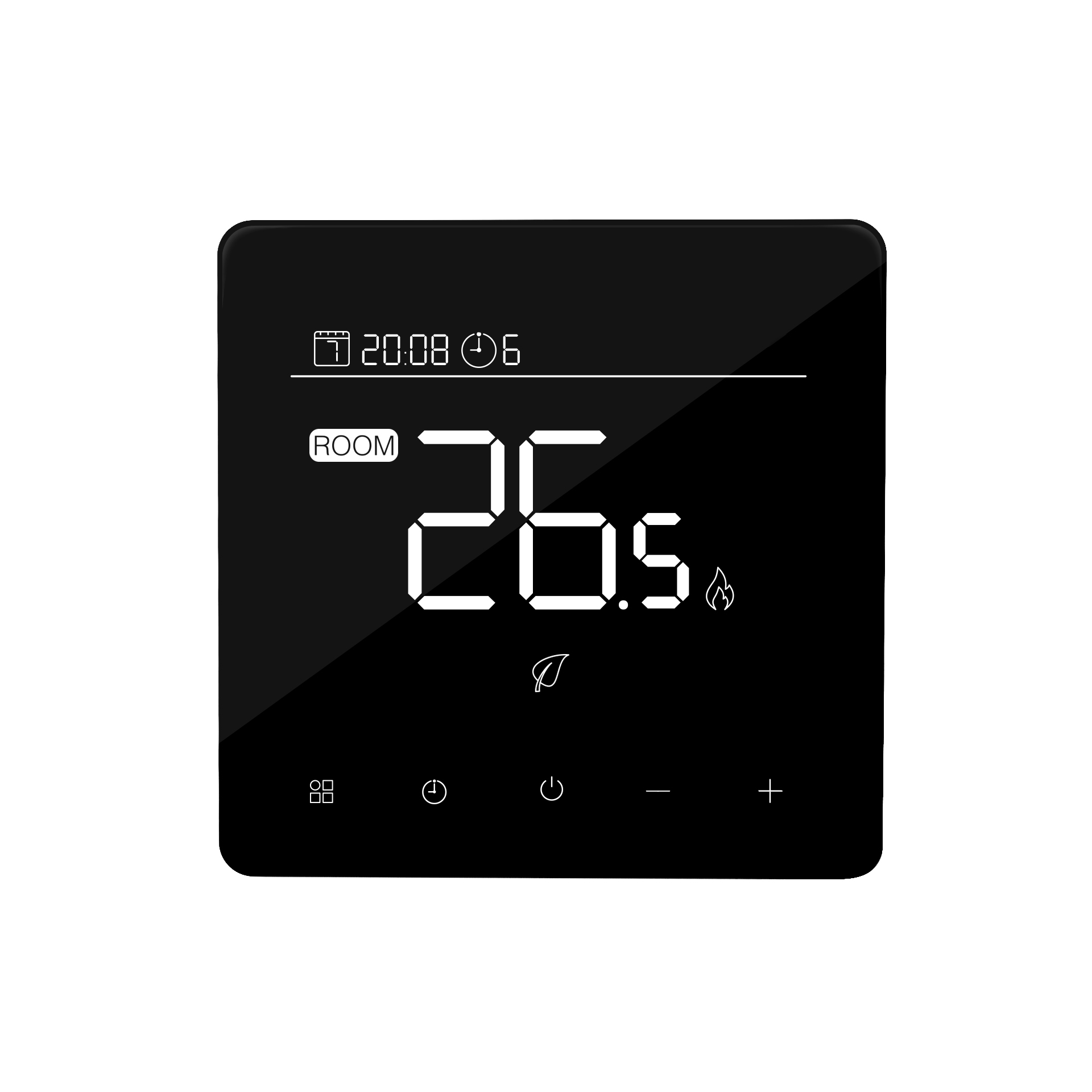

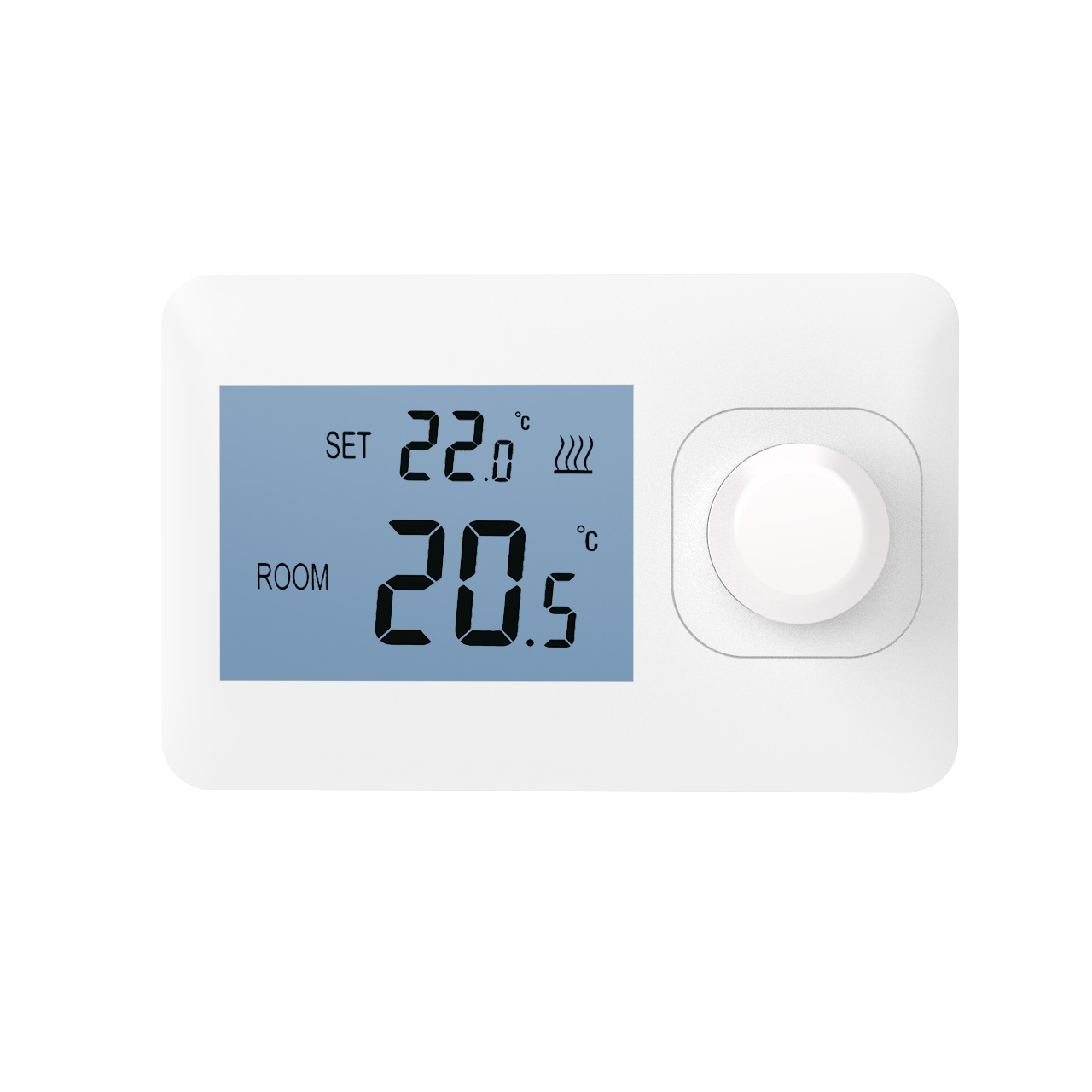
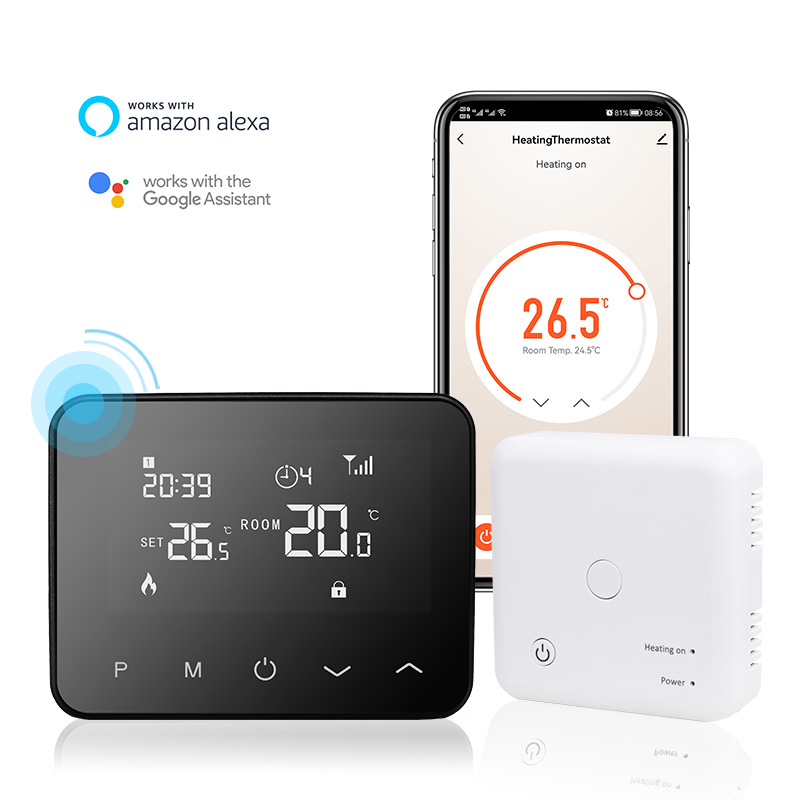
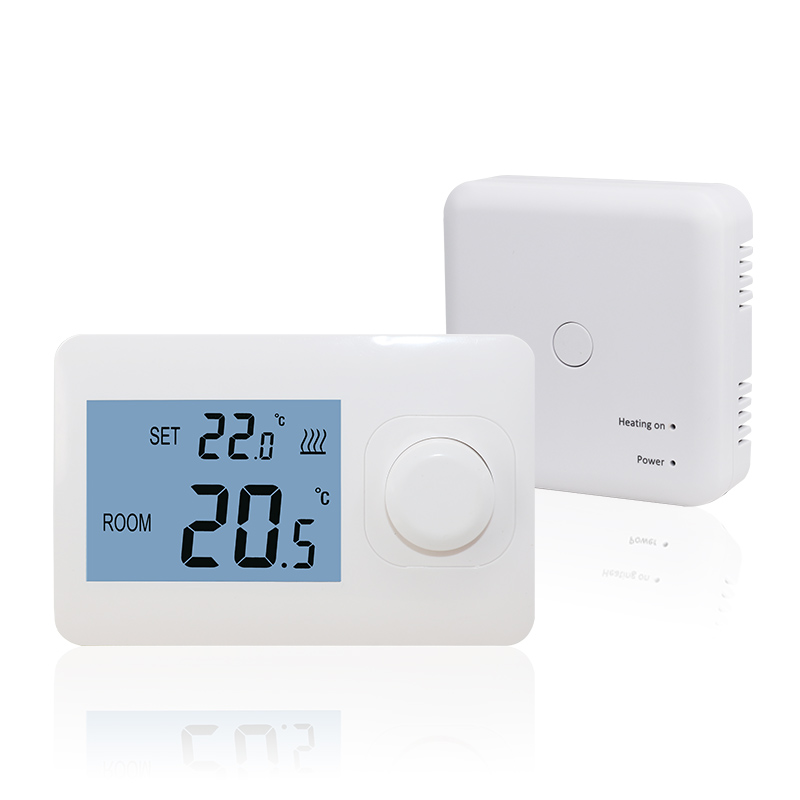
Hydro-based underfloor heating is favored by many families for its even and comfortable heating method. However, in actual use, if the temperature control is not precise enough, temperature fluctuations and uneven heating in certain areas may still occur, affecting the overall experience. As a crucial device for regulating system operation, the performance and settings of the thermostat directly impact the heating effect. Thermostats, especially those with touch controls and programmable functions, offer greater flexibility in temperature control and time management. By selecting and using these devices appropriately, the underfloor heating system can operate more smoothly, maintaining the indoor environment within a comfortable range.
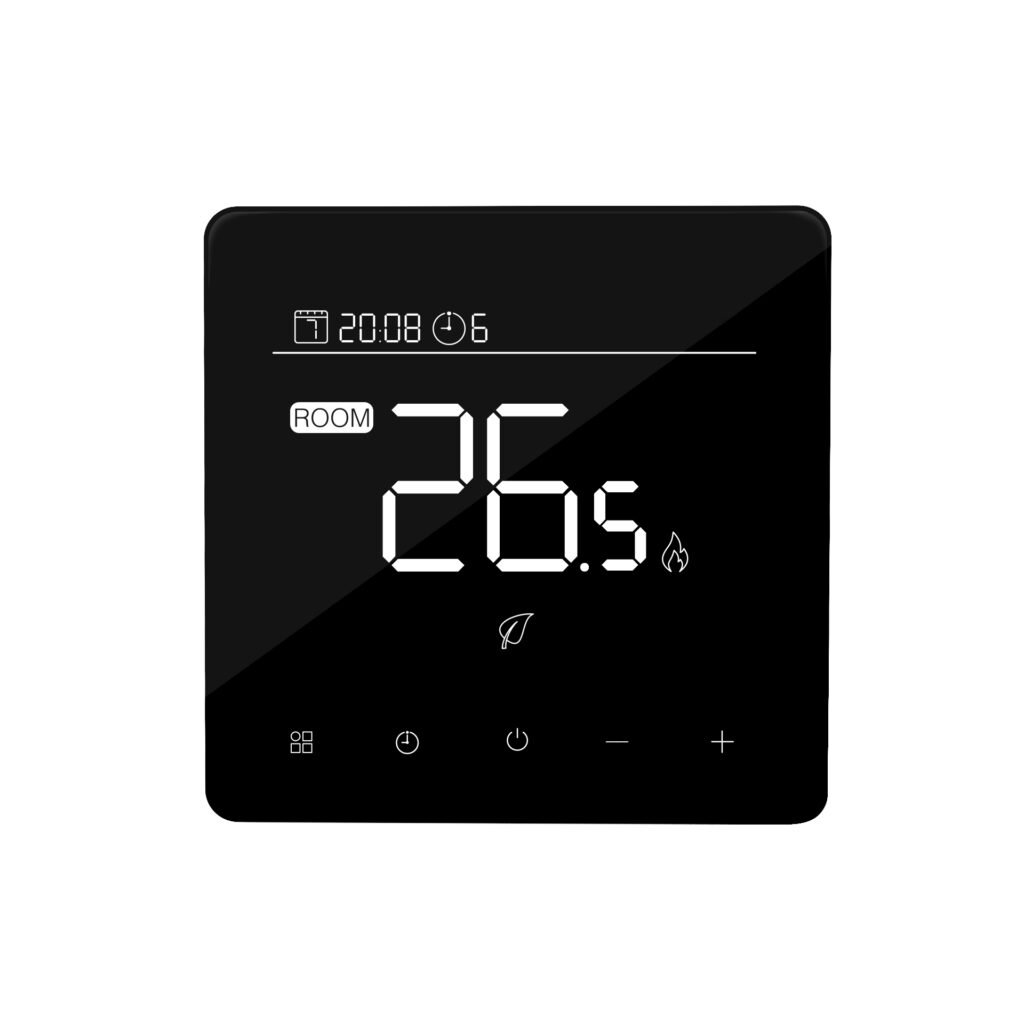
Precision temperature control reduces temperature fluctuations
Which are a key factor affecting heating stability. The control accuracy of thermostats directly impacts this performance.
- Precision adjustments ensure smooth operation: High-precision temperature control dynamically adjusts output in response to environmental changes, preventing temperature fluctuations.
- Maintaining a constant comfort zone: Through continuous monitoring and adjustment, indoor temperature can be kept within a relatively stable range.
The stable temperature control enhances living comfort while minimizing the inconvenience of frequent adjustments.
Programmable functionality optimizes heating rhythm
Programmable design allows the thermostat to automatically adjust temperature according to time periods, resulting in more consistent system operation.
- Time-segmented settings are more rational: Setting different temperatures for different times allows heating to better match daily life.
- Reduces unnecessary energy consumption fluctuations: Automatically reducing output when high temperatures are not needed helps the system maintain stable operation.
By rationally planning the heating rhythm, the entire system can operate more smoothly and better meet actual needs.
Intelligent sensing improves response efficiency
Modern thermostats typically have more sensitive sensing capabilities, reacting more quickly to environmental changes.
- Rapid feedback on environmental changes: When room temperature changes, the device can adjust heating output promptly.
- Reduces accumulated temperature differences: Sensitive response prevents temperature differences from widening, thus improving overall stability.
This efficient response mechanism makes the heating system operate more smoothly and reduces unnecessary fluctuations.
Enhanced System Matching for Overall Coordination
The degree of matching between the thermostat and the underfloor heating system directly affects the stability of the heating effect.
- Synchronous Operation with the Hydraulic System: Good matching allows for more coordinated water flow and temperature control.
- Reduced Interference Factors During Operation: Appropriately matched equipment can reduce the system load and make operation more stable.
By improving overall coordination, the heating process can be smoother, reducing the occurrence of abnormal situations.
Easy Operation and Improved Efficiency
A good user experience also indirectly affects the stability of the heating system, as proper use can reduce human error.
- Touch Interface Enhances Operational Intuition: Simple and clear operation methods make temperature adjustment more convenient.
- Reduced Frequent Manual Adjustments: By setting reasonable parameters, fluctuations caused by repeated adjustments can be reduced.
A convenient user experience helps maintain long-term stable system operation.
Hydraulic underfloor heating thermostats play an important role in improving heating stability. Through precise temperature control, reasonable time settings, and sensitive environmental response, the entire system can operate more smoothly. In practical applications, combining equipment functions with user habits allows the heating effect to better meet daily needs. At the same time, good system matching and convenient operation can reduce unnecessary fluctuations, keeping the indoor temperature within a comfortable range. By properly controlling these details, the underfloor heating system can maintain stable performance over long-term use, making the living environment more comfortable and natural.