
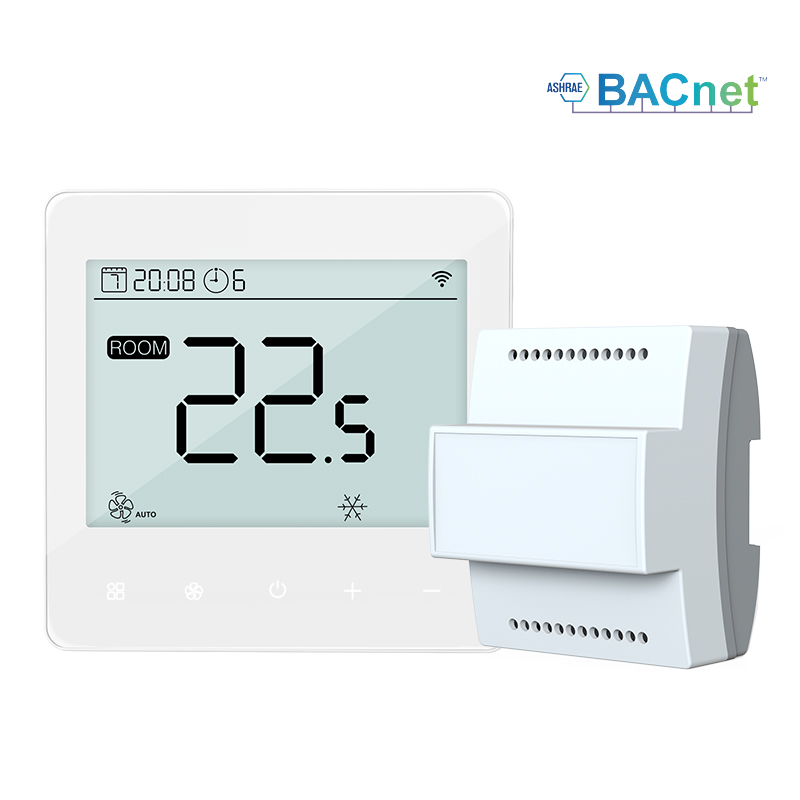

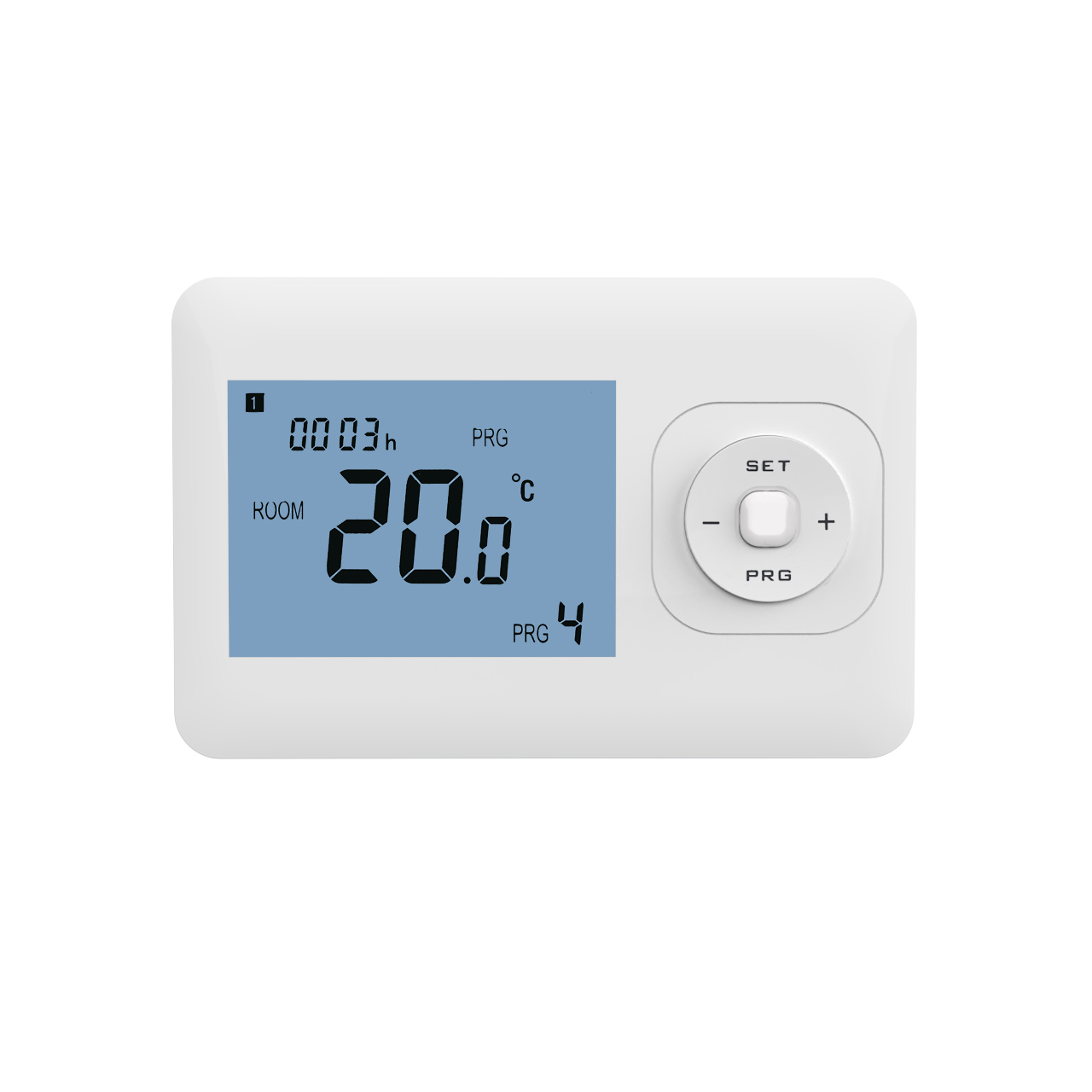
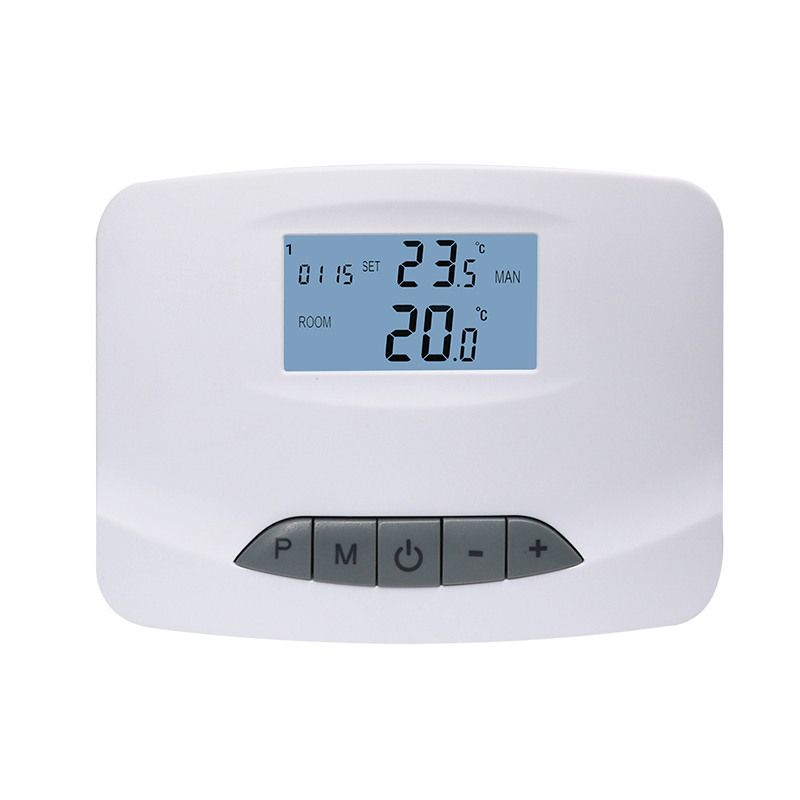
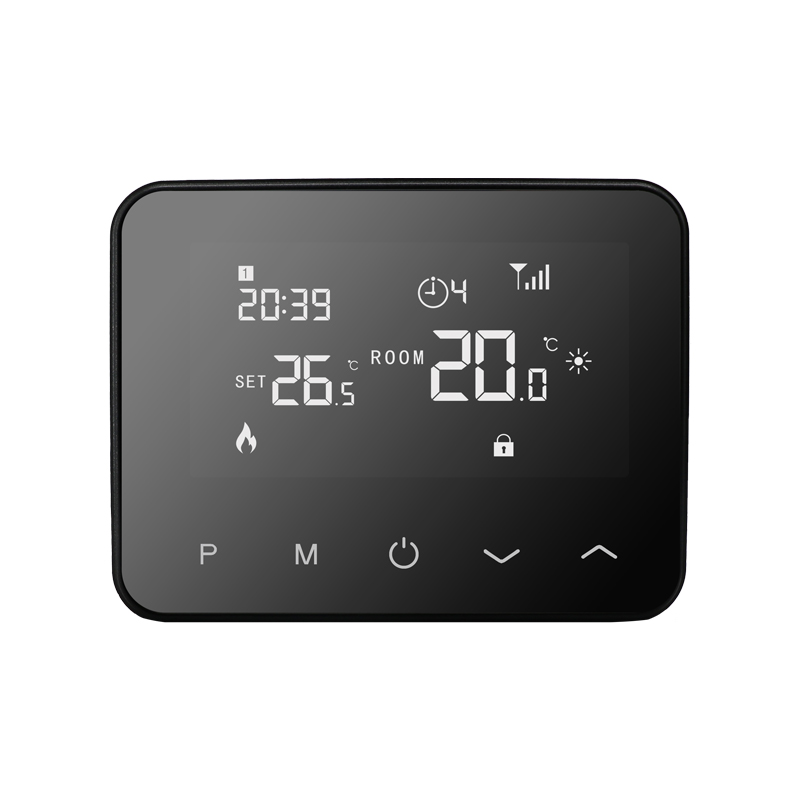



In the cold winter, the comfortable, warm indoor environment relies heavily on the silent protection of the radiator thermostat. Like a attentive temperature manager, it precisely regulates the indoor temperature, making our lives more pleasant. So, how exactly does the radiator thermostat achieve this amazing function?

The core component of the radiator thermostat is the temperature bulb, which acts like a sensitive “temperature sensor,” constantly monitoring changes in indoor temperature. The temperature bulb is filled with a special temperature-sensitive medium, commonly in liquid or solid form. When the indoor temperature rises, the temperature-sensitive medium inside the bulb absorbs heat and expands. Taking a liquid temperature-sensitive medium as an example, its increased volume due to heating pushes the valve stem downwards, thus closing the valve opening. This reduces the flow of hot water into the radiator, decreasing the radiator’s heat output, and preventing the indoor temperature from rising further, maintaining it near the set value.
Conversely, when the indoor temperature drops, the temperature-sensitive medium inside the bulb releases heat and contracts in volume. At this point, the valve stem moves upward under the action of the spring, increasing the valve opening and allowing more hot water to flow into the radiator. This increases the radiator’s heat dissipation, gradually raising the indoor temperature until the set comfortable temperature is reached. This process of automatically adjusting the valve opening based on room temperature changes is like an intelligent circulation system, constantly balancing the indoor temperature to ensure it remains in an ideal state.
This precise temperature control capability of the radiator thermostatic valve is due to its unique design and advanced materials. The reaction speed and execution of the temperature sensor are crucial; a high-quality temperature sensor can quickly sense temperature changes and react promptly, making the valve opening adjustment more timely and accurate. Simultaneously, the sealing performance of the valve core is also essential. A good seal prevents water from entering components such as the spring, avoids spring rust, and ensures the spring’s rapid return capability, thus ensuring the normal opening and closing of the valve.
In addition to precise temperature control, the radiator thermostatic valve also has significant energy-saving advantages. When there is “free heat energy” indoors, such as from sunlight or appliance heat dissipation, the thermostatic valve automatically reduces the hot water supply to the radiator, preventing excessively high indoor temperatures and energy waste. Furthermore, it can improve the hydraulic balance of the heating system, alleviate horizontal and vertical misalignment problems, make the entire heating system operate more efficiently, and further reduce energy consumption.
In practical applications, the installation of radiator thermostatic valves is also very important. It is usually installed on the radiator’s inlet pipe and needs to be placed horizontally to ensure that the thermostat accurately senses the indoor air temperature. At the same time, it is important to ensure that the thermostat is not obstructed by curtains, radiator covers, etc., so as not to affect its normal operation.
With its unique working principle, the radiator thermostatic valve brings us a comfortable and energy-saving indoor environment. Like a silent guardian, it uses precise temperature control technology to fill our lives with warmth and comfort during the cold season. With the continuous advancement of technology, it is believed that radiator thermostatic valves will become more intelligent and efficient, bringing more surprises and convenience to our home life.