
In actual heating systems, many users encounter a paradox: the heating system runs continuously, energy consumption increases, but the indoor temperature is not always ideal. This is often not due to insufficient heat source capacity, but rather to inefficient heat utilization at the end of the heating system. Radiator thermostatic valves are crucial for solving this problem. By precisely adjusting the radiator’s operating status, they improve overall system efficiency while ensuring comfort.

Reducing Ineffective Heating Through Dynamic Adjustment
Improved heating efficiency is primarily reflected in reducing ineffective heating. Traditional heating methods typically operate according to a fixed pattern, making it difficult to adjust in time according to actual room temperature changes. Radiator thermostatic valves, by sensing the indoor temperature in real time, dynamically control the radiator’s heat output, making the heating process more closely match actual needs.
When the indoor temperature is low, the thermostatic valve automatically increases the hot water flow, improving the radiator’s heat dissipation capacity; as the temperature gradually approaches the set value, the valve slowly tightens, reducing further heating. This continuous adjustment method avoids prolonged overheating and reduces heat waste at unnecessary stages, thereby improving heating efficiency.
Zoned Heating Concentrates Heat in Deserving Spaces
Different rooms vary significantly in size, orientation, and usage frequency, making it difficult to provide adequate heating for all spaces using a uniform heating system. The zoned control capabilities of radiator thermostatic valves allow the heating system to distribute heat more rationally.
- Each room can be individually set to temperature based on actual usage, avoiding a “one-size-fits-all” heating approach.
- Frequently used areas maintain a comfortable temperature, while less frequently used rooms automatically receive reduced heating intensity.
- Zoned adjustment reduces overall heat output demand, concentrating energy on high-demand areas.
- More even heat distribution effectively alleviates uneven heating and cooling issues.
In this way, the heating system is no longer under constant high load, thus improving overall operating efficiency.
Intelligent Control Enhances Overall System Efficiency
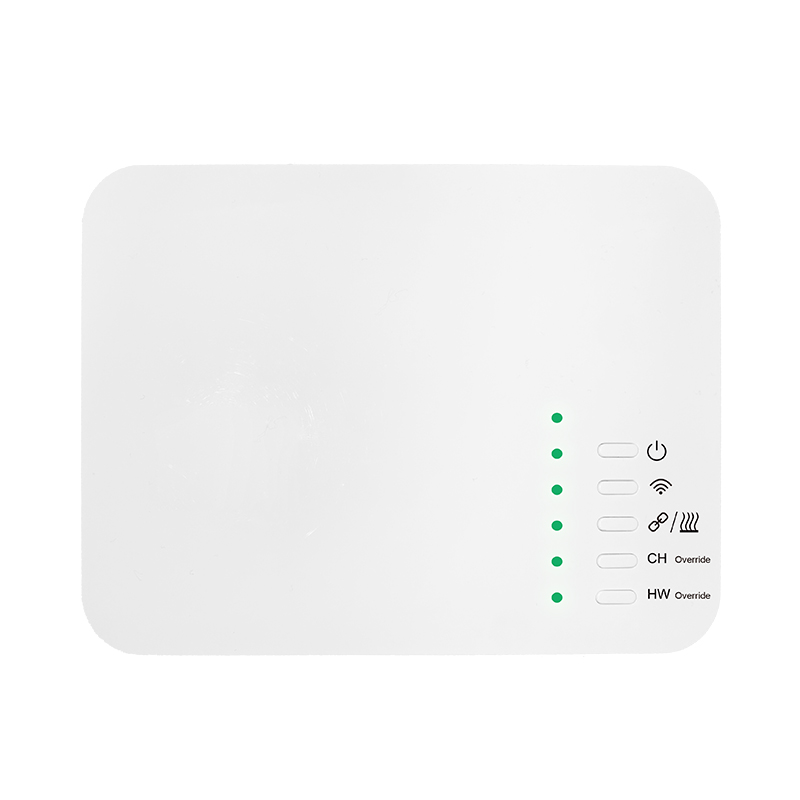
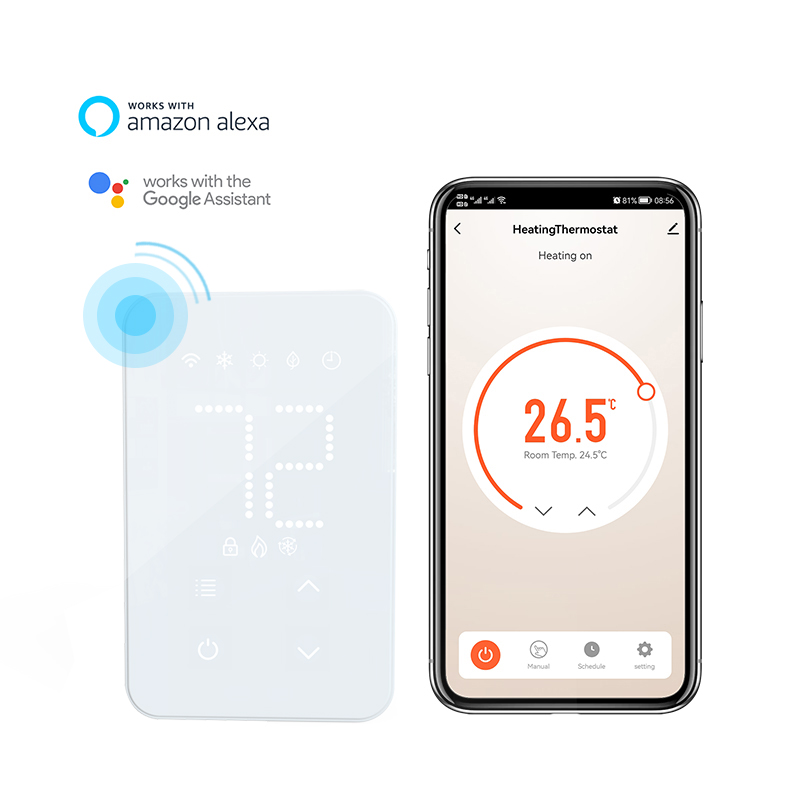
In intelligent heating systems, radiator thermostatic valves are not only regulating components but also crucial actuators. Thermostatic valves supporting Bluetooth, RF Wireless, or Tuya Zigbee enable remote control and centralized management, making heating operation more efficient and orderly.
Users can set different temperature strategies for different time periods based on their daily routines, such as automatically lowering the temperature at night or when they are away, and restoring comfortable heating during peak usage times. This time- and habit-based control method avoids the energy waste caused by continuous heating throughout the day. At the same time, multi-room联动 management also reduces energy consumption fluctuations caused by frequent system adjustments.
Radiator thermostatic valves, through dynamic adjustment, zone control, and intelligent management, transform the heating system from passive operation to on-demand regulation. Heat is no longer output haphazardly, but distributed according to actual usage needs, making the heating process more efficient and stable. As homes and buildings continue to demand energy conservation and comfort, the value of radiator thermostatic valves in improving heating efficiency is becoming increasingly apparent.