
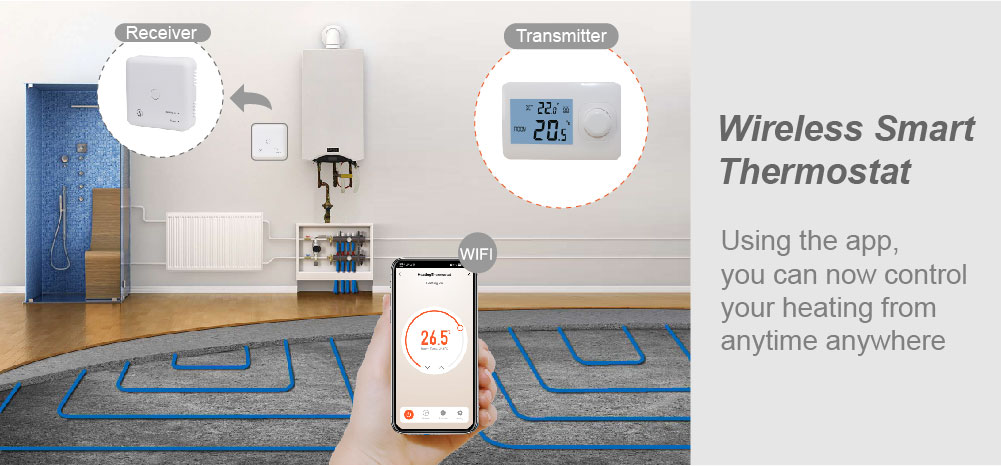
In modern building and electromechanical systems, the concept of a “wiring center” is becoming increasingly common. Whether in underfloor heating systems, smart homes, building automation, or low-voltage and structured cabling, the wiring center plays an irreplaceable core role. It is not a single device, but a systematic design concept, a crucial hub for the centralized management of previously dispersed wiring, control units, and actuators. Many users, in actual use, only perceive whether a system “works well,” but are unaware of how the wiring center coordinates various components and ensures stable system operation. With the increasing complexity of building functions and the rising demands for comfort, energy efficiency, and intelligence, the number of internal wiring, control logic, and operating modes also increase. Without proper centralized wiring and management, various wiring patterns can easily become chaotic, leading to signal interference and even maintenance difficulties. The wiring center was developed to solve these systemic problems, making overall operation more orderly and controllable.
Basic Structure and Functional Positioning of a Wiring Center
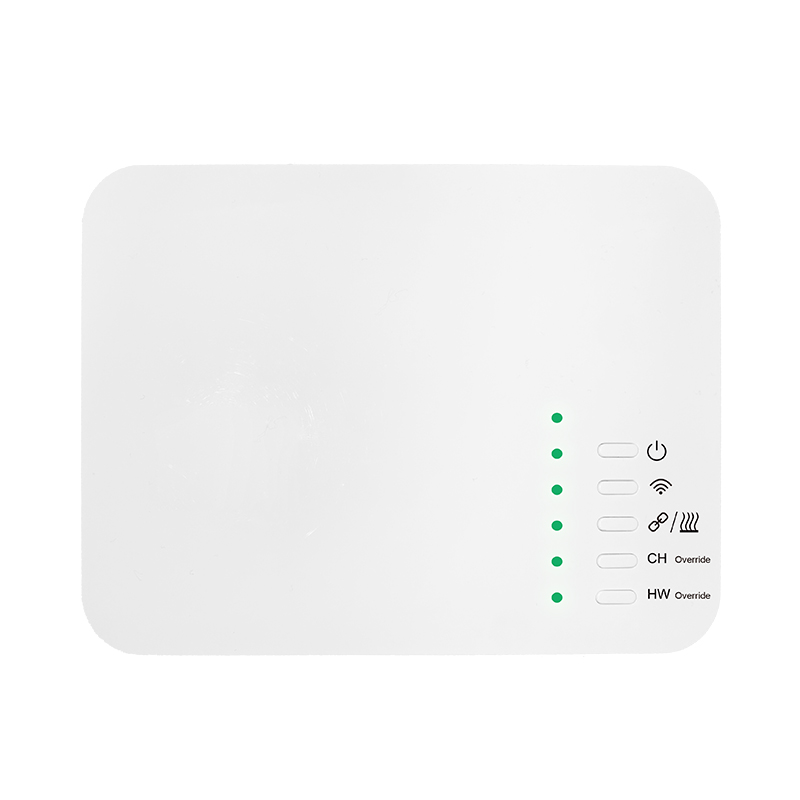
A wiring center typically consists of multiple functional modules, including a wiring aggregation unit, a control module, an execution interface, and necessary protection devices. Its most basic function is to centrally connect lines from different areas or devices and distribute and manage them according to a predetermined logic. Wiring centers often employ a modular design, categorizing power lines, signal lines, and control lines to avoid mutual interference. This clear zoning layout helps improve system stability and maintainability. The wiring center does not directly “generate functions,” but rather coordinates the connections between various parts to make the overall system operation more efficient and orderly. It can be said that it is the organizer and scheduler of the system.
Operating Principles of Line Aggregation and Distribution
The first step in the operation of a wiring center is to aggregate the lines. Lines from different rooms, different devices, or different circuits are uniformly introduced into the wiring center for centralized management. This process not only reduces the chaos caused by scattered cabling but also makes the line routing clearer and more traceable. After aggregation, the wiring center distributes the lines to the corresponding control modules or execution ports according to the system design. For example, control signals from different areas are guided to the corresponding execution units, thereby achieving regional management. This “centralization first, then distribution” operational logic gives the system a high degree of structural order, while also facilitating subsequent adjustments and expansions.
Control Signal Processing and Coordination Mechanism
The wiring center is not only responsible for the physical connection of lines, but also undertakes the crucial task of coordinating control signals. Signals from sensors or control terminals enter the control module through the wiring center, where they are then parsed, judged, and forwarded. In this process, the wiring center acts as a “transfer and coordination” intermediary, ensuring accurate signal transmission between different modules and avoiding conflicts or delays. This centralized processing mechanism is particularly important for systems requiring multi-condition linkage. Through unified signal management, the system can operate according to preset logic, achieving orderly responses, rather than operating independently and without coordination.
Operation Management and Security Mechanism
To ensure the long-term stable operation of the system, the wiring center is typically equipped with necessary operation management and security protection mechanisms. This includes monitoring line status, isolating abnormal situations, and implementing necessary protective measures. Centralized management makes the operational status easier to grasp; once a problem occurs, it can be quickly located to a specific module or line without having to troubleshoot the entire system. This not only improves operational reliability but also reduces maintenance difficulty. Furthermore, the wiring center provides space for system upgrades and functional expansion, eliminating the need for large-scale modifications to the original structure for later adjustments.
The operation of a wiring center is not complex; its core principle can be summarized as “centralization, coordination, and order.” Through the centralized collection, rational allocation, and unified management of lines, the wiring center provides a clear structural foundation for complex systems, enabling various functional modules to operate collaboratively in a stable and orderly environment. As systems grow in scale and functionality, the importance of the wiring center becomes increasingly prominent. It not only improves system operating efficiency but also provides favorable conditions for later maintenance and upgrades. Systems lacking a wiring center often appear simple initially, but problems gradually emerge over time, increasing adjustment costs. Therefore, whether in underfloor heating systems, smart homes, or other applications requiring multi-line coordination, understanding and properly configuring the wiring center is a crucial prerequisite for achieving long-term stable and efficient system operation. Only through scientific planning and standardized operation can the wiring center truly realize its value as the system’s “central hub.”