
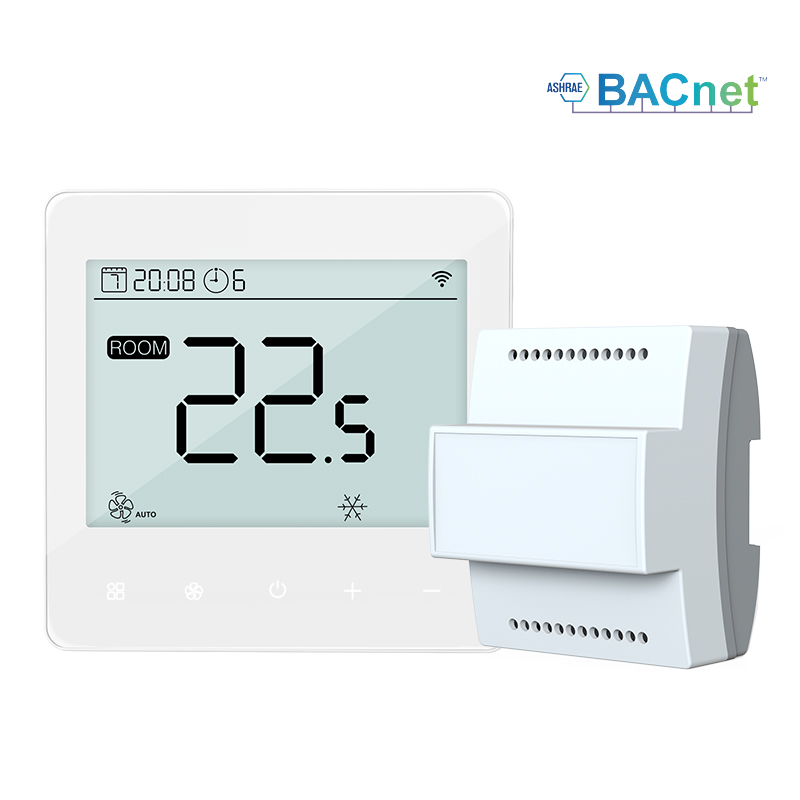
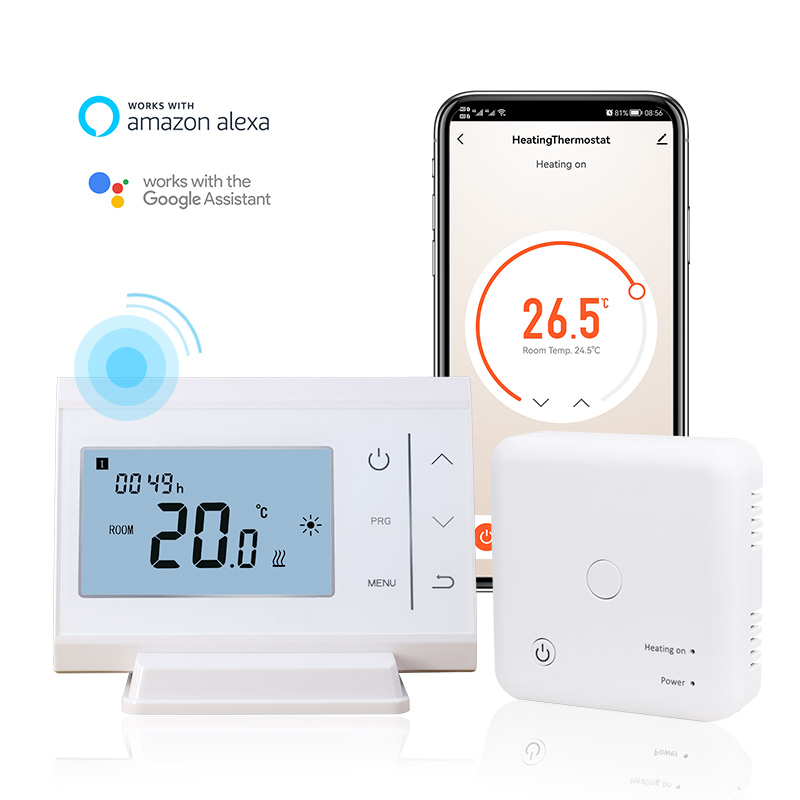
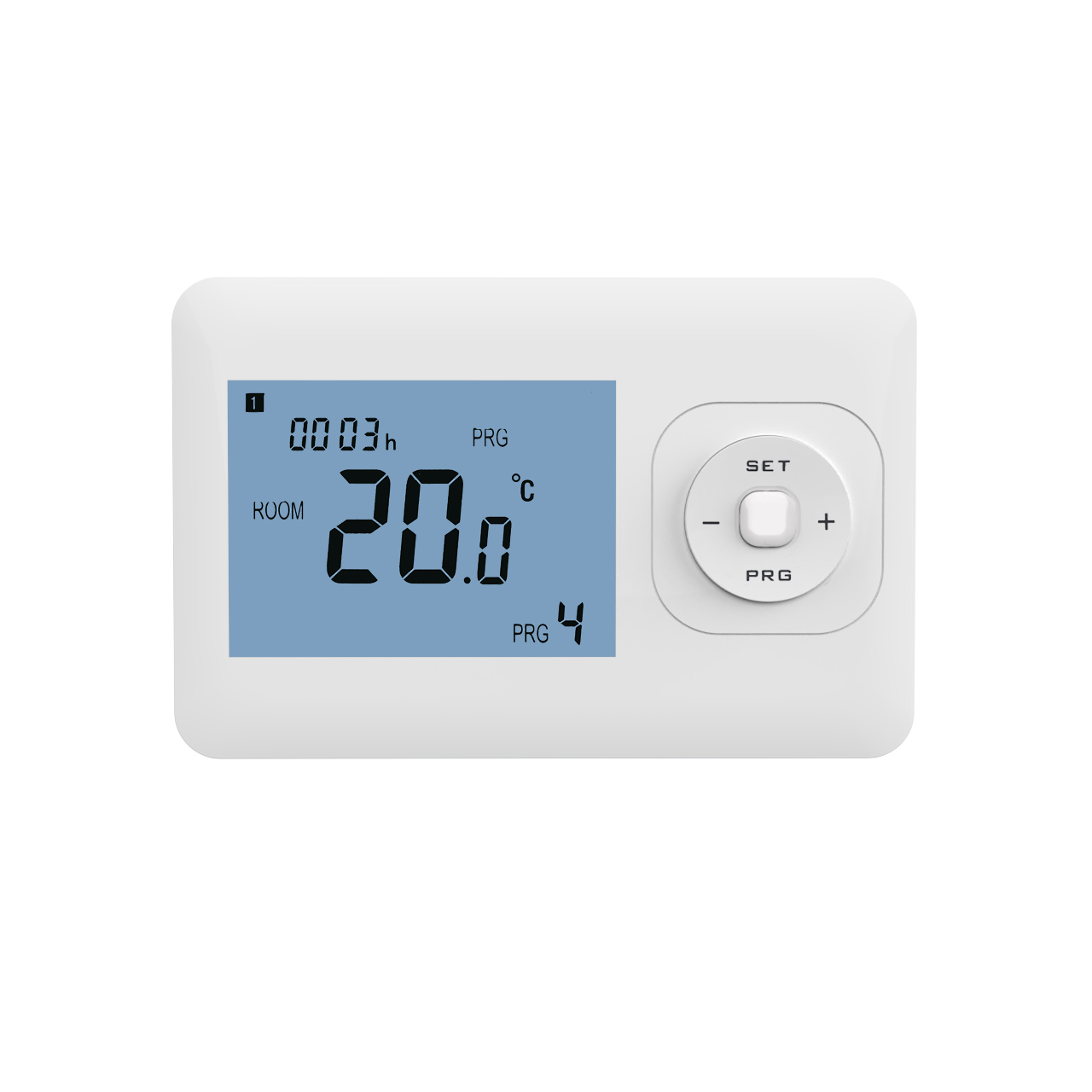
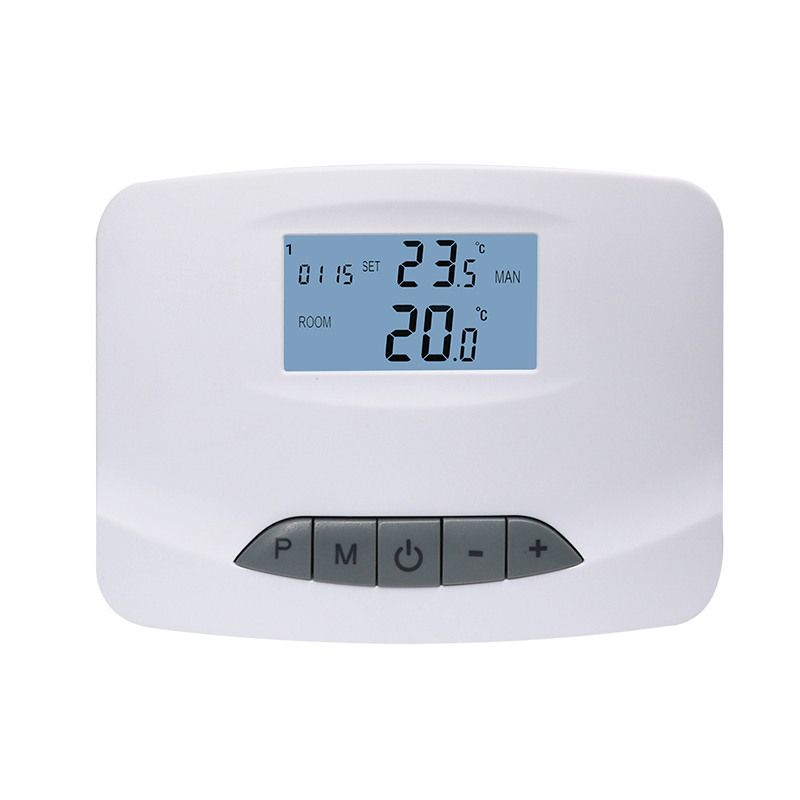
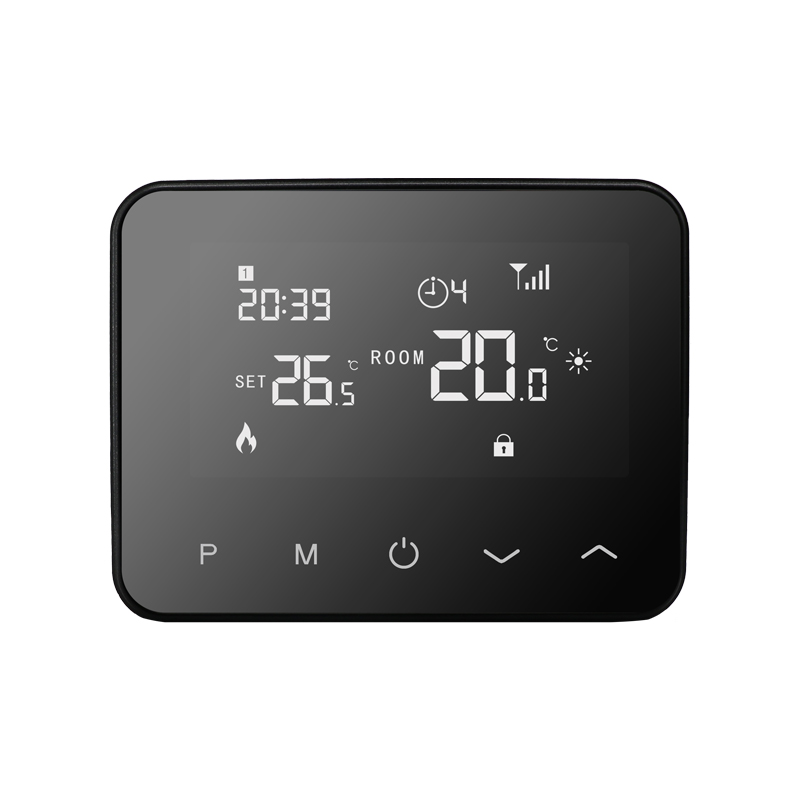
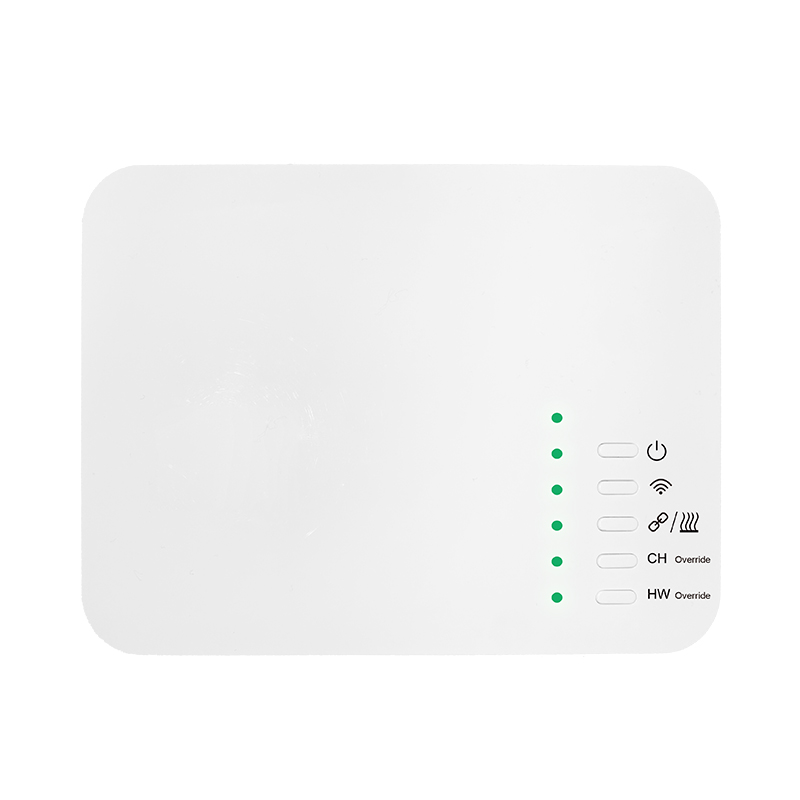
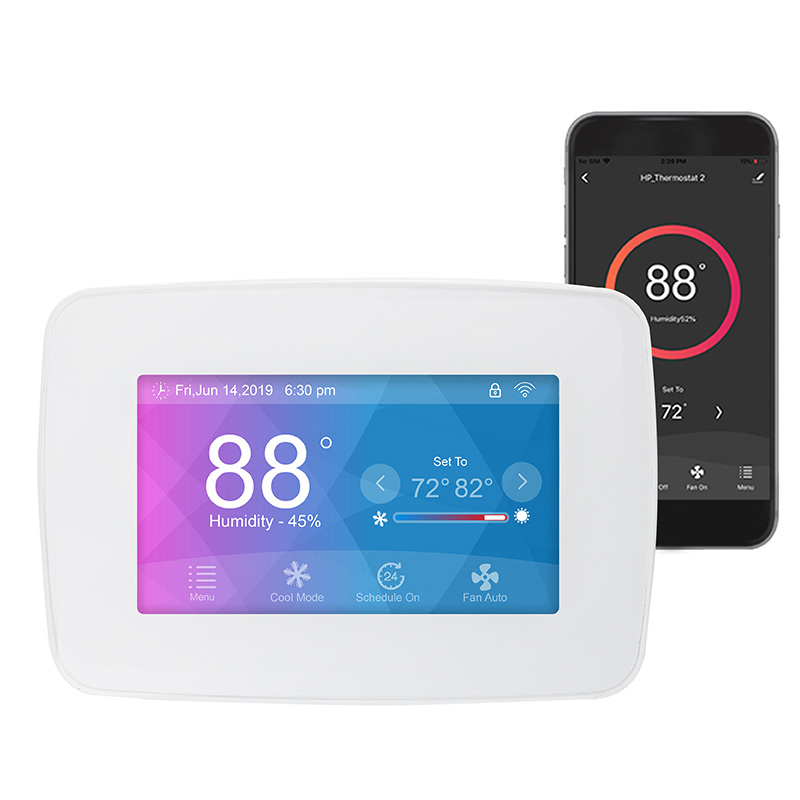
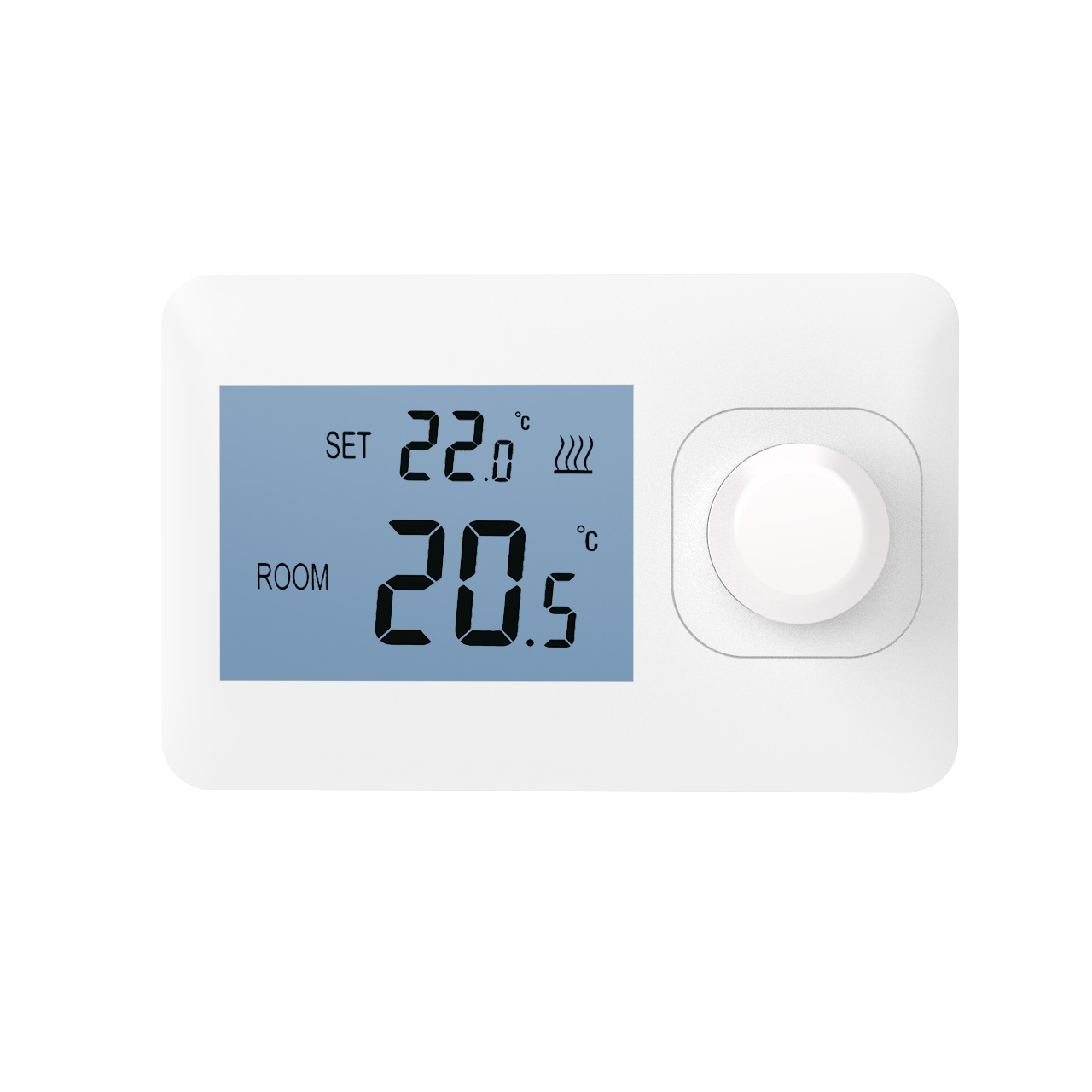
With the increasing popularity of underfloor heating in homes, more and more people are focusing on whether the system is “easy to use, easy to manage, and cost-effective.” Among these considerations, “individual room temperature control” has become a core requirement for many families: different rooms have different usage times and temperature requirements. If all rooms can only be controlled uniformly, it’s not only uncomfortable but also prone to energy waste. This is where the centralized control box for individual room temperature control becomes particularly important. Many users have questions during installation or use: How are the thermostats controlled? What role does the centralized control box play? Does adjusting the thermostat automatically make the underfloor heating work accordingly? In fact, the centralized control box is not simply a “junction box,” but a core hub connecting thermostats, thermal actuators, water pumps, and other equipment.
How do the centralized control box and thermostats “communicate”?
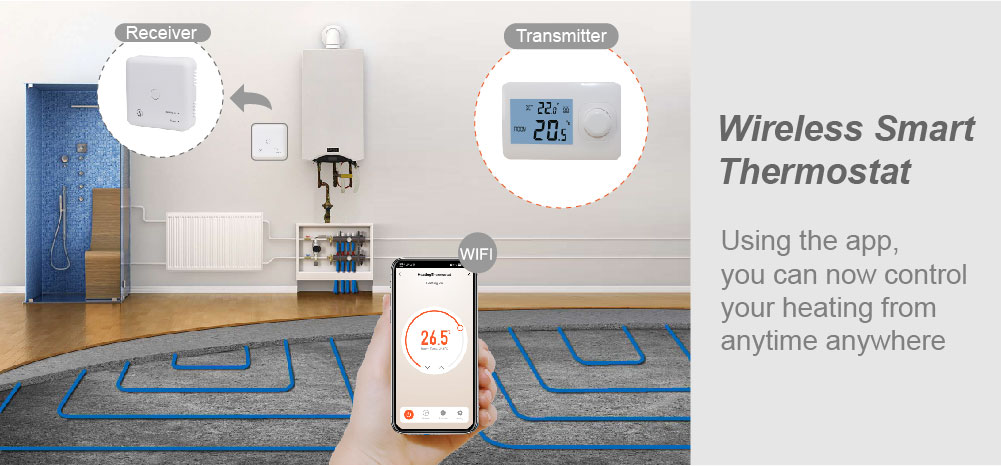
In an underfloor heating system, thermostats are typically installed in each room, responsible for sensing the indoor temperature and interacting with the user, such as setting target temperatures and turning the underfloor heating on and off. The centralized control box, on the other hand, is responsible for “receiving instructions” and “unified scheduling.” The workflow is as follows: When the room temperature changes, the thermostat monitors the current temperature in real time and transmits this information to the central control box. If the temperature is lower than the set value, the thermostat sends a “heating needed” signal to the control box; conversely, when the temperature reaches or exceeds the set value, it sends a “stop heating” signal. The central control box receives these signals, makes a unified judgment, and issues corresponding control commands.
How does the central control box process the signals from the thermostats?
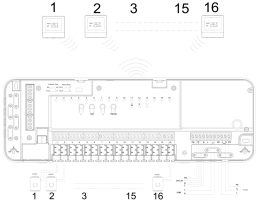
The central control box doesn’t simply accept all signals; it manages and judges them uniformly. It receives signals from multiple room thermostats simultaneously and, based on the needs of each room, decides which circuits need to be turned on and which can be turned off. For example, when a room thermostat requests heating, the central control box controls the corresponding thermal actuator to open the underfloor heating circuit, allowing hot water to enter the underfloor heating pipes; if other rooms do not need heating temporarily, the control box will not allow these circuits to operate. In this way, although each thermostat works independently, they are all coordinated by the central control box, making the system operation more orderly and safer.
How does a centralized control box achieve room-by-room control via thermostats?
To achieve true room-by-room control, the centralized control box typically works in conjunction with the following components:
Thermostat: Responsible for collecting room temperature data and receiving user settings.
Centralized control box: Responsible for signal aggregation and unified scheduling.
Thermal actuator: Responsible for turning the underfloor heating circuit on or off.
Each room’s thermostat corresponds to a control zone on the centralized control box. When you raise or lower the temperature in a room, this change only affects the corresponding circuit and does not interfere with other rooms. The centralized control box uses this “one-to-one” management method to allow each thermostat to function independently while avoiding system chaos.
How do water pumps and boilers work in conjunction with thermostats?
Many people think that thermostats only control rooms, but they can also indirectly affect the operation of water pumps and heat source equipment. After receiving heating requests from thermostats, if the centralized control box detects that at least one room needs heating, it will start the water pumps and heat source equipment; when all thermostats have reached their set temperatures and no longer issue heating requests, the control box will put the water pumps into standby or stop state. This “on-demand start” method is a key feature of the centralized control box’s control of the thermostat. It not only prevents prolonged idling but also makes the underfloor heating system more energy-efficient and quieter.
Why is the thermostat so “obedient and stable” during use?
The centralized control box acts as a stabilizer in the system. It prevents the chaos caused by frequent thermostat starts and stops, such as frequent pump starts due to multiple on/off cycles within a short period. Through delays and logical judgments, the control box ensures smoother execution of thermostat commands, thus improving the overall user experience. Furthermore, the centralized control box unifies power supply and signal transmission management, making the thermostat’s operation more stable and reducing malfunctions caused by complex wiring or signal interference.
The centralized control box for individual room temperature control in underfloor heating is the “core hub” connecting the thermostat and the entire underfloor heating system. The thermostat senses temperature and receives user commands, while the centralized control box receives these signals, makes unified judgments, and controls the thermal actuators, water pumps, and other equipment to perform corresponding actions. It is through this clear division of labor and collaborative work that underfloor heating systems can achieve true individual room temperature control, allowing the temperature of each room to be adjusted independently without affecting others. Understanding how the central control box controls the thermostat not only makes daily use more convenient but also helps users set temperatures more rationally, improving comfort while reducing energy waste. As long as the system is designed and set properly, underfloor heating can operate stably and efficiently throughout the heating season, bringing a continuous and comfortable warm experience to the family.