
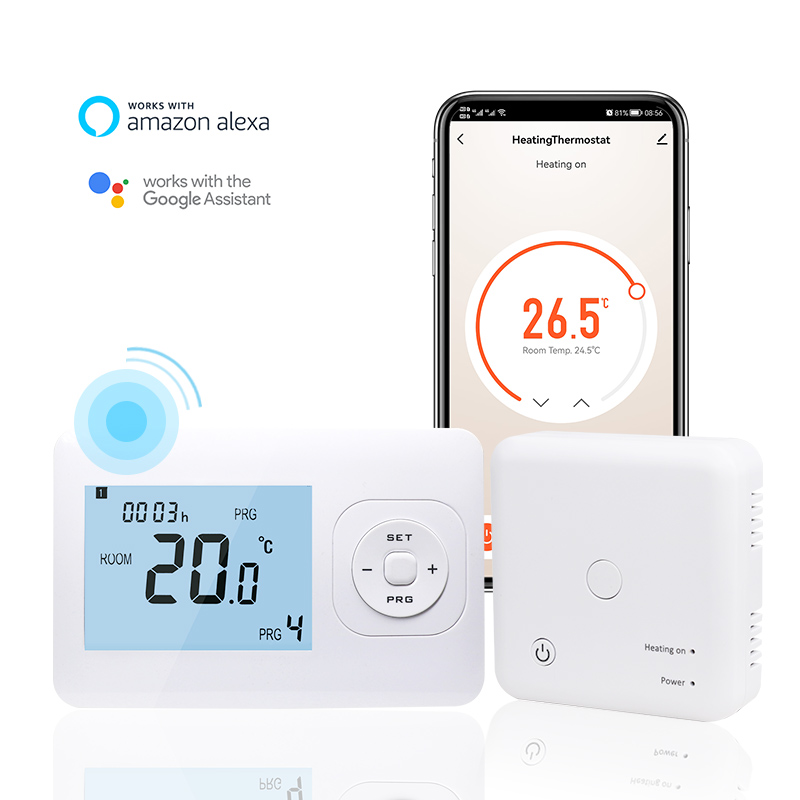
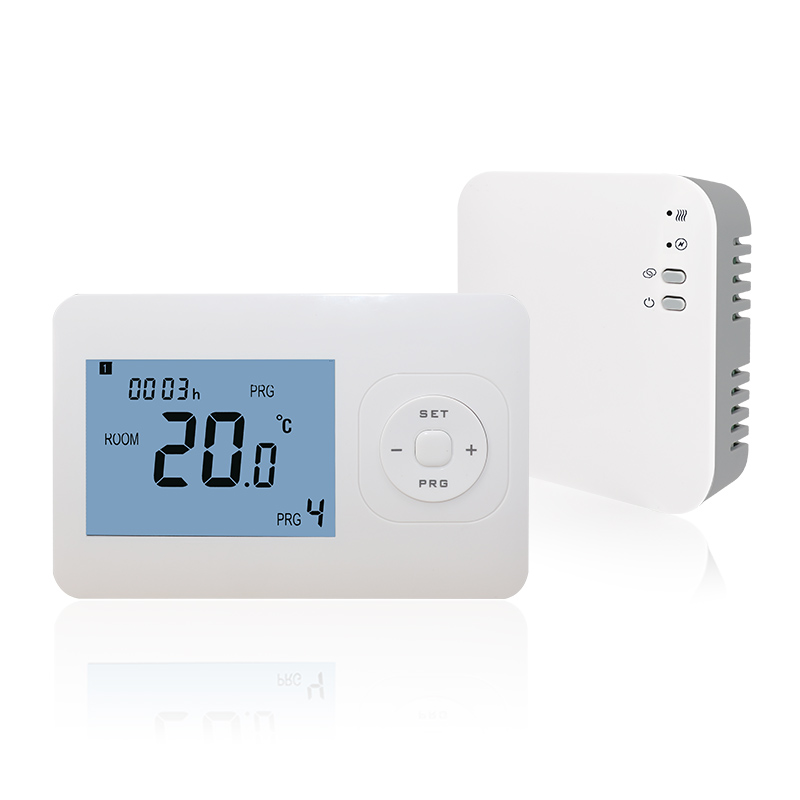
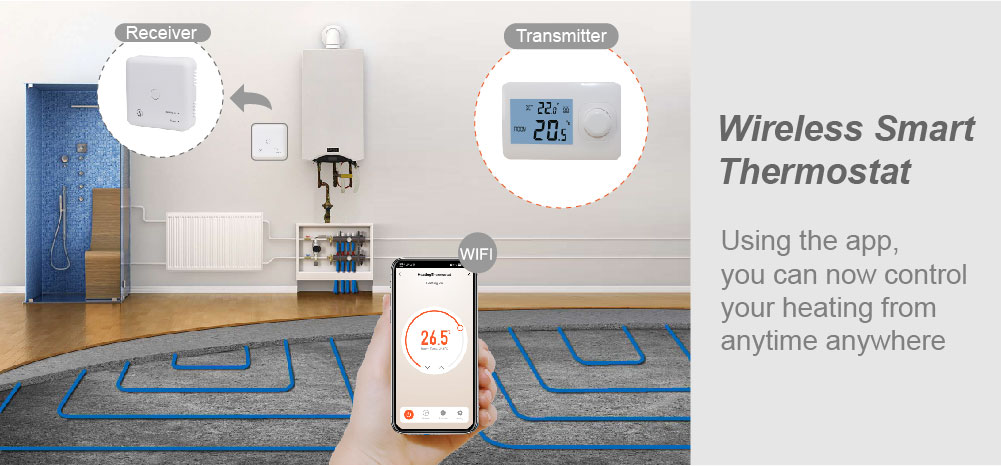
In modern residential and commercial spaces, people’s requirements for heating systems have long since moved beyond simply “whether it can provide warmth,” focusing instead on “comfort, flexibility, and energy efficiency.” Especially when family members have different schedules and room usage frequencies vary significantly, uniform heating often fails to meet everyone’s needs. Therefore, “can underfloor heating independently control the temperature of each room?” has become one of the most pressing questions for many users when planning or upgrading their underfloor heating systems. As a heating method primarily using radiant floor heating, underfloor heating operates relatively stably, leading many to mistakenly believe it can only control the overall water temperature and lacks fine-tuning capabilities. However, with continuous advancements in control technology and system architecture, underfloor heating has long possessed the ability to independently control the temperature of each room. The key lies in whether a suitable control system and actuators are configured. For example, the HR-02C 8-zone wired underfloor heating control box, used for boiler, pump, and actuator management, has made “zone control” and “independent temperature control” a achievable and practical function.
What is the core prerequisite for independent temperature control in underfloor heating?
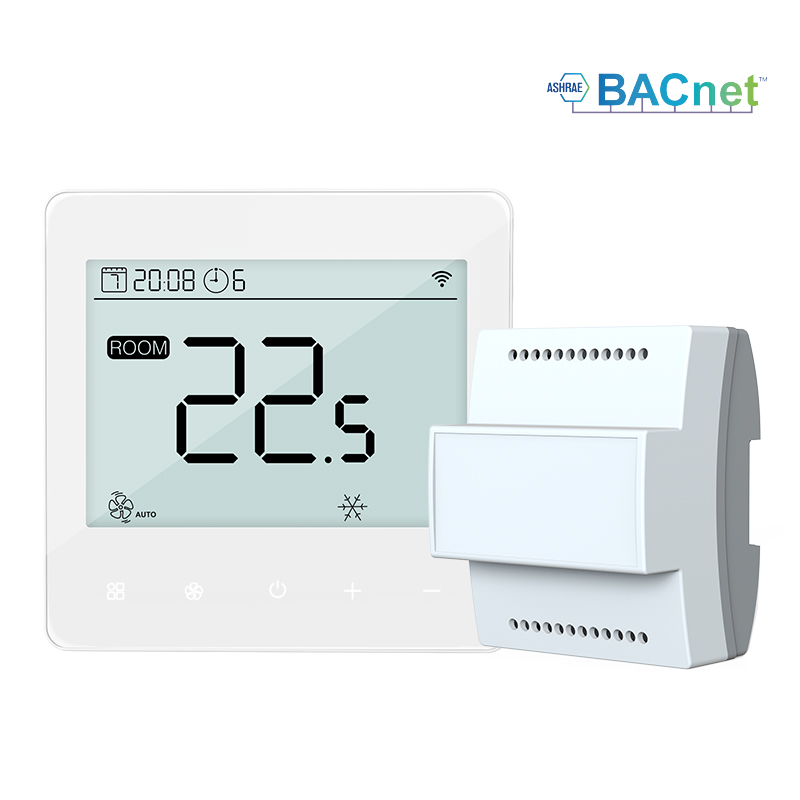
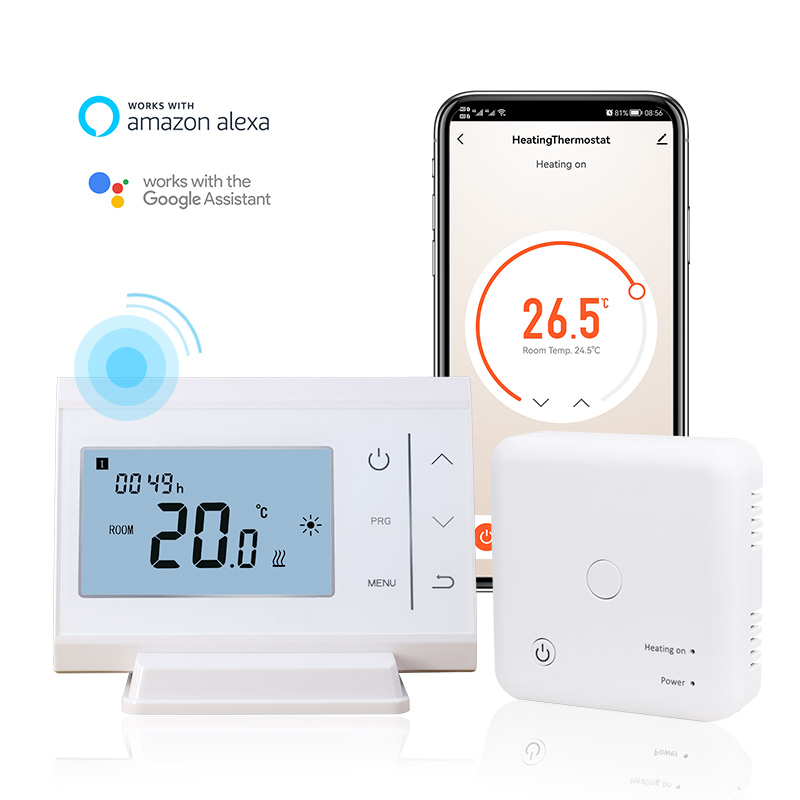
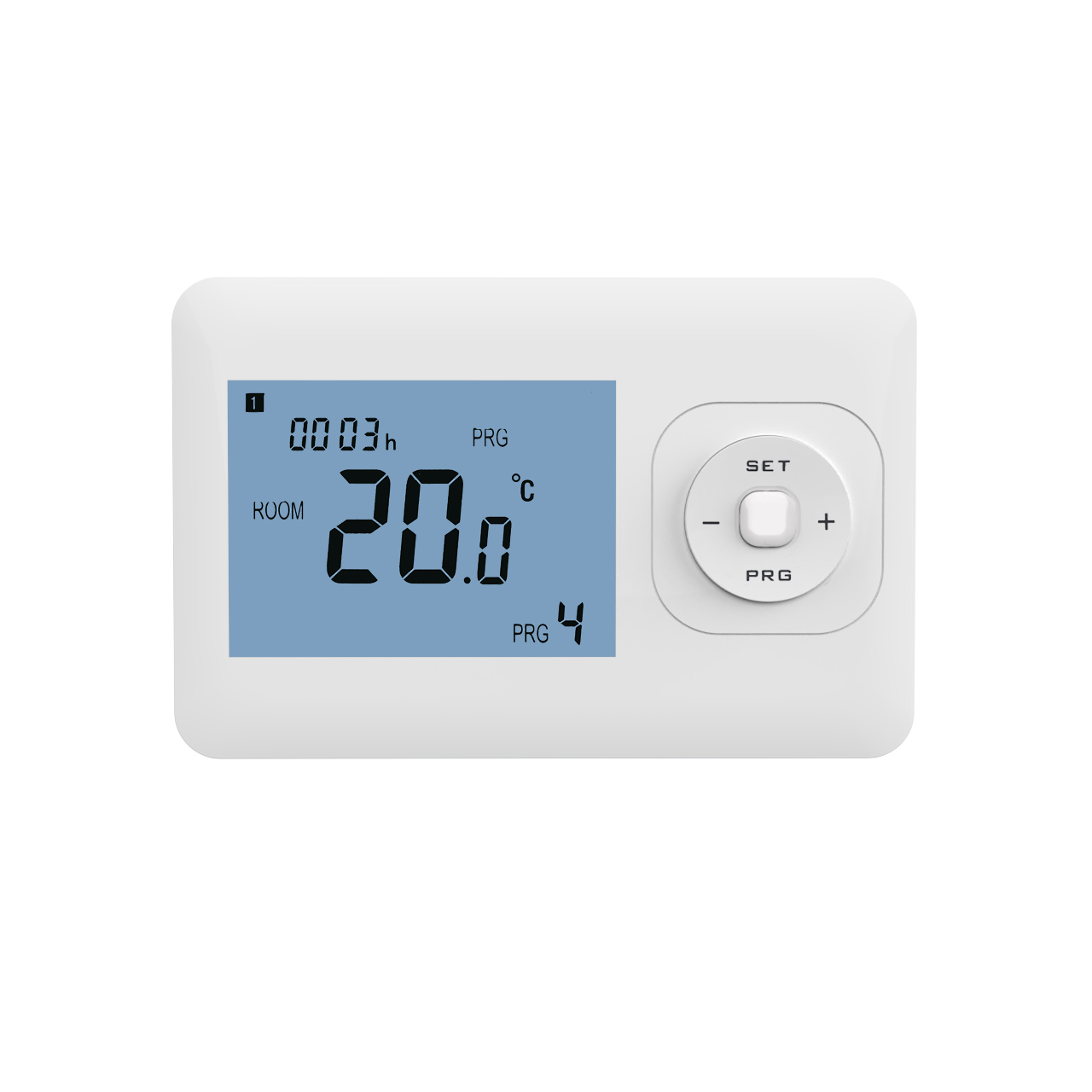
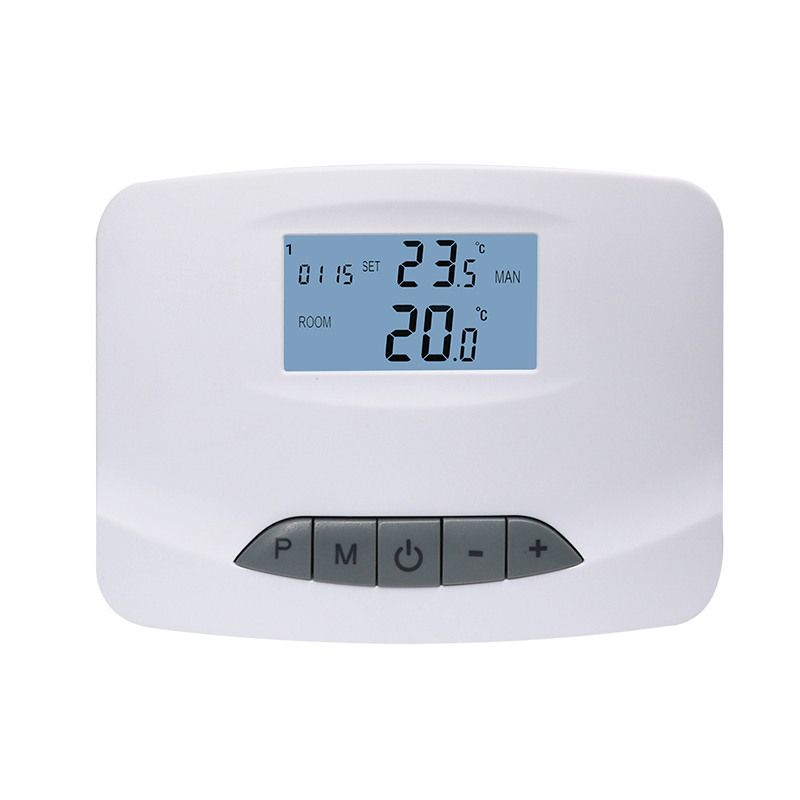
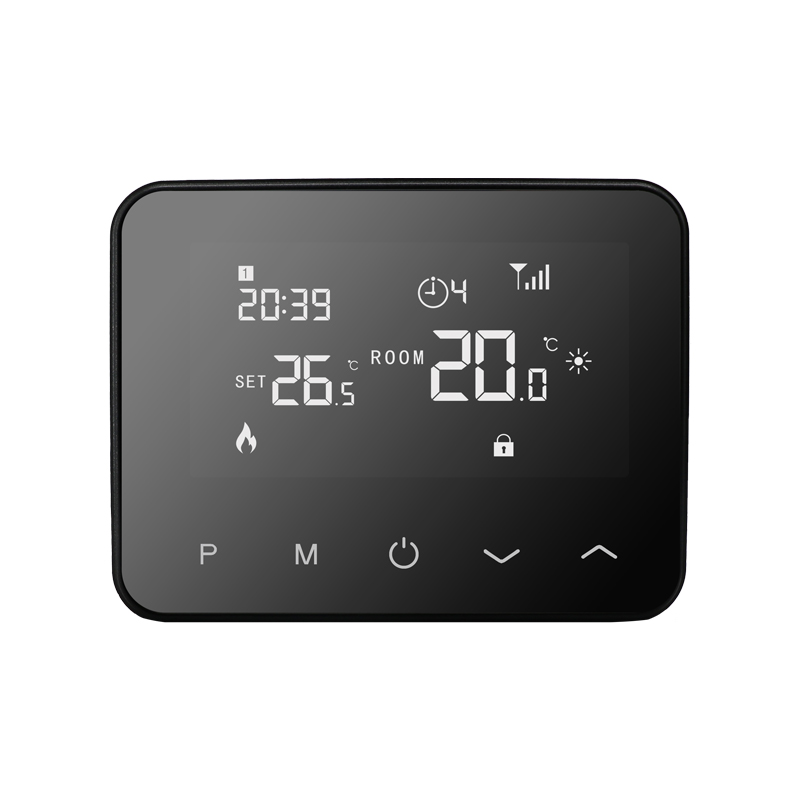
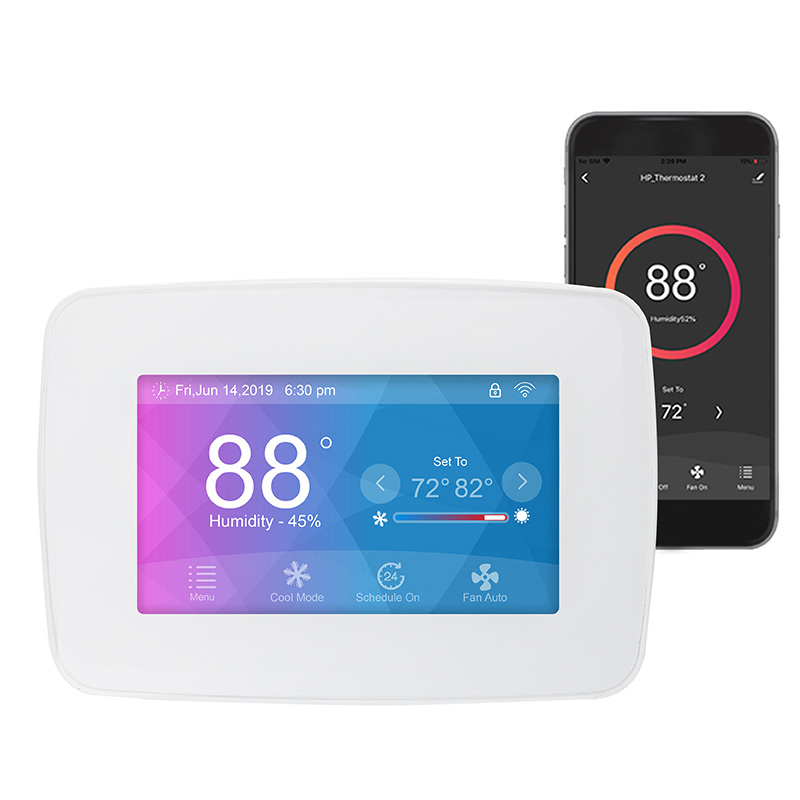
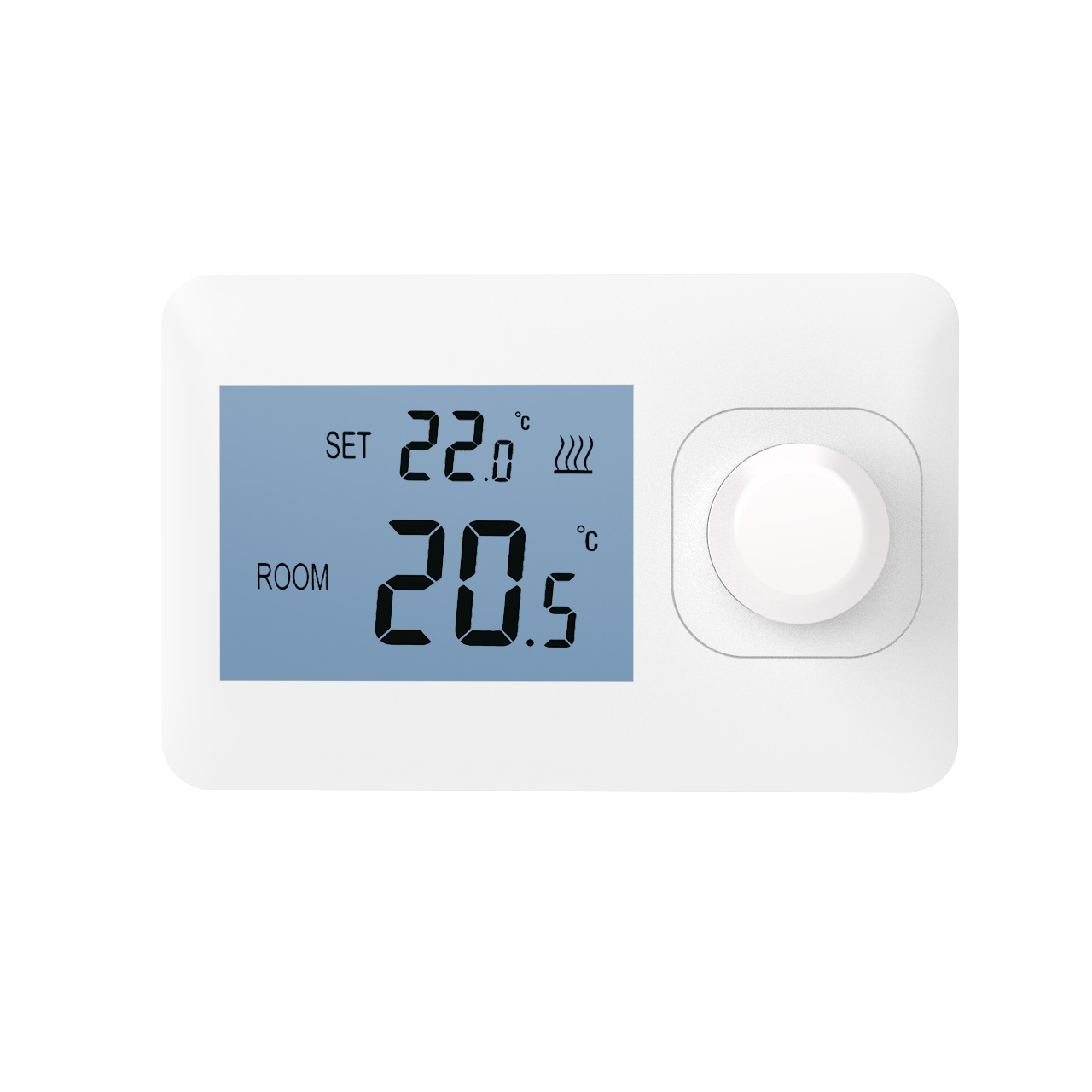
To achieve independent temperature control in each room, the underfloor heating system must meet a fundamental prerequisite: the room’s heat demand must be individually identified and addressed. This means the system must not only “know” the current temperature status of each room but also have the ability to heat or stop heating in different areas separately. Technically, this capability consists of three main parts: room thermostats, thermal actuators, and the underfloor heating control box. The thermostats are responsible for sensing and setting demand, the thermal actuators are responsible for executing switching actions, and the control box acts as the central hub, translating demand into unified management of the boiler, water pumps, and various circuits.
How does a wired underfloor heating control box achieve zoned management?
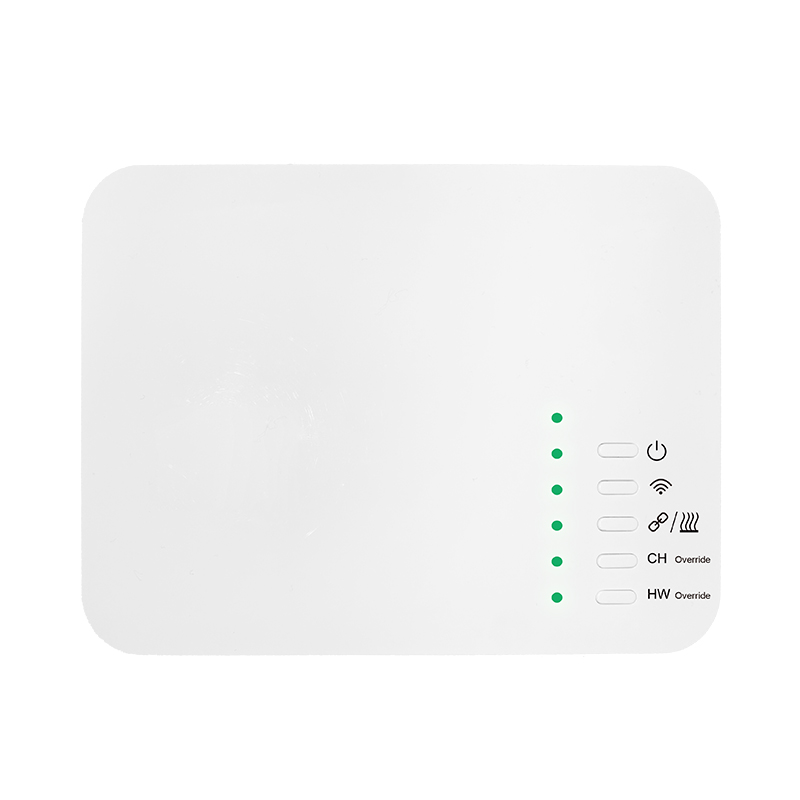
An 8-zone wired underfloor heating control box like the HR-02C is a core device designed for zoned control. It can connect to thermostats in up to 8 rooms, with each thermostat corresponding to an independent zone, dividing the overall heating system into multiple controllable units. This design ensures that each room is no longer a passive recipient of a shared heat source but has the ability to independently issue heating demands. When a room needs heating, its thermostat sends a signal to the control box, which then instructs the actuators in the corresponding area to activate, achieving targeted heating. Other rooms that do not require heating are unaffected.
Thermal Actuators Enable True “Independent Temperature Control”
Independent temperature control is not just about “adjusting the temperature,” but more importantly, “effectiveness after adjustment.” This is where thermal actuators come into play. The HR-02C supports up to 5 thermal actuators per zone, meaning multiple circuits within the same room or functional area can be controlled synchronously. When a room reaches the set temperature, the control box shuts off the actuators in that zone, blocking hot water flow; while other areas still requiring heating remain open. This “on-demand heating, zone-based execution” mechanism is key to achieving truly independent temperature control in underfloor heating, avoiding the common problem of “some rooms overheating, some rooms undercooling” in traditional systems.
Unified Coordination of Boiler and Pumps Prevents System Conflicts
Some may worry that independent control of multiple rooms will lead to frequent start-ups and shutdowns of the boiler and pumps, thus affecting equipment lifespan. In fact, this is one of the reasons why underfloor heating control boxes exist. The HR-02C, as the management center for the boiler, pumps, and actuators, can coordinate the needs of multiple areas. The system only drives the boiler and pumps when at least one area requires heating; once the needs of all areas are met, operation ceases uniformly. This centralized management approach ensures independent temperature control for each room while avoiding disordered operation between devices.
The Stability Advantages of Wired Control
In scenarios with independent temperature control in multiple rooms, system stability is particularly important. Compared to completely decentralized or temporary solutions, wired control boxes offer higher reliability. All temperature control signals and execution commands are centralized in the control box through clear wiring, reducing the possibility of signal loss and misjudgment. Simultaneously, the “easy wiring and installation” design allows installers to quickly and accurately complete zonal connections, laying the foundation for long-term stable operation. This stability is a crucial guarantee for the long-term effectiveness of independent temperature control.
Opentherm and Modbus Expand the Depth of Independent Temperature Control
With Opentherm connectivity, underfloor heating systems can not only achieve “room-level on/off control” but also participate in boiler output regulation, making the supply water temperature more closely match overall needs. When the demand in individual rooms decreases, the boiler can correspondingly reduce its output intensity, thereby improving system energy efficiency. The addition of Modbus (optional) enables system integration and intelligent management, allowing independent temperature control to move beyond basic functions and be integrated into larger building control or energy management systems.
The Practical Value of Independent Temperature Control
Independent temperature control in each room means that living and usable spaces truly achieve “on-demand heating.” Frequently used rooms maintain stable comfort, while less frequently used spaces do not excessively consume energy, resulting in more rational overall system operation. Zoned control reduces ineffective heating, helps lower energy consumption, extends equipment lifespan, and makes underfloor heating systems more compatible with the refined management requirements of modern buildings.
Underfloor heating not only allows for independent temperature control in each room, but with the support of modern control technologies, this independent temperature control has become a mature and reliable solution. Centered around the HR-02C 8-zone wired control box for underfloor heating, the system centrally manages room thermostats, thermal actuators, and the boiler and water pump. This allows for precise identification and control of the heating needs of each room. Each zone supports up to multiple thermal actuators, enabling true room-level control. Furthermore, expanded functionality such as Opentherm and Modbus enhances the precision of independent temperature control and system synergy. In today’s world, where comfort, energy efficiency, and flexibility are paramount, underfloor heating systems with independent zone temperature control have become a key indicator of high-quality heating solutions.