
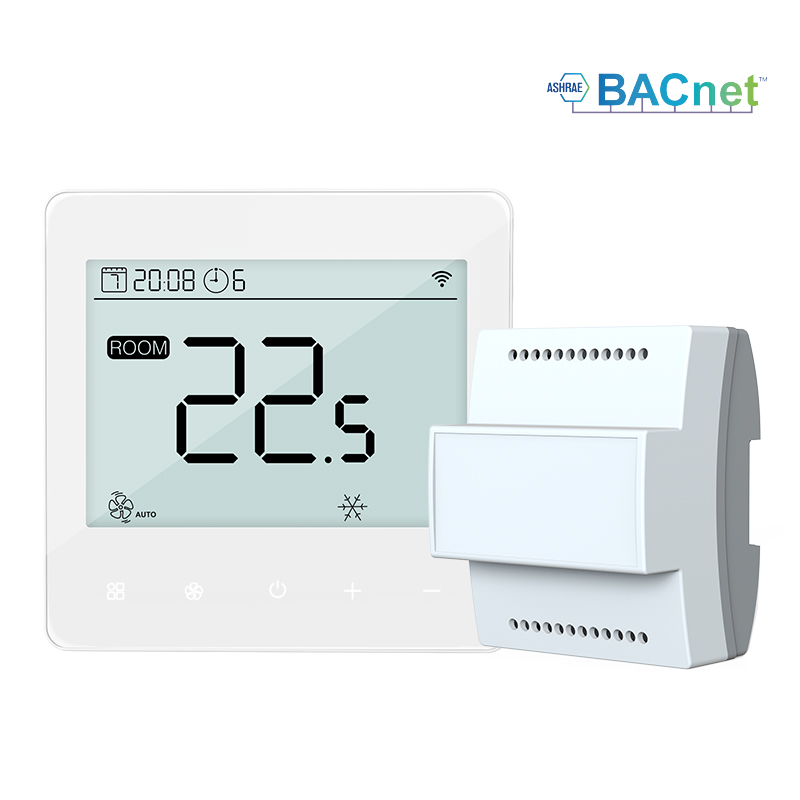
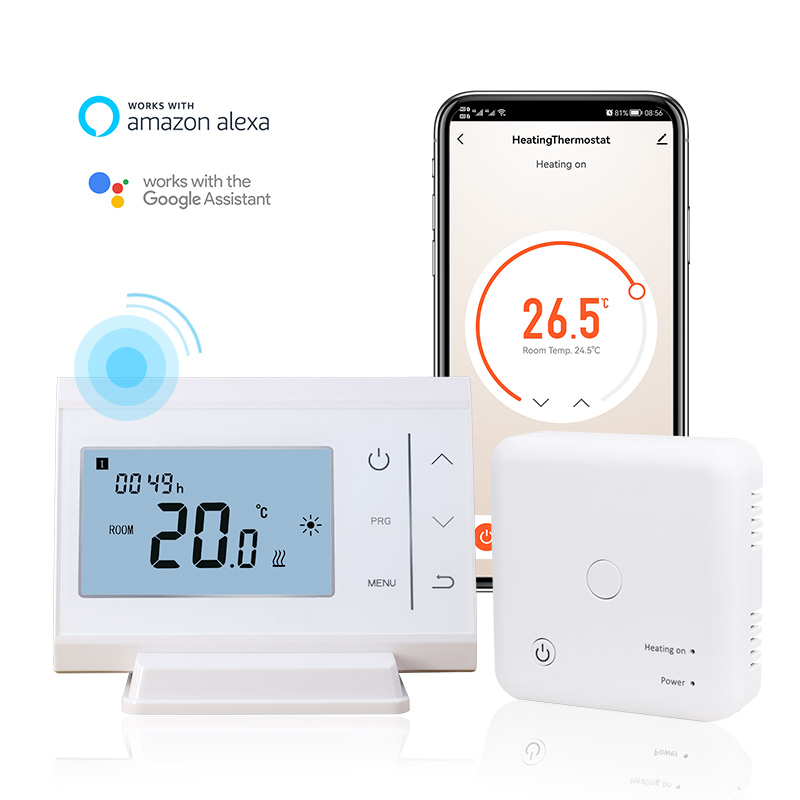
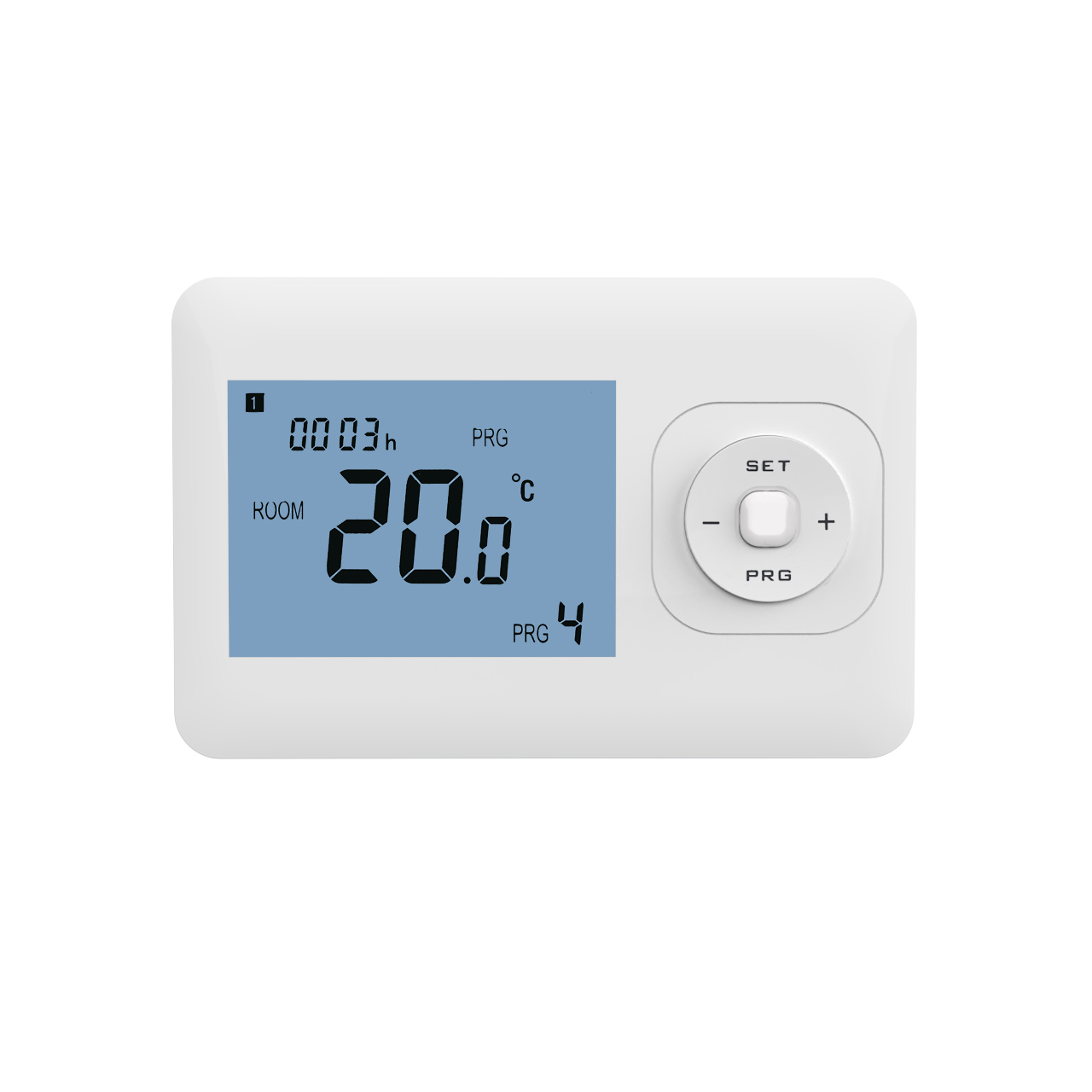
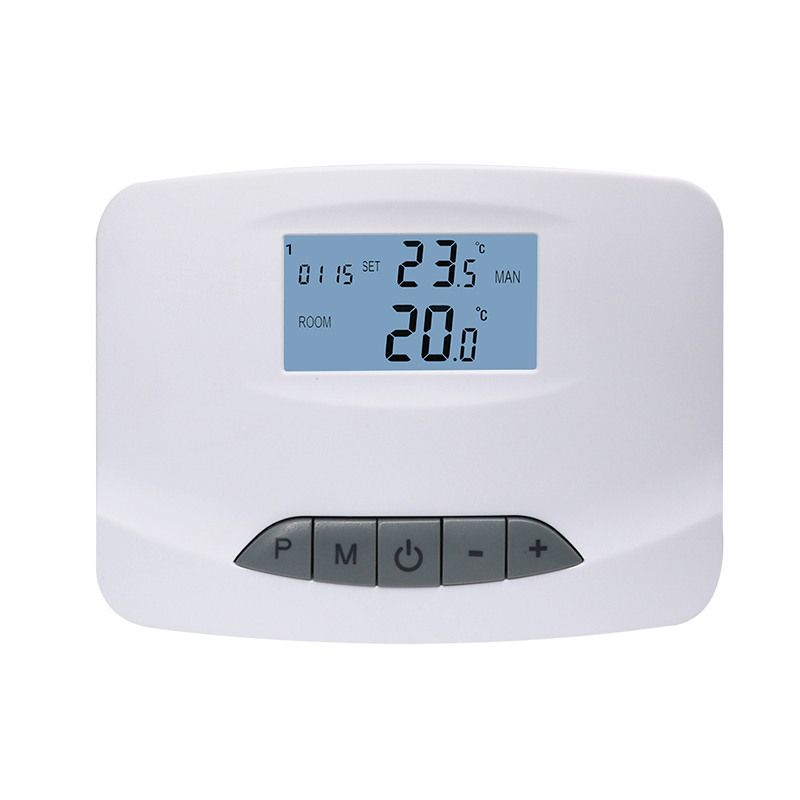
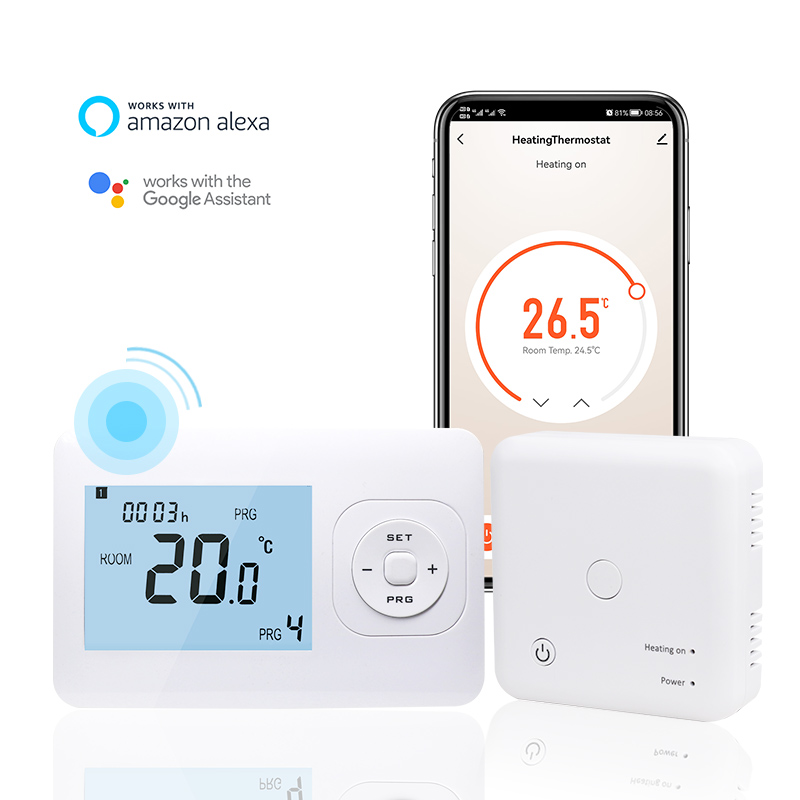
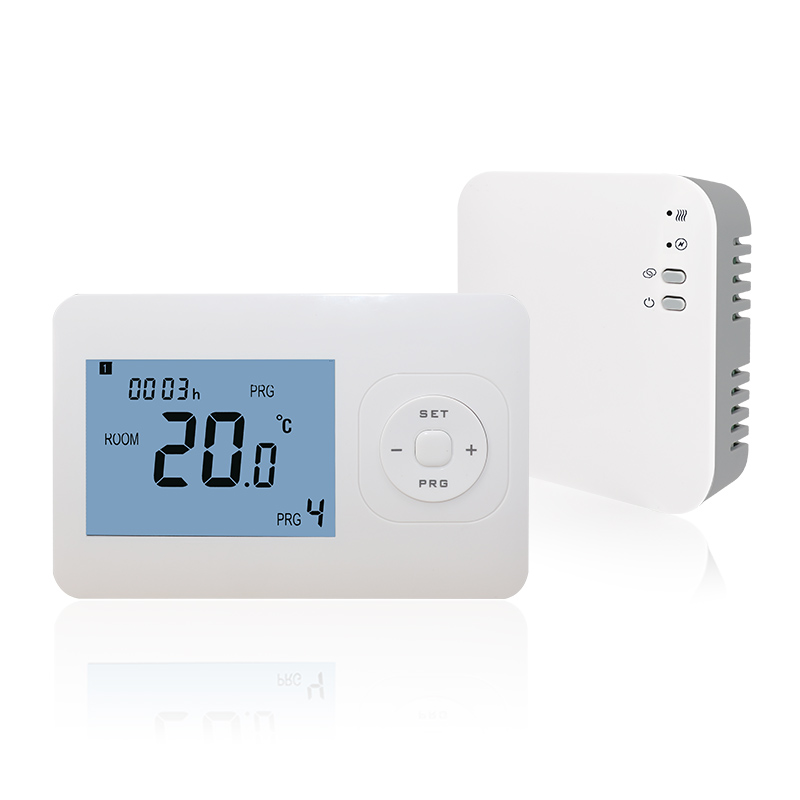
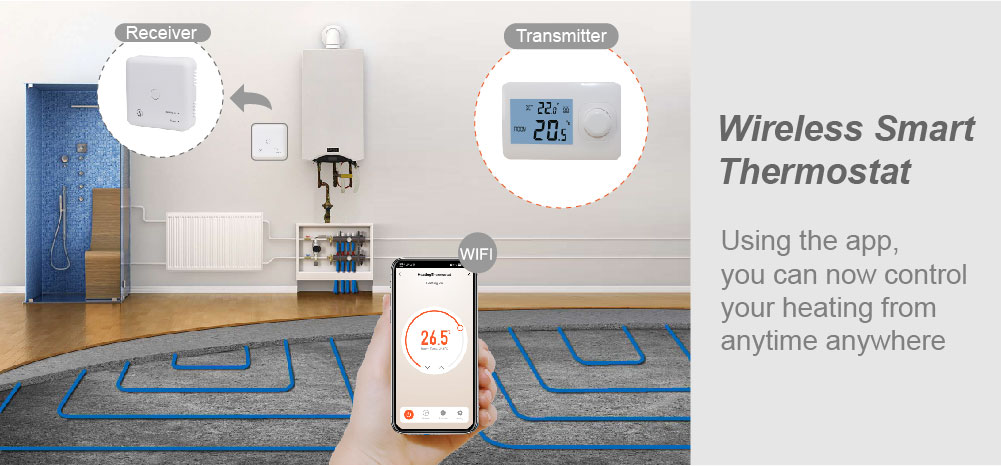
In modern commercial buildings, office spaces, hotels, and public facilities, different zones often have varying temperature requirements. Meeting rooms, office areas, guest rooms, and public corridors differ in temperature preferences, usage schedules, and ventilation conditions. As a commonly used terminal HVAC device, fan coil units (FCUs) paired with thermostats play a key role in achieving multi-zone temperature control. This article explores how FCU thermostats meet the temperature control needs of different zones, from control principles to practical advantages.
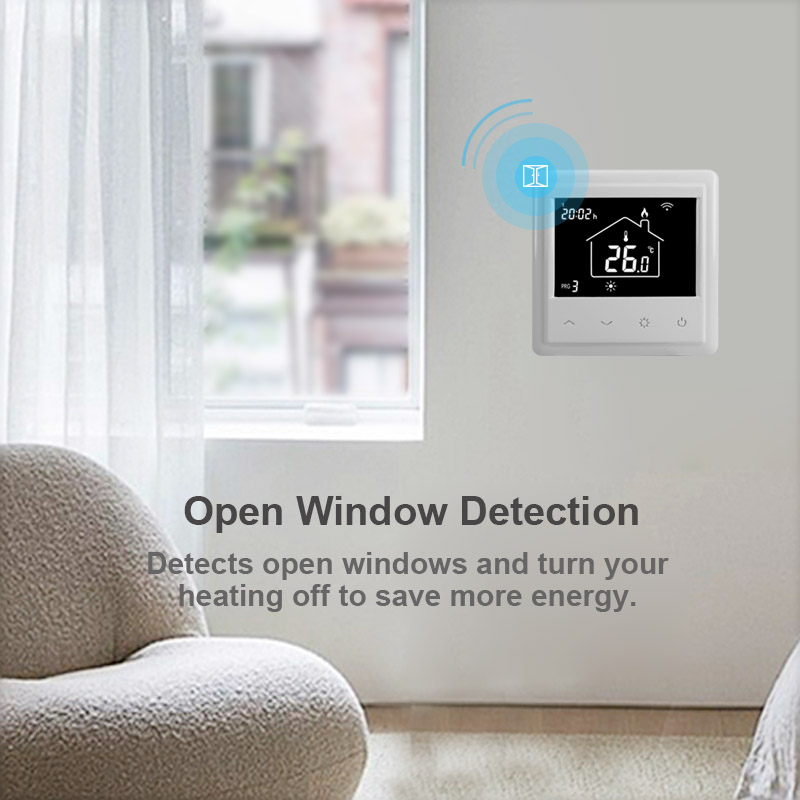
Multi-Zone Control Principle of Thermostats
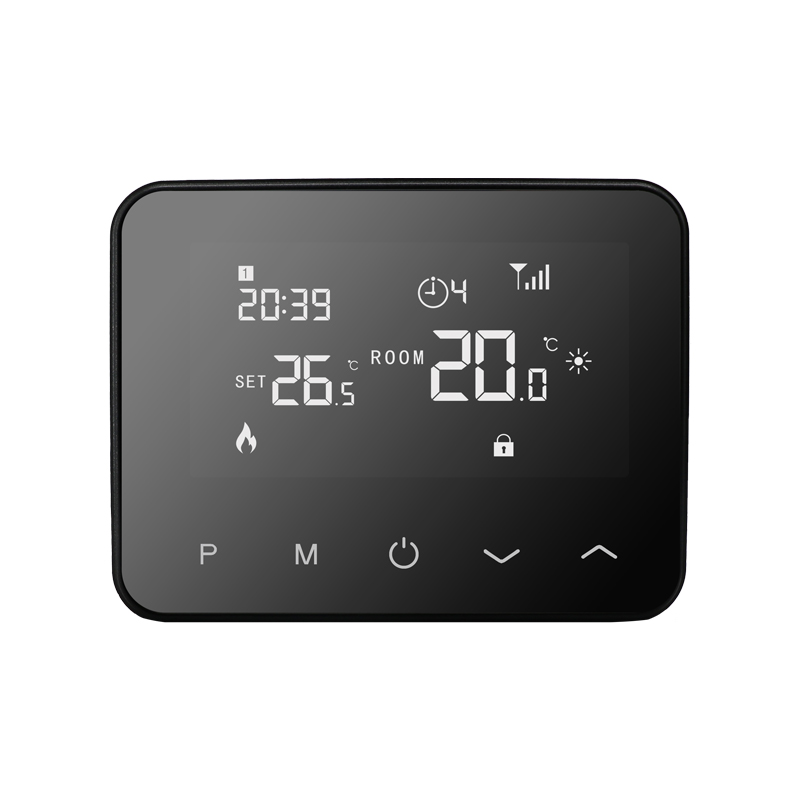
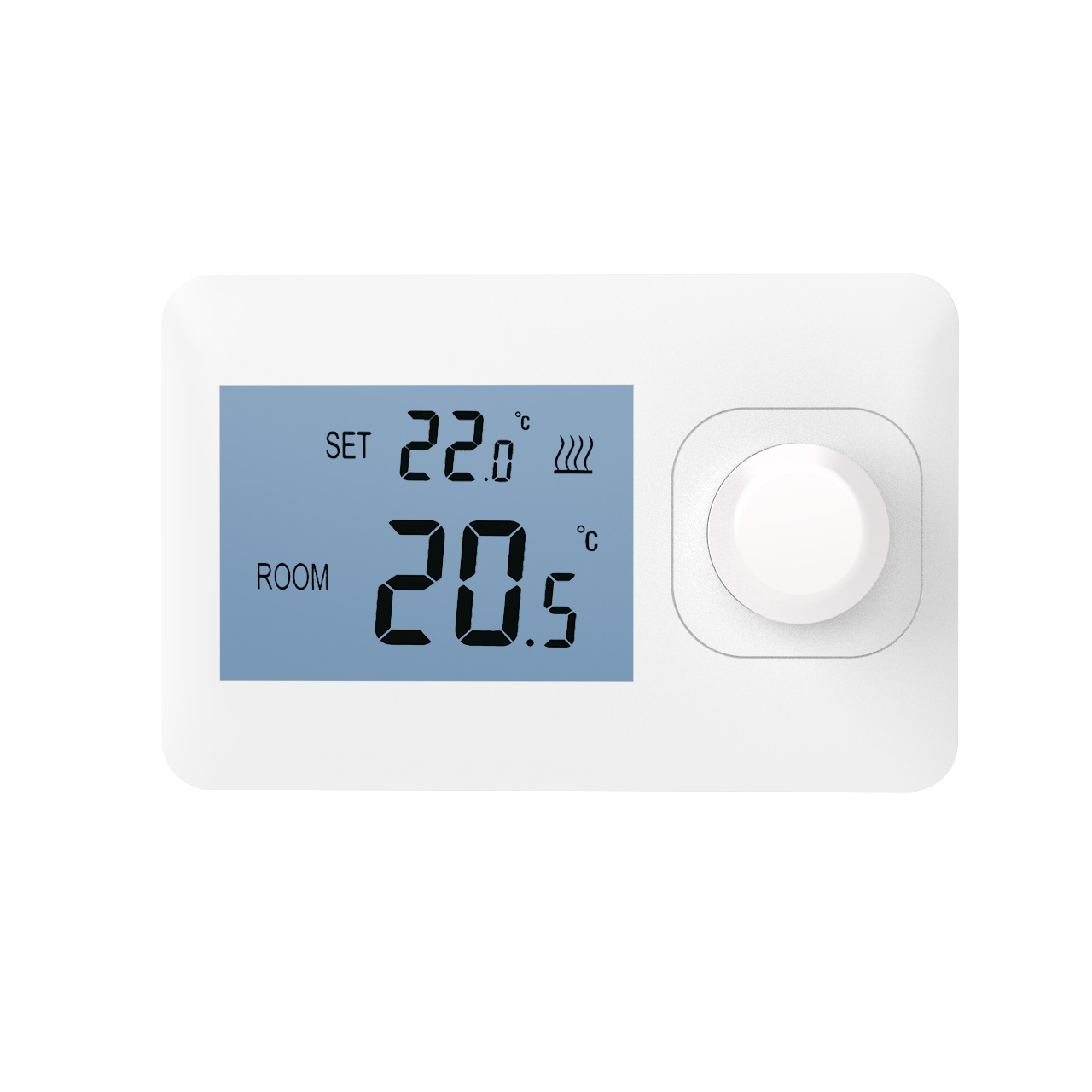
FCU thermostats regulate room temperature through temperature sensors linked to fan and valve control. When each zone is equipped with an independent thermostat, the device continuously monitors the local temperature and sends adjustment signals to the fan or valve, enabling precise zone-level control.
This localized control allows different areas in a building to maintain optimal comfort based on actual use. For example, office areas can be kept slightly cooler during the day to improve productivity, while meeting rooms adjust temperature according to scheduled occupancy, ensuring comfort and energy efficiency.
Methods to Achieve Zone-Specific Temperature Control
In practice, multi-zone temperature control can be implemented in several ways:
Independent thermostat units: Each room or zone has its own FCU thermostat that adjusts temperature according to user settings.
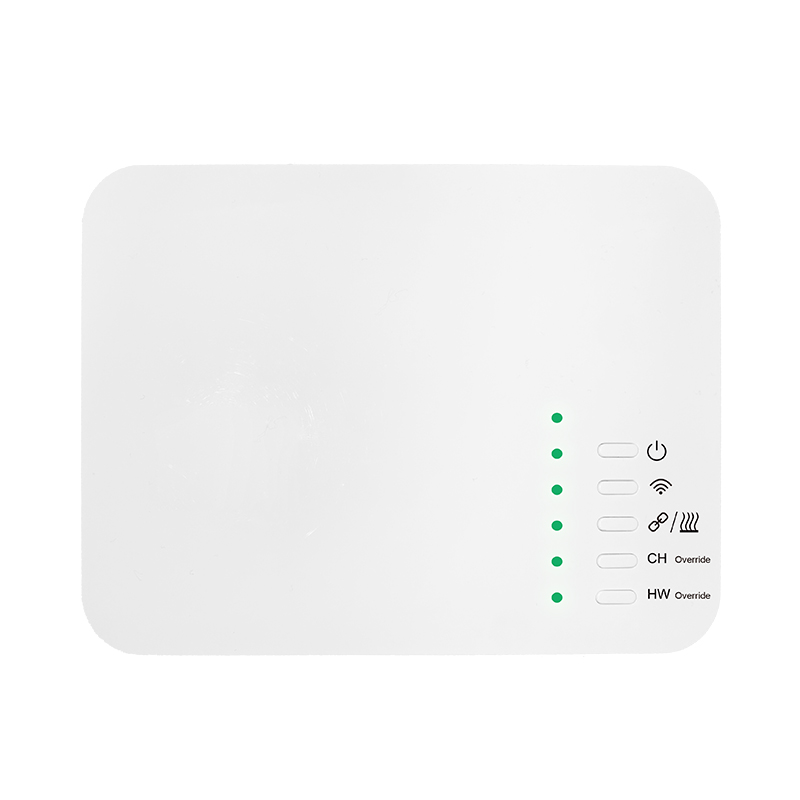
Integration with centralized control systems: Thermostats compatible with building management systems (BMS) can be managed remotely, allowing centralized scheduling and zone-specific control.
Adjustable fan speeds and valve positions: Thermostats can finely regulate fan speed and hot/cold water valve opening, preventing overcooling or overheating and ensuring precise temperature control.
This zoned management approach balances comfort in each area while reducing overall energy consumption.
Flexible Adjustment Advantages of FCU Thermostats
FCU thermostats offer multiple flexible control features to accommodate different zone requirements:
Scheduled control: Thermostats can be programmed with timers or mode schedules to match the zone’s usage patterns, ensuring air conditioning operates on demand.
Comfort and energy-saving mode switching: Different zones can switch between comfort and energy-saving modes to optimize both user experience and energy efficiency.
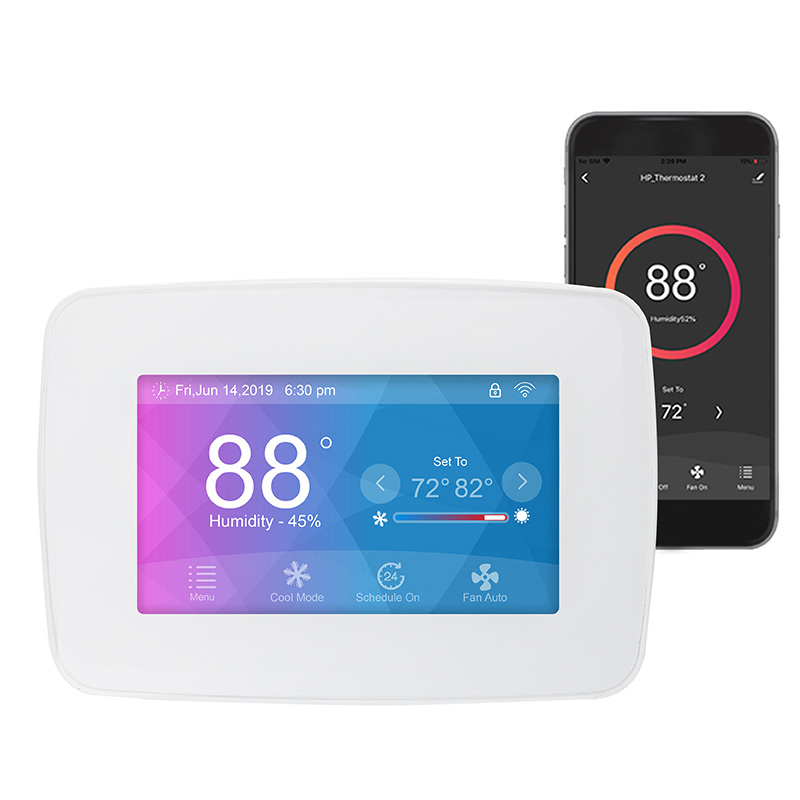
Remote monitoring and data feedback: Thermostats can report real-time environmental data and allow adjustments from a central location, optimizing temperature control strategies dynamically.
These capabilities ensure that each zone’s temperature is both independent and coordinated, improving overall system efficiency.
Practical Application Examples
Hotel guest rooms: Each room has its own thermostat, allowing guests to adjust temperature individually for maximum comfort.
Office buildings: Zone-specific control enables separate temperature settings for offices, meeting rooms, and common areas to meet varying needs.
Public facilities: Corridors and lobbies can run in energy-saving mode, while high-traffic areas maintain comfortable temperatures, balancing comfort and efficiency.
These examples demonstrate that FCU thermostats provide flexible and reliable multi-zone control, accommodating complex building layouts and diverse user requirements.
Summary: FCU Thermostats as Core Tools for Multi-Zone Temperature Control
In summary, fan coil unit thermostats enable multi-zone temperature control, flexible adjustment, and energy-efficient management. By responding to the unique usage characteristics and comfort requirements of each space, they provide precise temperature regulation.
Whether in hotels, office buildings, or public facilities, combining multi-zone strategies with FCU thermostats significantly enhances user comfort while optimizing system operation, achieving the dual goals of comfort and energy efficiency.