
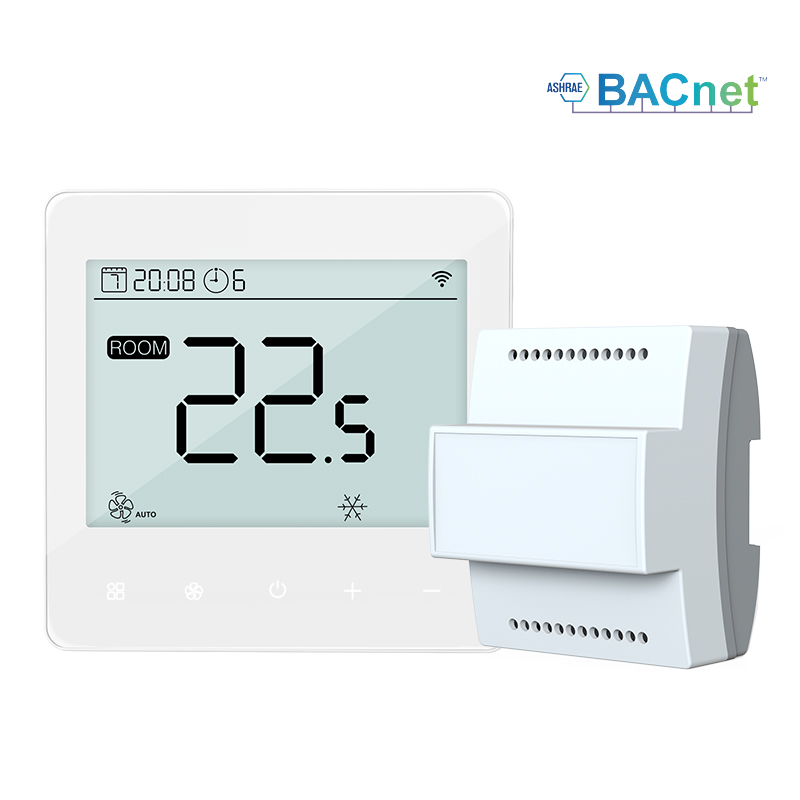
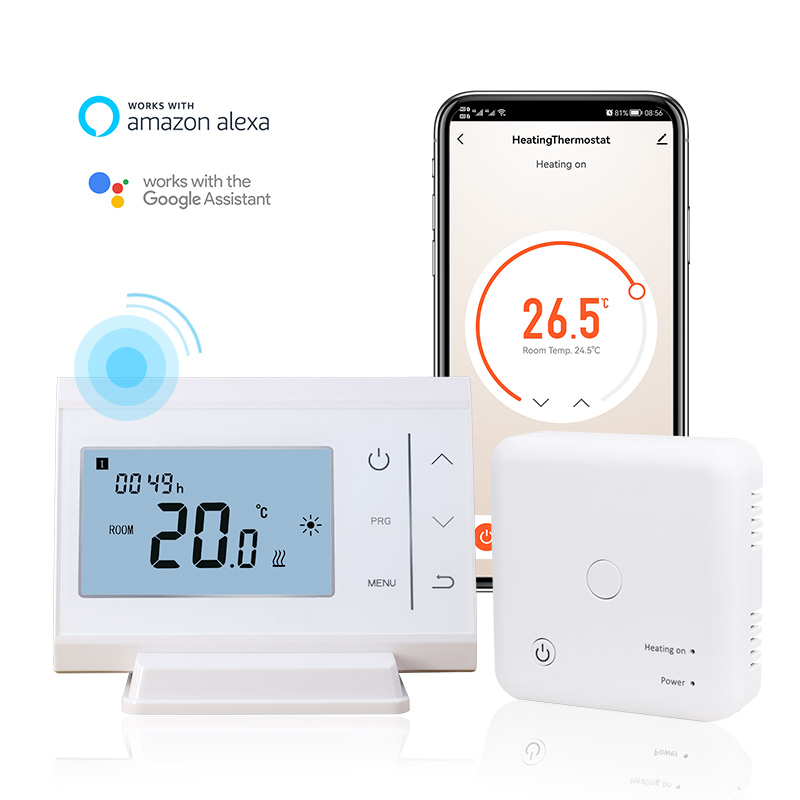
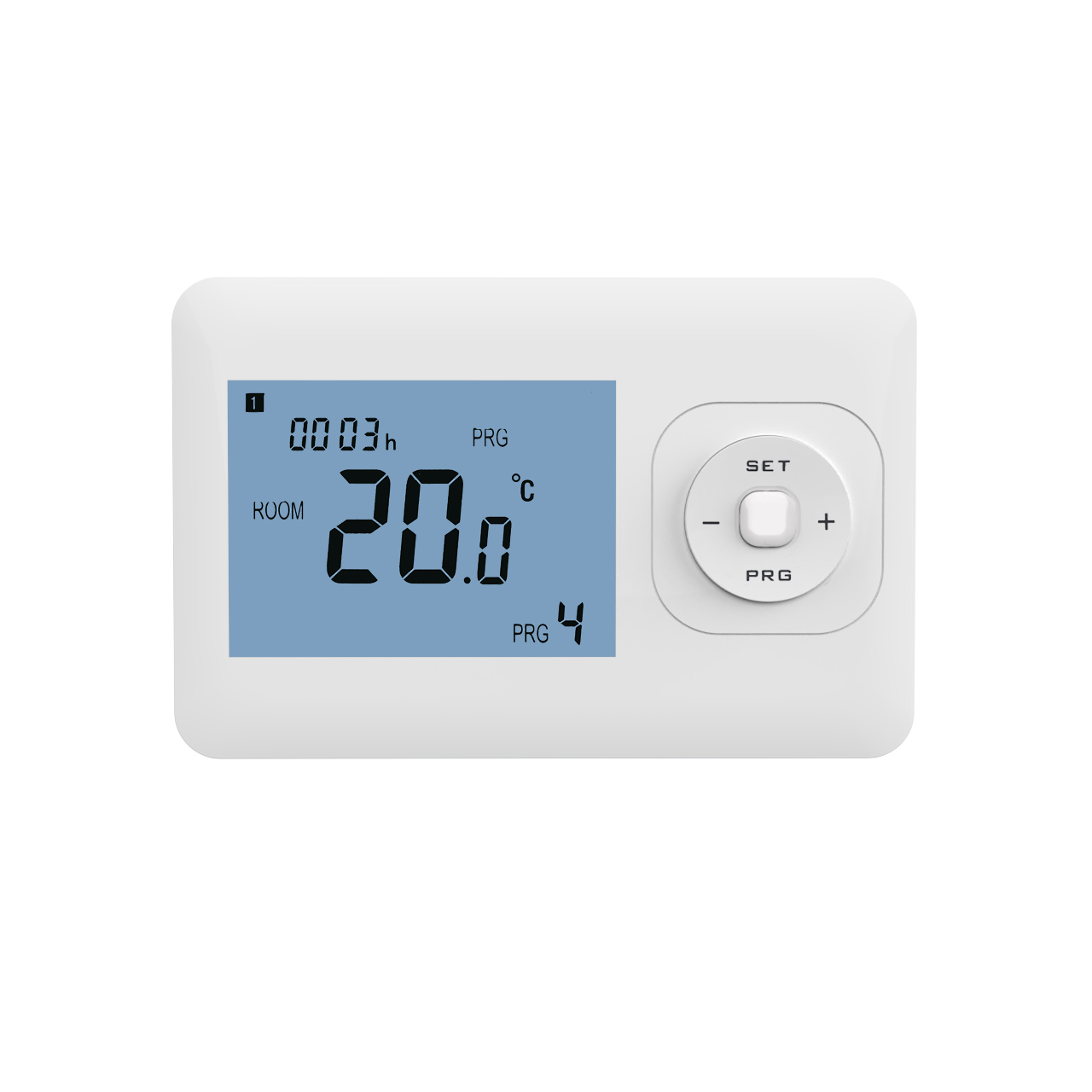
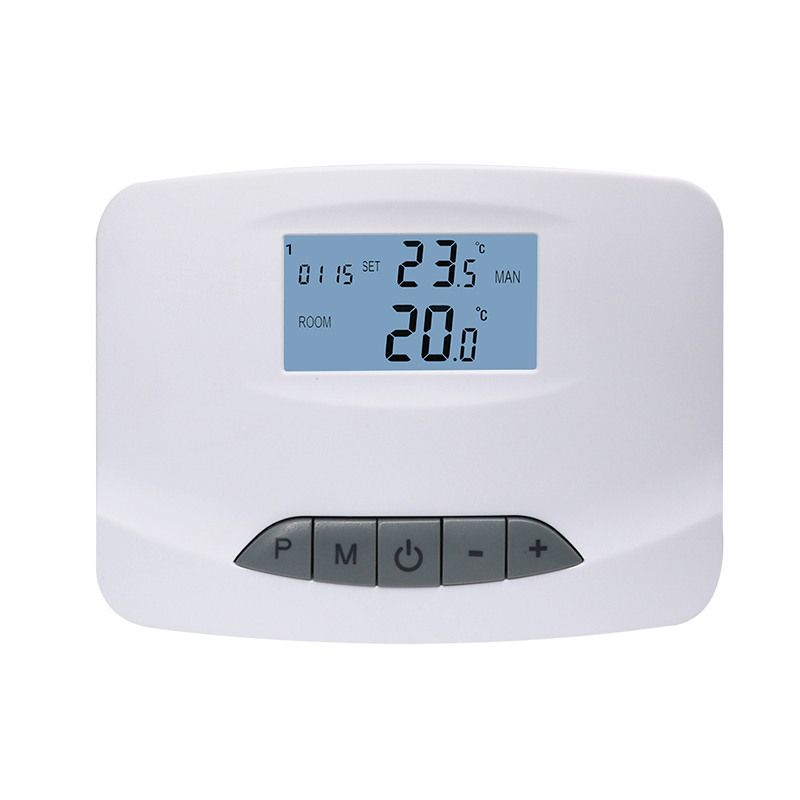
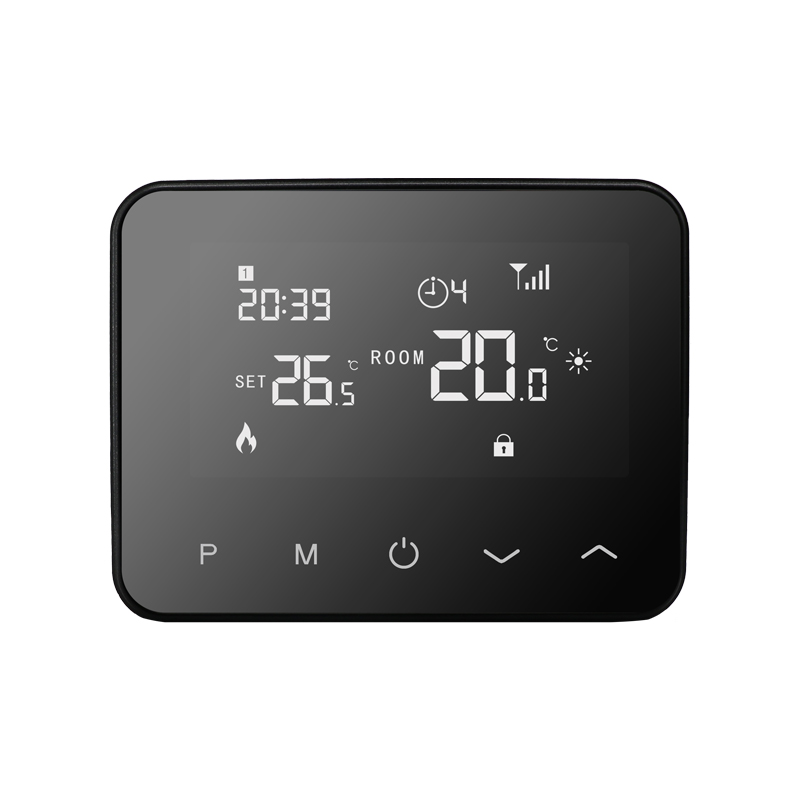
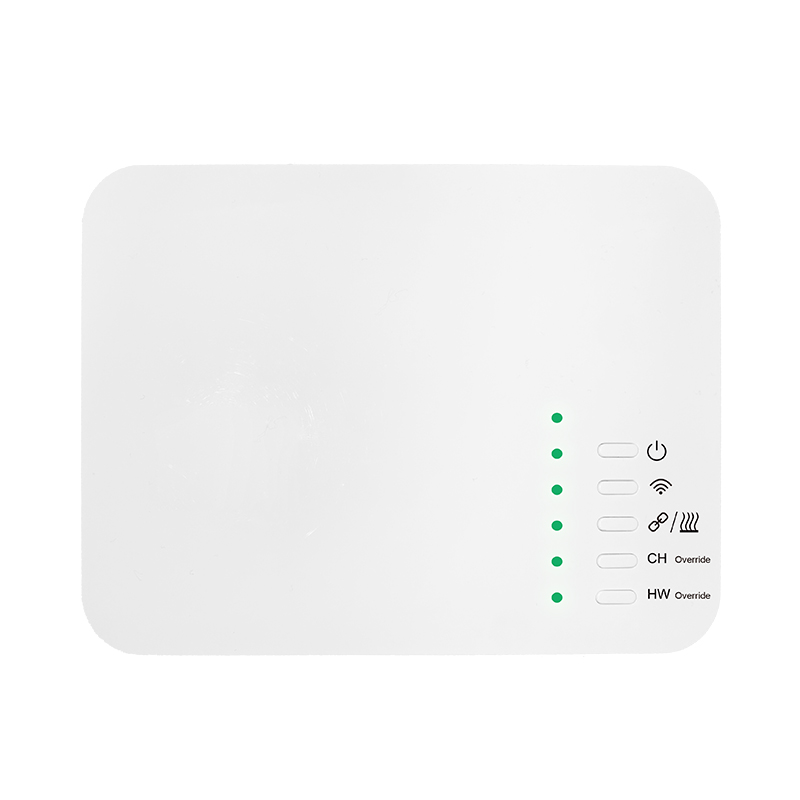
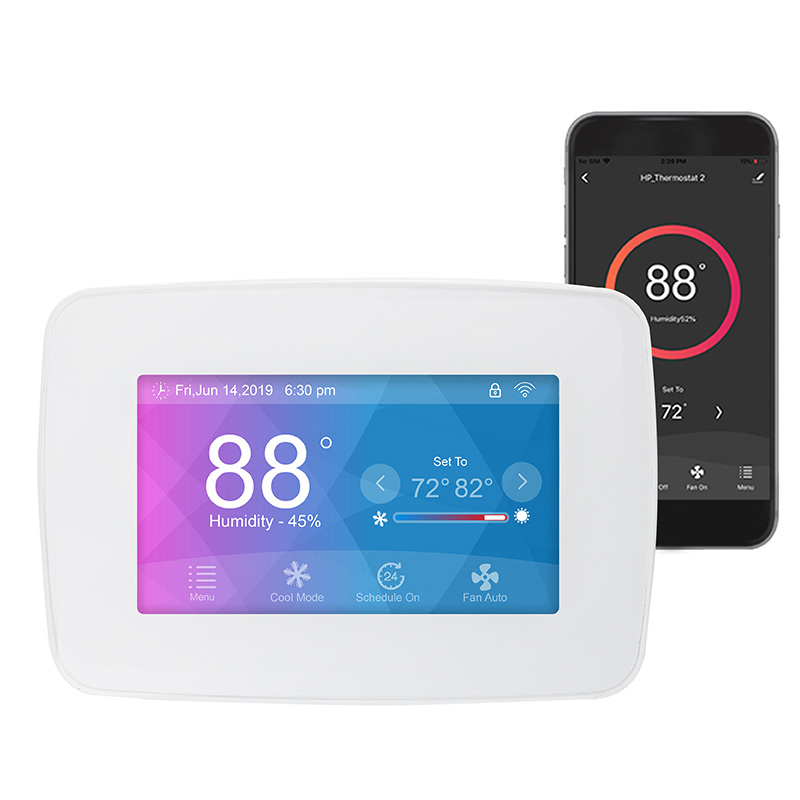
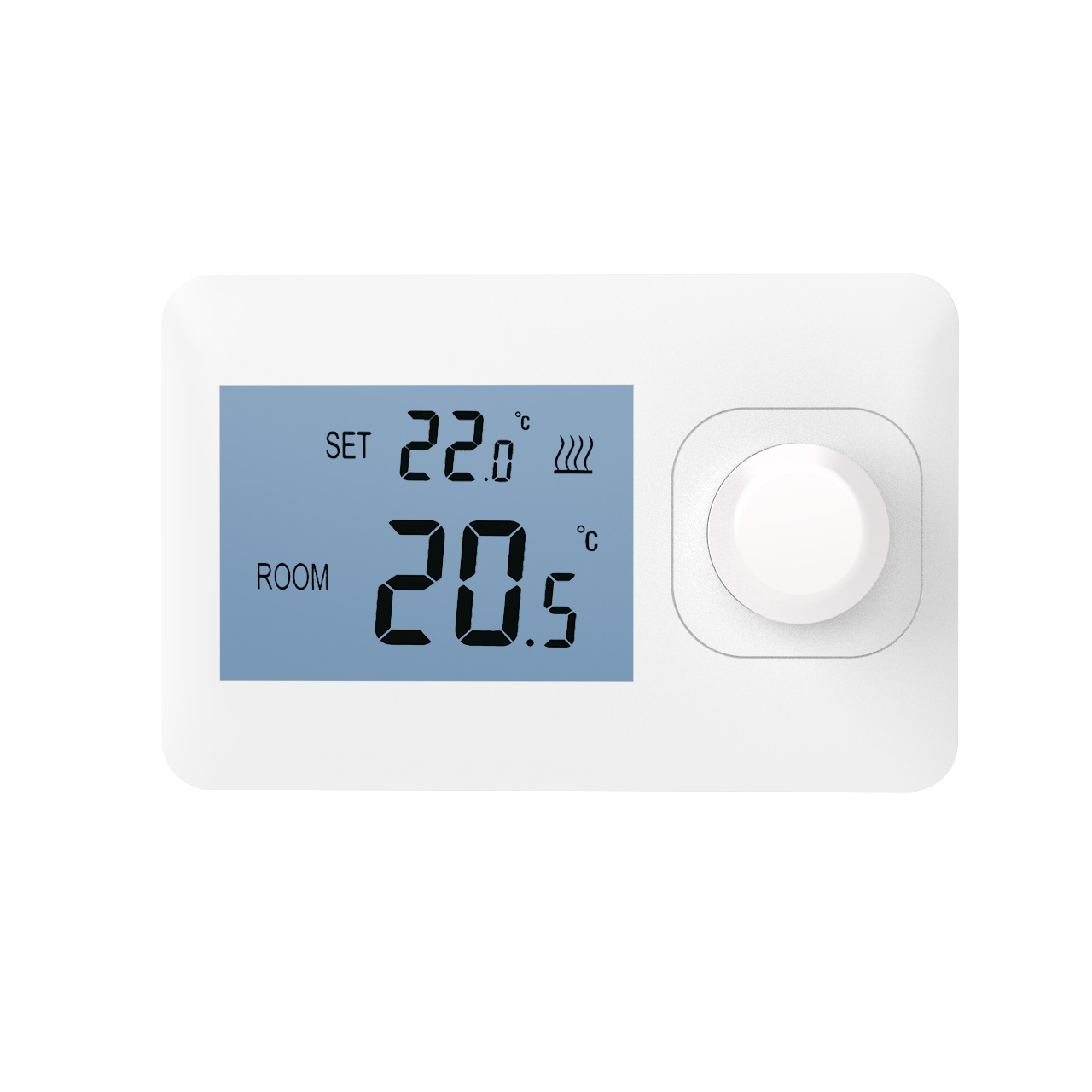
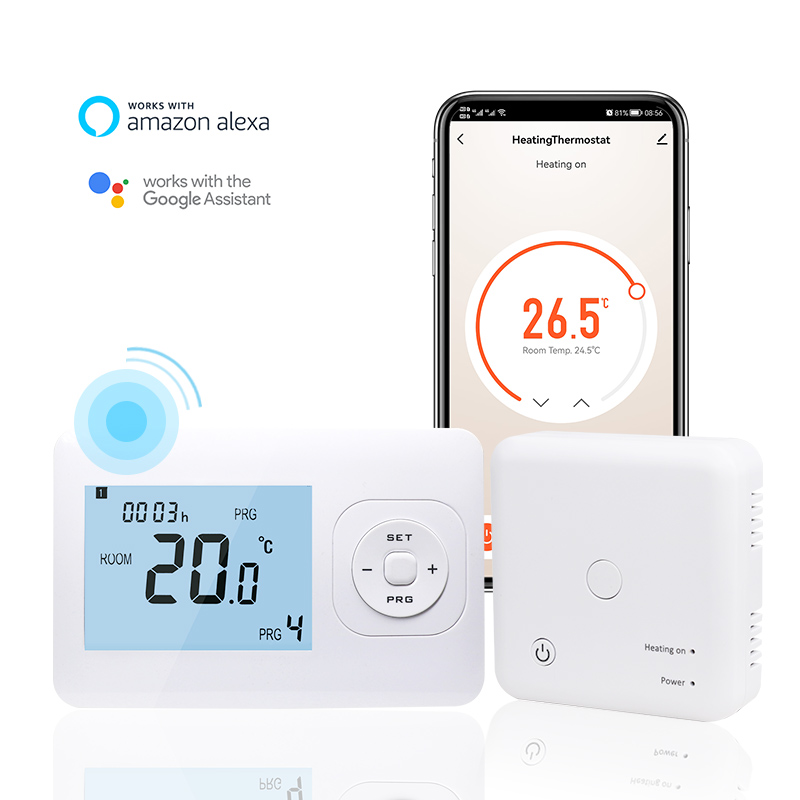
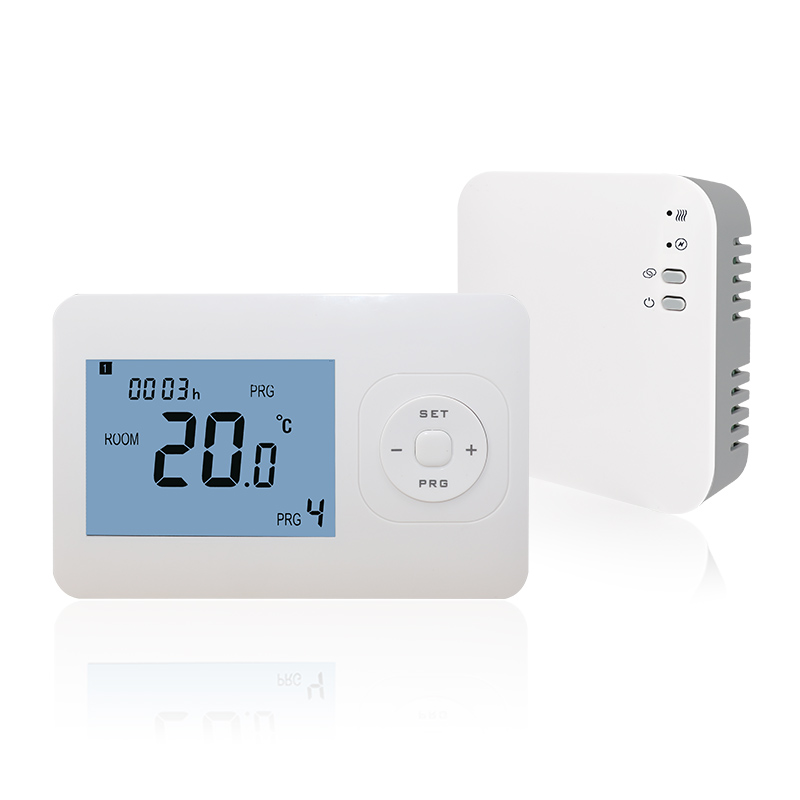
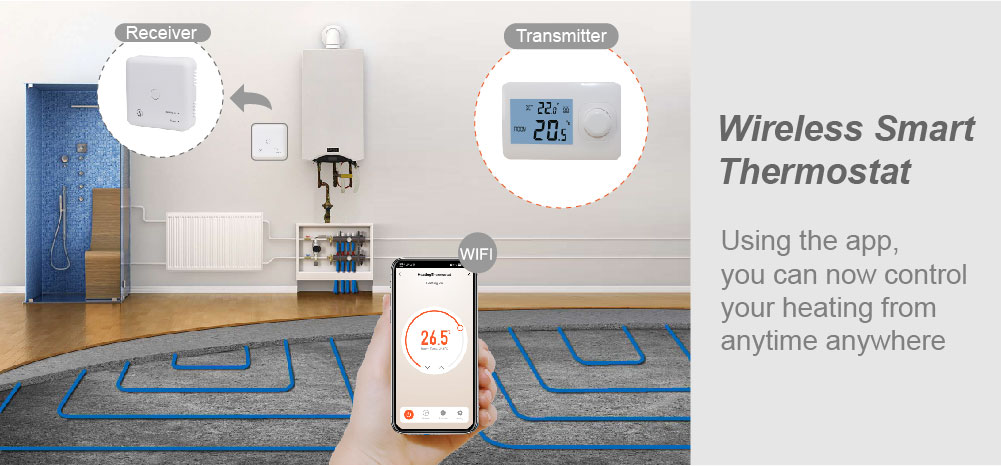
In commercial buildings such as offices, hotels, hospitals, and shopping centers, HVAC systems are often the largest source of energy consumption. Among them, fan coil unit (FCU) systems are widely used due to their flexibility and zoning capability. However, because they operate for long hours and are installed in large numbers, their energy performance has a significant impact on overall building efficiency. As the core terminal control device, the fan coil unit thermostat plays a crucial role in energy consumption management.
This article explores the importance of FCU thermostats from the perspectives of control logic, energy-saving mechanisms, and real-world applications.
Fan Coil Unit Thermostats as the Key to Terminal Energy Control
A fan coil unit thermostat directly controls fan operation, fan speed selection, and water valve switching. Compared with central HVAC equipment, terminal devices are more numerous and decentralized. Poor control at the terminal level can easily lead to hidden energy waste.
If a thermostat lacks sufficient control accuracy, problems such as temperature fluctuations and frequent on-off cycling may occur. These issues not only reduce indoor comfort but also cause fans and valves to operate under high load for extended periods, resulting in increased energy consumption.
How Precise Temperature Control Reduces HVAC Energy Use
High-quality FCU thermostats offer accurate temperature sensing and optimized control algorithms. As the room temperature approaches the setpoint, the thermostat can adjust fan speed or valve position in advance to prevent overcooling or overheating.
This precise temperature control significantly reduces unnecessary runtime and lowers the load on chillers and boilers. In buildings with multiple rooms or large floor areas, even small energy savings per room can add up to substantial reductions in overall energy consumption.
The Impact of Fan Speed Control on Energy Efficiency
Fan coil units typically operate with multi-speed fans or variable-speed control. By automatically selecting the appropriate fan speed based on the temperature difference, the thermostat prevents the fan from running at high speed continuously.
Low or medium fan speeds consume less energy, generate less noise, and reduce mechanical wear. An intelligent fan speed control strategy is therefore a key factor in achieving energy-efficient operation—and it relies entirely on the thermostat’s control capability.
Water Valve Control Strategies and System Efficiency
In hydronic systems, the thermostat controls two-way or three-way valves to regulate chilled or hot water flow. If the control logic is overly simplistic, frequent full open-and-close valve actions may occur, increasing pump energy consumption and reducing system efficiency.
Advanced thermostats use optimized valve control strategies to minimize unnecessary valve movement and keep the system operating within a stable and efficient range. This contributes to lower overall energy use across the HVAC system.
Centralized Management and Data Analysis for Greater Energy Savings
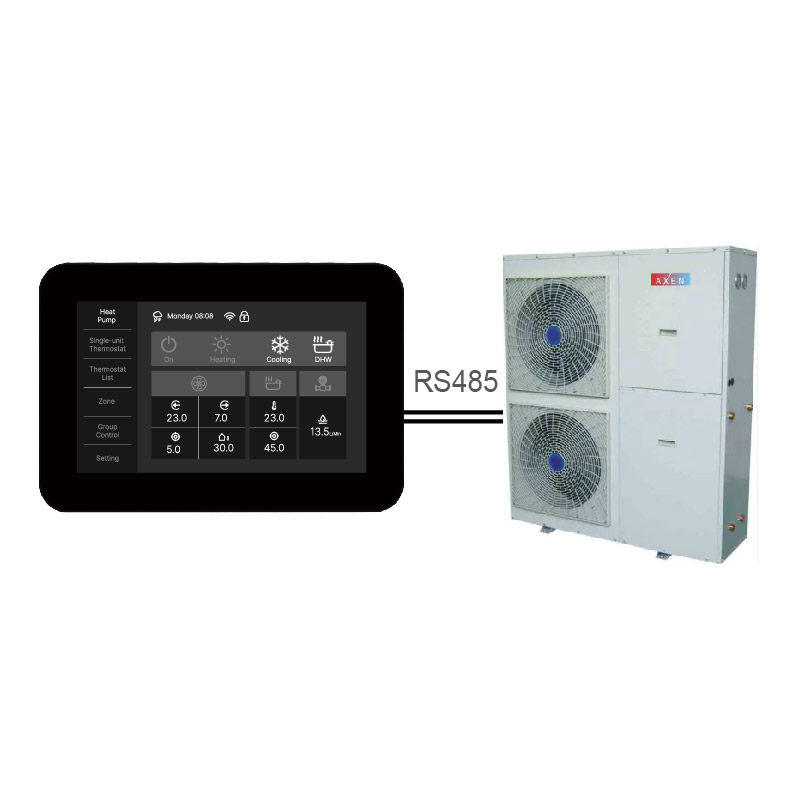
When equipped with communication capabilities, FCU thermostats can be integrated into building automation systems for centralized control. Unified scheduling, temperature setpoints, and operating modes help eliminate energy waste in unoccupied rooms or during non-working hours.
In addition, operational data collected from thermostats can be analyzed to identify abnormal energy consumption patterns. This transforms thermostats from simple control devices into valuable data nodes for energy management and continuous optimization.
The Hidden Energy Risks of Ignoring Thermostats
Neglecting thermostat performance and configuration can undermine the efficiency of even the most advanced central HVAC equipment. Outdated or poorly calibrated thermostats with slow response times and low accuracy are often the hidden reasons behind excessive building energy consumption.
Upgrading or properly configuring FCU thermostats is therefore one of the most cost-effective ways to improve energy performance without major system modifications.
Conclusion: Small Device, Big Impact
In summary, although a fan coil unit thermostat is a small component, it has a magnified impact on energy consumption management. Through precise temperature control, intelligent fan speed and valve regulation, and centralized management capabilities, thermostats play a vital role in reducing HVAC energy use. For buildings aiming to improve energy efficiency and achieve sustainable operation, the importance of FCU thermostats should never be underestimated.