
-2.jpg)
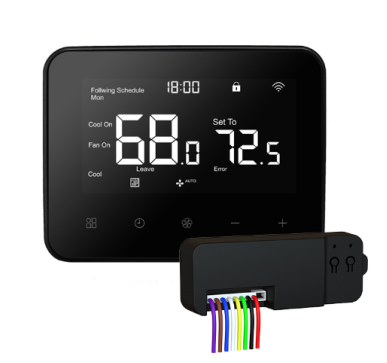
In modern homes and offices, energy saving and environmental protection are top priorities. A plug-in thermostat is an intelligent temperature control device that not only enhances comfort but also significantly improves energy efficiency. By precisely regulating indoor temperature and optimizing electricity usage, plug-in thermostats help users achieve both economic and environmental benefits.
-white.jpg)
Precise Temperature Control Reduces Energy Waste
The core advantage of a plug-in thermostat is accurate temperature regulation. Traditional heaters or air conditioners often operate with simple on/off controls, which can lead to overheating or overcooling, wasting energy. Plug-in thermostats use high-precision sensors to monitor room temperature in real time and automatically adjust power output to maintain a stable climate:
Prevent over-heating or over-cooling: The thermostat automatically adjusts power, avoiding unnecessary energy consumption.
Minimal temperature fluctuations: Accurate temperature control reduces energy loss and improves efficiency.
Precise temperature regulation not only increases comfort but also reduces electricity usage, enhancing overall energy efficiency.
Timers and Scene Control Optimize Electricity Use
Modern plug-in thermostats often feature timers and scene control functions:
On-demand heating or cooling: Users can set different temperatures for day and night, such as lowering temperatures during sleep and increasing warmth during daytime.
Multi-zone control: Bedrooms, living rooms, or offices can have different temperature settings, preventing energy waste.
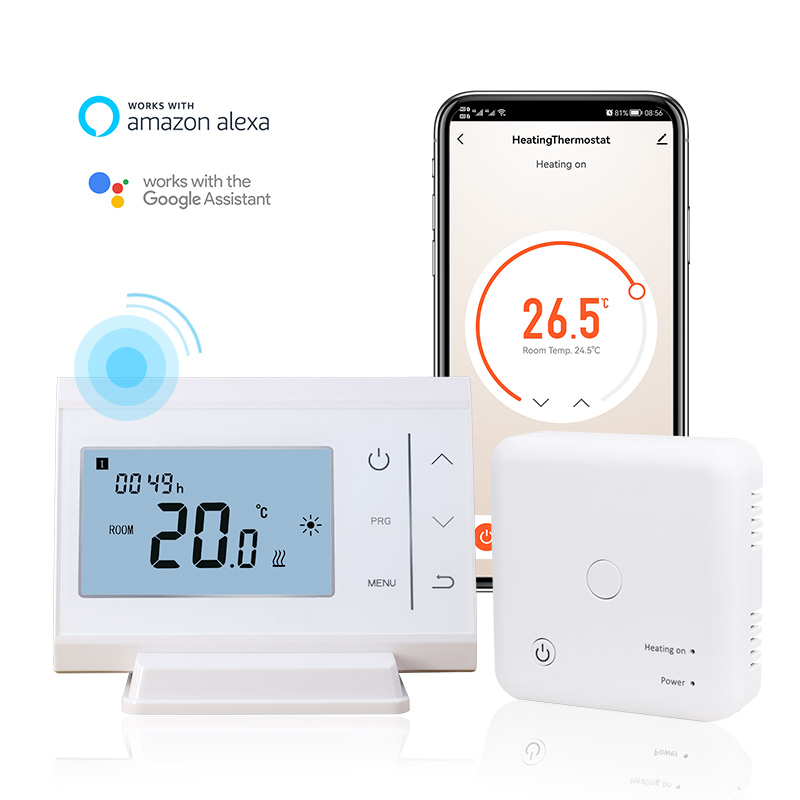
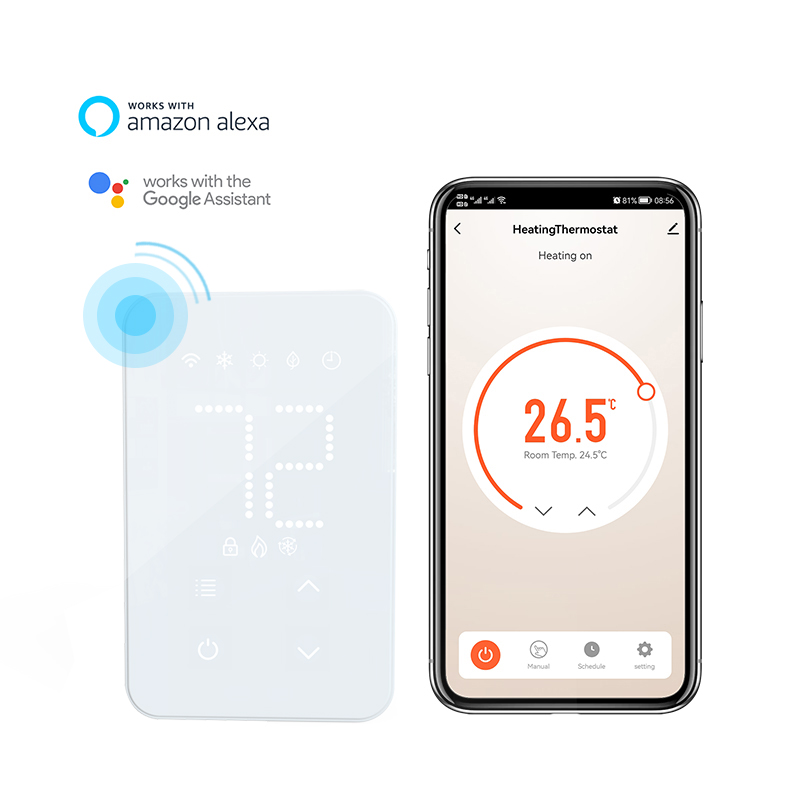
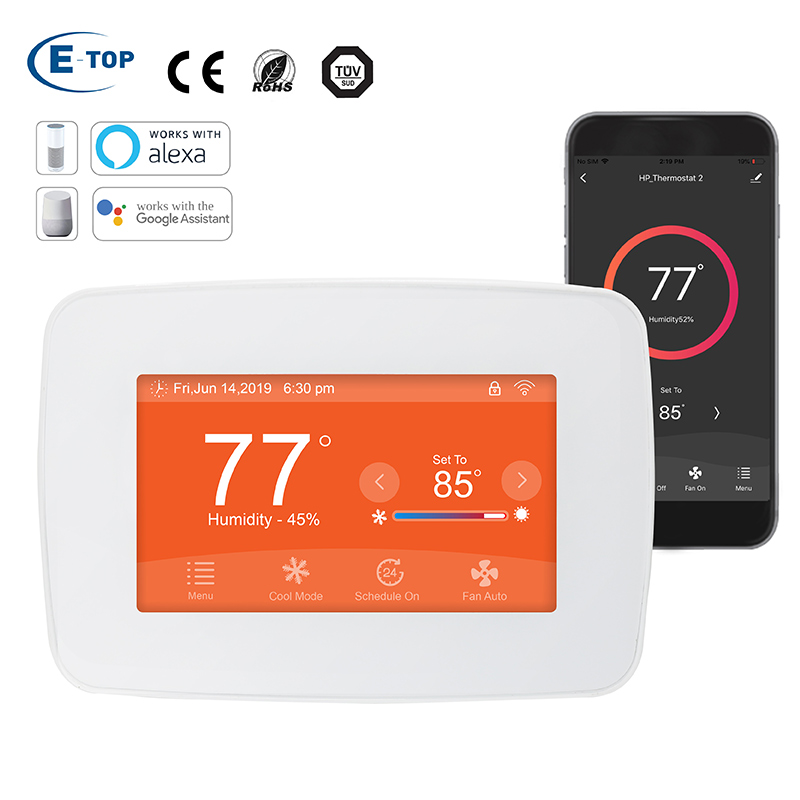
Remote control: Via smartphone apps or smart voice assistants, users can adjust temperature anytime, reducing unnecessary power consumption.
Timers and scene management allow plug-in thermostats to manage electricity use efficiently, maximizing energy savings.
Practical Impact on Overall Energy Efficiency
In practice, homes or offices using plug-in thermostats can significantly reduce energy consumption:
Lower electricity bills: Accurate temperature control and on-demand operation reduce unnecessary power usage.
Improve device efficiency: Reduces frequent start-stop cycles and long high-power operation, increasing heater or AC efficiency.
Eco-friendly: Reduced energy consumption lowers carbon emissions, contributing to environmental protection.
Studies show that with proper use, energy efficiency for heating or cooling can improve by 10%-30%, depending on space size, device power, and user habits.
Tips for Maximizing Energy Efficiency
To fully leverage a plug-in thermostat’s energy-saving potential, consider the following:
Set reasonable temperatures: Avoid excessively high or low settings to reduce unnecessary energy use.
Use timers: Align temperature schedules with daily routines for on-demand heating or cooling.
Pair with efficient devices: Using energy-efficient heaters, ACs, or fans alongside a plug-in thermostat enhances results.
Regular maintenance: Keep thermostats and connected devices in good working condition to maintain long-term efficiency.
With proper usage and settings, a plug-in thermostat can provide significant energy savings while maintaining comfort.
Conclusion
A plug-in thermostat enhances energy efficiency through precise temperature control, timer and scene management, and remote control capabilities. It reduces electricity costs, improves device efficiency, and minimizes energy waste and carbon emissions, delivering both economic and environmental benefits. For modern homes and offices, using a plug-in thermostat is an ideal solution to improve energy efficiency, save on electricity bills, and support sustainable living.