
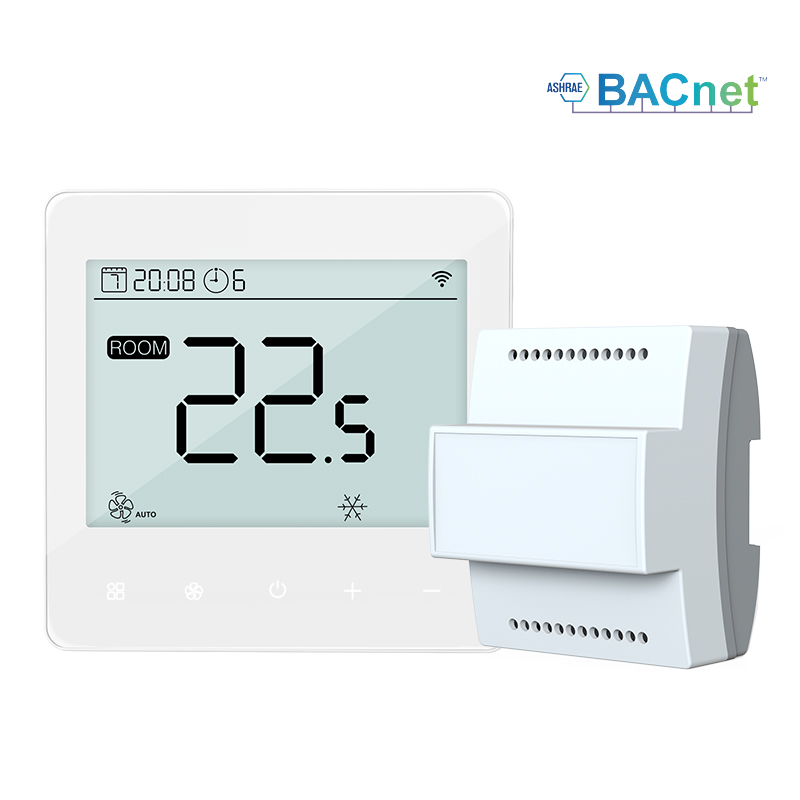
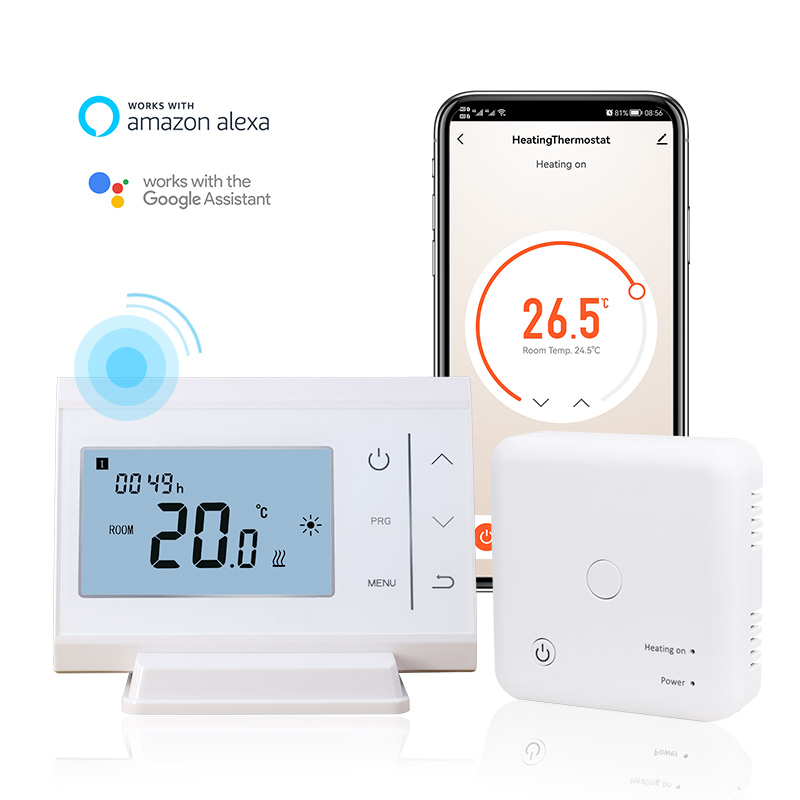
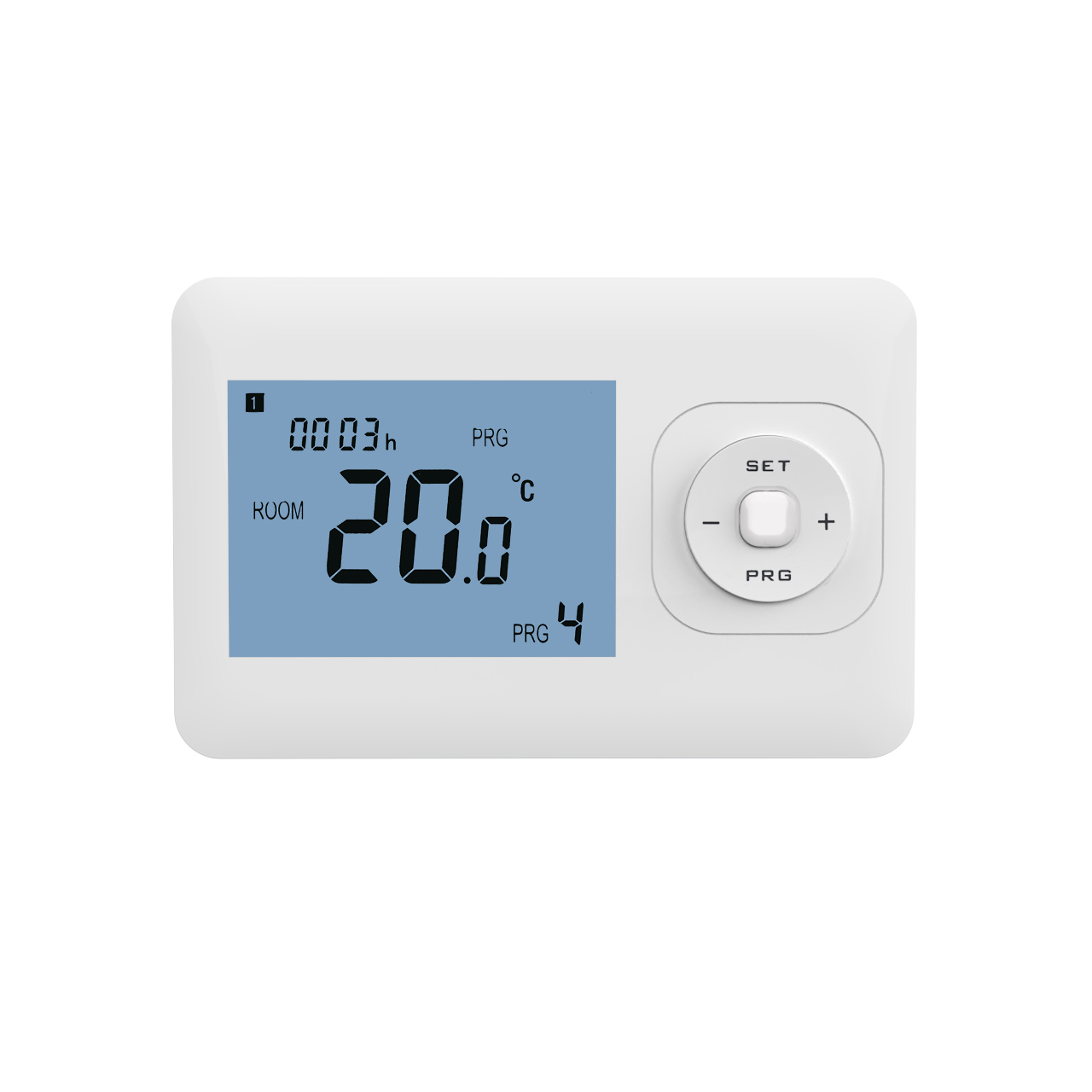
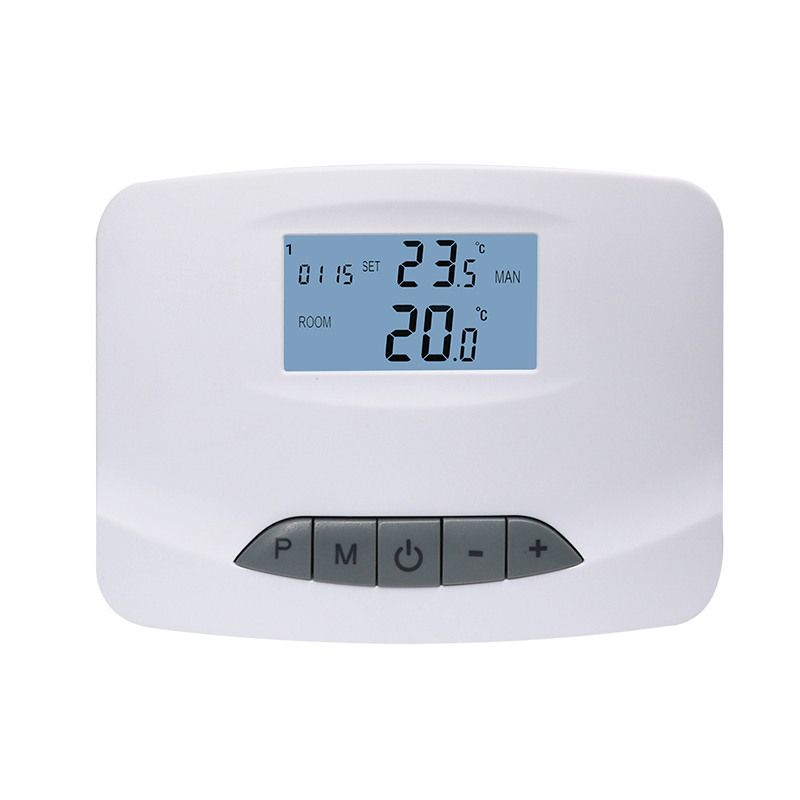
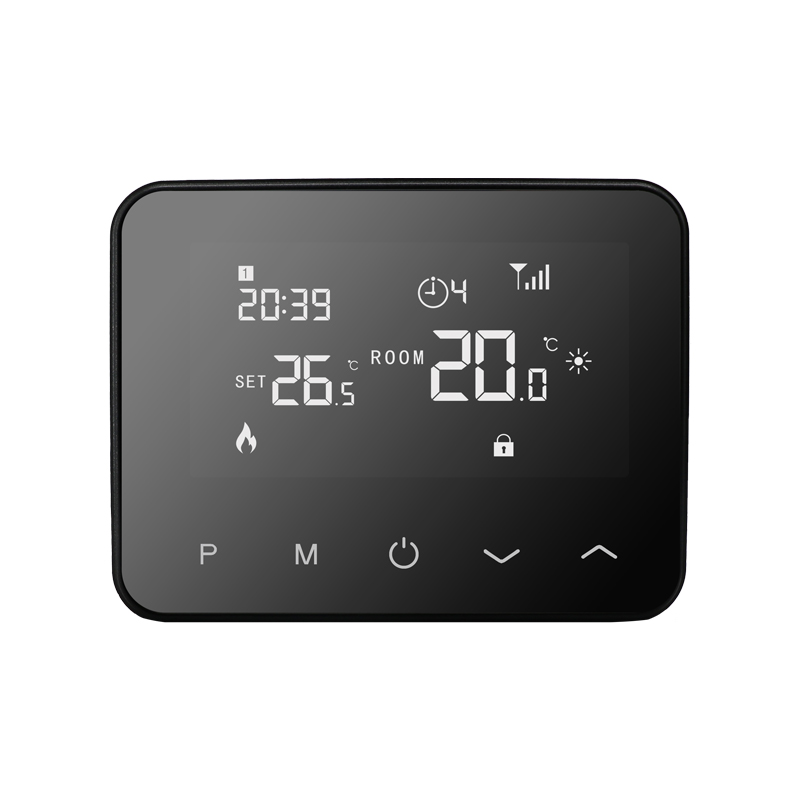
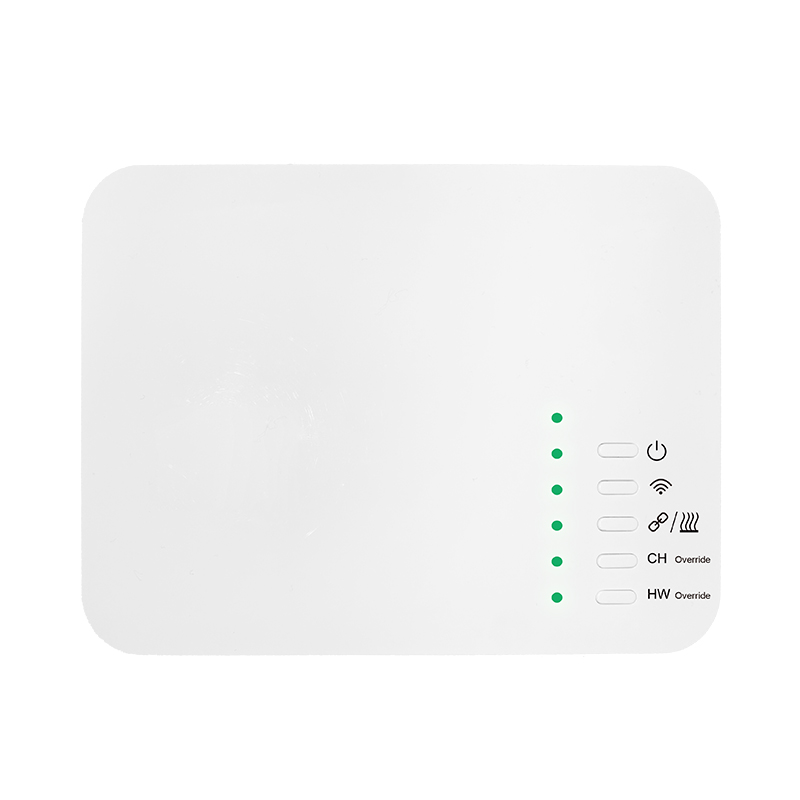
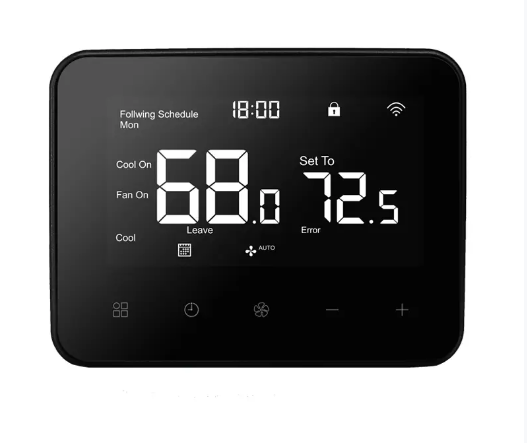
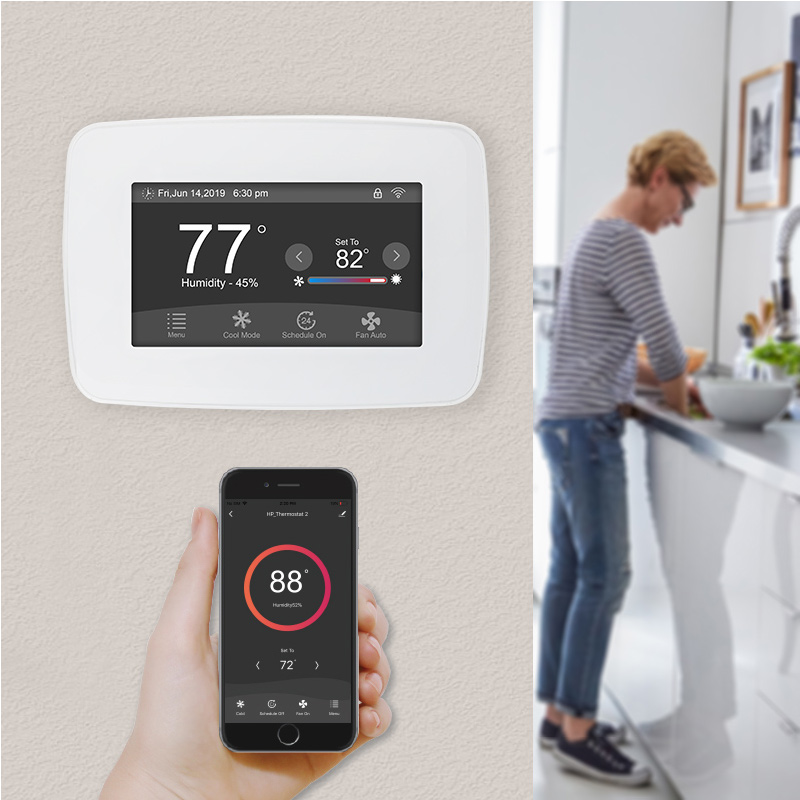
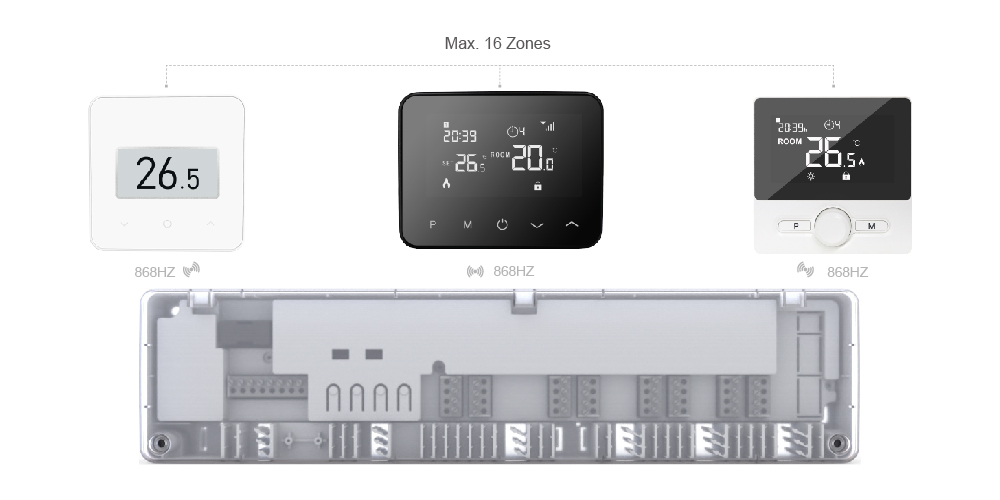
In modern HVAC systems, temperature control devices directly influence overall energy consumption. A 24V thermostat is widely used in residential and commercial heating and cooling systems. Models with programmable features allow automatic temperature adjustments based on daily schedules. Compared with traditional manual thermostats, a programmable 24V thermostat reduces unnecessary heating or cooling time by aligning system operation with actual occupancy patterns. As energy costs continue to rise, many property owners are paying closer attention to the potential savings these devices can provide.
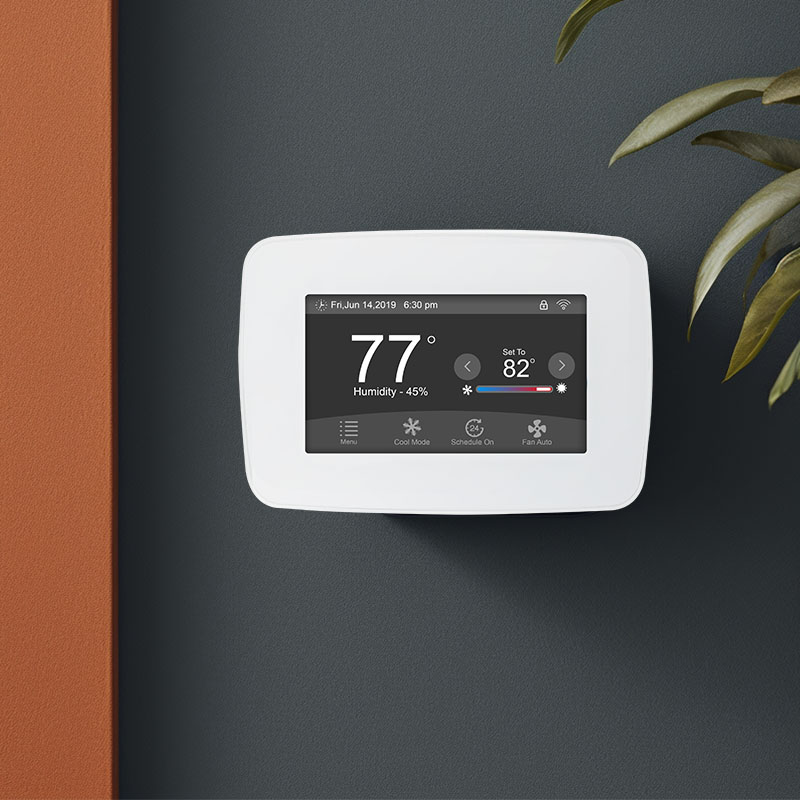
Energy-Saving Principle of a Programmable 24V Thermostat
A programmable 24V thermostat allows users to set daily or weekly temperature schedules. Heating or cooling systems automatically adjust according to different time periods, such as lowering the temperature during sleep hours, reducing operation when the building is unoccupied, and restoring comfort levels when occupants return.
- Automatically lowers heating or cooling during nighttime or unoccupied hours
- Creates separate schedules for weekdays and weekends
- Reduces unnecessary system runtime
- Prevents continuous high-load operation
By using time-based temperature management, HVAC systems operate more efficiently and avoid energy waste.
Factors That Influence Actual Energy Savings
The percentage of energy savings varies depending on building insulation quality, regional climate conditions, and user settings. During the heating season, lowering the indoor temperature by 1°C can reduce energy consumption by approximately 5%. Reducing the temperature by 3–5°C overnight can significantly cut overall heating costs. Buildings with good insulation tend to achieve higher savings, while poorly sealed structures may experience reduced efficiency.
Automatic adjustments during extended absences prevent continuous system operation and unnecessary energy use. In commercial settings, coordinated scheduling across operating hours can further optimize energy distribution and lower operating expenses.
Differences Compared to Traditional Thermostats
Traditional thermostats rely on manual adjustments. If users forget to change settings, HVAC systems may continue running at higher temperatures than necessary. A programmable 24V thermostat eliminates much of this human error by automatically controlling temperature changes. Runtime is optimized, temperature fluctuations are minimized, and overall energy use becomes more stable. Some advanced models also feature learning capabilities, adapting to user habits and improving efficiency over time.
Importance of Proper Installation and System Compatibility
A 24V thermostat is commonly compatible with central air conditioning systems, gas furnaces, and heat pumps. Before installation, voltage and wiring compatibility must be verified. If the HVAC system is outdated or poorly maintained, energy-saving performance may be limited even with a programmable thermostat. Placement is equally important; installation away from direct sunlight or nearby heat sources ensures accurate temperature sensing.
How User Settings Affect Energy Performance
Energy savings largely depend on how the thermostat is programmed. Extreme temperature differences between scheduled periods may cause the system to cycle more frequently, potentially increasing energy use. Maintaining moderate and consistent temperature adjustments helps maximize efficiency. In residential environments, aligning temperature schedules with daily routines balances comfort and cost control. In commercial buildings, unified scheduling strategies can improve overall operational efficiency.
Long-Term Cost Savings and Economic Value
Although a programmable 24V thermostat has a higher upfront cost than a basic model, long-term energy savings often offset the investment within a few years. Reduced runtime lowers electricity or fuel expenses and decreases wear on HVAC equipment, extending system lifespan. As energy efficiency standards continue to evolve, programmable thermostats have become a practical solution for improving building performance. Proper installation and thoughtful programming enable consistent energy savings while maintaining indoor comfort.