
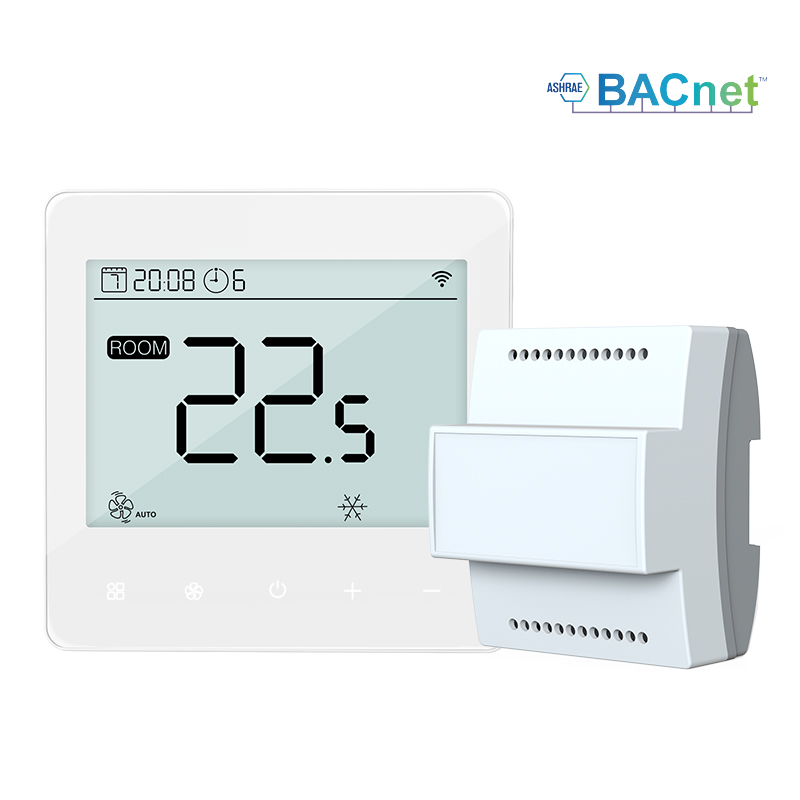
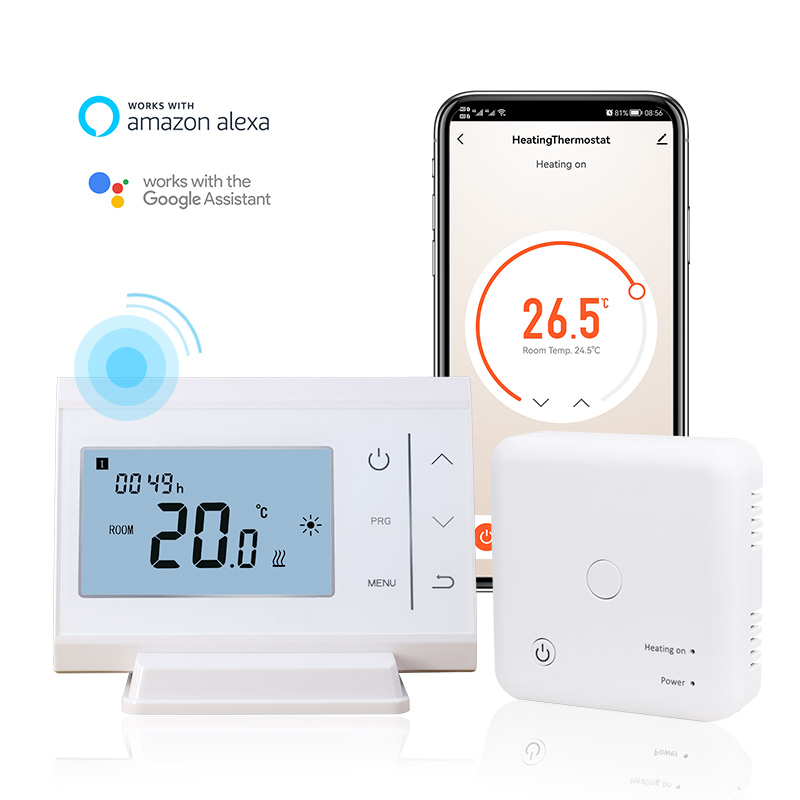
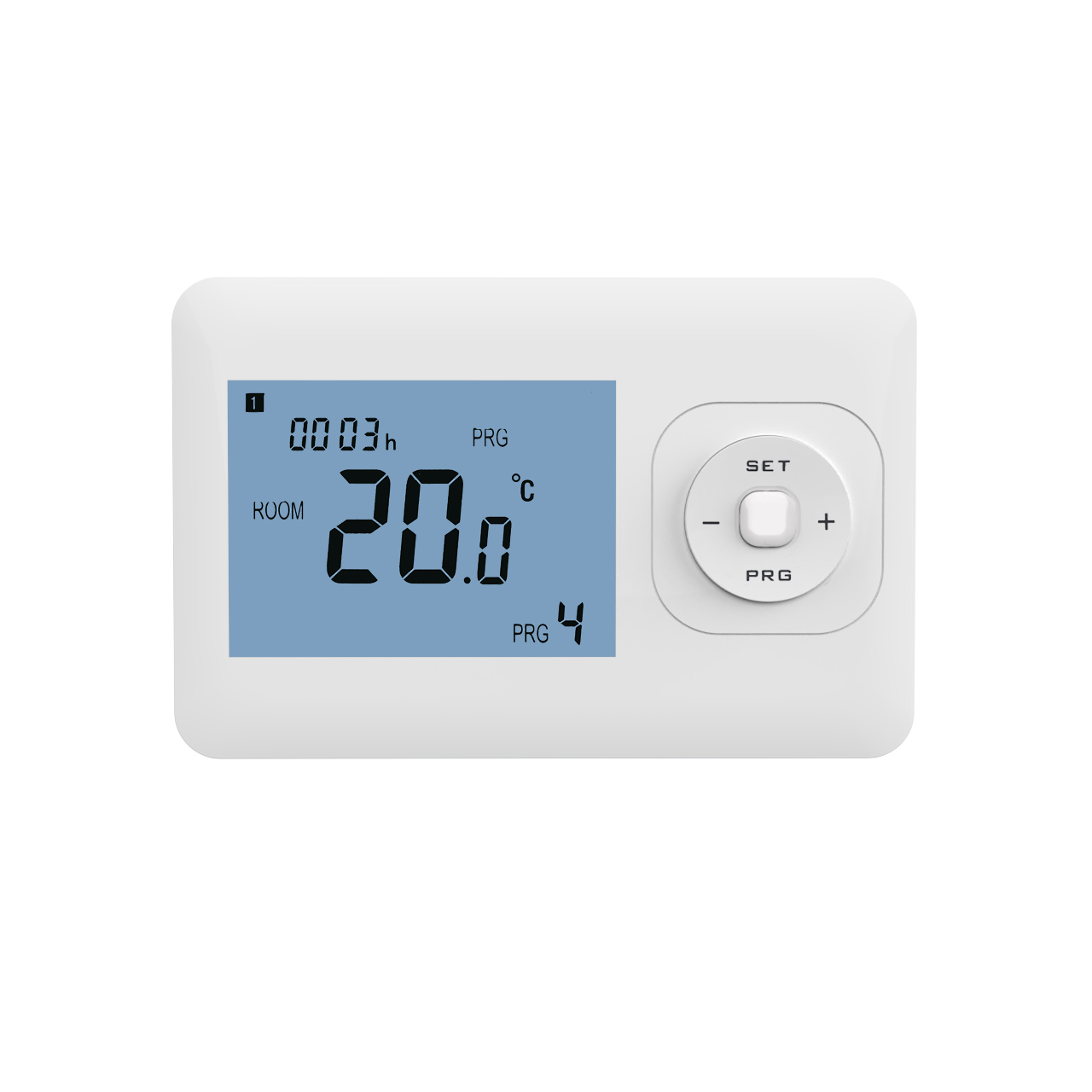
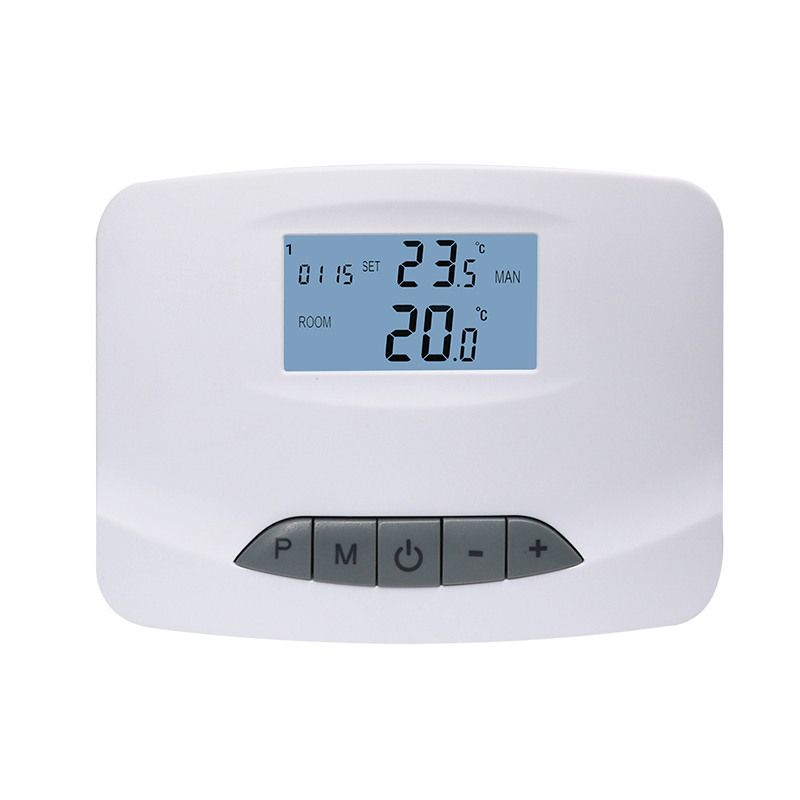
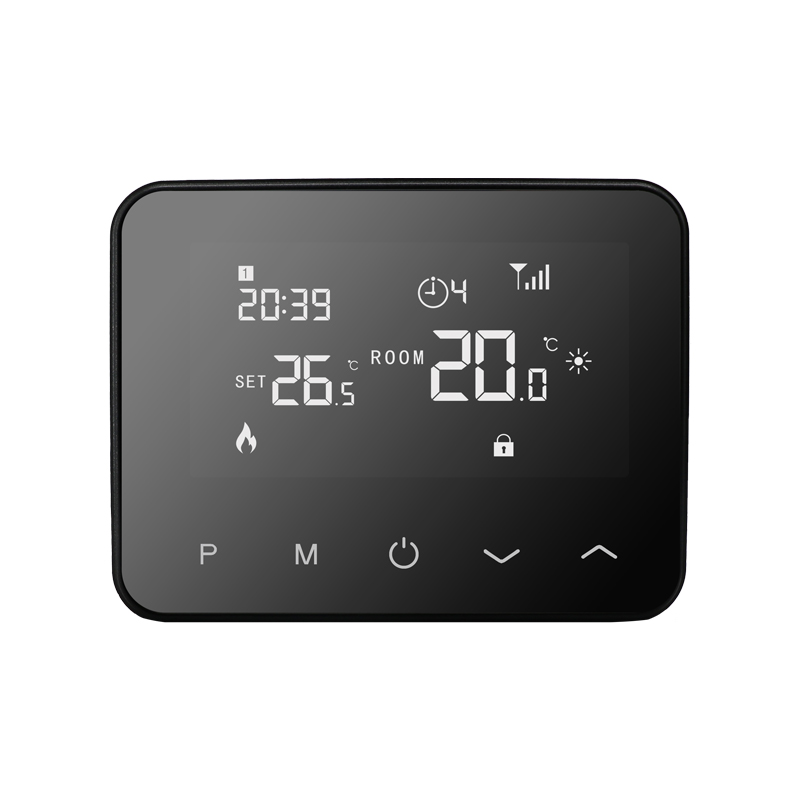
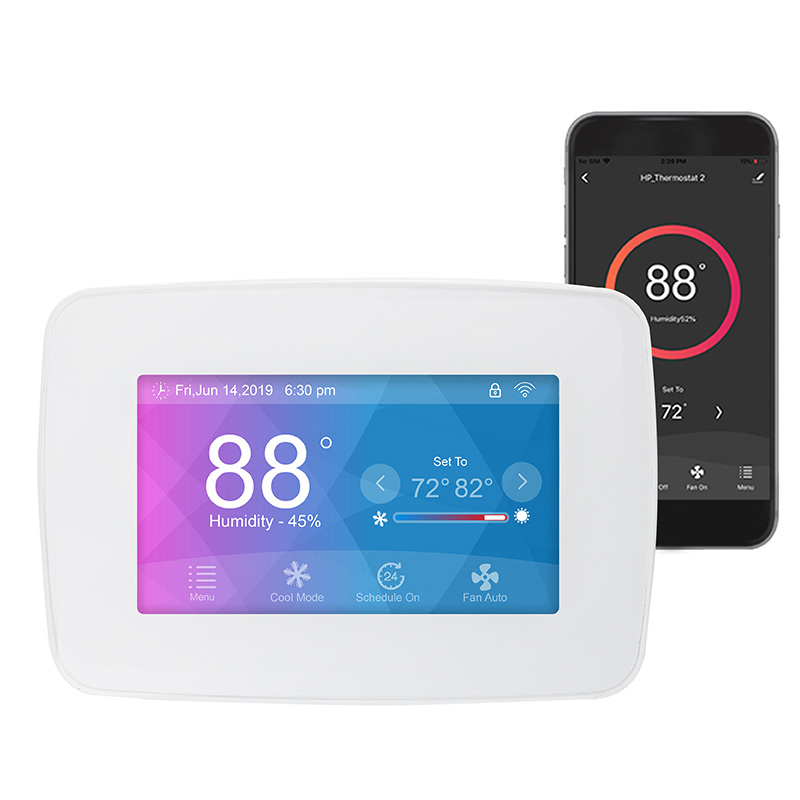
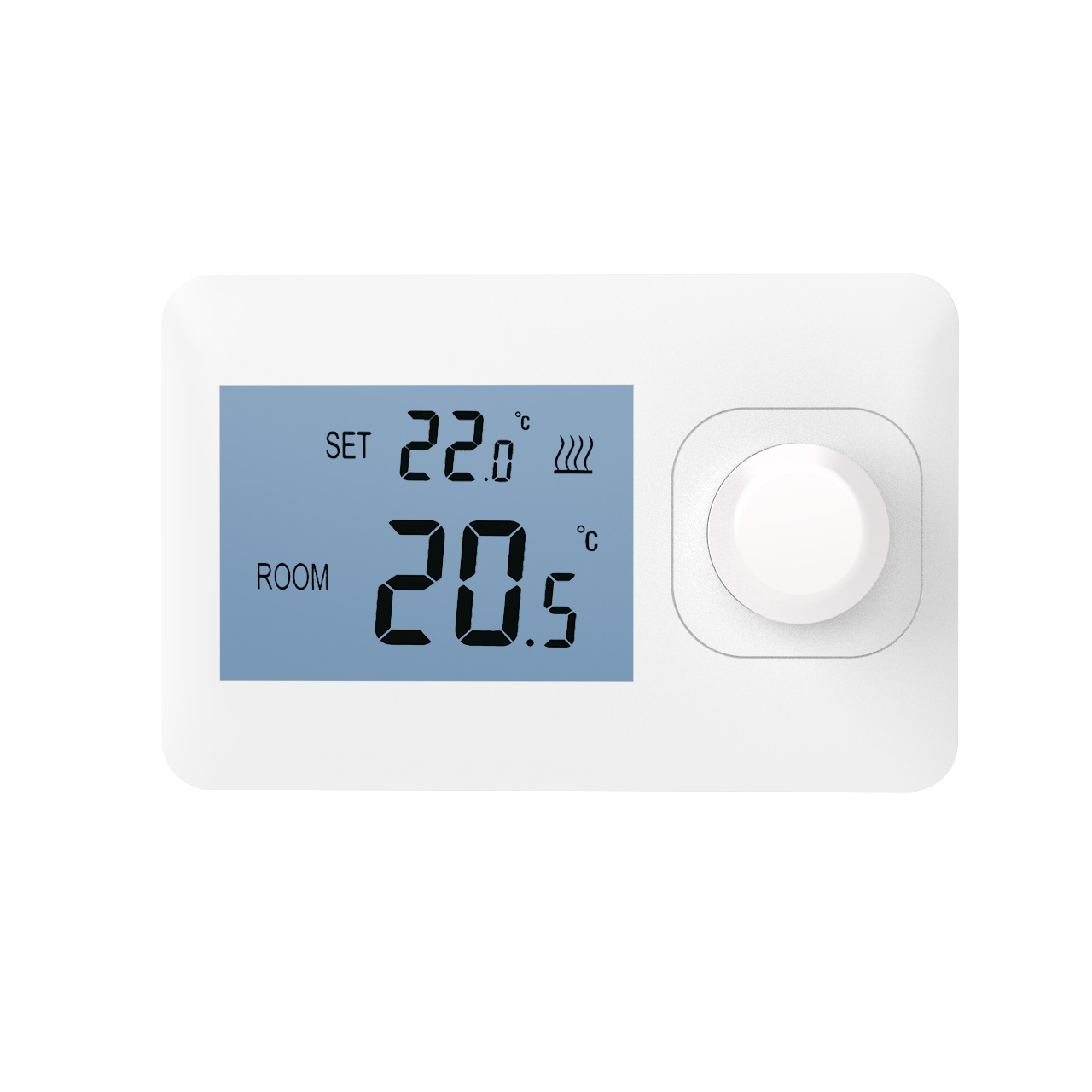
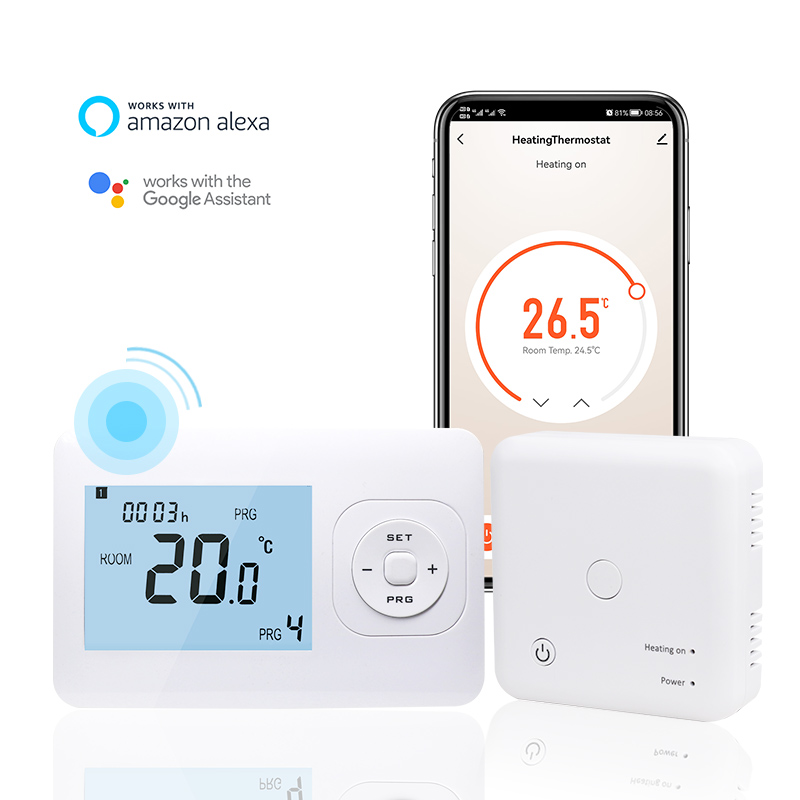
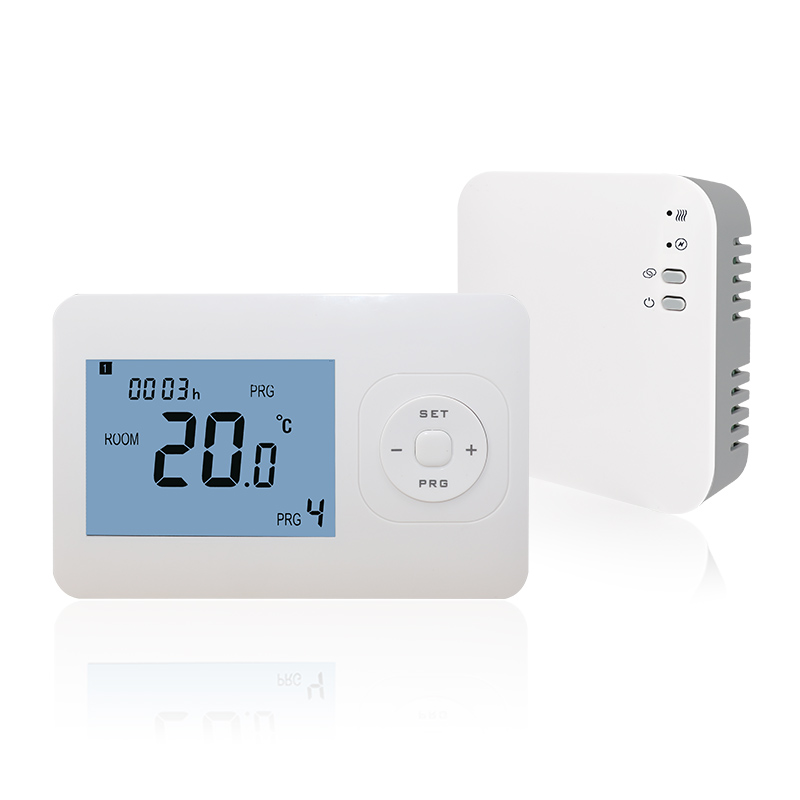
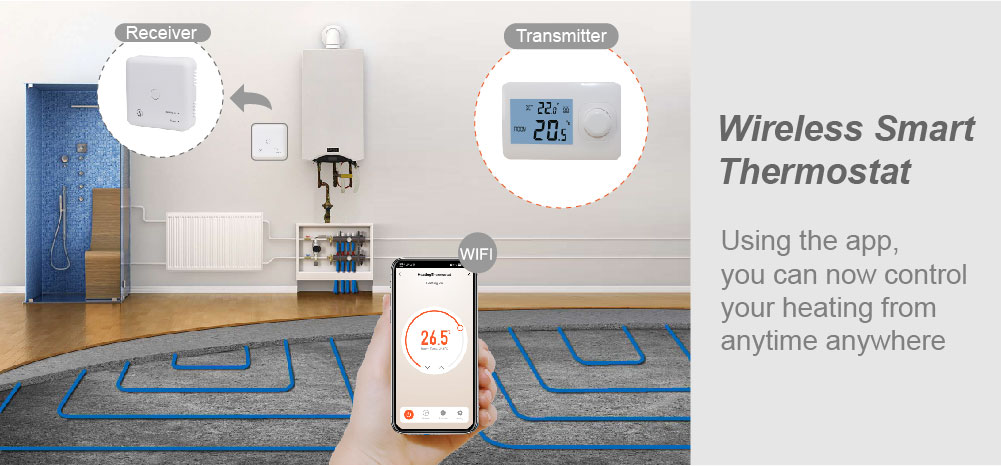
In modern buildings, HVAC systems are major energy consumers, and fan coil units (FCUs), as common terminal air conditioning devices, play a critical role in overall energy efficiency. With increasing energy-saving requirements, smart FCU thermostats have become an essential tool for improving system efficiency. But how much energy can a smart thermostat actually save? This article explores the principle, practical effects, and energy-saving potential of smart FCU thermostats.
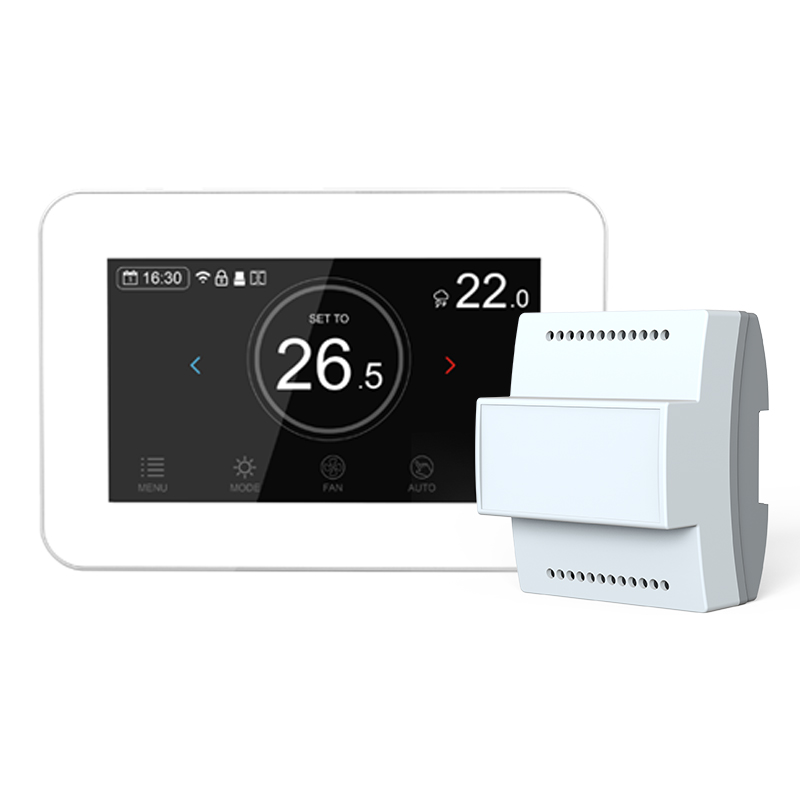
1. How Smart FCU Thermostats Work
Smart FCU thermostats use sensors to continuously monitor indoor temperature, humidity, and environmental changes. They automatically adjust fan speed and valve opening to maintain the set temperature. Compared with traditional mechanical thermostats, smart thermostats offer several advantages:
Precise temperature control: Prevents overcooling or overheating, reducing unnecessary system operation.
Adaptive load regulation: Dynamically adjusts fan speed and chilled/hot water flow according to indoor load, lowering peak energy consumption.
Intelligent learning: Some models include self-learning algorithms to optimize control strategies based on user habits.
2. Energy-Saving Mechanisms and Benefits
The energy-saving effects of smart FCU thermostats are mainly achieved through:
Reducing fan power consumption: Traditional FCU fans often run at fixed speed, while smart thermostats can adjust fan speed dynamically (multi-speed or variable speed) according to temperature demand, cutting fan energy use by 20%–40%.
Optimizing chilled/hot water usage: By controlling valve openings based on load, smart thermostats reduce unnecessary water flow. Compared with fixed valve operation, this can save 10%–30% of water system energy.
Reducing frequent system start-stop cycles: Accurate temperature control and load prediction reduce repeated fan and pump cycling, improving overall system efficiency and extending equipment life.
Overall, smart FCU thermostats can help buildings save approximately 15%–35% of total energy consumption annually, depending on building type, usage patterns, and system design.
3. Application Scenarios and Case Studies
Smart FCU thermostats are suitable for offices, hotels, hospitals, schools, and other building types. In practical applications, a mid-sized office building retrofitted with smart thermostats showed:
25% reduction in fan power consumption
18% reduction in chilled/hot water system energy use
Indoor temperature fluctuations controlled within ±0.5°C
These results demonstrate that smart thermostats not only reduce energy consumption but also enhance indoor comfort.
4. Recommendations for Maximum Energy Savings
To achieve optimal energy-saving performance, consider the following:
Set appropriate temperature parameters: Adjust comfort temperature ranges according to building use to avoid overcooling or overheating.
Integrate with water system optimization: Coordinate thermostat control with chilled/hot water systems for comprehensive energy savings.
Regular maintenance and calibration: Maintain sensor accuracy and valve responsiveness to ensure energy-saving strategies operate correctly.
5. Conclusion
In summary, smart FCU thermostats significantly reduce HVAC energy consumption through precise temperature control, load regulation, and optimized fan operation. Depending on building type and usage, energy savings can range from 15% to 35%. For modern buildings pursuing both energy efficiency and comfort, smart thermostats are not only control devices but also effective energy management tools. When applied and maintained properly, they provide long-term economic benefits and support sustainable building operations.