
Temperature has always been a concern in many households, but it wasn’t always taken seriously. For example, the living room might be cool with the air conditioner on, but the bedroom might feel uncomfortable; the elderly might feel cold, while children might feel hot; a sunny room might be unbearably hot during the day, while a shady room might remain cool. Therefore, to “accept the overall situation,” many people settle for a “good enough” temperature, resulting in no one feeling truly comfortable. With changing living concepts, people are beginning to realize that a house is not just a shelter from the elements, but also an important space for daily living, rest, and relaxation. A truly good living experience often lies in these details. Whether each room can have a suitable temperature based on its needs has become a growing concern for families. Especially with increased time spent at home, people’s demands for comfort have significantly increased. A study needs to be quiet and cool, a bedroom requires a gentle and stable temperature, and children’s rooms and elderly people’s rooms have completely different temperature sensitivities. Using a “one temperature for the whole family” approach is clearly outdated. So, the question is—how can we ensure that each room has its own independent temperature?
Limitations of traditional temperature control methods
Many households currently use centralized control systems for heating or cooling. For example, one air conditioner controls the entire area, and one thermostat determines the temperature of the whole house. While this method seems simple, its problems are obvious: it ignores the differences between rooms. Different rooms have different orientations, sizes, usage frequencies, and insulation levels. Using a single temperature control system for all rooms will naturally lead to uneven heating and cooling. To achieve independent temperatures for each room, we must first move beyond the “one switch controls everything” approach.
How to control the room temperature independently?
The core idea for achieving independent temperature control can be summarized in one sentence: return control to each room. Each room should have its own “judgment” and “adjustment” capabilities. When a room feels cold, it should automatically raise the temperature; when it feels hot, it should lower the temperature, instead of being dictated by other spaces. Only in this way can temperature truly “serve” people, rather than people having to accommodate the equipment.
The benefits of partition control
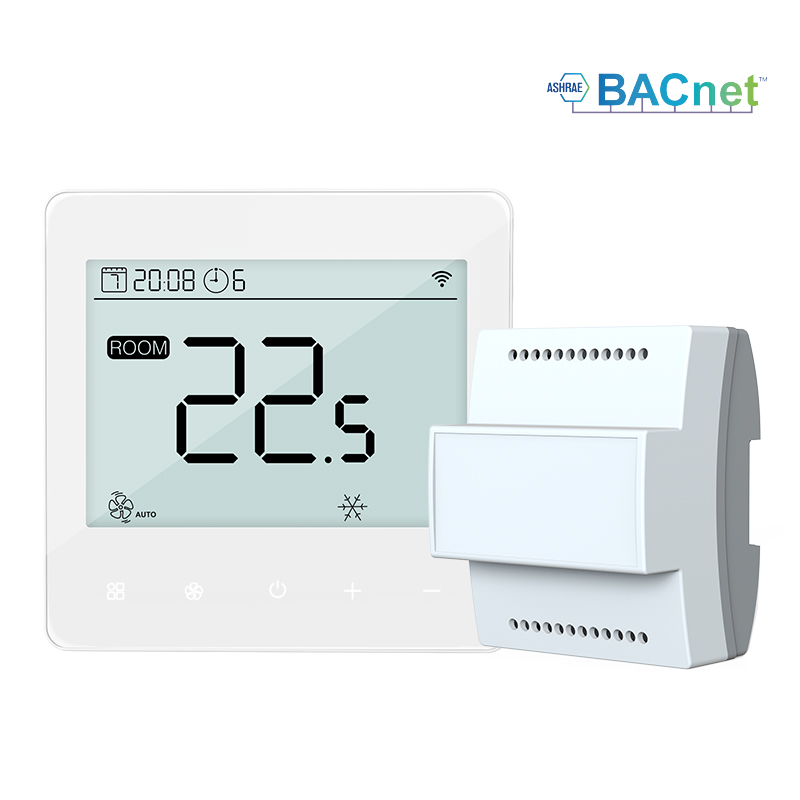
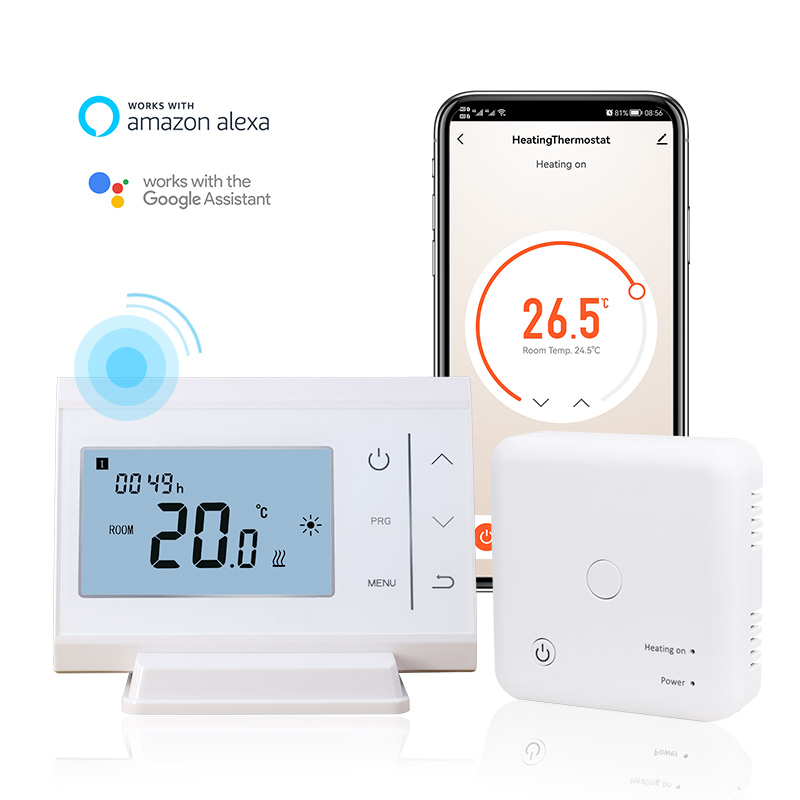
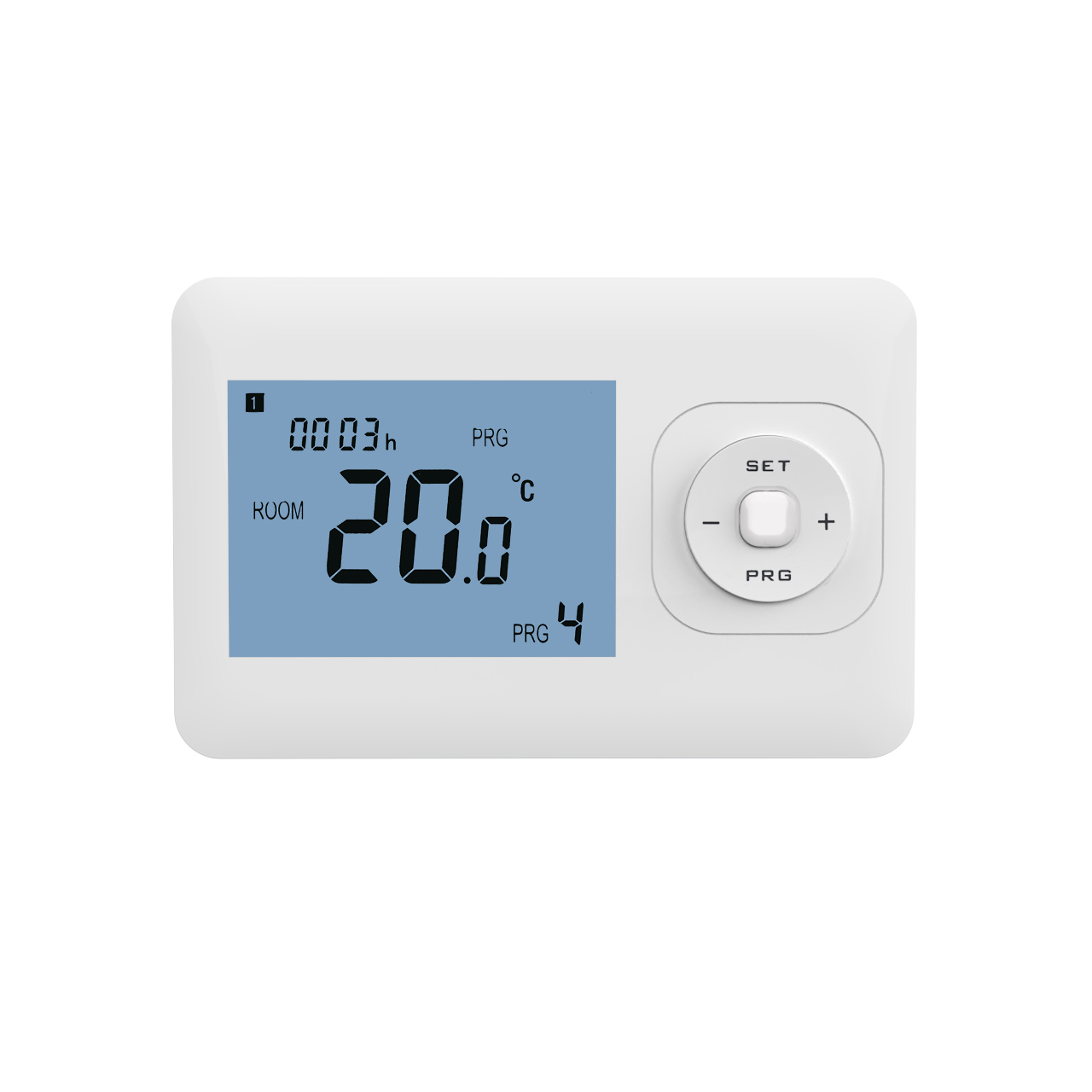
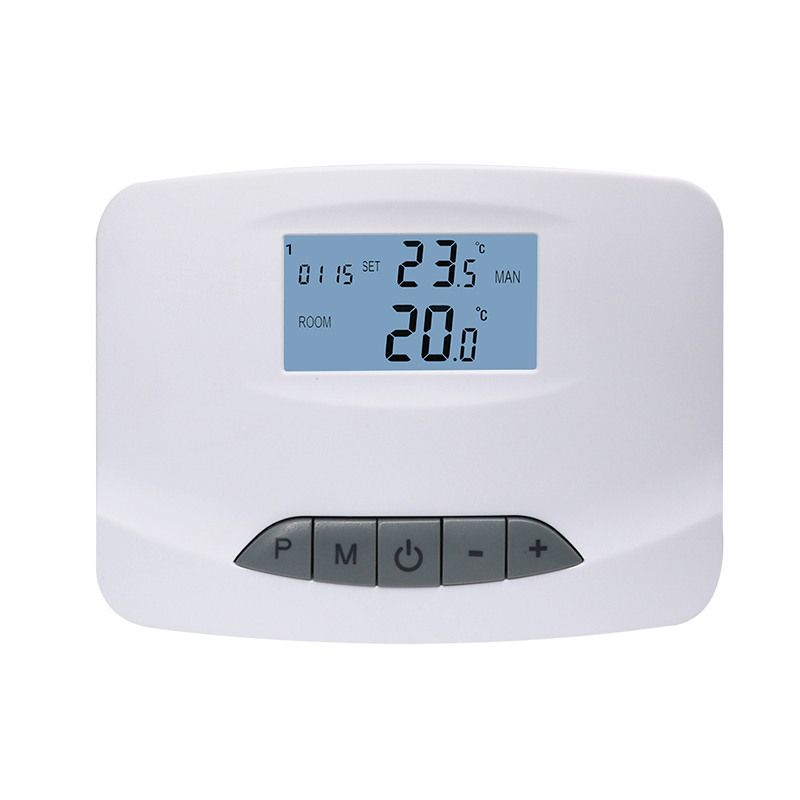
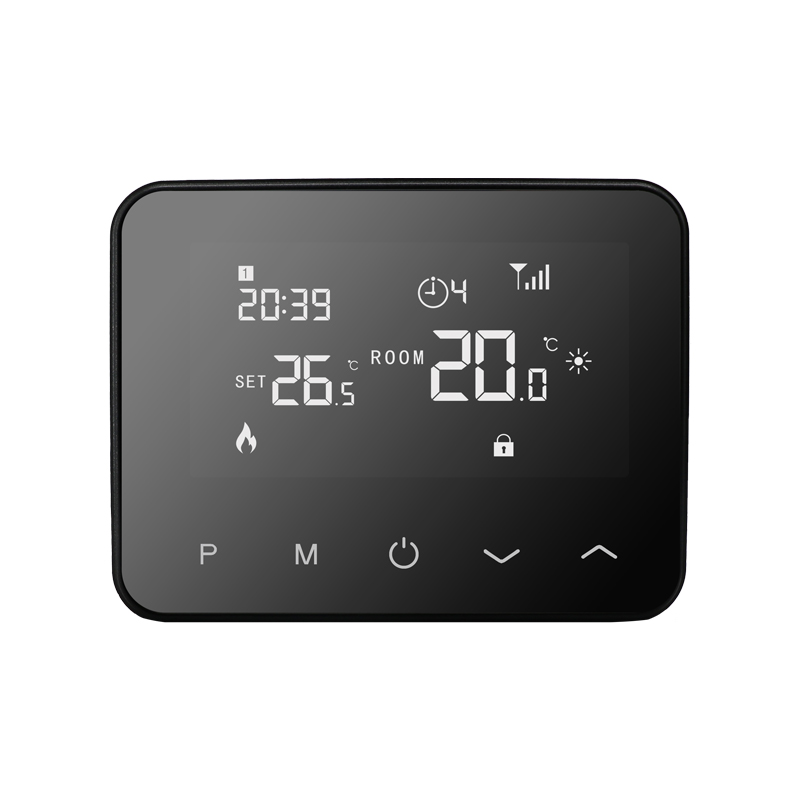
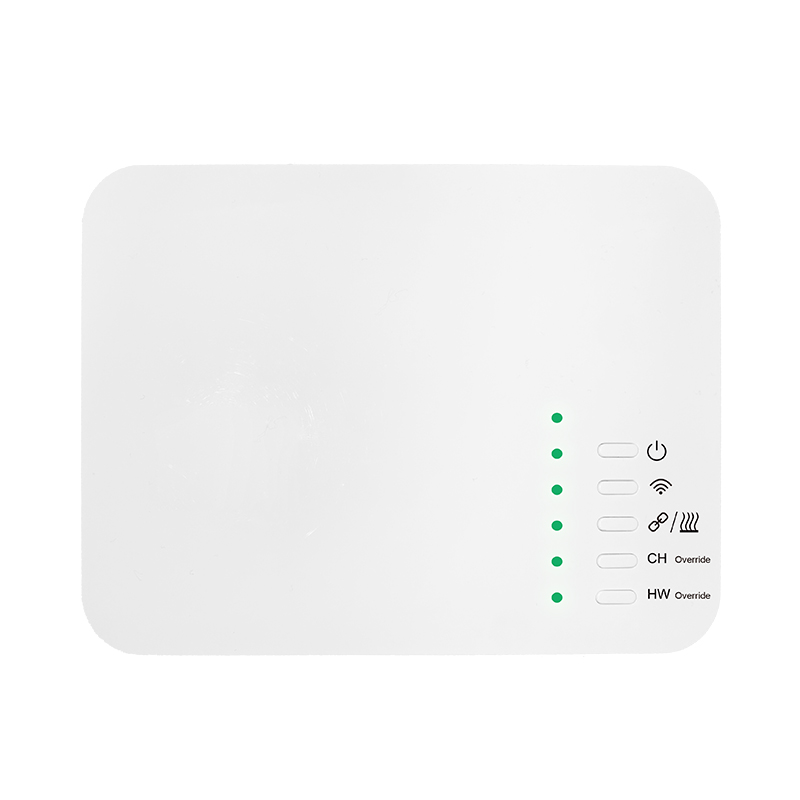
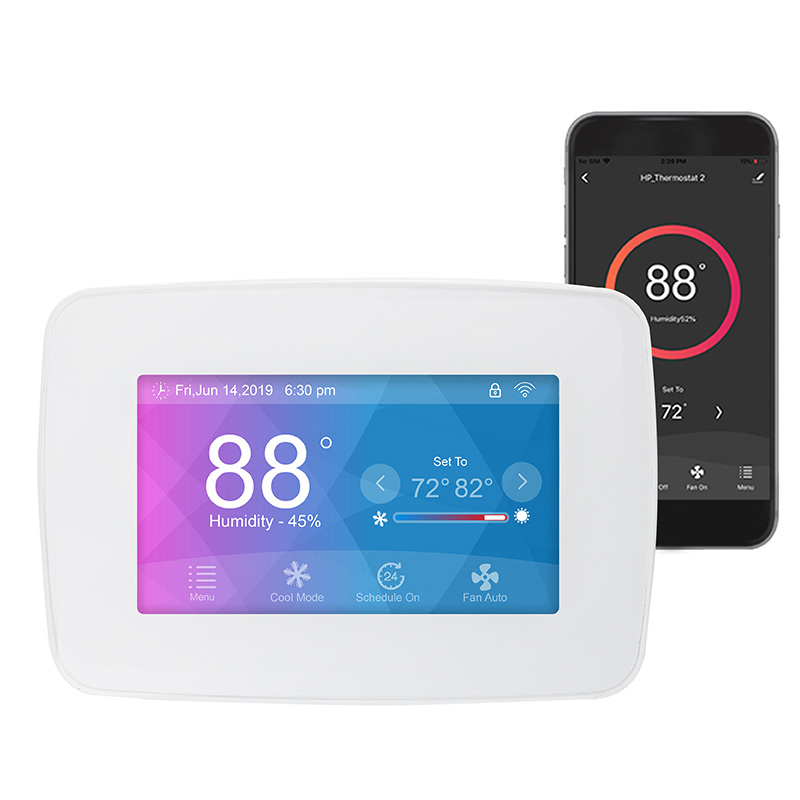
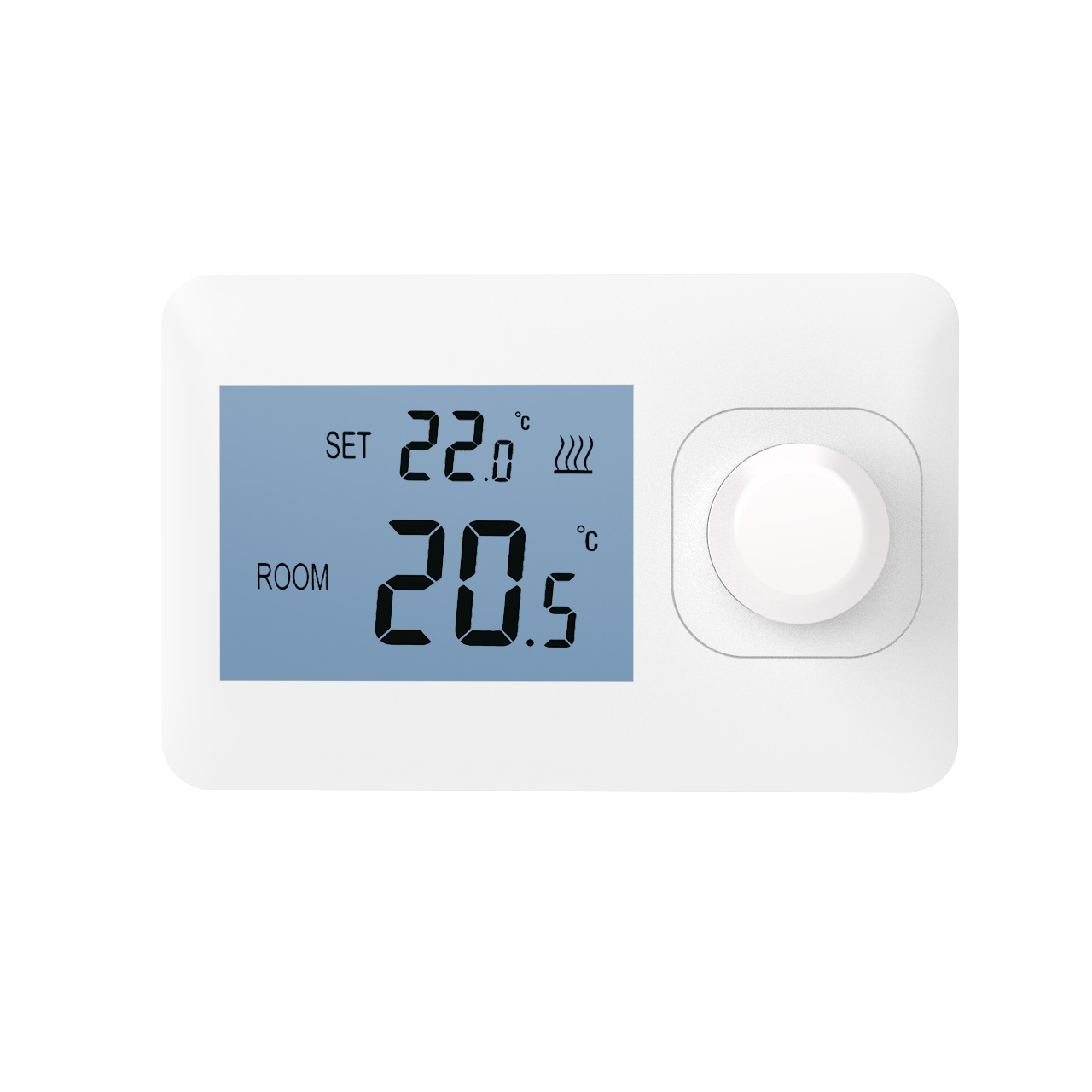
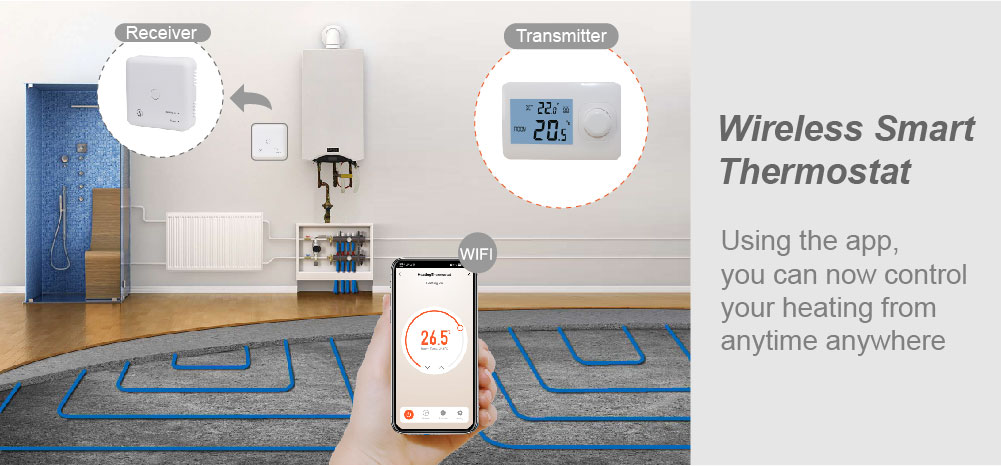
Zoned temperature control is currently the most common and user-friendly method for independent temperature regulation. The house is divided into multiple zones based on rooms or functional areas, each with independent temperature control. For example, bedrooms form one zone, living rooms another, while study rooms and children’s rooms are also independently controlled. Each zone has its own temperature control device, allowing individual adjustments without interference. This method is particularly suitable for households with different daily routines and varying temperature requirements.
Isn’t it troublesome to install a thermostat in every room?
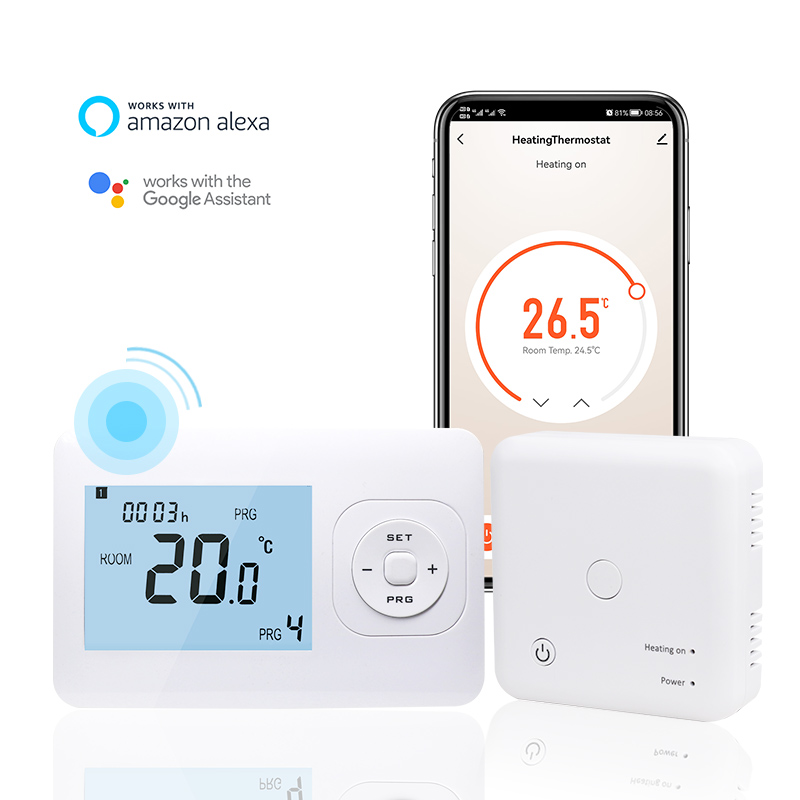
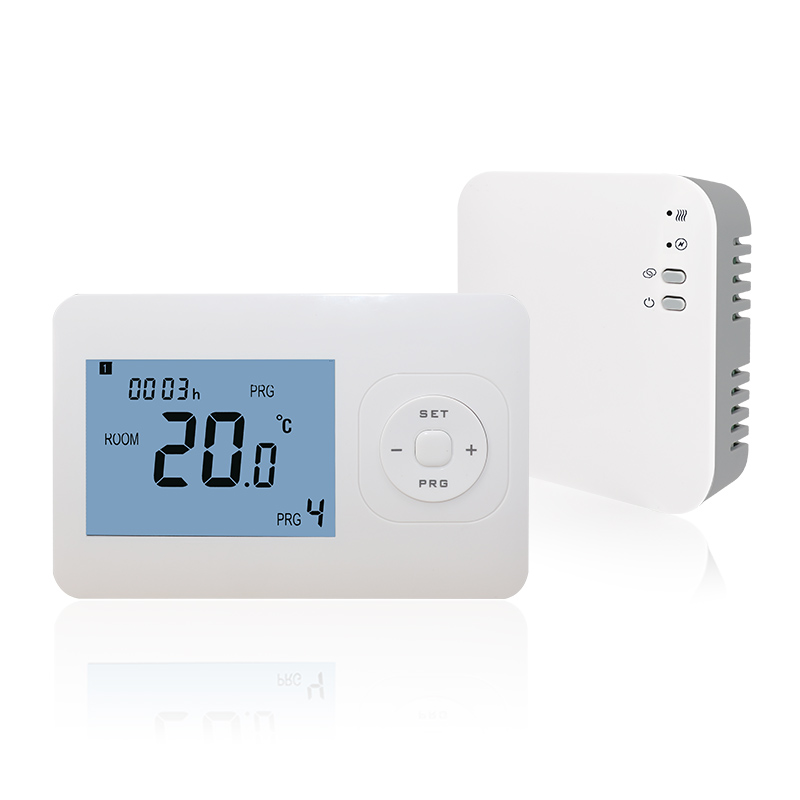
This is a common concern. From a user perspective, independent temperature control isn’t “more complicated,” but rather “more convenient.” With independent temperature control, you don’t need to repeatedly run around adjusting the main switch, nor do you need to compromise on temperature for fear of disturbing others. Each room’s thermostat acts like a “personalized butler,” automatically maintaining a suitable temperature after being set, requiring almost no daily attention.
The benefits of independent temperatures
The answer is clear: no, and they shouldn’t be the same. The living room, being a space for activity, typically requires a more open and refreshing temperature; bedrooms are better suited to a gentler, more stable temperature; studies need to promote focus; and storage rooms and guest rooms often don’t even require constant temperature control. The advantage of independent temperature control is that it can be flexibly adjusted based on usage, making it both comfortable and more efficient.
Does independent temperature control consume more energy?
Many people believe that controlling each room individually will consume more energy. Actually, the opposite is true. Because rooms that are not used can have their temperature lowered or turned off, while frequently used spaces are maintained at a suitable range, it avoids the situation of “turning on the whole house at once, wasting energy.” From a practical perspective, this is more like “using as needed,” not about saving money, but about avoiding unnecessary consumption.
Why do elderly people and children need independent temperature control in their rooms?
Elderly people and children are more sensitive to temperature changes; even slight changes in temperature can make them uncomfortable. Independent temperature control allows these rooms to maintain a relatively stable and comfortable state, without frequent adjustments or being affected by the needs of other rooms, which is crucial for daily life and rest.
Looking back, we realize that “having an independent temperature for each room” isn’t inherently difficult, nor is it merely a technical issue; it’s an upgrade in lifestyle. In the past, we were accustomed to using a single standard to suit all spaces; now, we prefer to make more detailed arrangements based on the needs of different rooms and different people. The significance of independent temperature isn’t just about making the house more luxurious, but about making living more human-centered. When bedrooms are no longer unpredictable in temperature fluctuations, studies are no longer uncomfortably stuffy, and the elderly and children can all enjoy a comfortable temperature, you’ll find that the comfort of life is real. Every room “understands you”—that’s what ideal living should be like.