
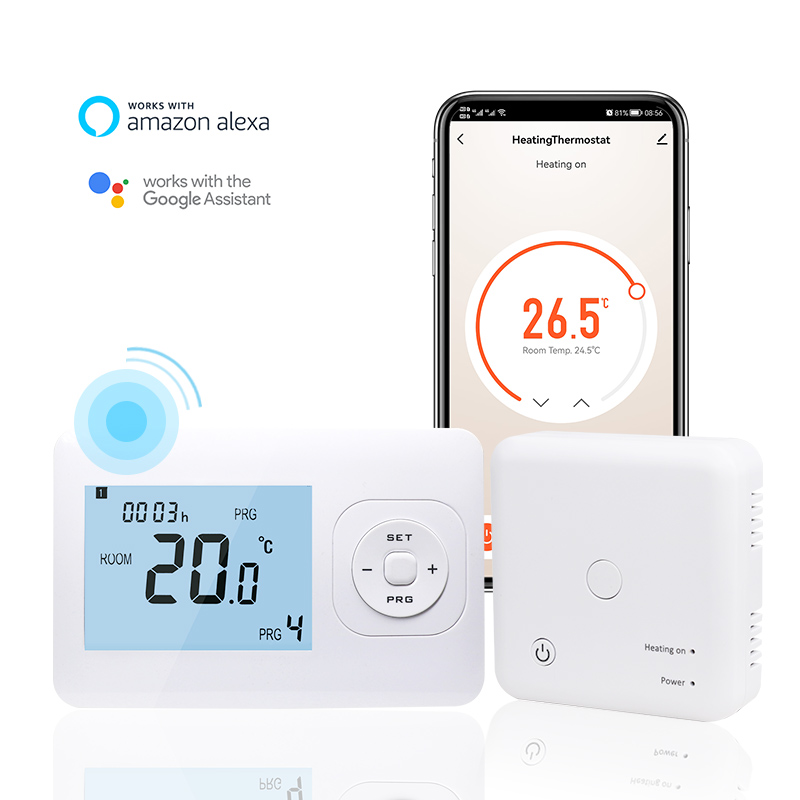
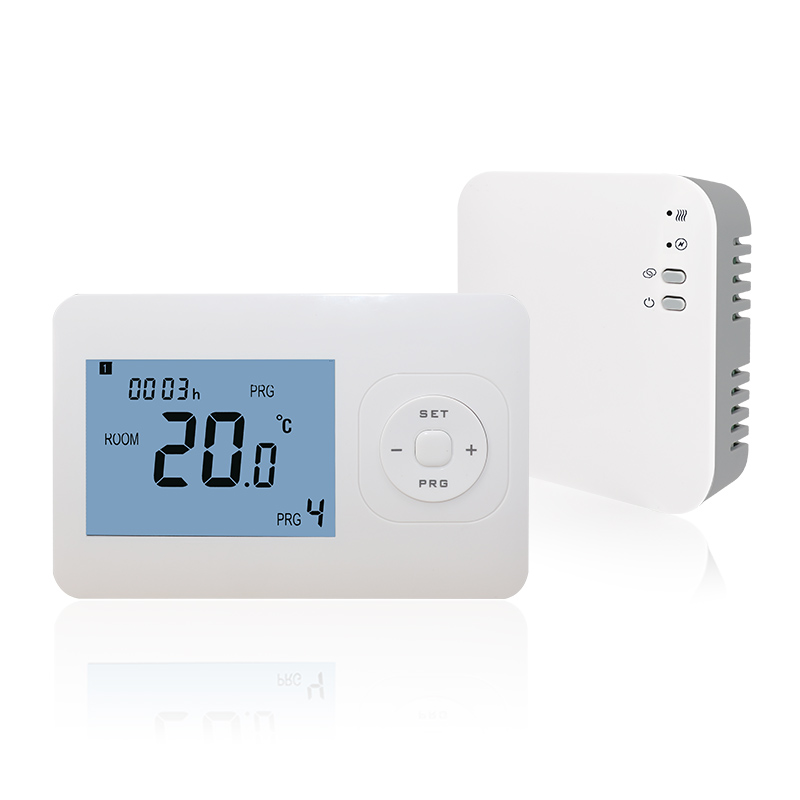
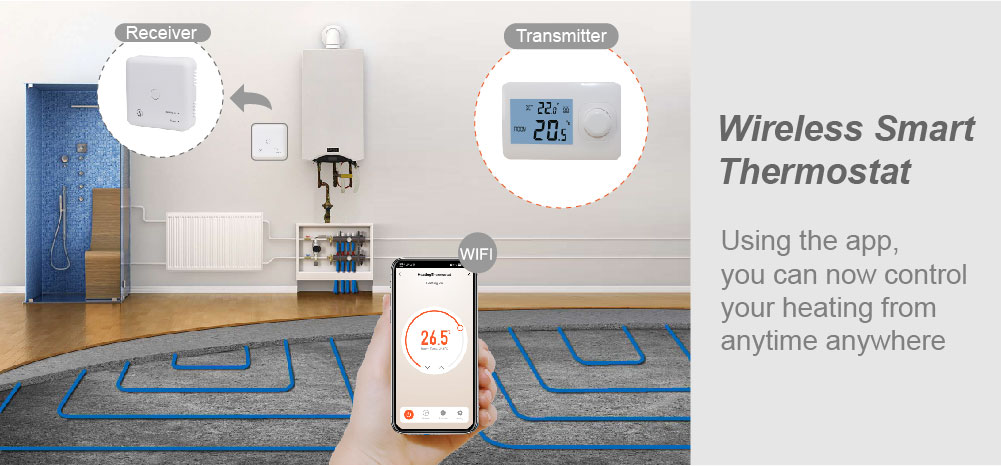
In modern buildings, achieving a comfortable, energy-efficient, and flexible indoor environment is a key objective of HVAC system design. Fan Coil Unit (FCU) thermostats play a crucial role in zoning temperature control by allowing different areas to be regulated independently based on actual usage needs. This article explains how zoning temperature control is achieved through FCU thermostats and highlights its main advantages.
What Is Zoning Temperature Control?
Zoning temperature control refers to dividing a building into multiple independent temperature control areas, each equipped with its own thermostat. Every zone can adjust temperature and airflow separately according to occupancy, function, and time schedules.
Typical zoning applications include:
Independent temperature control for different office areas or floors
Individual climate control for hotel guest rooms
Flexible temperature adjustment for meeting rooms based on usage
Zoning control ensures optimal comfort while reducing unnecessary energy consumption.
The Role of FCU Thermostats in Zoning Control
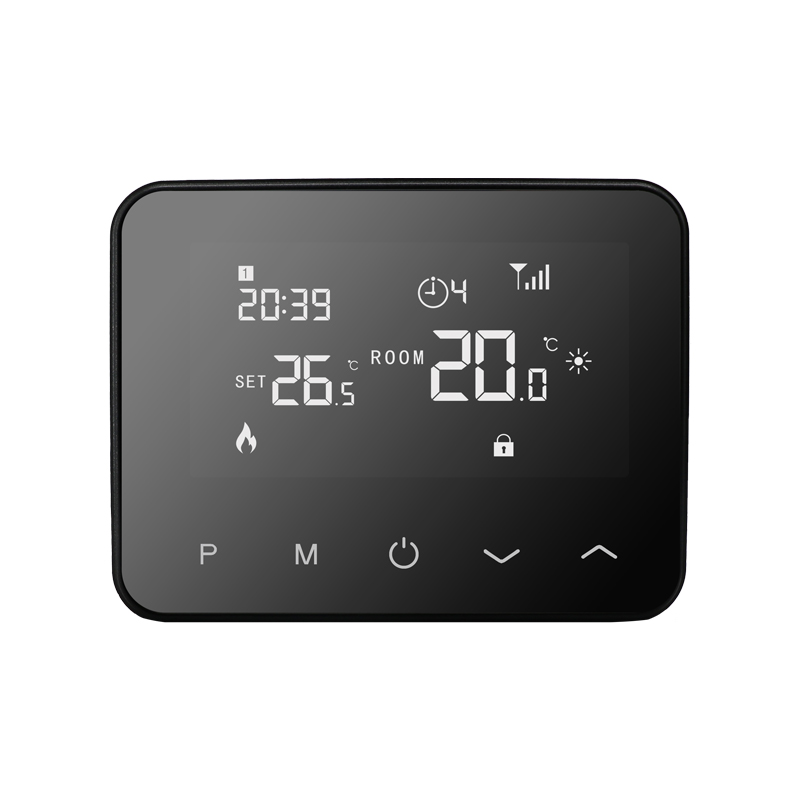
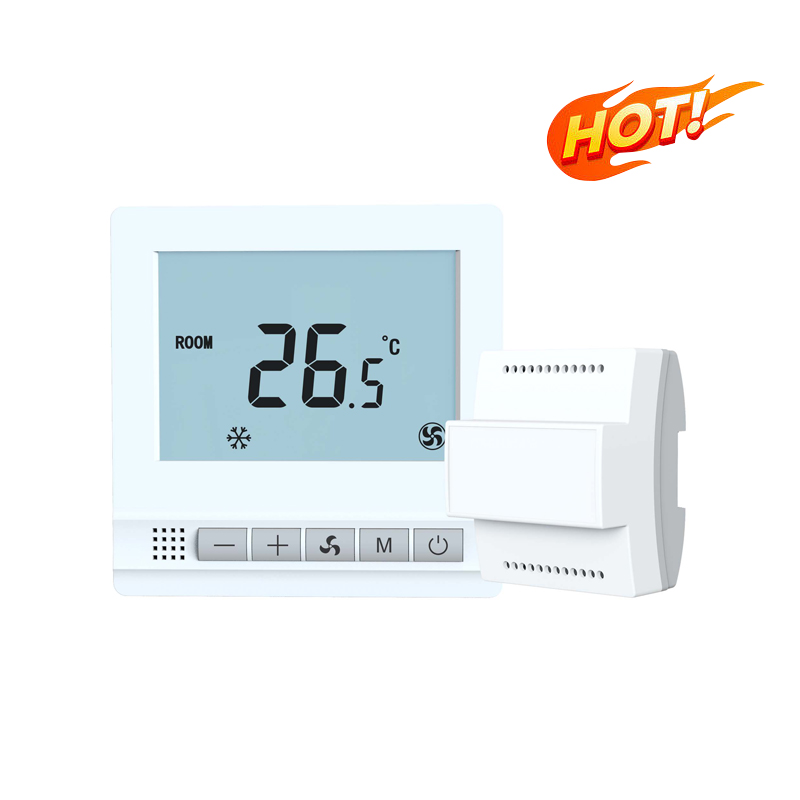
FCU thermostats are the core components of zoning temperature control systems. Their key functions include:
Independent Temperature Sensing and Regulation
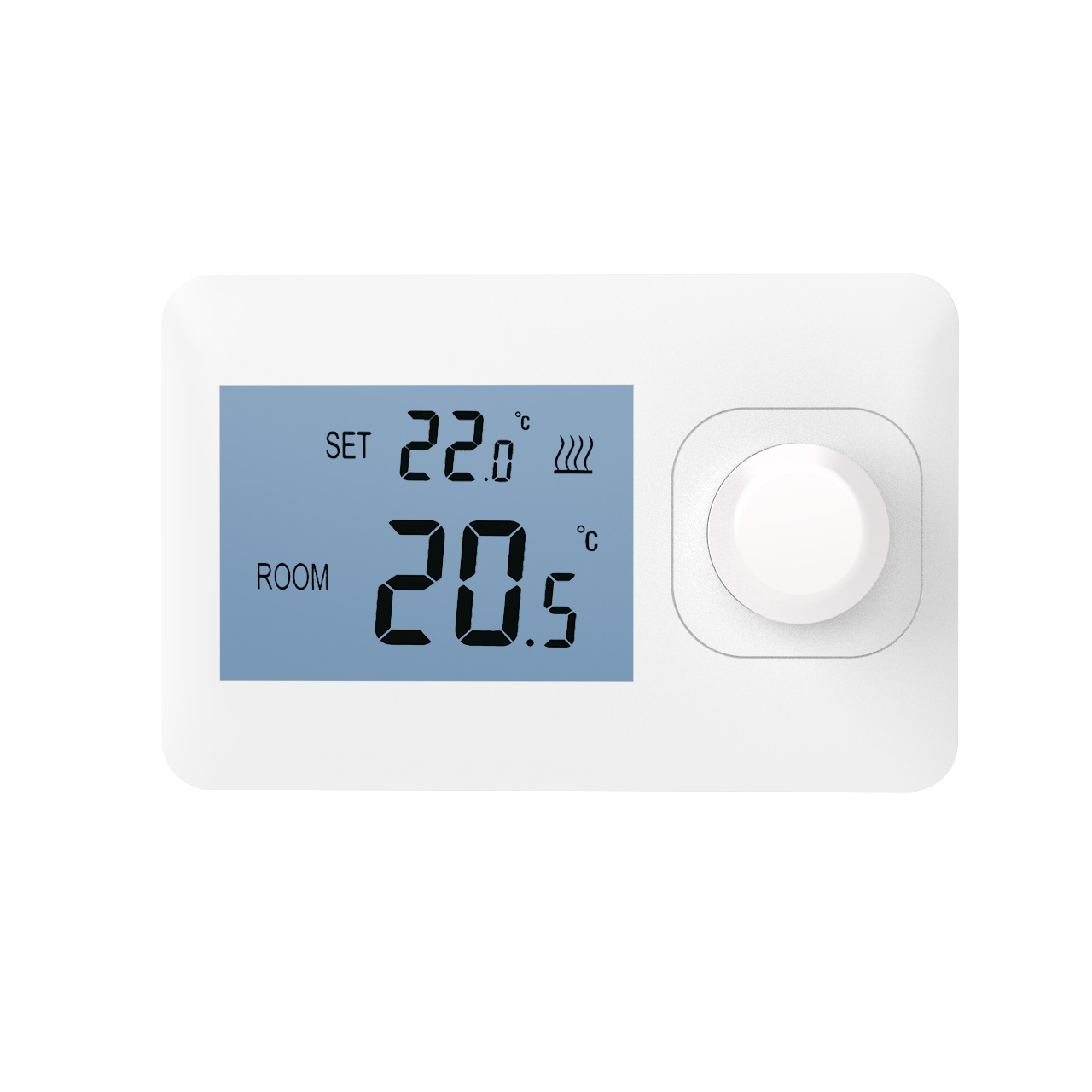
Each thermostat continuously monitors the temperature within its zone and adjusts fan speed or valve position to maintain the desired setpoint.
Coordinated Fan and Valve Control
Thermostats control fan operation and water valve opening simultaneously, ensuring precise temperature regulation while preventing energy waste.
Multi-Protocol Communication Support
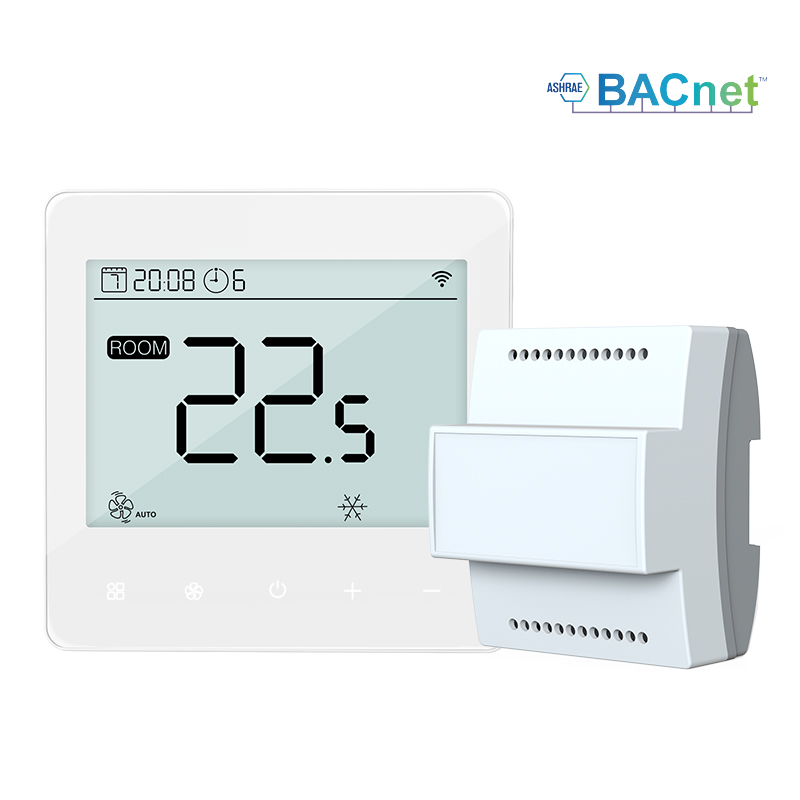
Many modern FCU thermostats support communication protocols such as Modbus, BACnet, and KNX, allowing seamless integration with building automation systems (BAS) for centralized monitoring and control.
Scheduling and Scene Control
Built-in timers and programmable schedules enable automatic temperature adjustments based on working hours, occupancy patterns, or specific scenarios, improving both comfort and energy efficiency.
How to Configure Zoning Temperature Control with FCU Thermostats
Implementing zoning temperature control typically involves the following steps:
1. Zone Planning
Divide the building into control zones based on function, layout, or occupancy requirements, such as offices, conference rooms, or hotel rooms.
2. Thermostat Selection
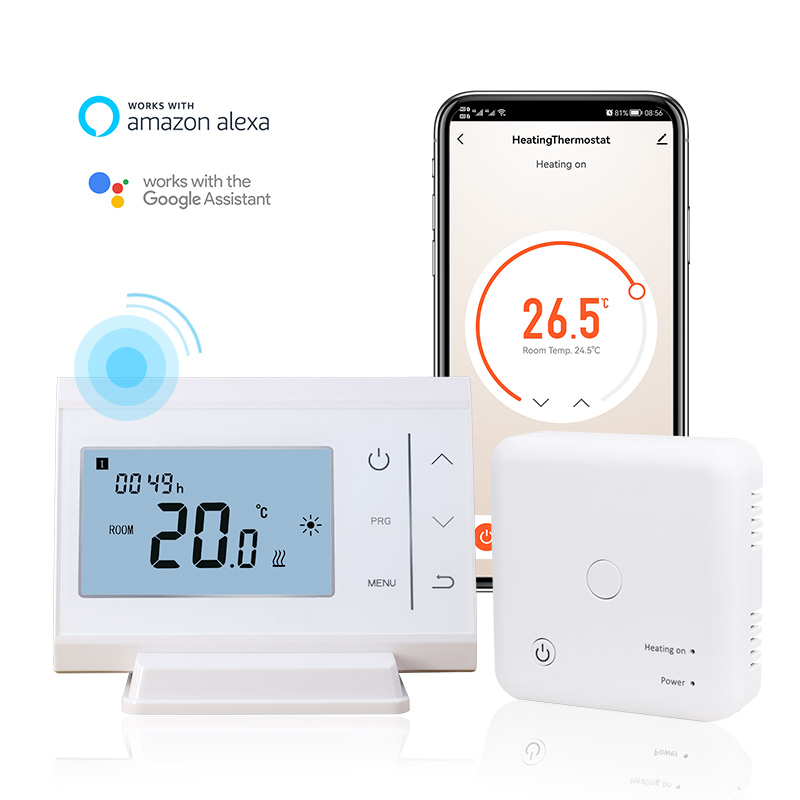
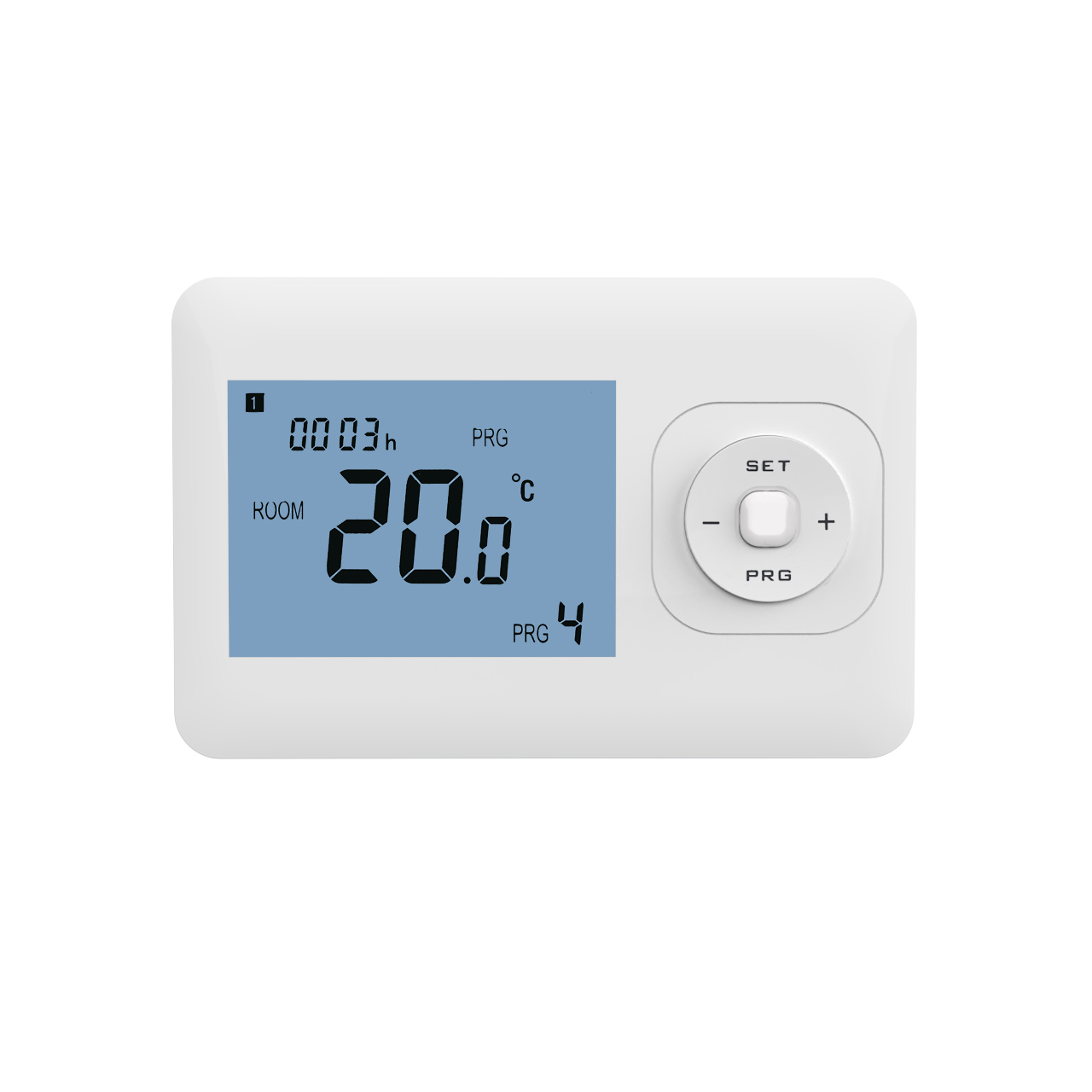
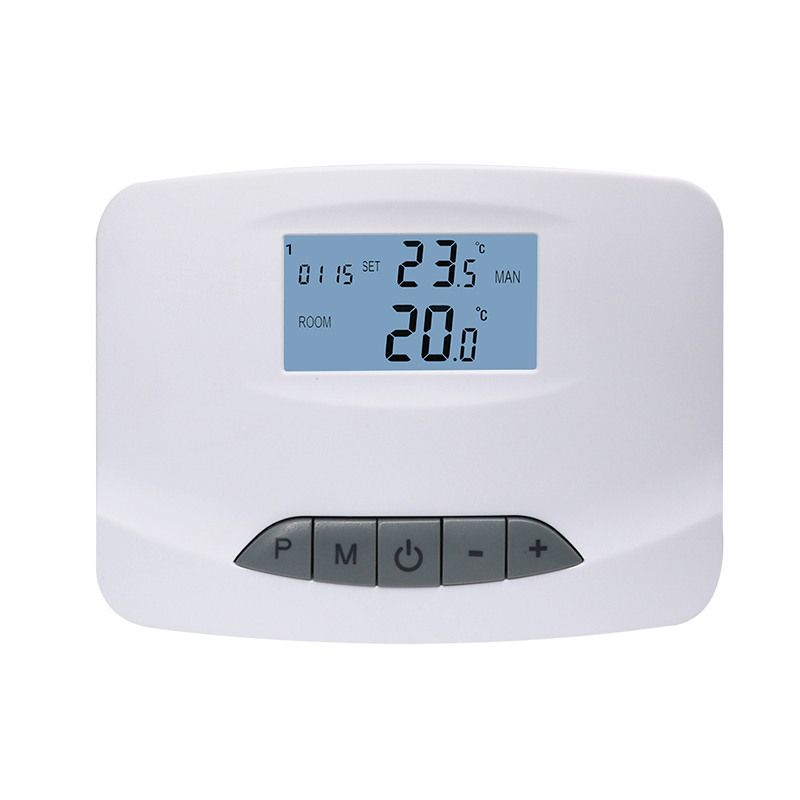
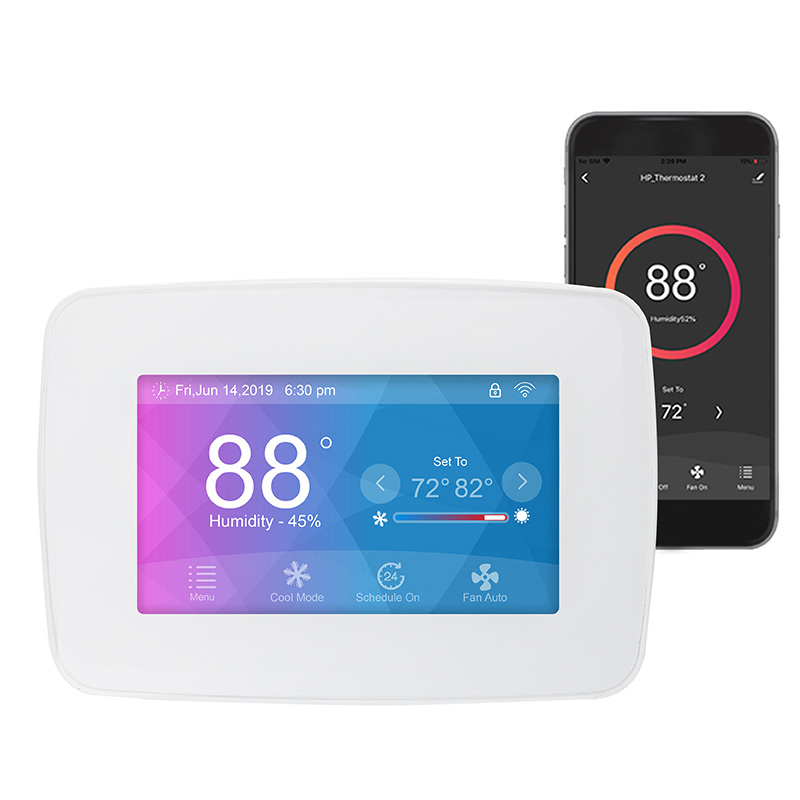
Choose suitable FCU thermostats for each zone, considering features such as touchscreens, remote control capability, and multi-protocol communication support.
3. Fan Coil Unit Deployment
Each zone should be equipped with its own fan coil unit to ensure independent airflow and water flow control.
4. System Integration and Automation
Connect thermostats with valves, fans, and building automation systems to enable remote management, scheduling, and energy-saving strategies.
5.Commissioning and Optimization
After installation, perform system commissioning and fine-tuning to ensure accurate temperature control and optimal performance in every zone.
Key Advantages of Zoning Temperature Control
Improved Indoor Comfort
Each zone can maintain its own ideal temperature, eliminating common issues such as uneven cooling or heating.
Reduced Energy Consumption
By conditioning only occupied areas, zoning control significantly reduces energy waste and lowers operating costs.
Simplified Management and Monitoring
Integration with BAS allows centralized monitoring, fault diagnostics, and data analysis, improving overall management efficiency.
Greater Flexibility for Space Changes
When building usage or occupancy patterns change, zoning control systems can be easily reconfigured without major HVAC modifications.
Conclusion
Achieving zoning temperature control through fan coil unit thermostats is an effective way to enhance indoor comfort, reduce energy consumption, and improve system flexibility. For office buildings, hotels, and public facilities, zoning control represents a modern and intelligent HVAC solution. Selecting FCU thermostats with advanced control features and multi-protocol support ensures long-term efficiency and adaptability for smart building applications.