
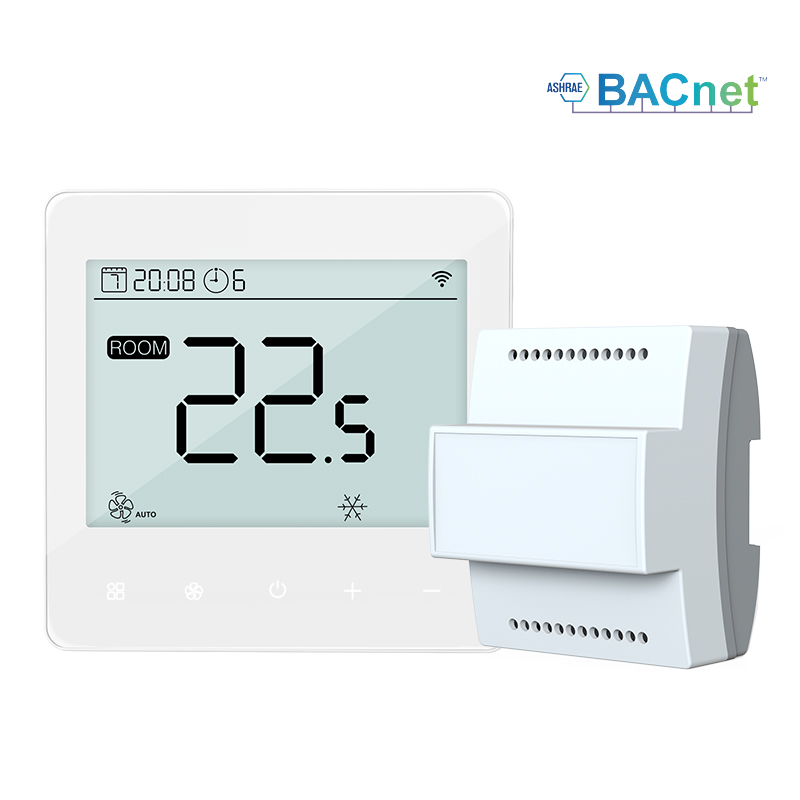
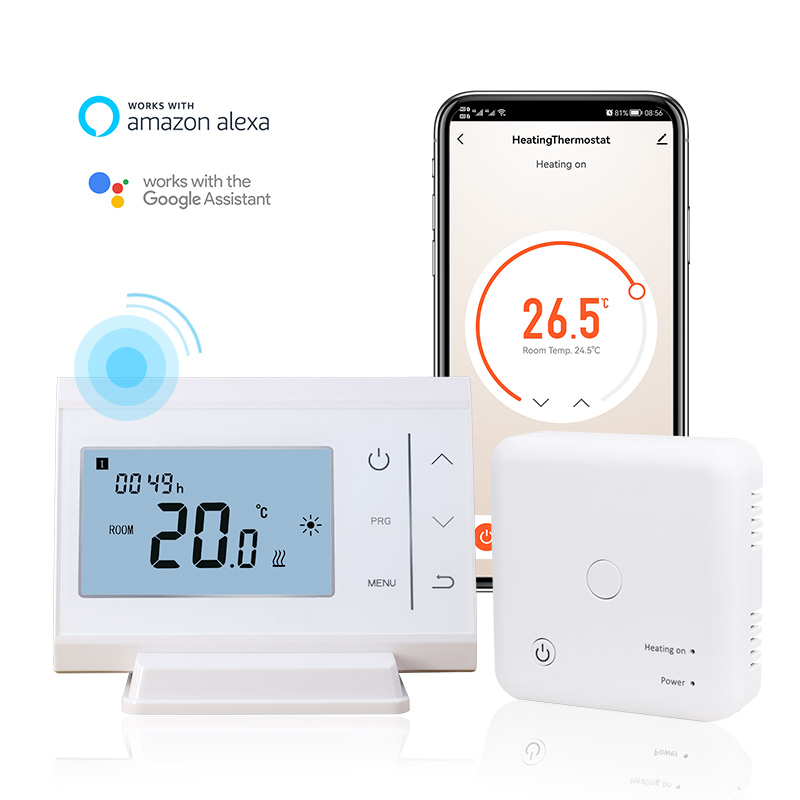
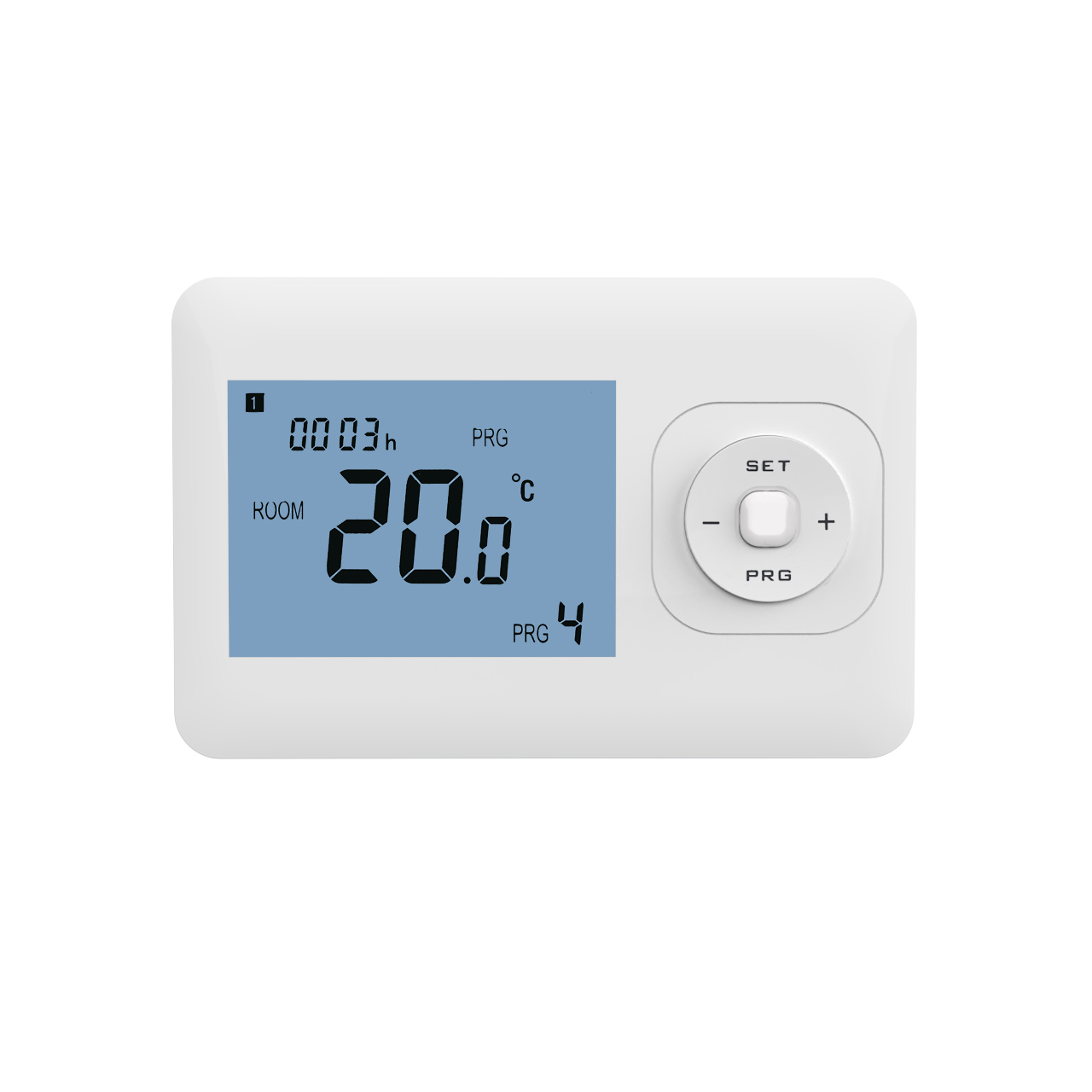
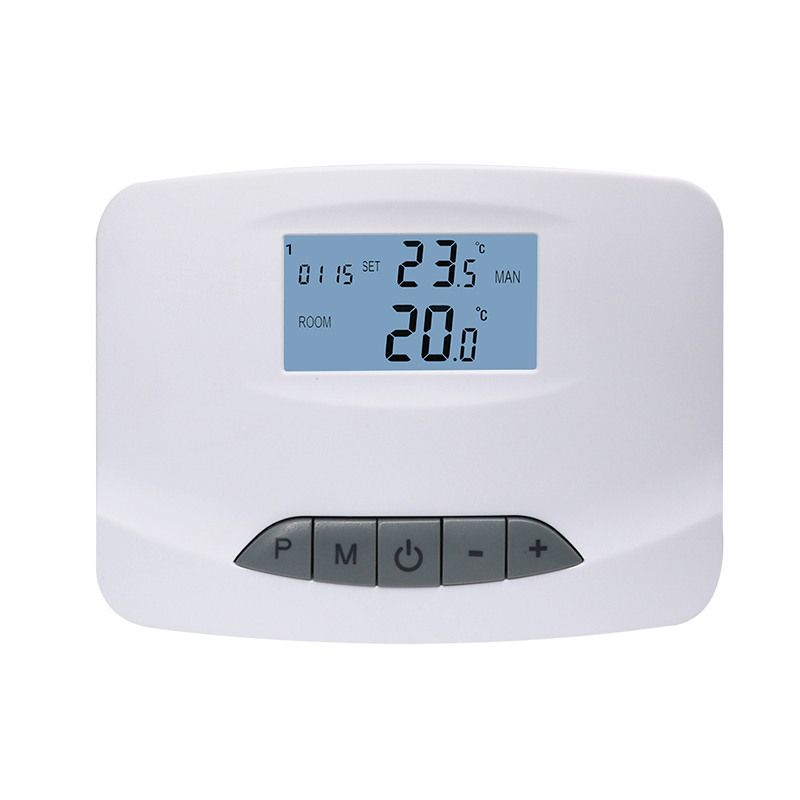
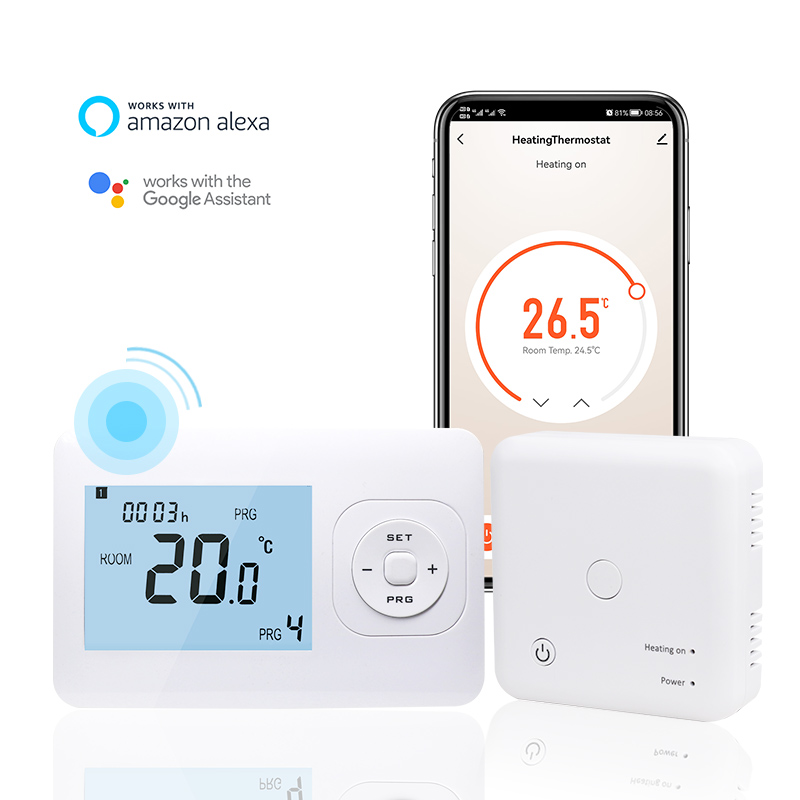
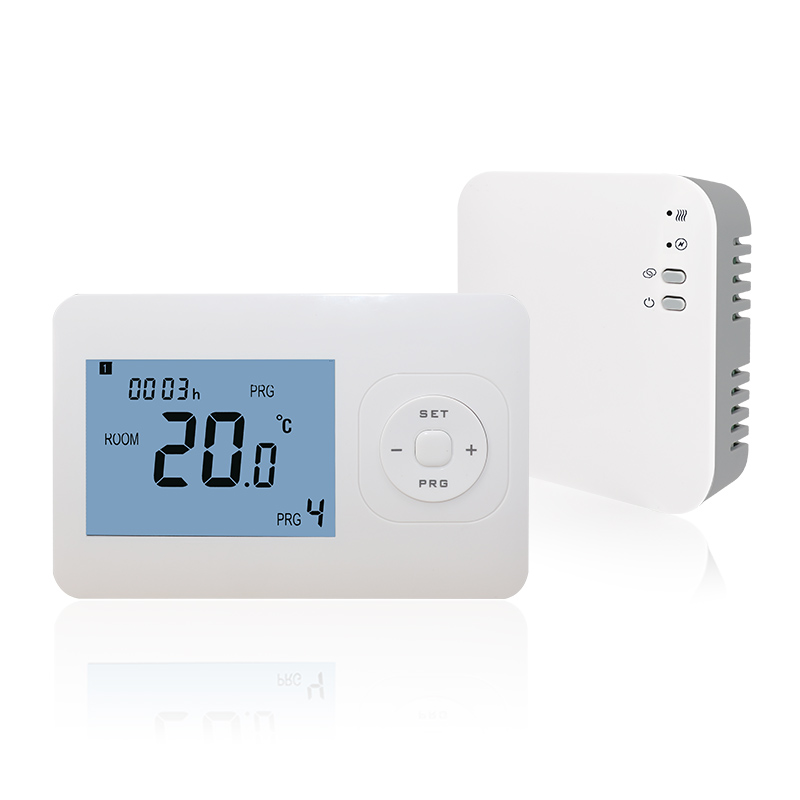
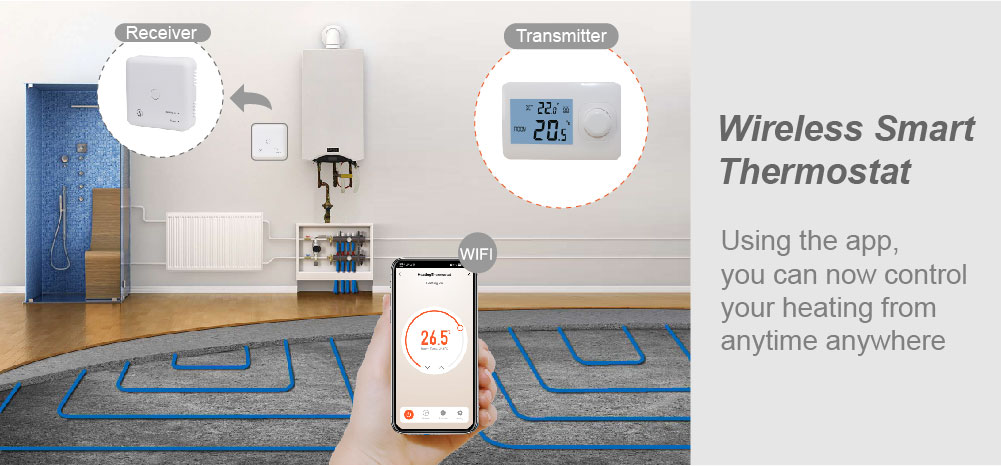
With the increasing prevalence of smart homes, smart thermostats have become an important component of home temperature control systems. Compared to traditional thermostats that only allow for real-time adjustments, smart thermostats offer a more planned approach to temperature management through timer settings. Properly setting the timer not only improves living comfort but also enhances the thermostat’s practical value in daily use. Understanding and mastering the timer adjustment method for smart thermostats is a crucial step in leveraging their intelligent advantages.

The Basic Logic of Timer Settings on Smart Thermostats
The core of timer settings on smart thermostats lies in the linkage between time and temperature. Users set target temperatures for different time periods, allowing the thermostat to operate automatically according to the predetermined plan. The timer function is not simply on/off control; rather, it uses intelligent algorithms to maintain a suitable temperature state within a specified time.
This logic gives the thermostat a stronger autonomous adjustment capability. Users do not need frequent intervention; the thermostat can automatically perform temperature adjustment tasks according to the set time points. Smart thermostats that support timer functions are more in line with the pace of modern life and make temperature control management easier and more organized.
Methods for Setting Timers via the Control Interface
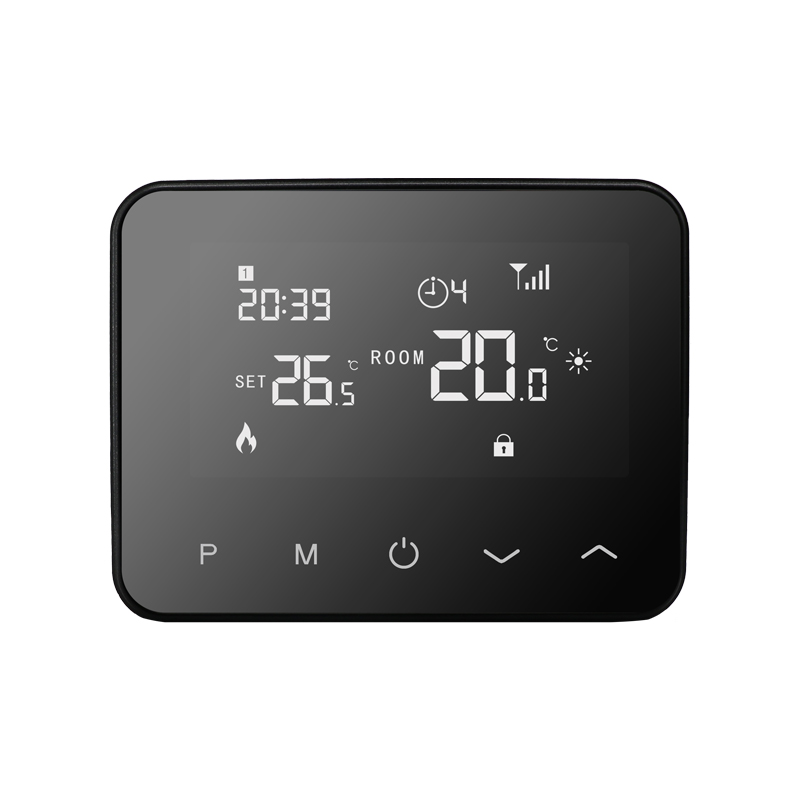
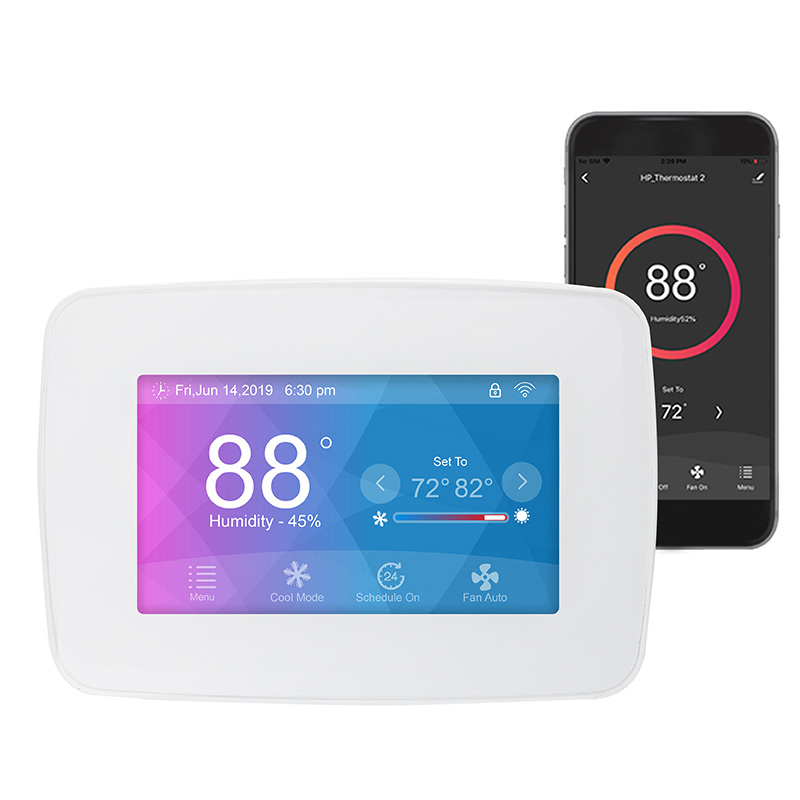
Adjusting the timer settings on a smart thermostat can typically be done through the thermostat’s main control panel or a mobile app. The control interface presents the timer settings in a clear timeline or time period format, allowing users to easily view and adjust them.
Users simply input their desired temperature for the corresponding time period based on their daily routine, and the system automatically saves and executes the settings. The operation is simple and straightforward, requiring no complicated steps to configure the timer. High-quality smart thermostats feature more user-friendly interfaces, making timer adjustment an easy-to-use function.
The Enhanced User Experience of Timer Settings
Proper timer settings offer significant advantages in practical use. By pre-planning temperature changes, the indoor environment can be maintained within an ideal range, reducing the inconvenience of temporary adjustments. The thermostat operates stably within the set time, making the living experience more comfortable.
This timer management method also makes temperature control more aligned with daily habits. Whether in daily life or during short trips, the thermostat operates according to a set rhythm, allowing users to experience the thoughtful convenience of smart devices. Smart thermostats with flexible timer functions are easier to integrate into daily home life, becoming a core device in temperature control systems.
Advantages of Choosing a Smart Thermostat with Flexible Timer Functionality
Among numerous thermostat products, smart thermostats that support multi-time period timer settings are more competitive. These products not only have comprehensive timer functions but also excel in operational stability and ease of use. Through intelligent timer management, the thermostat can better coordinate the working rhythm of heating or cooling systems.
For users pursuing a high-quality lifestyle, choosing a smart thermostat with a mature timer function can significantly enhance the temperature control experience. Stable execution capabilities and intuitive settings make the thermostat more reliable in long-term use and provide strong support for the overall upgrade of smart home systems.
Conclusion
The timer settings of smart thermostats transform temperature regulation from passive operation to active management. By rationally planning the relationship between time and temperature, the thermostat can continuously provide a stable and comfortable indoor environment. As smart technology continues to advance, timer functionality will become an important standard feature of thermostats. Choosing and using a smart thermostat that supports timer settings can help make home temperature control more intelligent and make comfortable living easier and more controllable.