
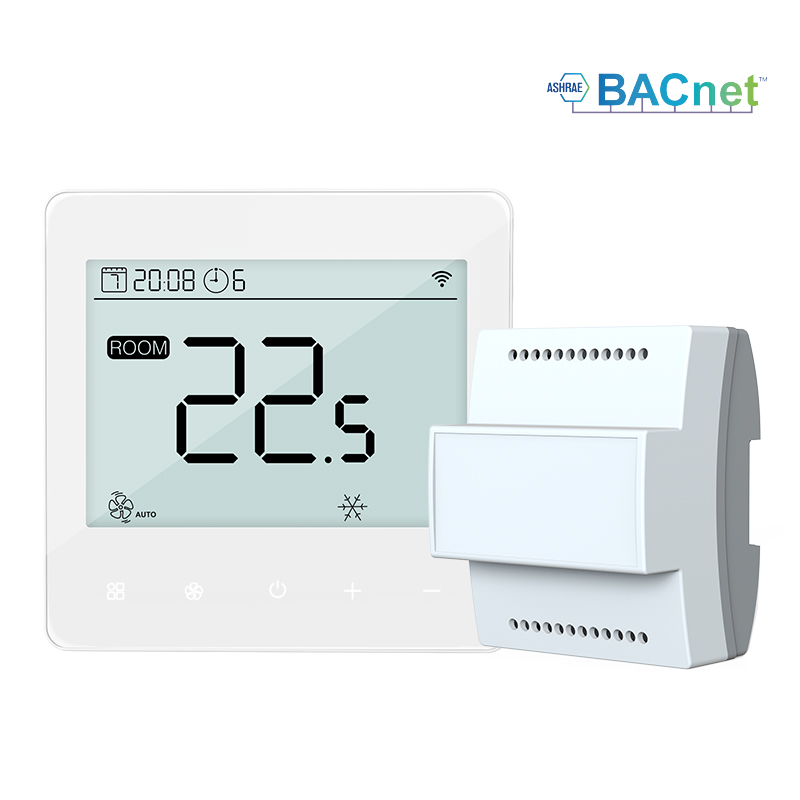
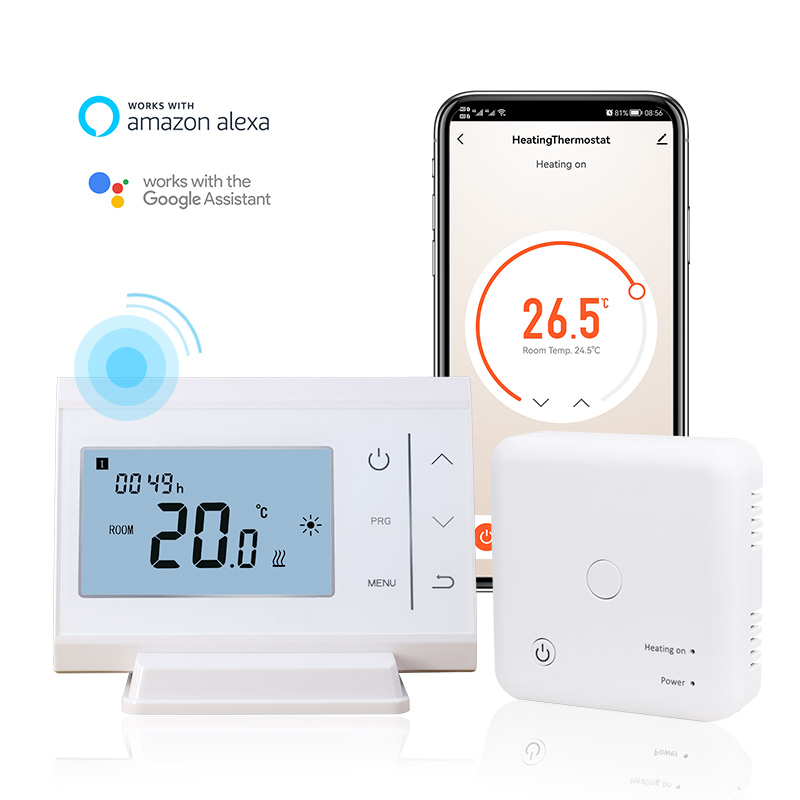
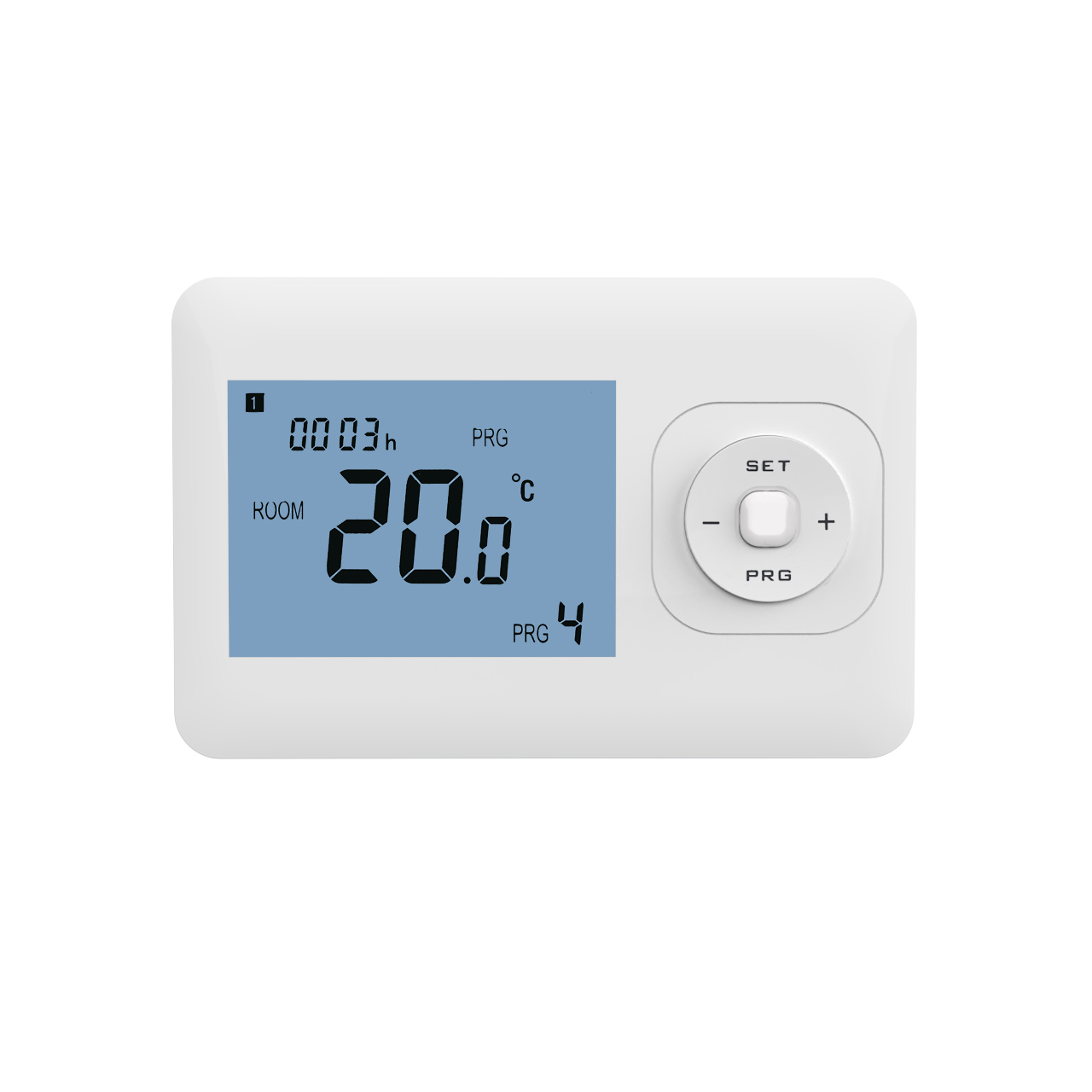
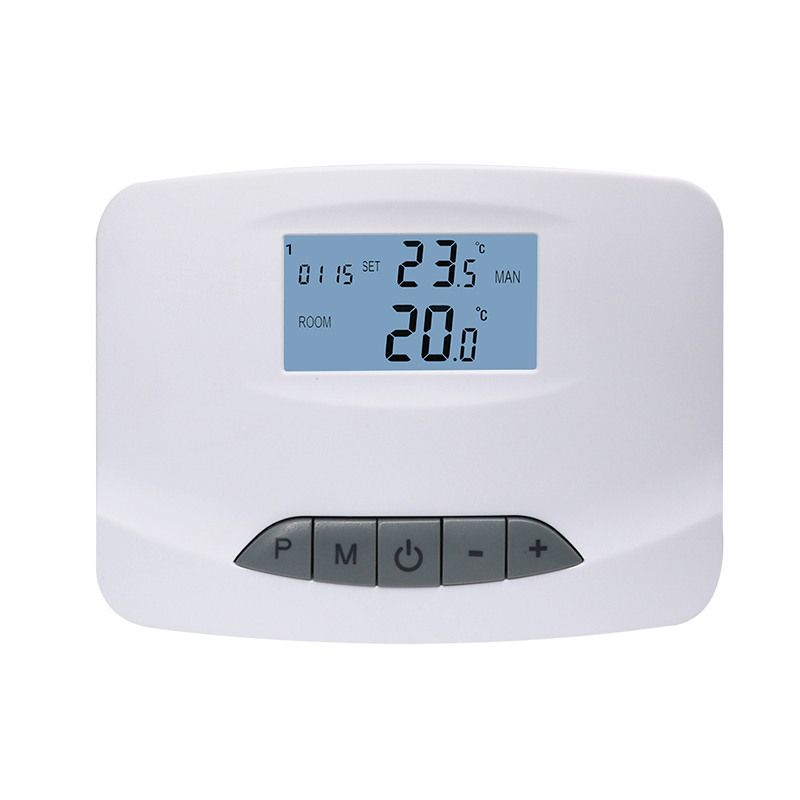
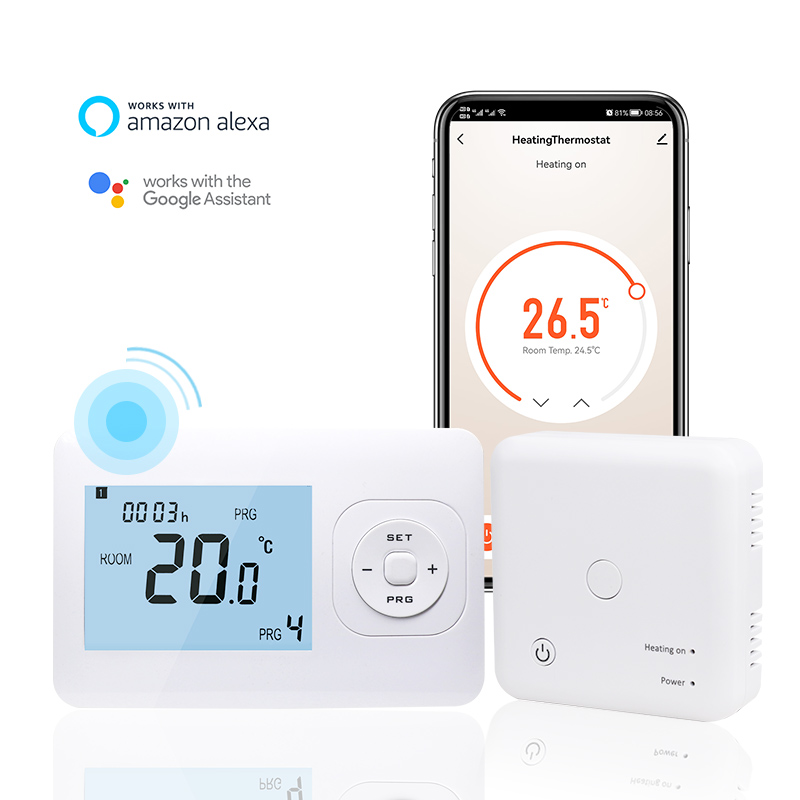
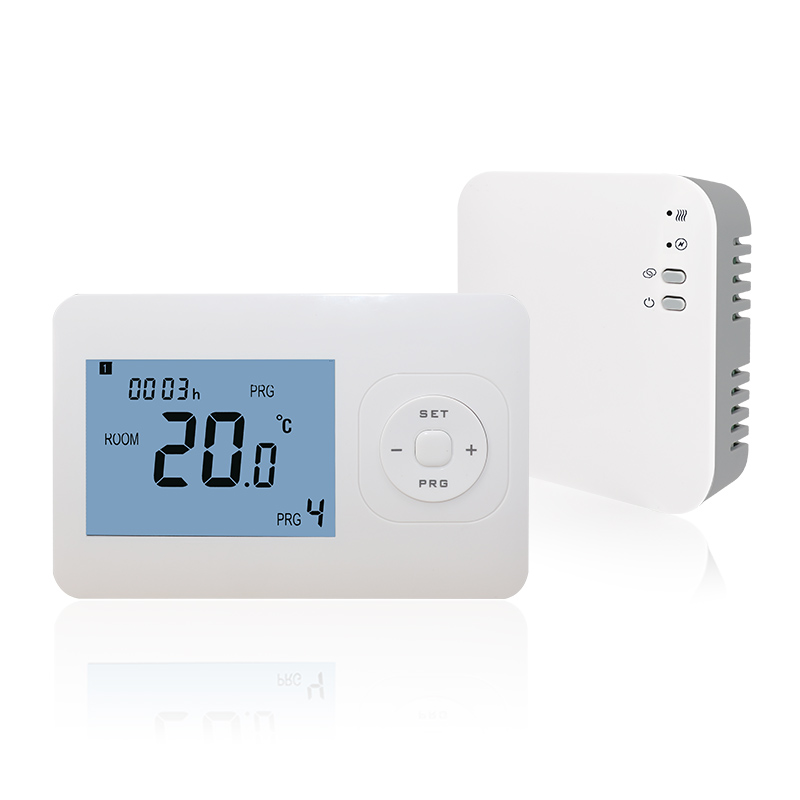
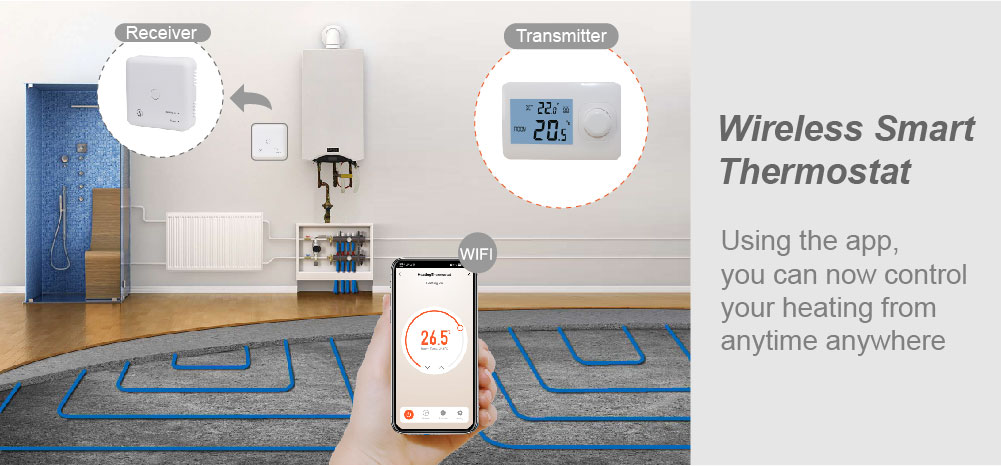
The thermostat is the core control device of an electric floor heating system, responsible for regulating indoor temperature and managing heating schedules. If the thermostat malfunctions, it can lead to unstable indoor temperatures and even affect the safety and lifespan of the system. Therefore, knowing how to check whether an electric floor heating thermostat is functioning properly is essential for homeowners. This article explains key methods to determine if your thermostat is working correctly.
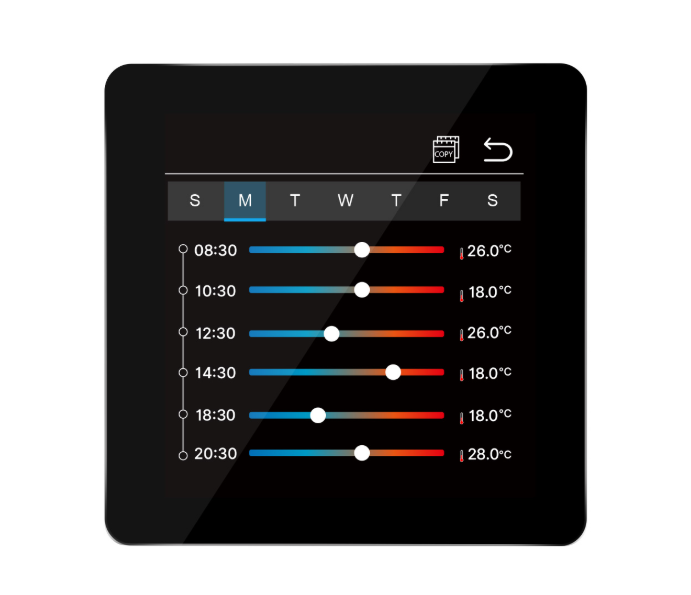
Observe the Thermostat Display and Indicator Lights
The simplest way to check is by examining the thermostat’s display and indicator lights:
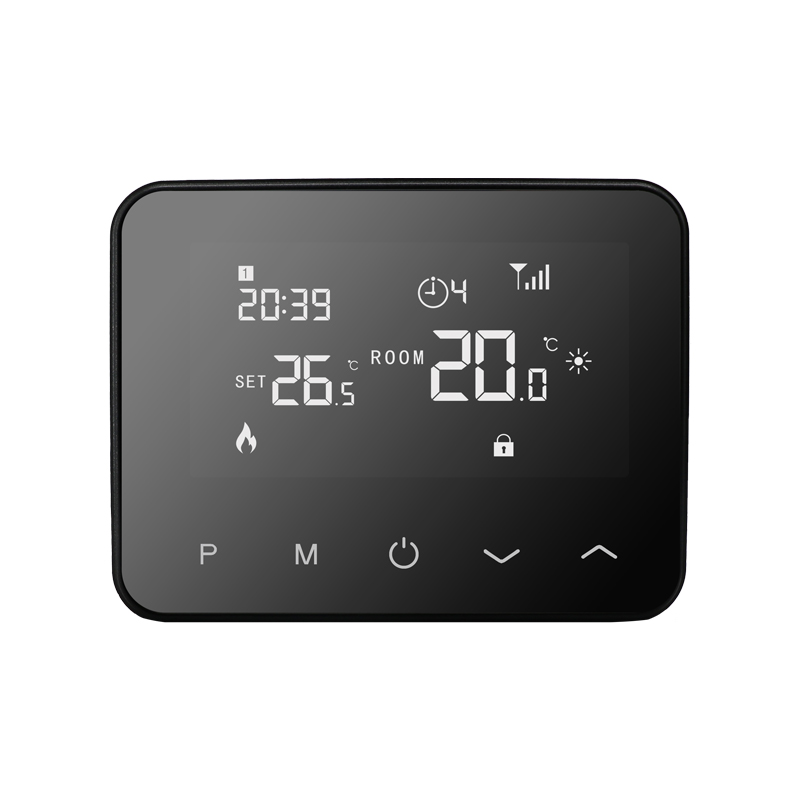
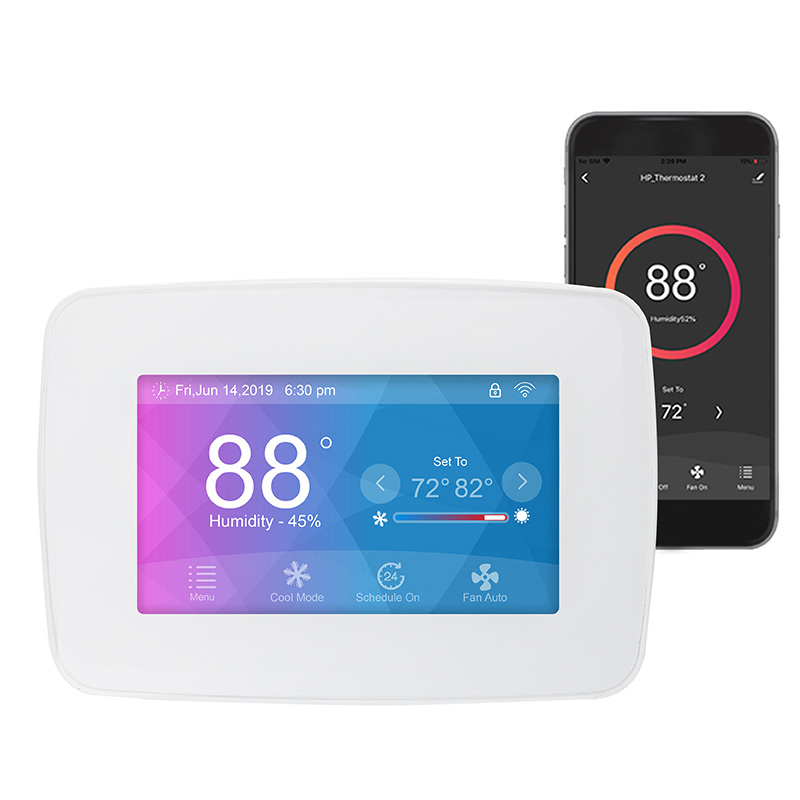
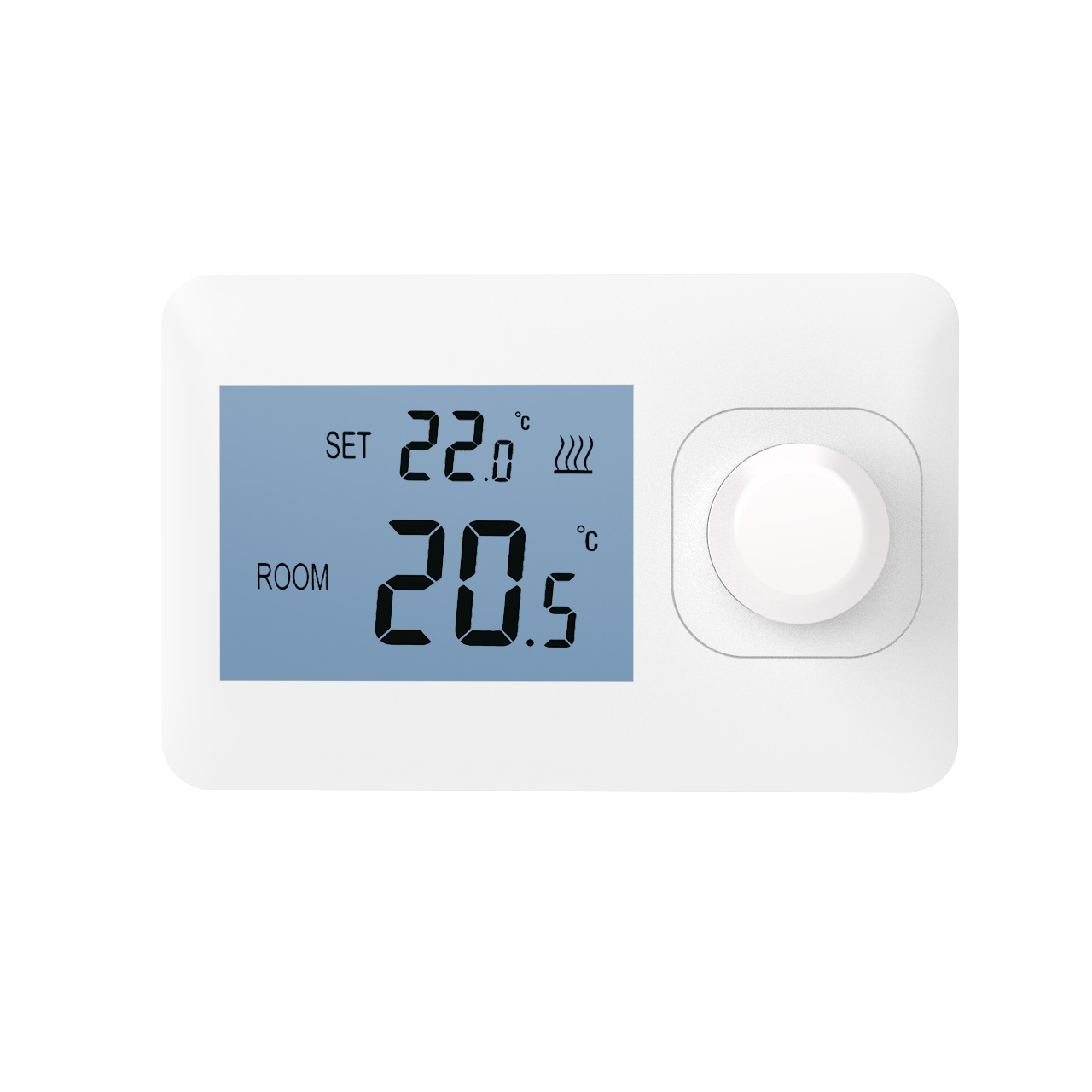
Display Issues: If the screen is blank, flickering, or showing garbled characters, it could indicate a power supply problem or internal circuitry fault.
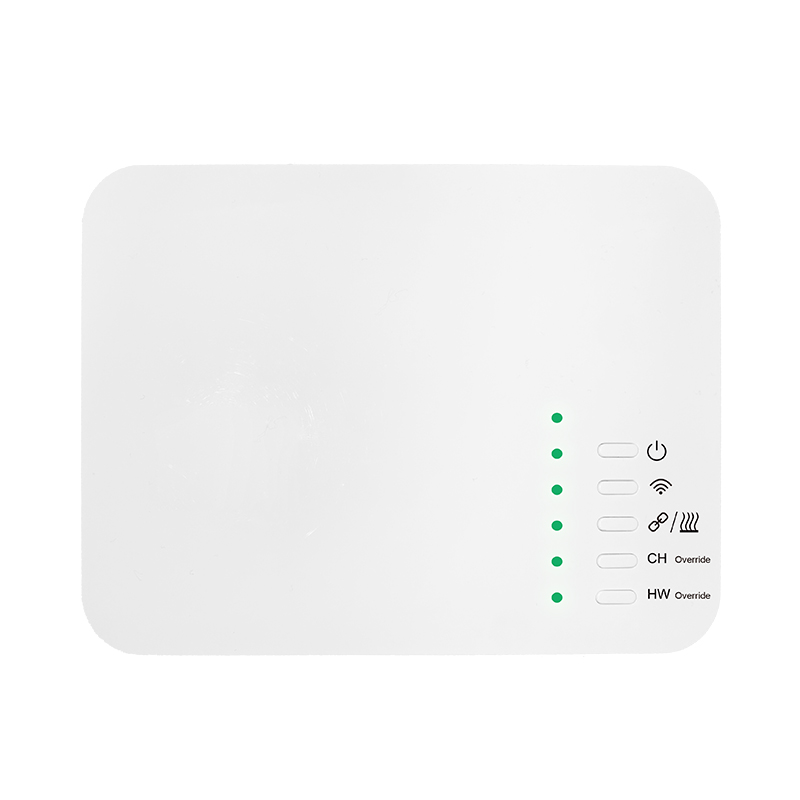
Indicator Light Status: Normally, power and heating indicator lights should change according to the operating status. Constantly on or completely off lights may indicate a thermostat malfunction.
Regular observation helps identify electrical issues early and guides further testing.
Test the Thermostat’s Control Functions
The main function of a thermostat is to control indoor temperature. This can be tested through practical operation:
Temperature Adjustment Response: Change the set temperature and check if the floor heating system or room temperature responds accordingly. If the temperature remains unchanged for a long time, the thermostat or sensor may be faulty.
Timer Function Check: If the thermostat has a timer function, set different schedules to see if the system starts heating as planned.
Mode Switching: Switch between auto, manual, or energy-saving modes and observe whether the thermostat correctly executes commands.
These tests help determine whether the thermostat can accurately control heating.
Inspect the Thermostat’s Connection to the Heating System
Proper connections between the thermostat and the floor heating system are also crucial:
Wiring Check: With the power off, inspect wires connecting the thermostat to the heating system for looseness or damage.
Sensor Condition: Thermostats typically have room or floor temperature sensors. A detached, broken, or faulty sensor will prevent accurate temperature measurement and control.
Relay Operation: The thermostat controls the heating circuit through a relay. Listen or measure whether the relay operates correctly.
Ensuring intact wiring and sensors minimizes misdiagnosis of thermostat issues.
Use Professional Tools for Testing
For problems that cannot be identified visually or through basic operation, professional tools can provide more precise results:
Multimeter: Measure voltage or resistance at the thermostat’s output terminals to detect electrical faults.
Infrared Thermometer: Check the floor temperature to see if it corresponds to the thermostat’s set temperature.
Self-Diagnostic Function: Some advanced thermostats provide self-checks or error codes for fast troubleshooting.
Professional tools allow accurate detection and help users or technicians quickly locate the problem.
Regular Maintenance Tips
Routine maintenance helps prevent thermostat failures:
Keep Dry and Clean: Avoid moisture or dust accumulation, which may affect internal circuits and sensors.
Seasonal Testing: Test thermostat functions before each heating season to ensure proper operation.
Avoid Frequent Manual Adjustments: Constantly changing temperature settings or modes increases electrical load and may reduce lifespan.
Combining daily maintenance with proper testing maximizes the thermostat’s longevity.
Conclusion
Checking whether an electric floor heating thermostat is working properly is essential for maintaining indoor comfort and ensuring safe operation of the heating system. By observing the display and indicator lights, testing control functions, inspecting wiring and sensors, and using professional tools, users can detect problems in time and take appropriate measures. Combined with regular maintenance, this ensures the thermostat operates reliably, making the home heating system safe, efficient, and energy-saving.