
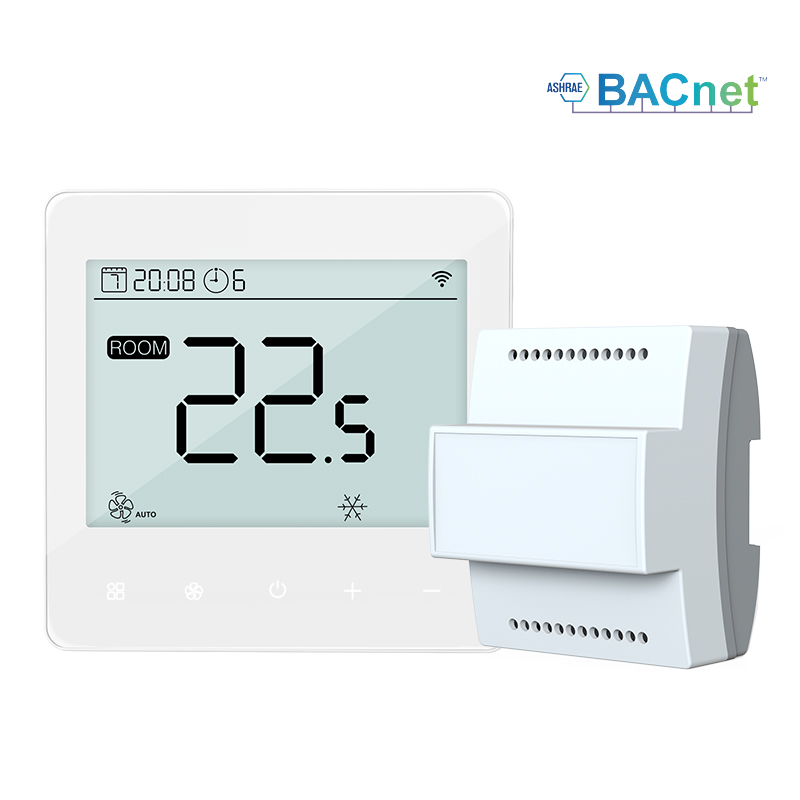
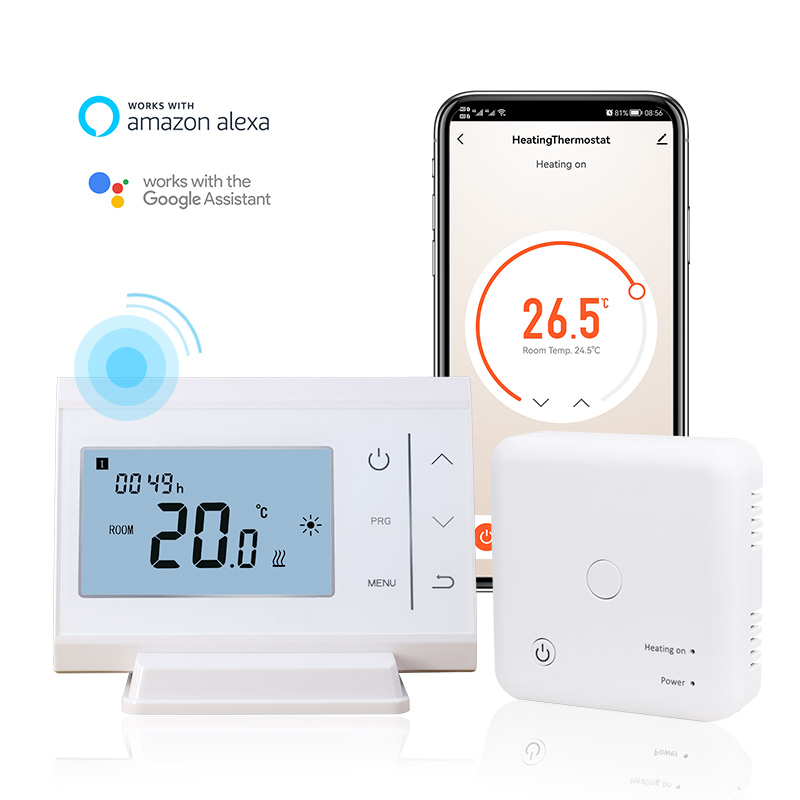
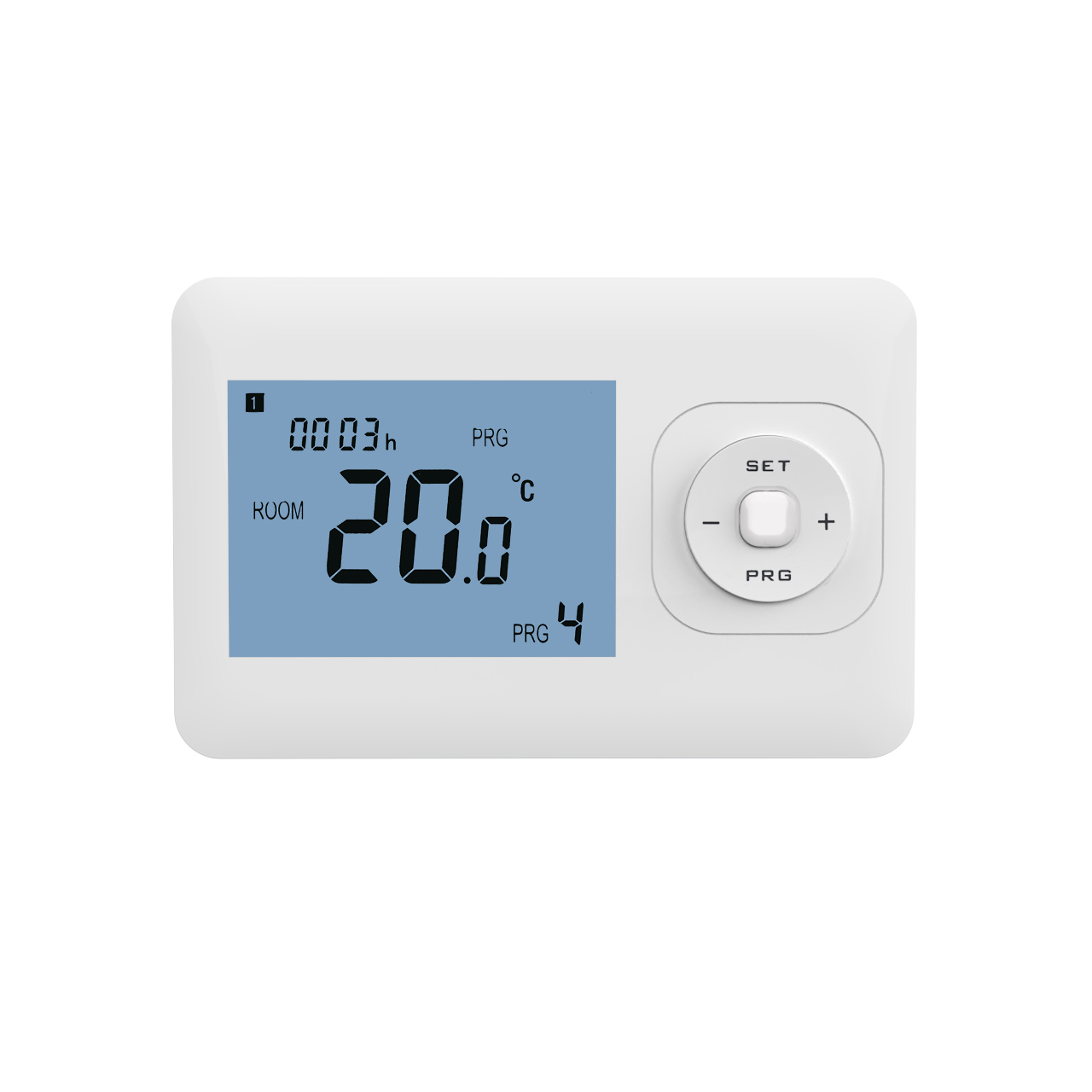
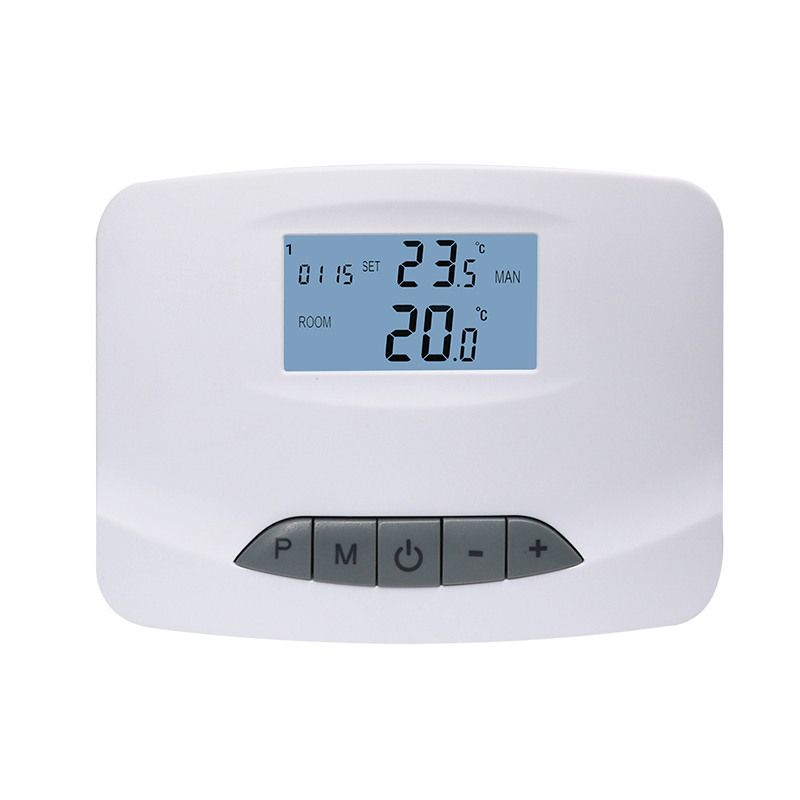
During HVAC system project acceptance, fan coil unit (FCU) thermostats are critical end-point control devices. Their performance and installation quality directly impact system efficiency, temperature control accuracy, and user comfort. Even if the main HVAC equipment is high-quality, improperly selected or installed thermostats can compromise the system. Therefore, inspecting FCU thermostats carefully during project acceptance is essential. This article outlines practical steps and key points to check whether fan coil unit thermostats are compliant.

Verify Product Credentials and Model Information
The first step is to confirm the compliance of the thermostats through documentation. Check that the model matches design drawings and technical specifications, including control type, valve configuration, and power requirements.
Additionally, ensure that each thermostat has complete product labeling, a factory certificate, and technical specifications. Clear and complete documentation is the foundation for assessing compliance.
Inspect Appearance and Installation Quality
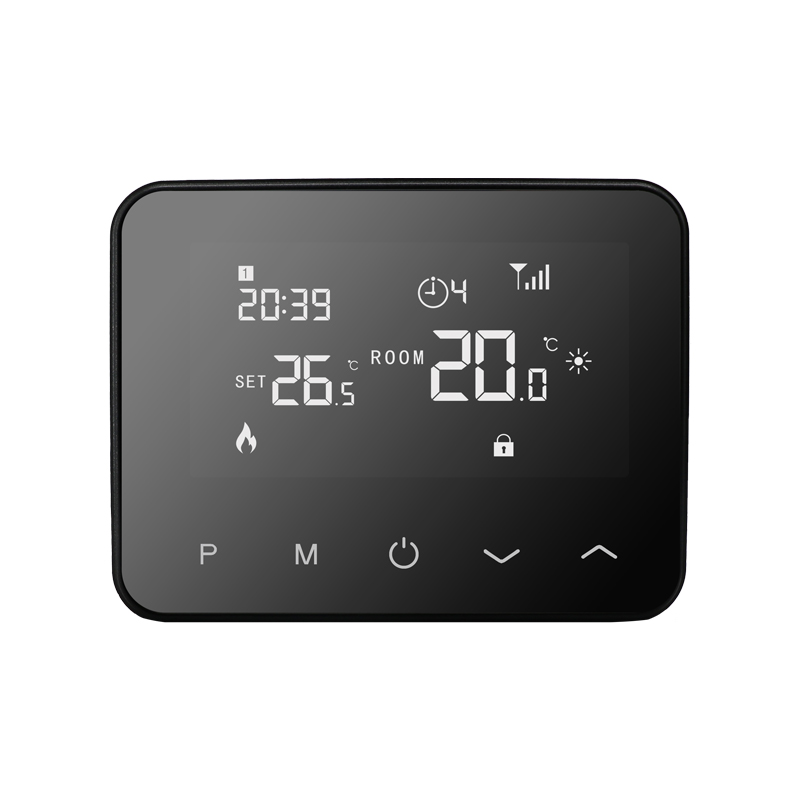
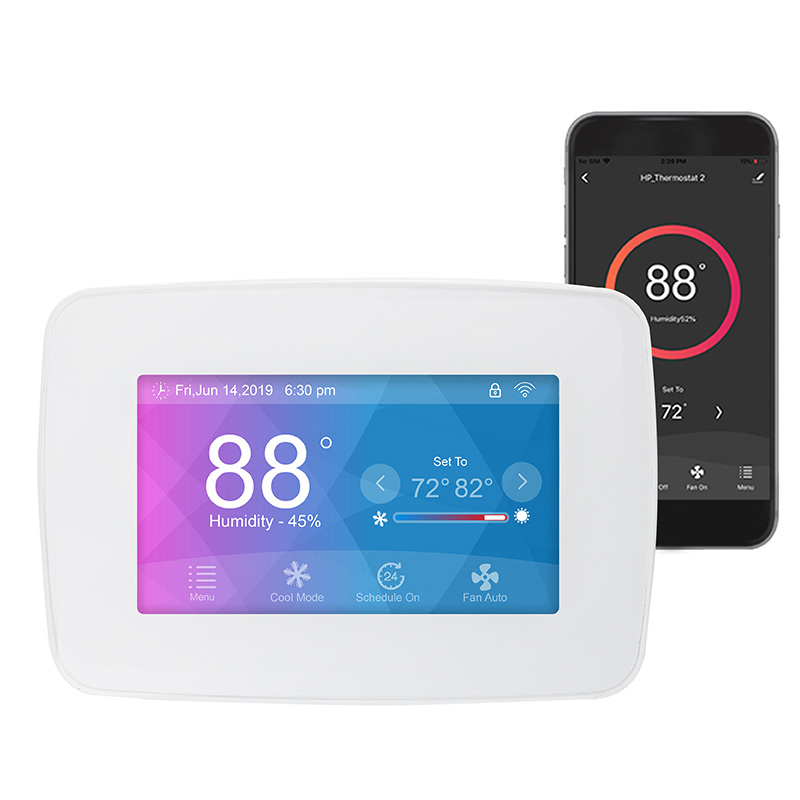
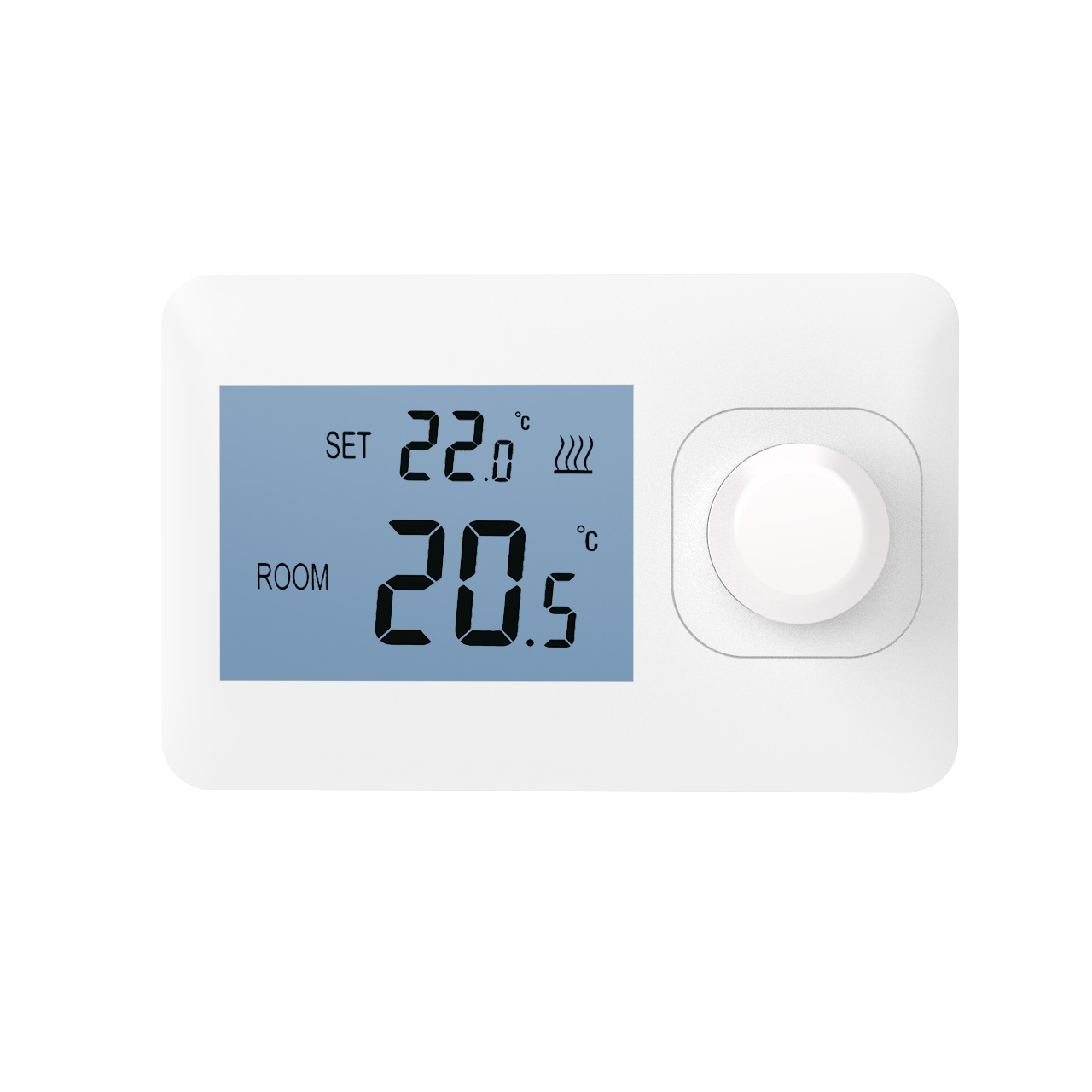
Visual inspection provides immediate insight into the device’s quality. Compliant FCU thermostats should have intact casing, smooth panels, and responsive buttons or touchscreens.
Check that the thermostat is securely mounted in the correct location, typically where it can accurately measure room temperature, away from direct airflow, windows, or heat sources, ensuring precise readings.
Verify Wiring and Electrical Safety
Proper wiring is critical for reliable operation. During acceptance, confirm that power lines, fan control wires, and valve control wires are correctly connected according to the wiring diagram and that terminals are secure.
Also, verify that voltage ratings match specifications and that there are no loose or exposed wires, ensuring both operational reliability and electrical safety.
Check Basic Functions
Power on the thermostat and test all basic functions. Confirm that the on/off switch responds correctly, mode switching works smoothly, and temperature setpoints adjust accurately.
When changing fan speed settings, observe whether the fan responds appropriately, ensuring high, medium, and low-speed control logic operates correctly.
Test Temperature Control and Feedback Accuracy
Temperature control performance is a core indicator of compliance. Adjust the setpoint temperature and observe whether the fan and valve respond correctly.
Compare the thermostat’s displayed temperature with an independent thermometer to verify that deviations are within acceptable ranges, ensuring comfortable and precise control in actual use.
Inspect Valve and Actuator Coordination
For systems with electric valves or dampers, check the coordination between the thermostat and actuators. In both cooling and heating modes, the valves should open and close according to control signals.
Smooth and accurate valve operation ensures energy-efficient system performance and prevents frequent cycling.
Verify System Compatibility and Communication
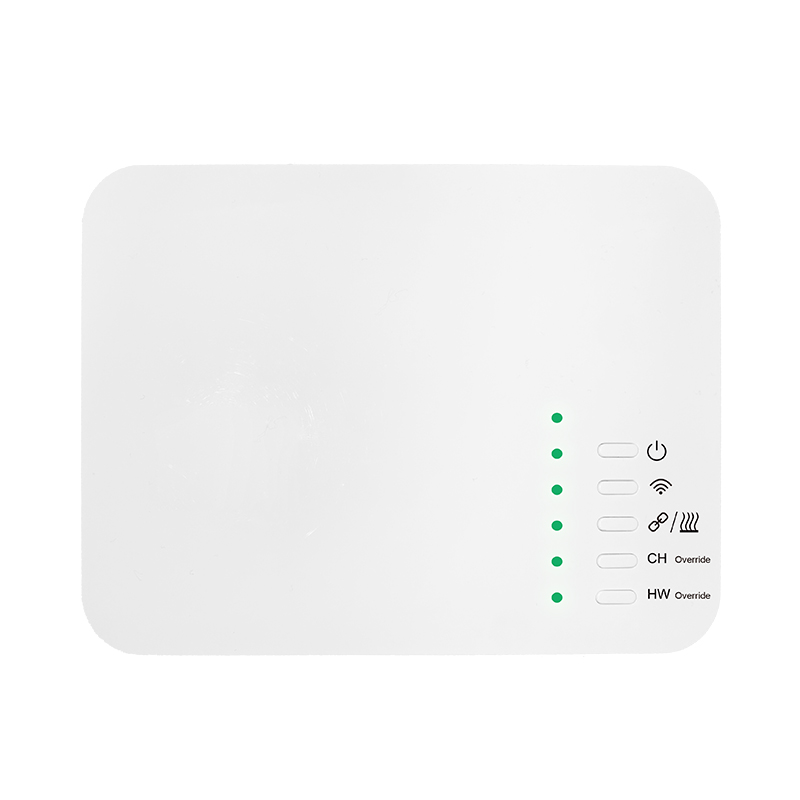
In centralized or building automation systems, thermostats often need to communicate with upper-level controllers. Confirm that communication interfaces, addresses, and data feedback operate correctly.
Reliable compatibility allows for centralized management, energy monitoring, and simplified maintenance.
Summary: Comprehensive Inspection Ensures Compliance
In conclusion, checking whether fan coil unit thermostats are compliant during project acceptance requires evaluating documentation, installation, wiring, basic functions, and control accuracy. A systematic and thorough inspection not only ensures successful project handover but also lays a solid foundation for long-term stable operation and maintenance.
For project teams, paying close attention to FCU thermostat acceptance is a crucial step in guaranteeing the overall performance and efficiency of HVAC systems.