
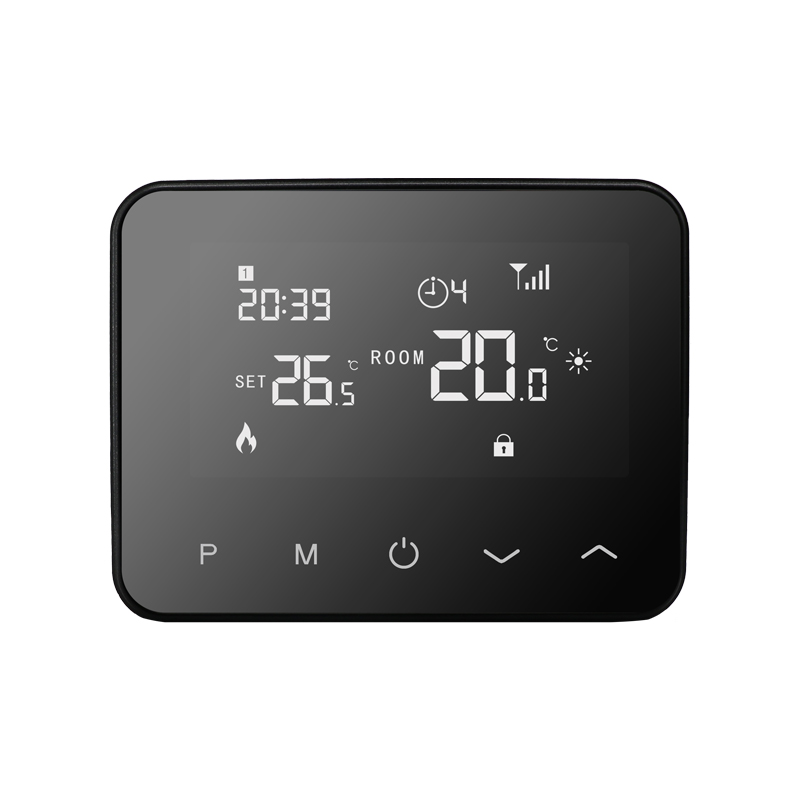
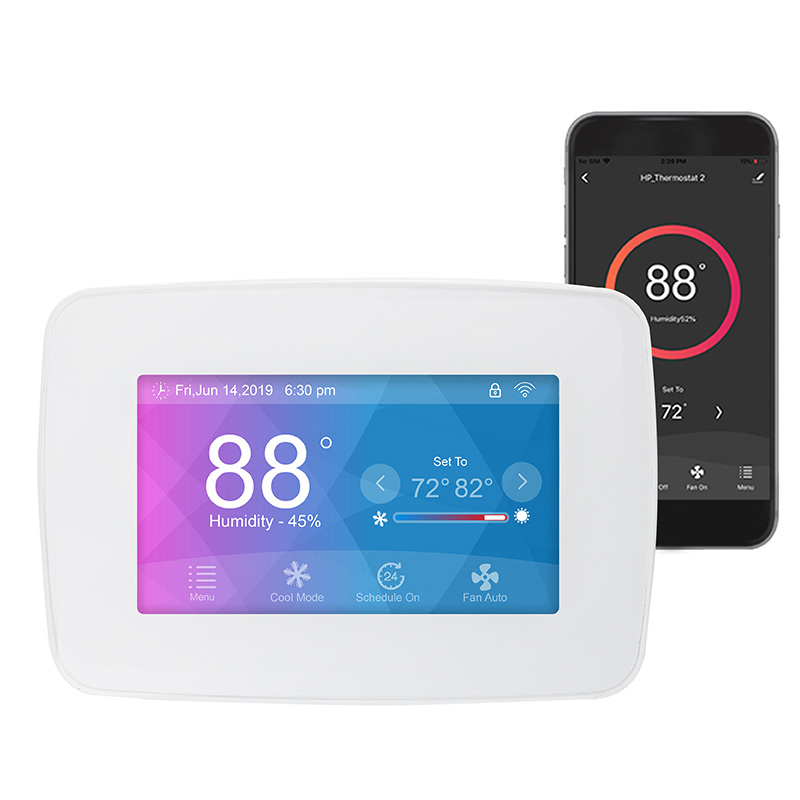
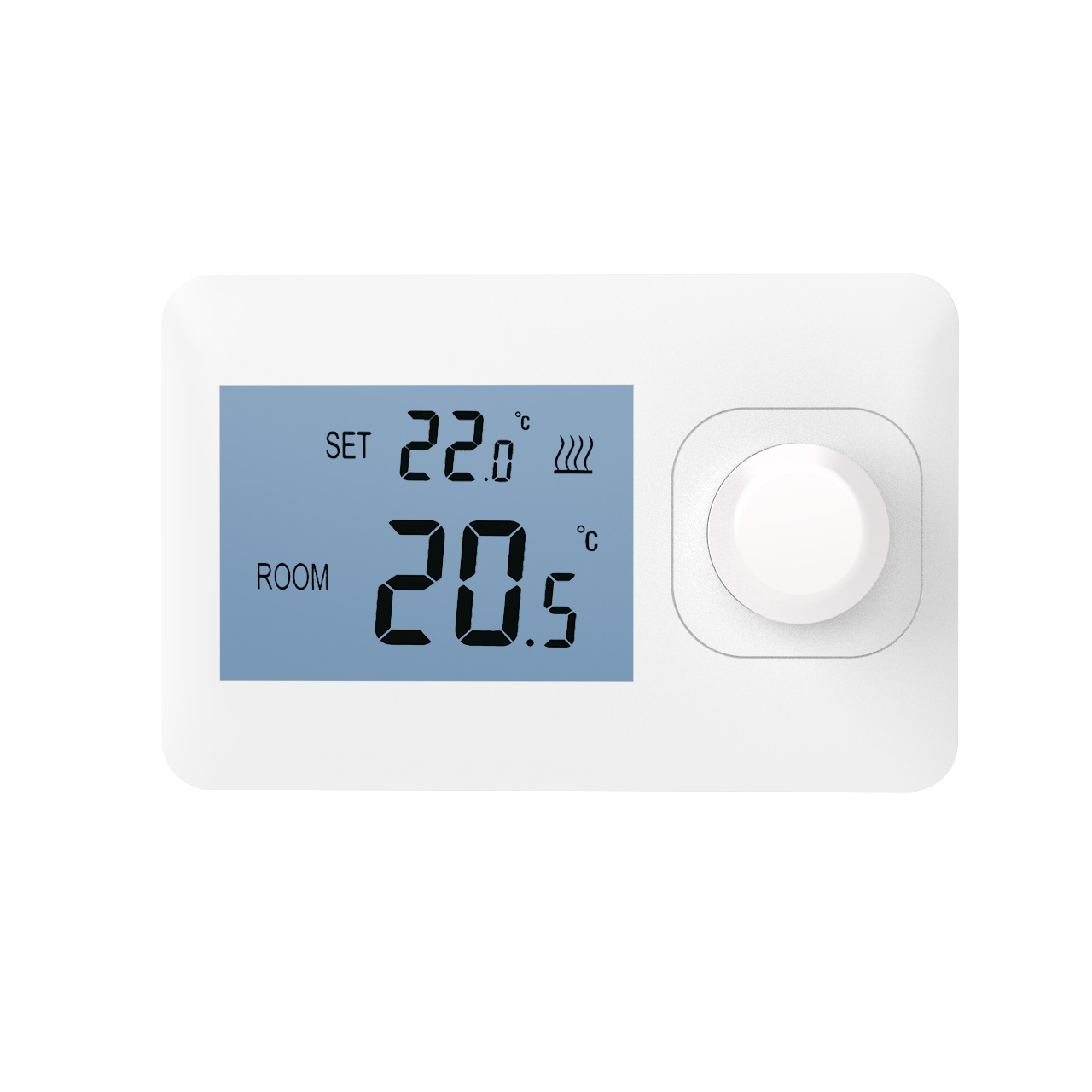
Fan coil unit (FCU) systems are widely used in hotels, office buildings, shopping malls, and residential projects. The fan coil unit thermostat plays a critical role in temperature control and energy management. However, beginners often focus only on price or appearance and overlook system compatibility and functional requirements, which can lead to operational issues later. This guide explains how to choose the right FCU thermostat and avoid common pitfalls.
Identify the Fan Coil System Type First
Before selecting a thermostat, it is essential to determine whether the system is a 2-pipe or 4-pipe fan coil system.
A 2-pipe system uses a single water loop for cooling and heating, requiring simpler control logic. A 4-pipe system has separate hot and cold water pipes and demands more advanced valve control from the thermostat. Choosing an incompatible thermostat can result in heating and cooling conflicts.
Confirm the Fan Speed Control Method
Most FCU thermostats support three-speed fan control (high, medium, low), while some models also offer automatic fan speed adjustment. Beginners often overlook this factor, leading to fan speeds that cannot be switched properly or increased operating noise. Selecting a thermostat with both manual and automatic fan speed options improves comfort and system performance.
Do Not Ignore Valve Control Compatibility
Fan coil systems typically work with motorized valves, and the thermostat must provide proper valve control output. Beginners may ignore details such as valve voltage, normally open or normally closed types, which can prevent the valve from operating correctly. Always ensure the thermostat matches the valve’s electrical and control requirements.
Consider Communication and BMS Integration
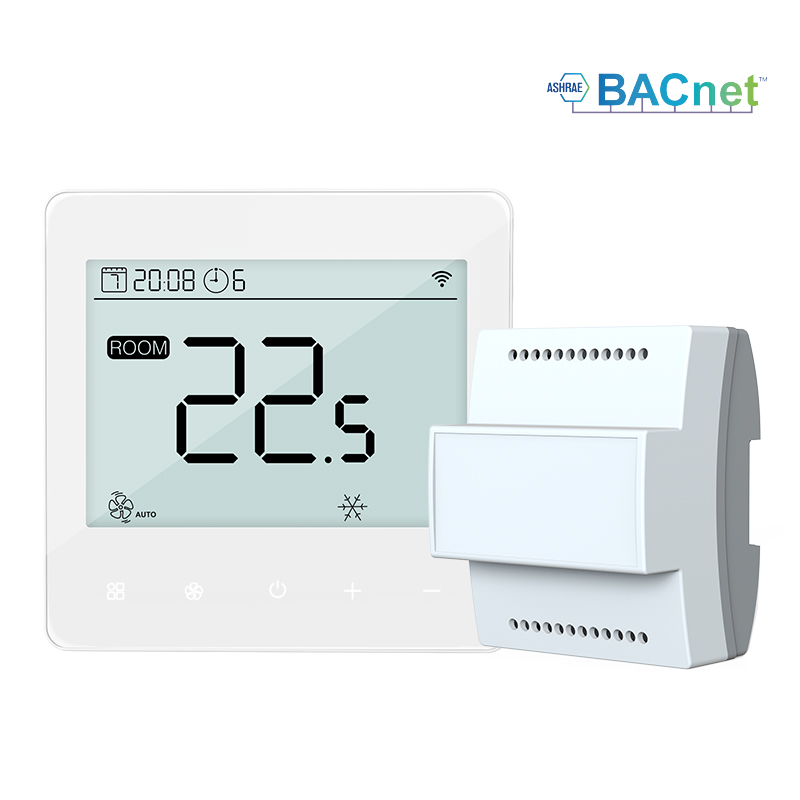
In commercial projects, FCU thermostats are increasingly connected to Building Management Systems (BMS). If centralized monitoring or remote control is required, choose thermostats that support communication protocols such as Modbus or BACnet. Using non-communicating thermostats may increase future upgrade costs.
User Interface and Operation Matter
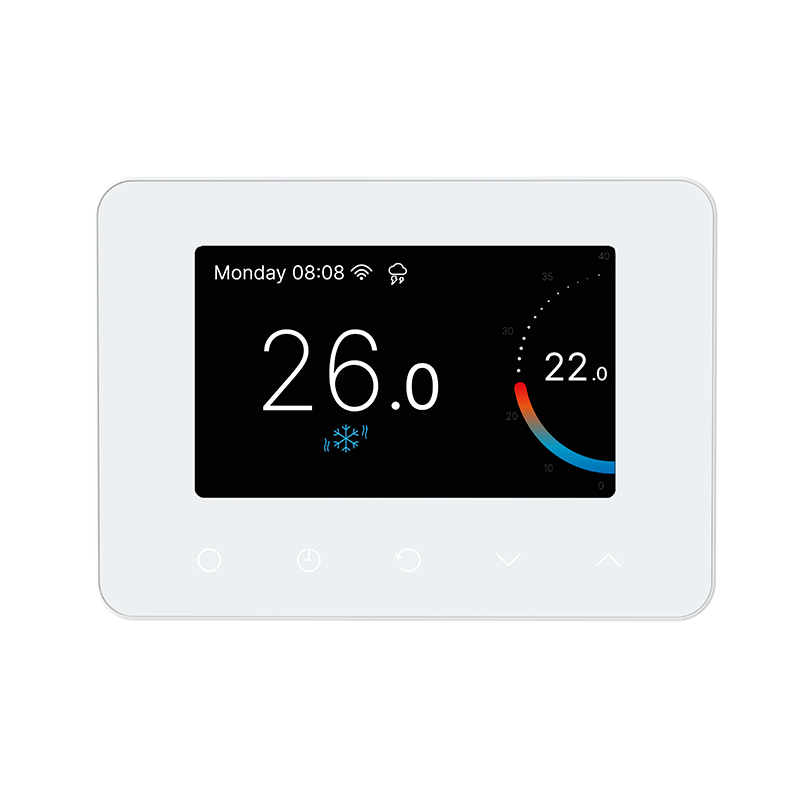
In hotels and offices, the user experience of the thermostat directly affects occupant satisfaction. Features such as touch screens, backlit displays, and intuitive interfaces enhance usability and reduce incorrect operation. Beginners often focus solely on technical specifications and overlook usability, which can lead to complaints during daily use.
Pay Attention to Installation Environment and Sensors
Temperature accuracy is closely related to thermostat installation location. Installing the thermostat near direct sunlight, air outlets, or heat sources can cause inaccurate readings and unstable system operation. It is advisable to select thermostats that support external sensors or temperature calibration for greater flexibility.
Avoid Choosing Based on Price Alone
Low-cost thermostats may compromise control accuracy, reliability, or service life. While cheaper options may reduce initial costs, they often increase maintenance and replacement expenses over time. For engineering projects, reliability and compatibility are more important than short-term savings.
Conclusion
Choosing a fan coil unit thermostat is not as simple as picking any available model. Beginners should focus on system type, fan and valve control, communication requirements, user interface, and installation adaptability. Avoiding common mistakes ensures stable operation, improved comfort, and better energy efficiency.
Selecting the right FCU thermostat enhances overall HVAC performance and provides a solid foundation for long-term system management and maintenance.