

In the cold winter, radiator thermostatic valves act like “smart butlers” for home heating, precisely regulating indoor temperature and allowing us to enjoy a comfortable life in warmth. However, faced with a dazzling array of products on the market, choosing the right radiator thermostatic valve for your home’s heating system has become a challenge for many consumers. Mastering the correct selection method is essential for ensuring both efficient and energy-saving heating systems.
Matching Your Heating System: Laying a Solid Foundation for Your Selection
The optimal performance of a radiator thermostatic valve in a heating system is closely related to the type of heating system. Common heating systems are divided into two-pipe systems and single-pipe systems, and the requirements for thermostatic valves differ significantly between the two.
Two-pipe systems use independent supply and return water pipes, allowing each radiator to be adjusted independently, providing an ideal environment for high-resistance two-way thermostatic valves. These valves are ingeniously designed to precisely match the hydraulic characteristics of a two-pipe system, without interfering with the flow rate of other branches during adjustment, ensuring that each radiator operates stably at the preset temperature. For example, in dual-pipe systems of centralized heating in northern regions, high-resistance two-way thermostatic valves effectively handle pressure fluctuations, preventing temperature spikes and drops due to pressure changes and maintaining a comfortable indoor temperature.
Adaptation to single-pipe systems is more complex. In traditional single-pipe parallel-flow systems, water flows in one direction. If a regular thermostatic valve is installed directly, downstream radiators will experience insufficient heat due to insufficient flow. In this case, low-resistance two-way or three-way valves with a bypass pipe design are ideal. The three-way valve adjusts the flow rate into the radiator within a reasonable range by adjusting the flow split coefficient, while the bypass pipe compensates for the flow in the opposite direction, maintaining the system’s hydraulic balance. However, the quality of three-way valves varies, and some products are prone to leakage due to poor sealing. Therefore, it is essential to prioritize products from rigorously certified brands to ensure safe use.
Focus on Materials and Manufacturing Processes for Long-Term Durability
Materials and manufacturing processes are key factors determining the lifespan and reliability of radiator thermostatic valves. For valve body materials, nickel-plated brass is the mainstream choice. It boasts excellent corrosion resistance, adapting to various water quality environments and effectively preventing valve stem jamming caused by rust, ensuring long-term stable valve operation.
The actuation force of the spring inside the valve core is also crucial. High-quality springs made of stainless steel ensure rapid reset even after prolonged periods of closure, preventing flow interruption due to adhesion and guaranteeing the valve’s normal regulating function.
As a sensing element, the type of medium used affects the response speed of the temperature sensor. Liquid temperature sensors (such as those filled with methanol or toluene) are small in size and have a short action time, quickly sensing temperature changes and adjusting valve opening, making them the mainstream in the domestic market. Steam temperature sensors react even faster but require extremely high sealing, resulting in less widespread use in China. Furthermore, the installation location of the temperature sensing element is also important. Built-in temperature sensors must be installed horizontally to prevent measurement deviations caused by gravity. If the radiator is obstructed by curtains or near a heat source, an external temperature sensor should be used, extending the sensing distance through a capillary tube to ensure accurate temperature measurement.
Considering Brand Service, E-top Opens a New Heating Experience
When choosing a thermostat for radiators, brand and service are equally important. Well-known brands typically have strict production standards and quality control systems, ensuring stable product performance and reliable quality. E-top’s thermostat radiators stand out for their superior quality and innovative technology.
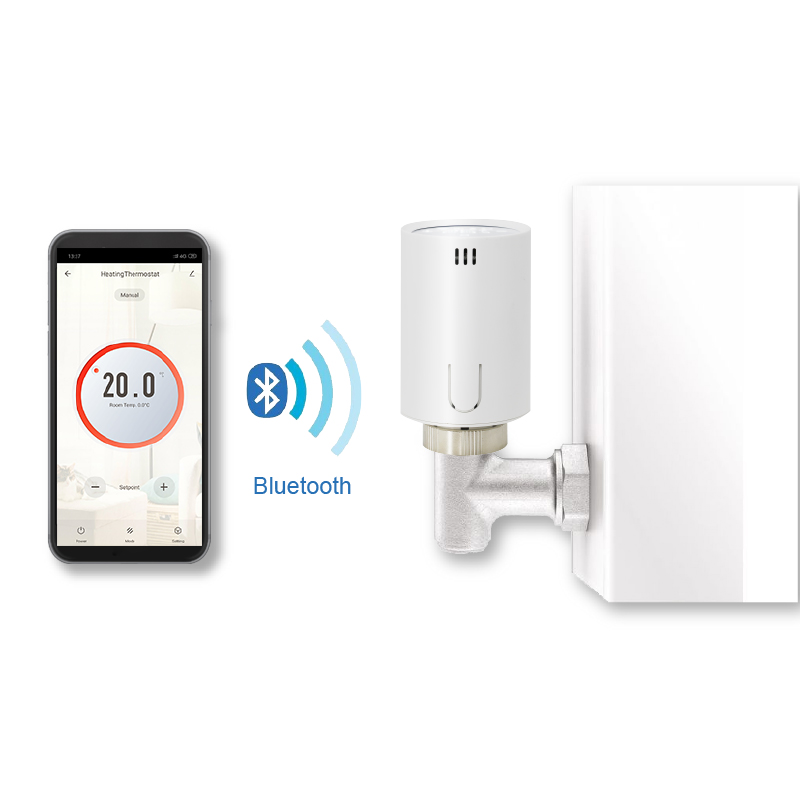
The Bluetooth e-TRV Smart Radiator Thermostat uses Bluetooth technology, allowing for easy and precise remote control via your smartphone. Whether you’re moving between rooms or setting it in advance upon returning home, you can adjust the radiator temperature to create your own comfortable space.
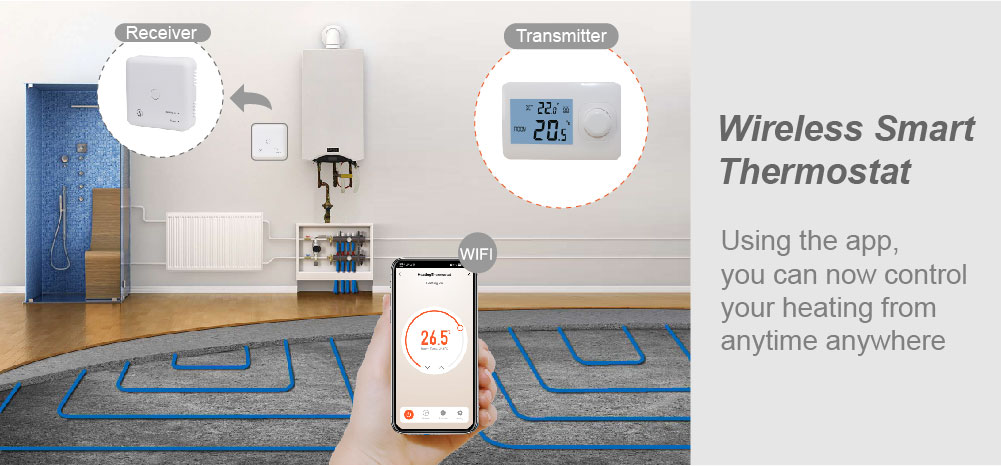
The RF Wireless Smart Radiator Thermostat | Remote Precision Control uses radio frequency wireless technology, ensuring stable signal and long transmission distance. Even in large homes, it ensures no delay in receiving commands from each radiator, achieving simultaneous and precise temperature control across multiple zones, ensuring even warmth throughout every corner.
The Tuya Zigbee e-TRV Smart Thermostat Valve: Wireless Multi-Zone Heating Solution utilizes Zigbee technology to create a wireless multi-zone heating solution. It can interconnect with other smart home devices, integrating into the overall smart home system for smarter and more convenient home heating management. Furthermore, E-top provides a comprehensive after-sales service network, offering timely technical support and repair guarantees, ensuring peace of mind during use.
Choosing the right thermostatic valve for your radiator is crucial to maximizing the efficiency of your home heating system. E-top’s high-quality products are undoubtedly the ideal choice for consumers seeking comfortable, energy-efficient, and intelligent heating, allowing you to enjoy warmth and comfort during cold winter days.