
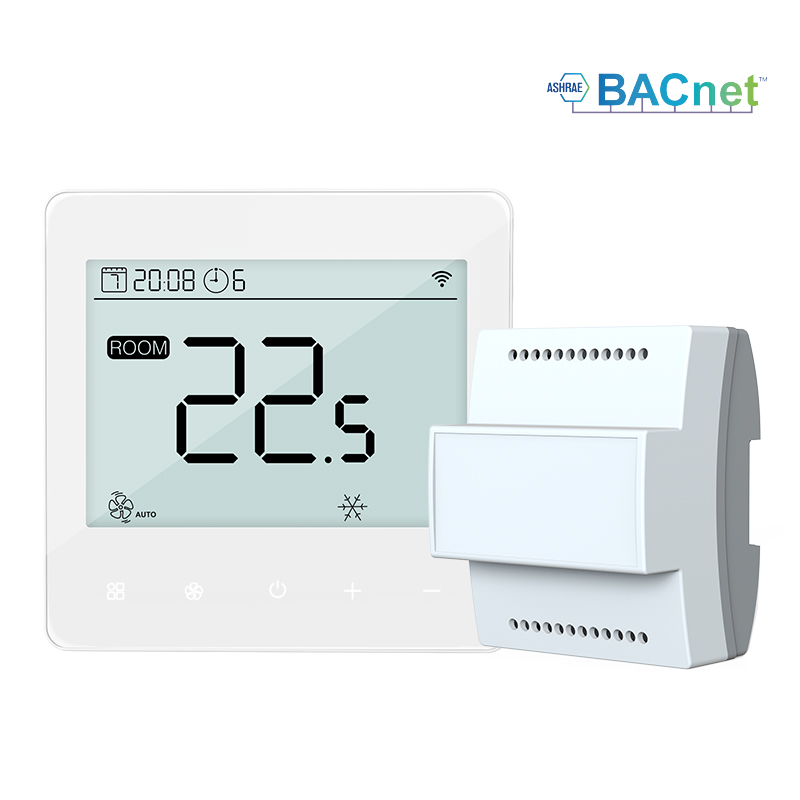
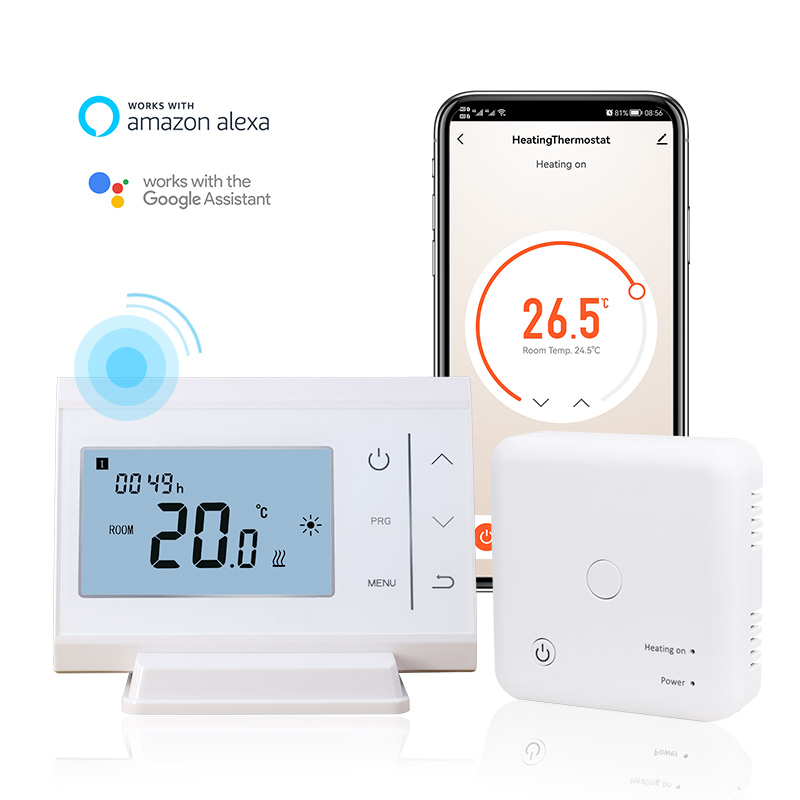
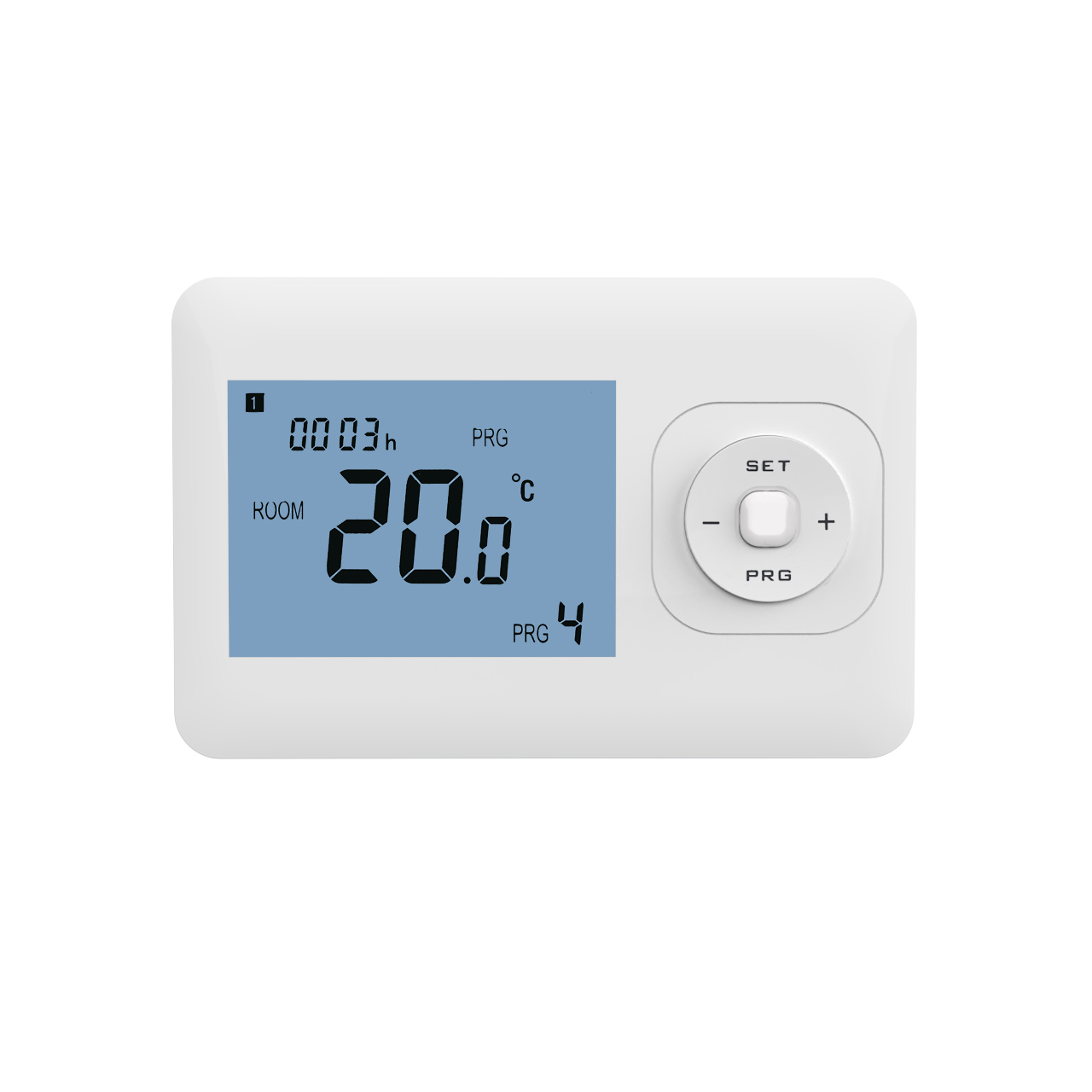
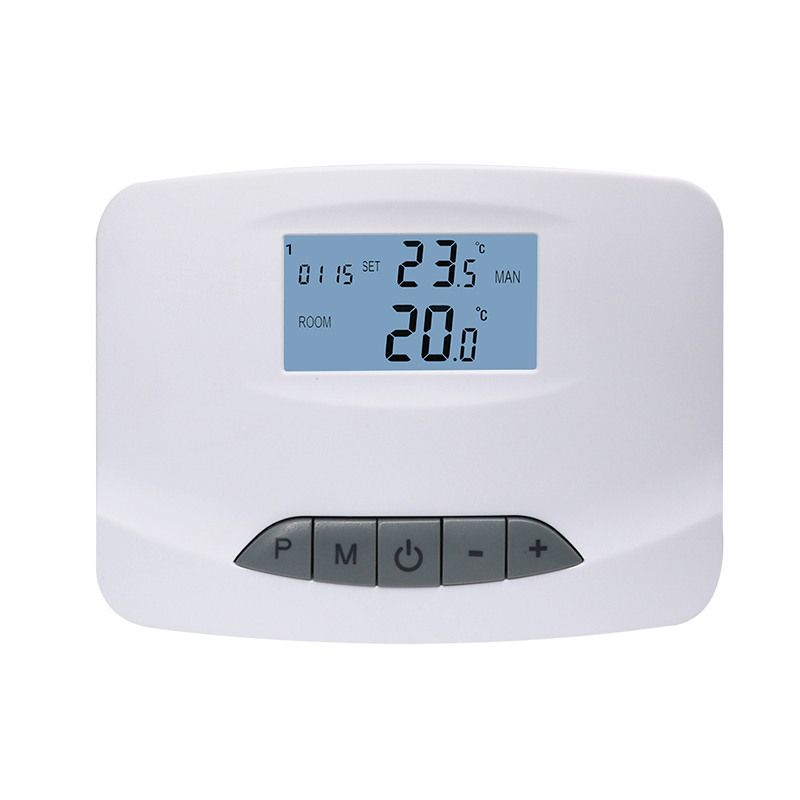
With the increasing focus on green buildings and energy efficiency, the demand for HVAC systems in residential and commercial buildings is becoming more diverse. Fan coil and floor heating heat pump systems are two common terminal solutions for heating and cooling, each with its own advantages and applications. Choosing the right system not only affects comfort but also impacts energy consumption and long-term operating costs. Understanding their characteristics and suitable conditions is key to making the best choice.
Features and Applications of Fan Coil Systems
Fan coil systems use water as the medium and a fan to force air circulation for indoor temperature control. Key features include:
Rapid response: Can quickly adjust indoor temperature, ideal for spaces requiring fast climate control.
Flexible installation: Compact units can be ceiling-mounted or concealed, suitable for various building layouts.
Heating and cooling capability: Can work with a heat pump system to provide both functions efficiently.
Suitable scenarios: Offices, shops, high-rise apartments, and other spaces where fast temperature adjustment is needed.
Features and Applications of Floor Heating Heat Pump Systems
Floor heating heat pump systems circulate hot water under the floor to provide radiant heat, resulting in uniform indoor temperatures. Key features include:
High comfort: Provides even radiant heat with “warm feet, cool head,” ideal for long-term use.
Energy efficiency: Heat pump technology ensures a high coefficient of performance (COP), maintaining stable heating even at low temperatures.
Low noise: No direct airflow, creating a quiet indoor environment.
Suitable scenarios: Residential houses, villas, apartments, and spaces requiring high comfort, particularly in areas with long winter heating periods.
Comparison and Selection Principles
When choosing a system, consider building type, usage needs, comfort requirements, and budget:
Response speed: Fan coil systems respond quickly, suitable for spaces that need rapid temperature changes; floor heating warms slowly, better for constant heating.
Comfort experience: Floor heating offers uniform radiant warmth, while fan coils provide faster but less uniform air temperature control.
Energy efficiency and cost: Floor heating with heat pump is highly efficient but has higher initial installation costs; fan coil systems are cheaper upfront and more flexible.
Space requirements: Fan coils occupy minimal space and can be ceiling or wall-mounted; floor heating requires piping under the floor, suitable for new builds or renovations.
Combination and Integrated Solutions
For buildings that require both comfort and rapid temperature adjustment, a combined fan coil and floor heating heat pump system is recommended. Fan coils provide quick temperature changes, while floor heating ensures consistent long-term warmth. This integrated approach is ideal for residences, villas, or large offices, allowing flexible zoning and energy optimization.
Selection Guidelines and Considerations
Key factors when selecting a system include:
Building area and ceiling height: Larger or multi-story buildings require careful load calculations.
Seasonal usage patterns: Floor heating is better for long-term winter use; fan coils are suitable where cooling demand is significant.
Installation and maintenance costs: Floor heating requires floor piping and is best for new builds; fan coils are easier to maintain and ideal for retrofits.
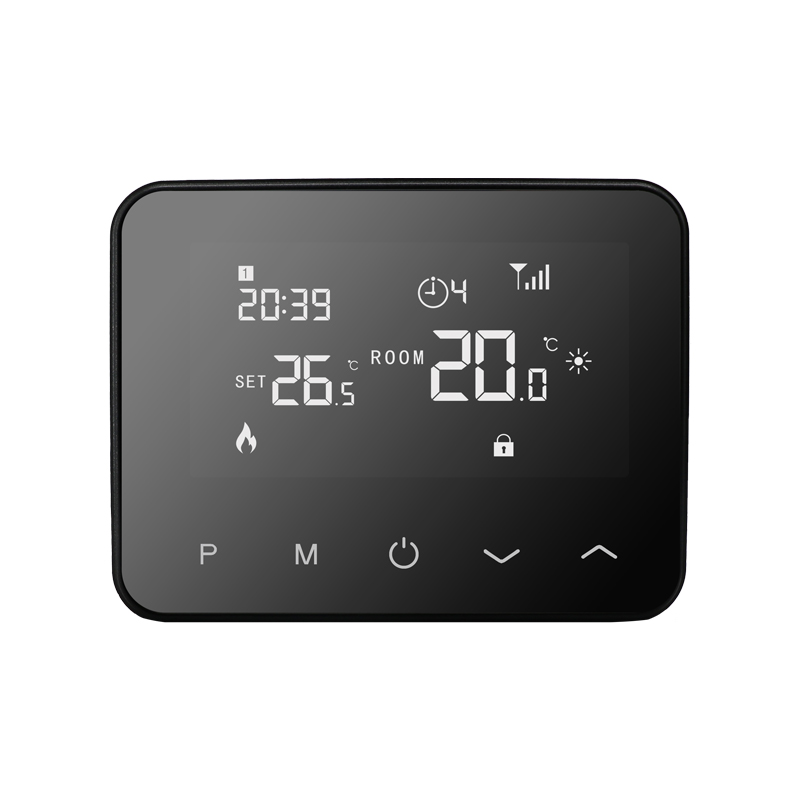
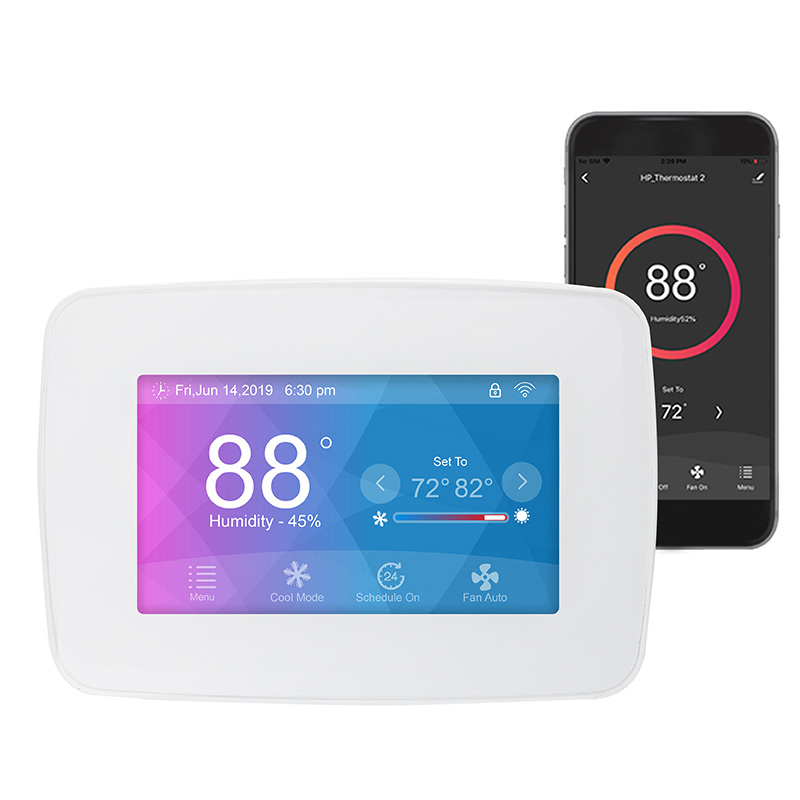
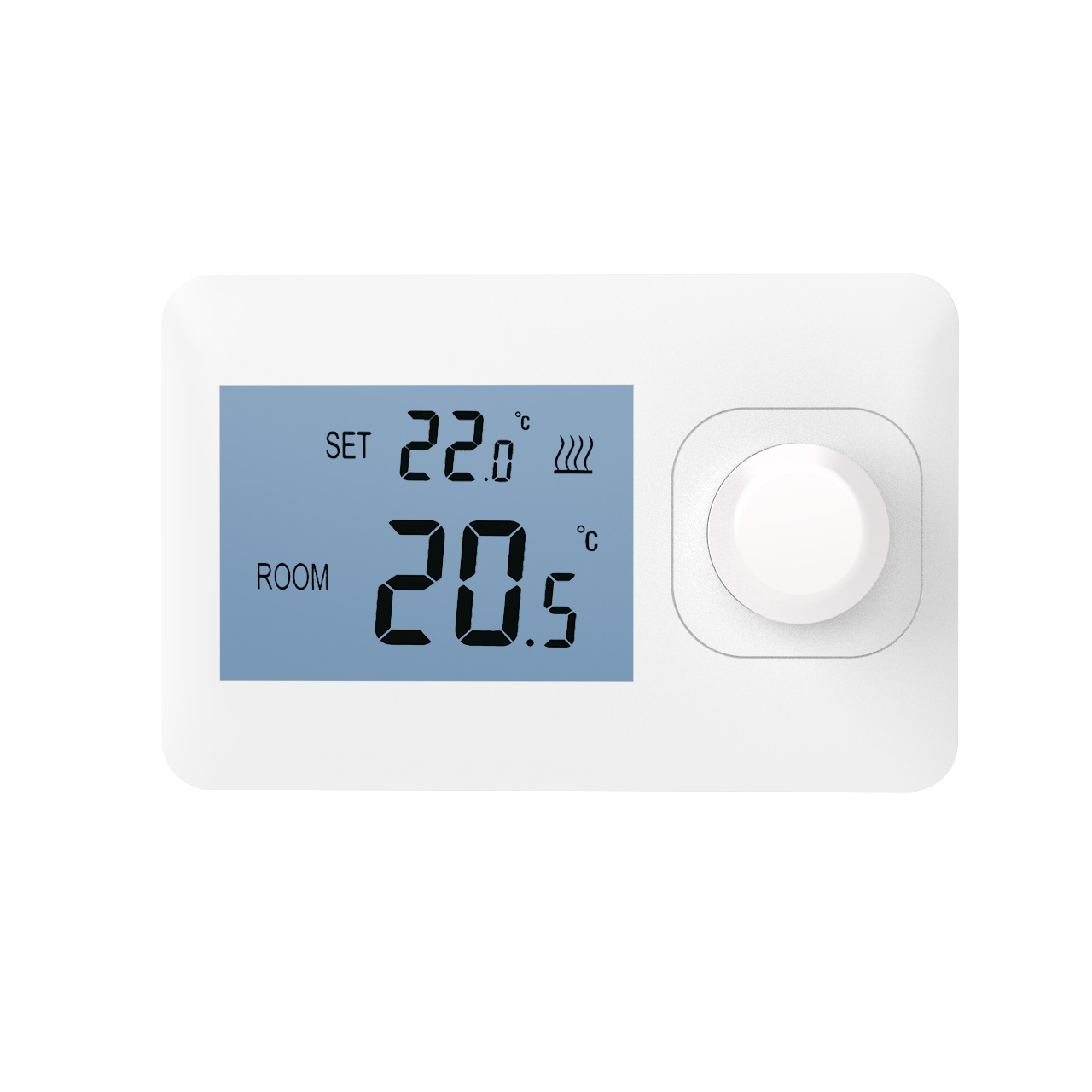
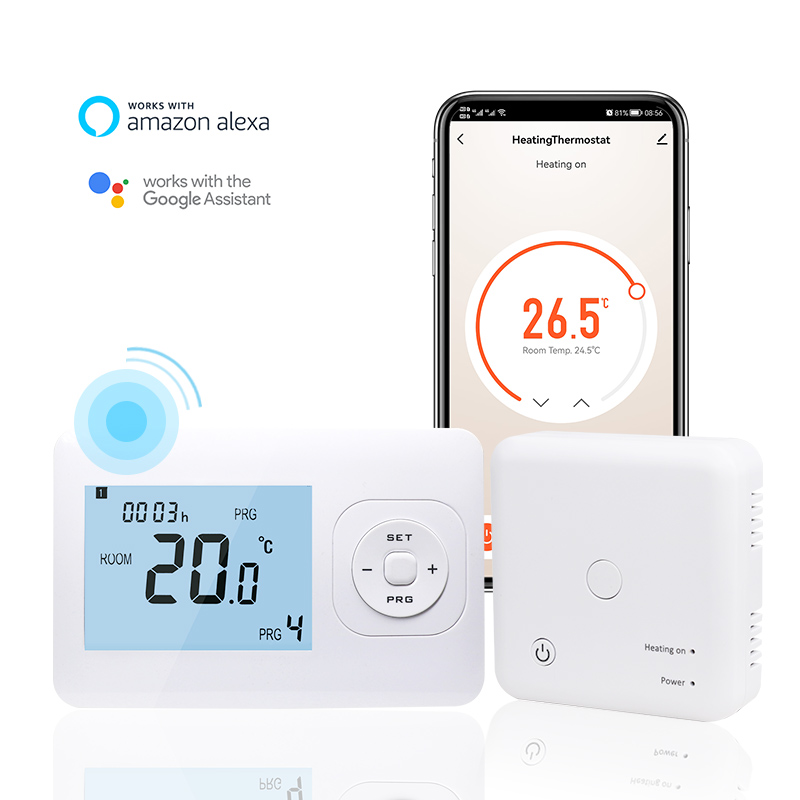
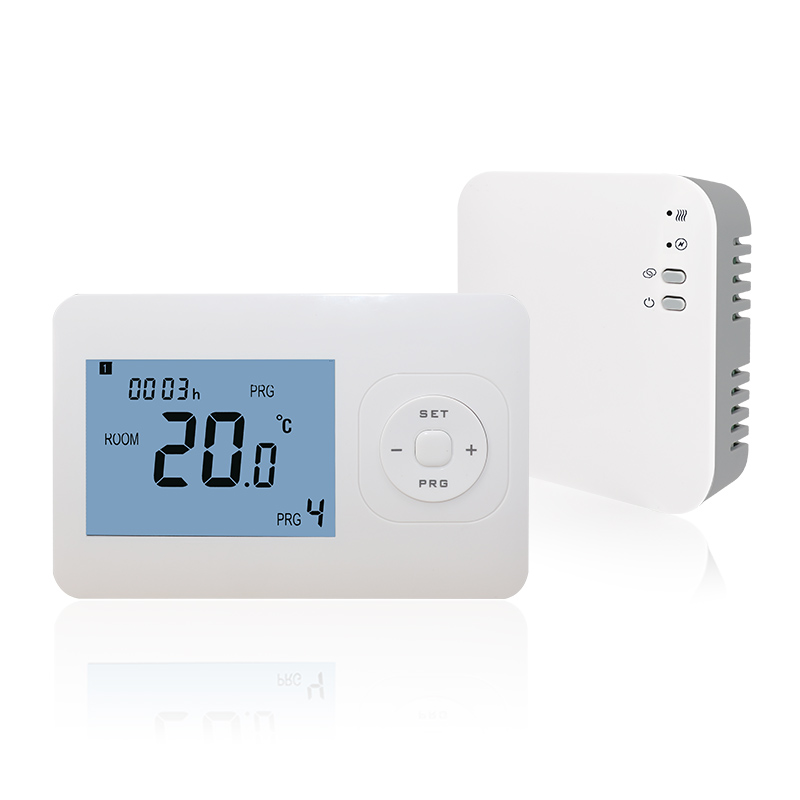
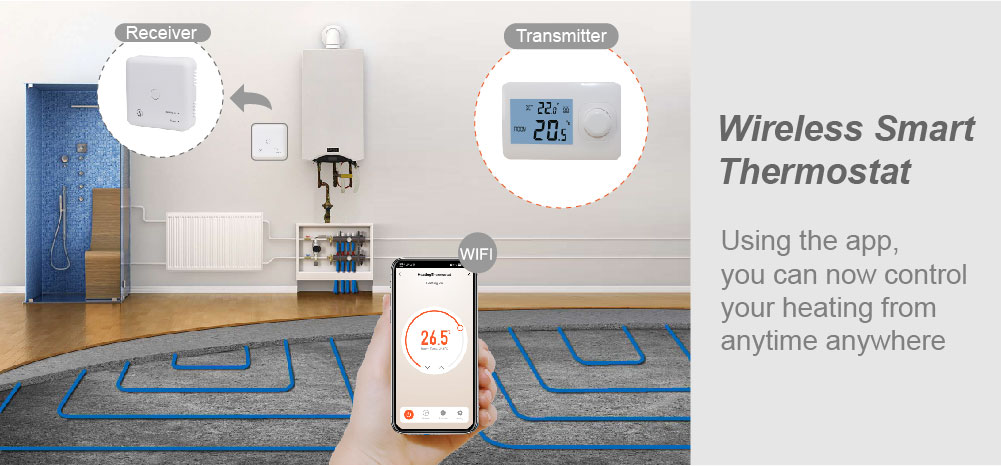
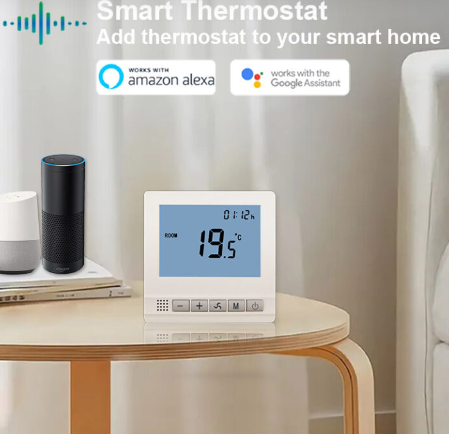
Control and smart features: Modern systems offer smart thermostats, zoned control, and remote management, enhancing comfort and energy efficiency.
Both fan coil and floor heating heat pump systems have their advantages, and the choice should consider building type, comfort needs, energy goals, and budget. For spaces requiring rapid temperature control, fan coil systems are ideal. For areas with high comfort and long-term heating needs, floor heating heat pumps are more suitable. In practice, combining the strengths of both in an integrated system provides the best balance of comfort, efficiency, and energy savings.