
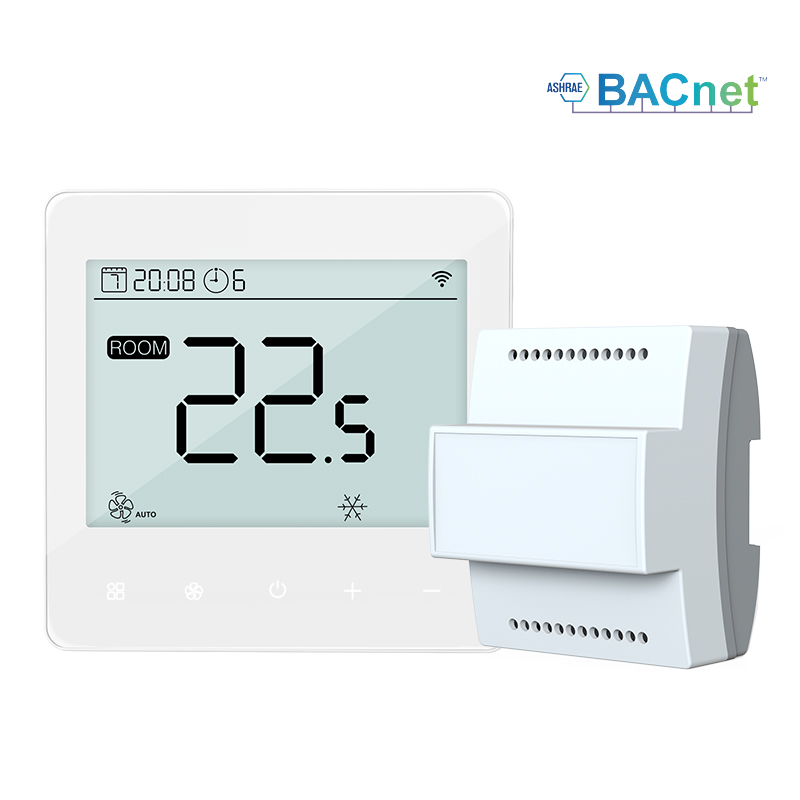
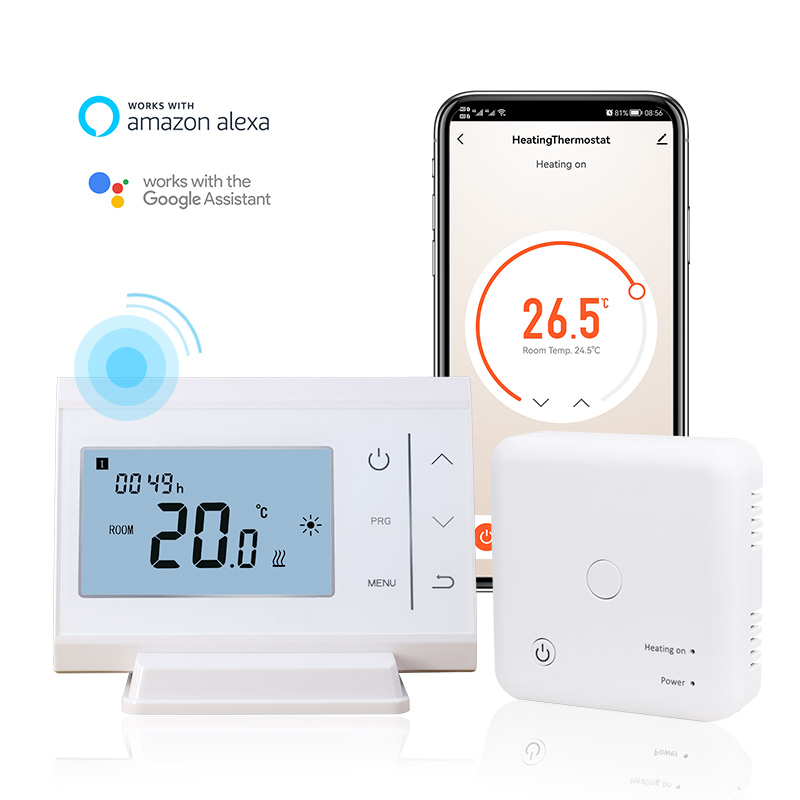
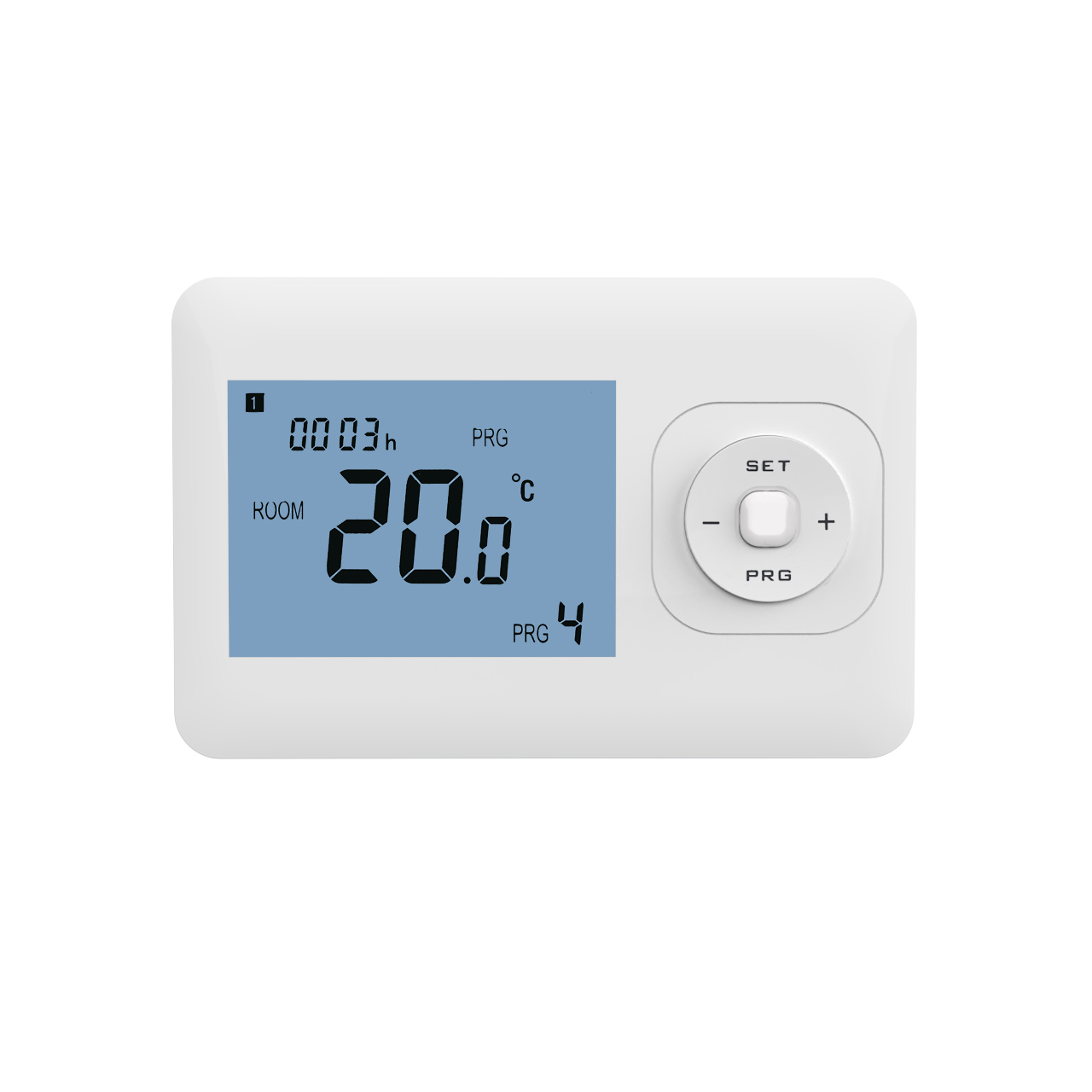
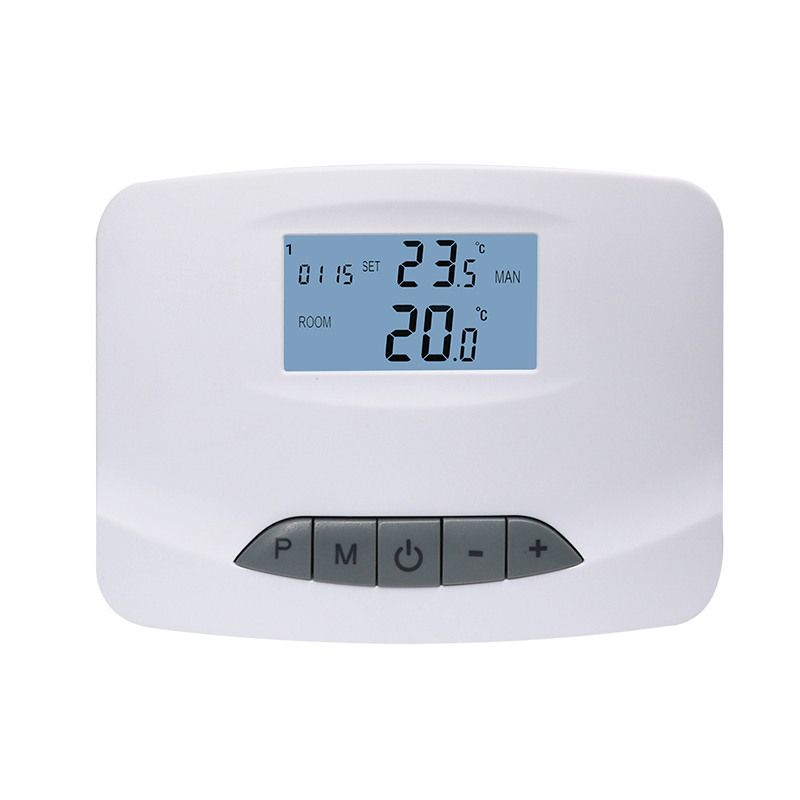
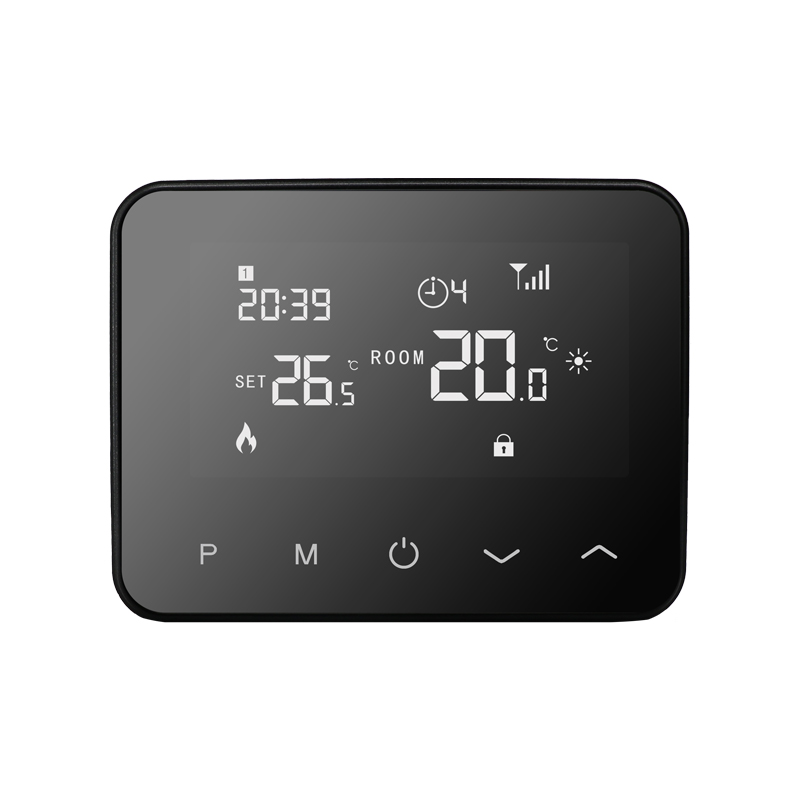
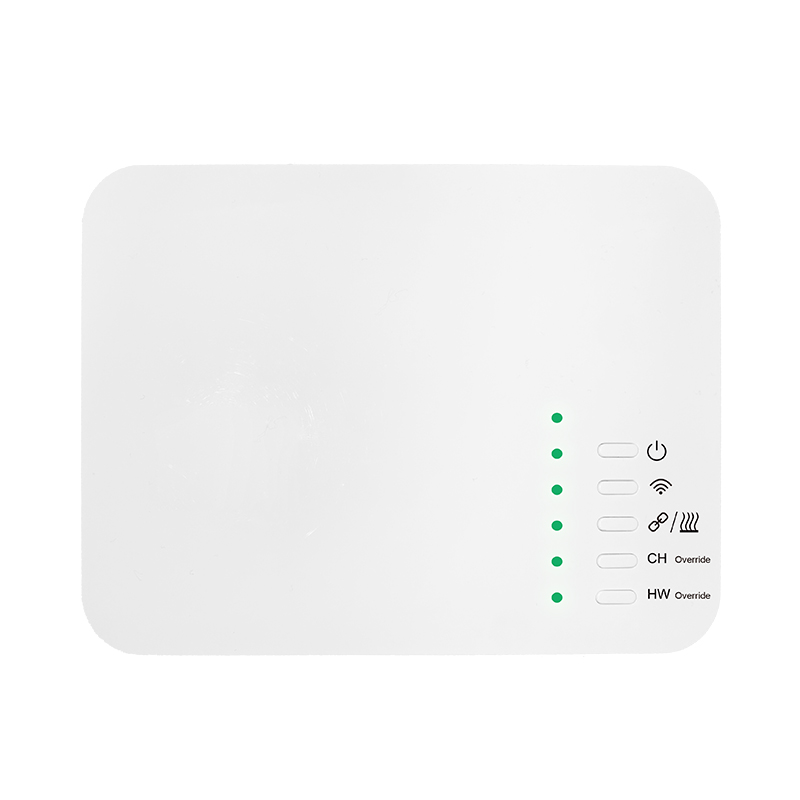
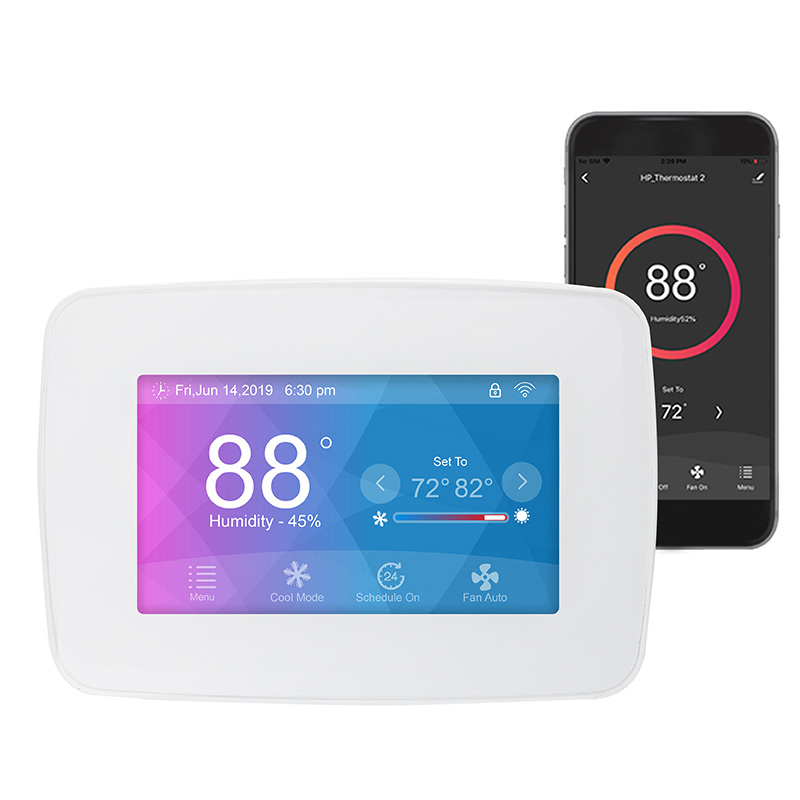
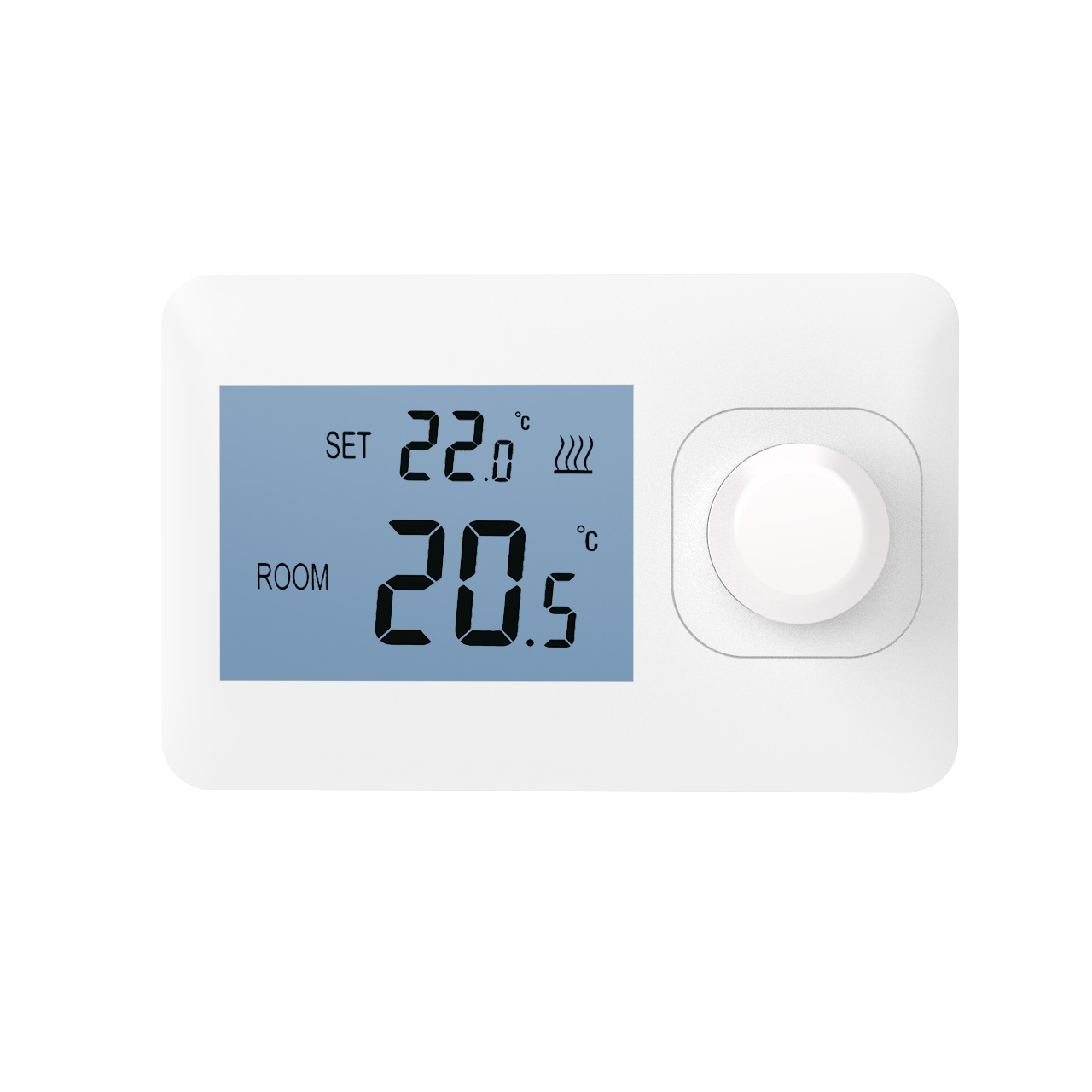
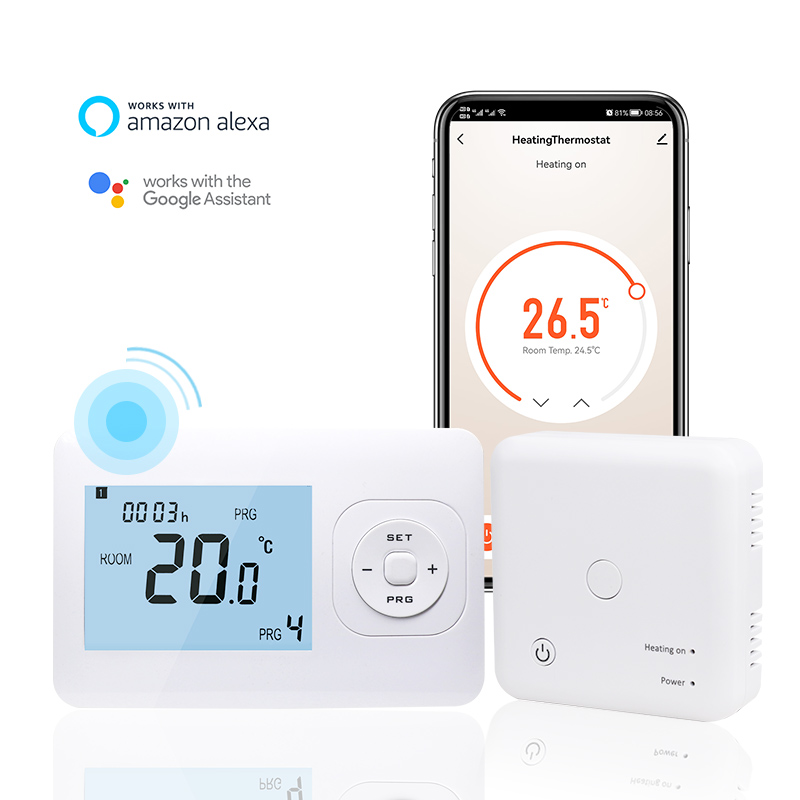
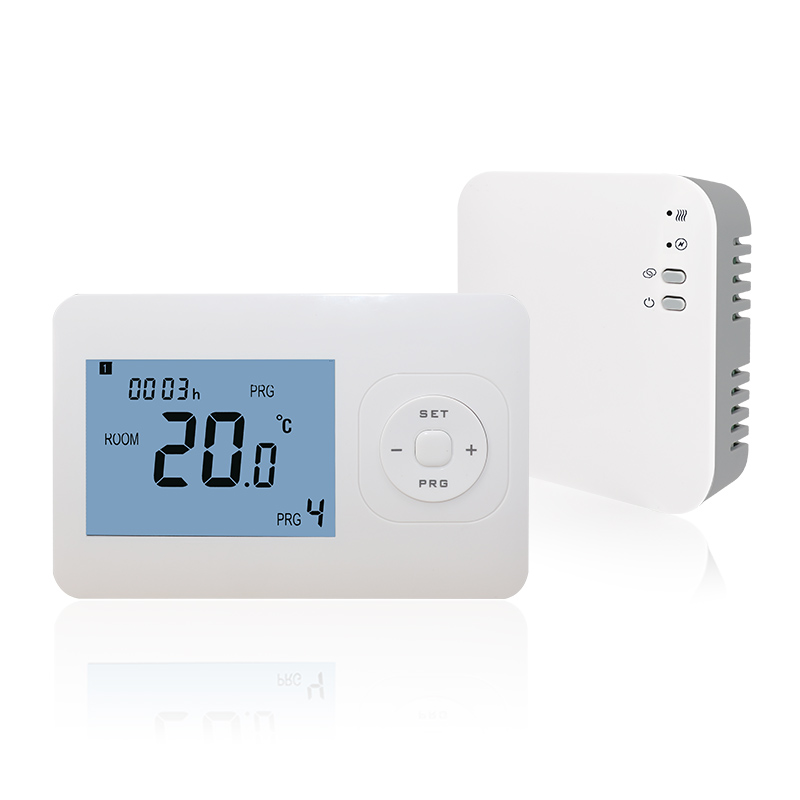
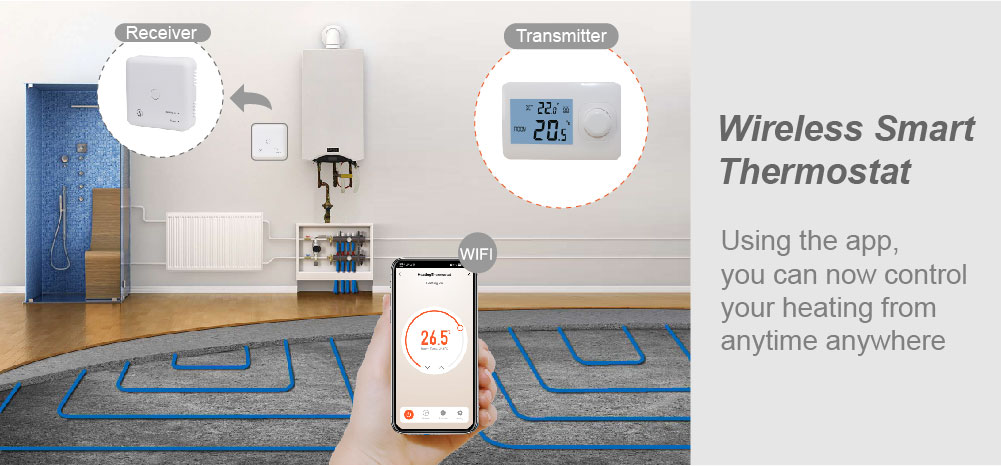
Electric floor heating has become a popular choice in modern homes due to its comfort, energy efficiency, and aesthetic appeal. The thermostat is the core control device of the system, directly affecting indoor temperature regulation and energy utilization. Correct installation not only ensures proper thermostat operation but also improves heating comfort and extends the system’s lifespan. So, how should home electric floor heating thermostats be installed? This article explains the key considerations, including height, environment, interference avoidance, and ease of use.
Selecting the Proper Height
Electric floor heating thermostats should typically be installed about 1.2 meters (4 feet) above the floor, which is close to the human activity zone. This placement allows the thermostat to accurately sense indoor temperature and avoids errors caused by excessive height or low placement. Installing too low may be affected by floor temperature fluctuations, while installing too high may be influenced by other heat sources, leading to inaccurate temperature control.
Avoid Temperature Interference
Thermostats should be kept away from sources that could affect temperature sensing, such as:
Radiators or air conditioner vents: Being too close can cause the thermostat to detect higher temperatures than the actual room temperature, frequently shutting off the heating and causing uneven warmth.
Direct sunlight from windows: Sunlight can raise the perceived temperature, causing early heating shutdown.
Kitchens, bathrooms, or areas with high humidity or steam: Moisture can reduce the lifespan of electronic components.
Avoiding these interference sources ensures more accurate room temperature detection and stable heating.
Prevent Electromagnetic Interference
Electric floor heating thermostats are electronic devices sensitive to strong electromagnetic fields. Avoid installing them near high-power appliances such as refrigerators, microwaves, or water heaters. If necessary, proper wiring layout or shielding measures should be used to ensure stable thermostat operation.
Consider Ease of Use
The thermostat should be installed in a location that is easily accessible to household members for adjusting temperature and setting timers. Hidden or hard-to-reach locations reduce usability. Additionally, for smart thermostats with mobile app control, placement should ensure stable wireless signal reception for smooth remote operation.
Zoning and Multi-Thermostat Considerations
For large homes or multiple rooms, a zoned control system with multiple thermostats is recommended. Each thermostat should be placed according to room function: living rooms, bedrooms, and children’s rooms require precise temperature control, while hallways or storage areas can tolerate lower precision. Zoning improves comfort while maximizing energy efficiency.
Conclusion
The installation location of home electric floor heating thermostats directly affects heating performance and device lifespan. Proper height, avoiding interference sources and electromagnetic fields, and ensuring ease of use are key considerations. For large homes or multiple zones, zoning with multiple thermostats can further enhance comfort and energy efficiency. Choosing the right location ensures stable indoor temperature, prolongs thermostat life, and provides an efficient and safe home heating experience.