
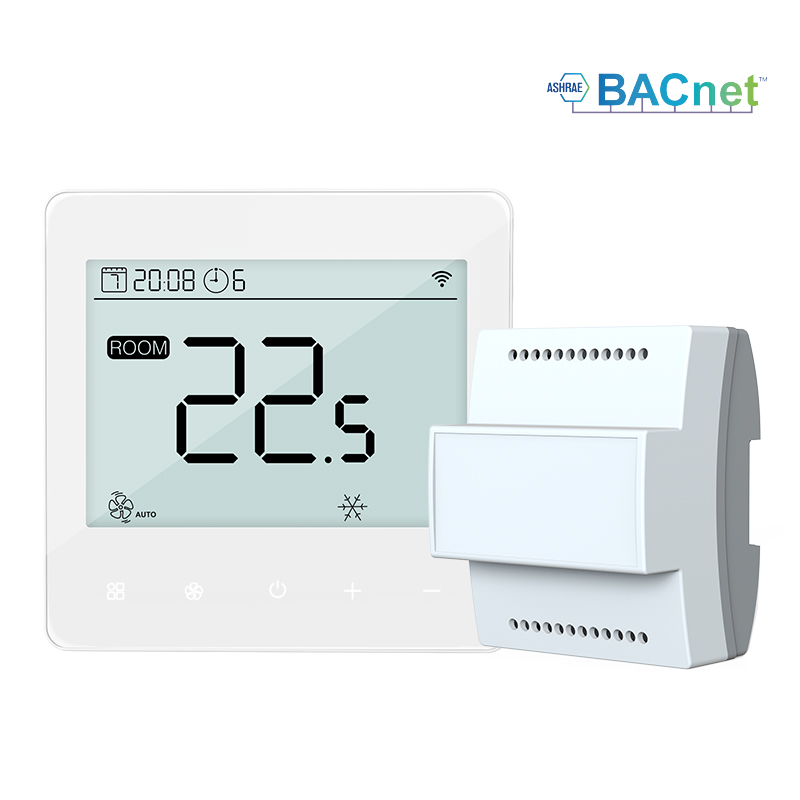
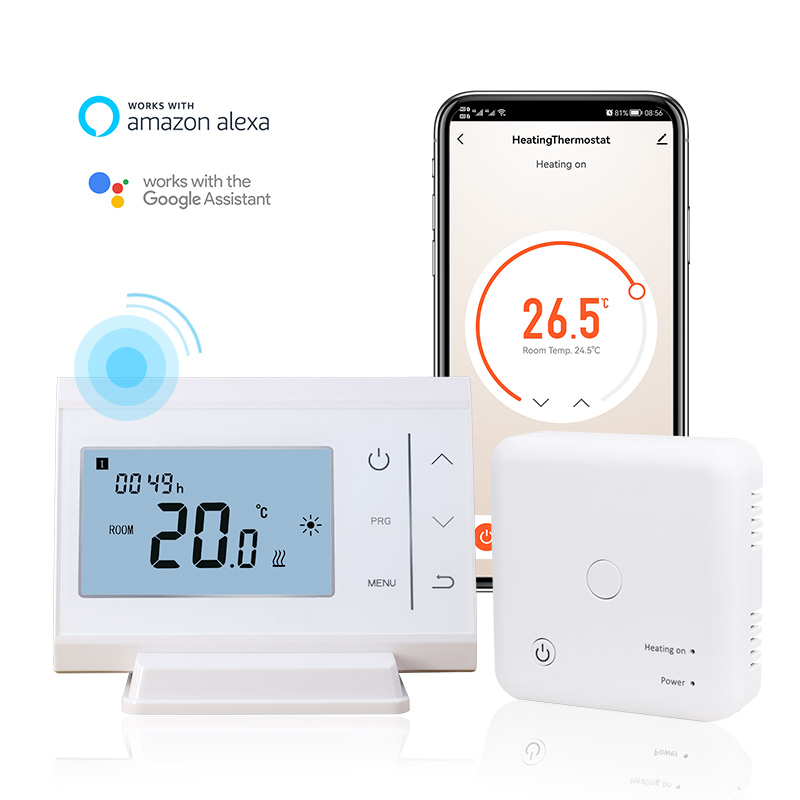
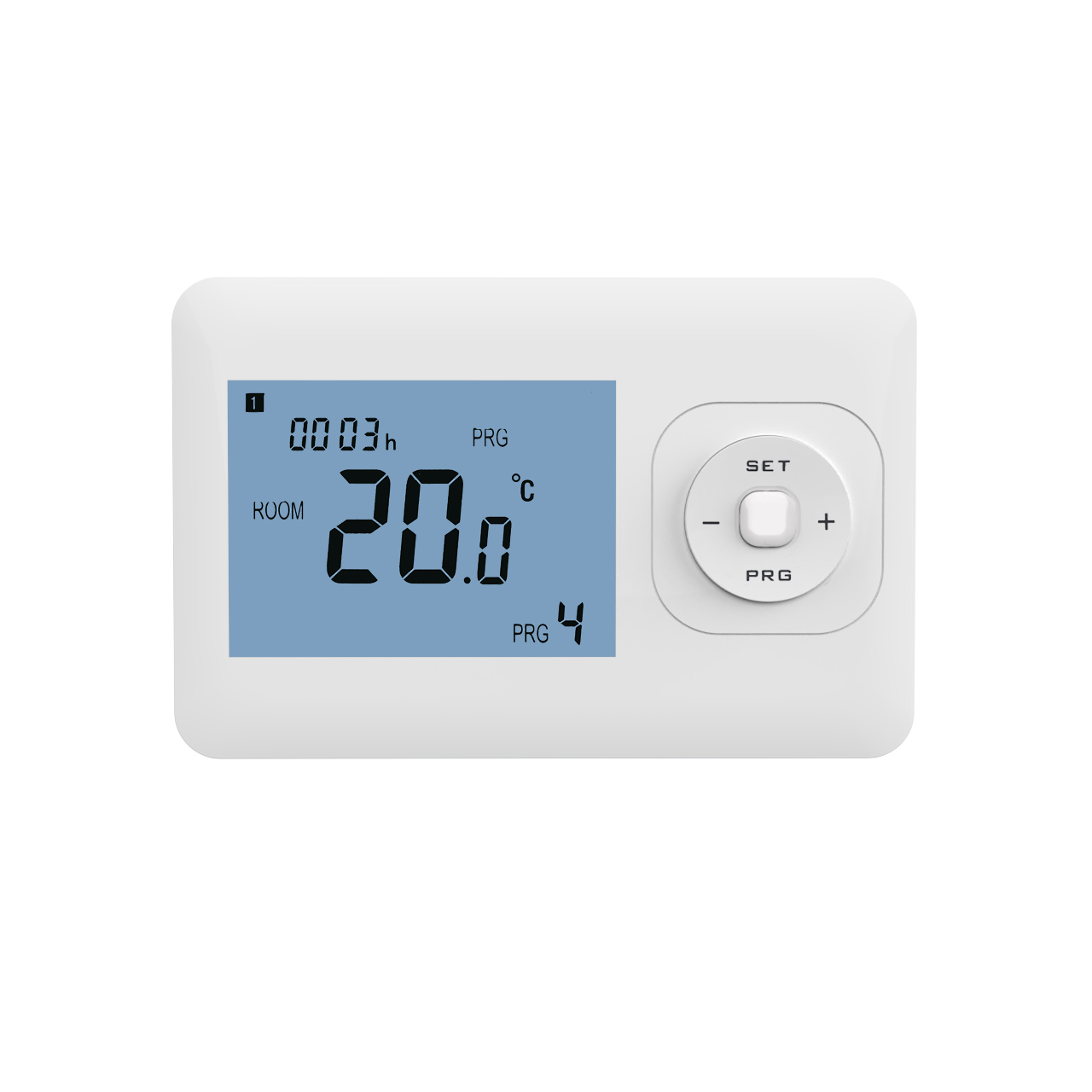
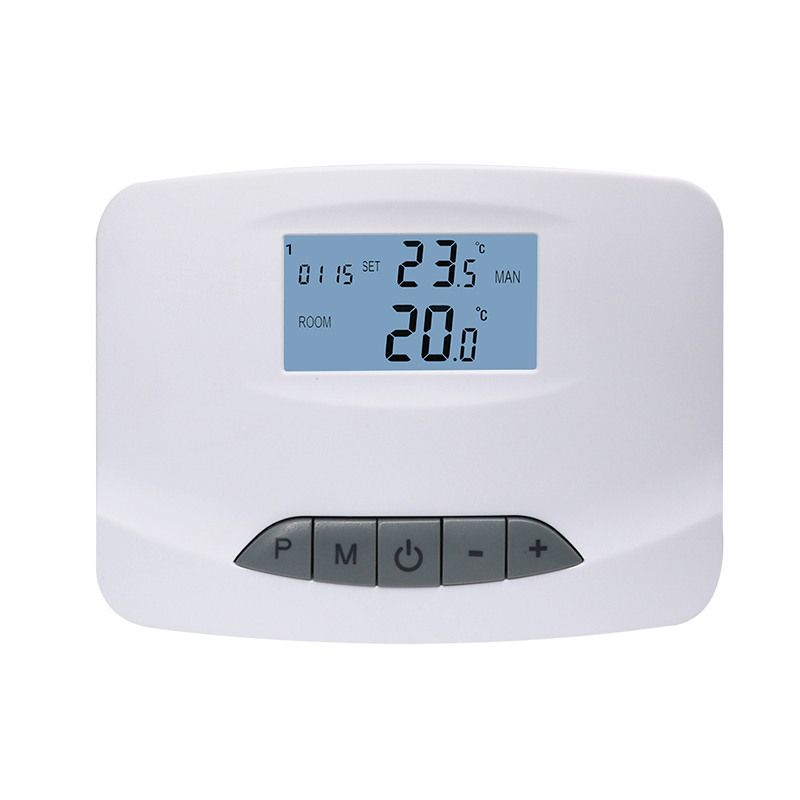
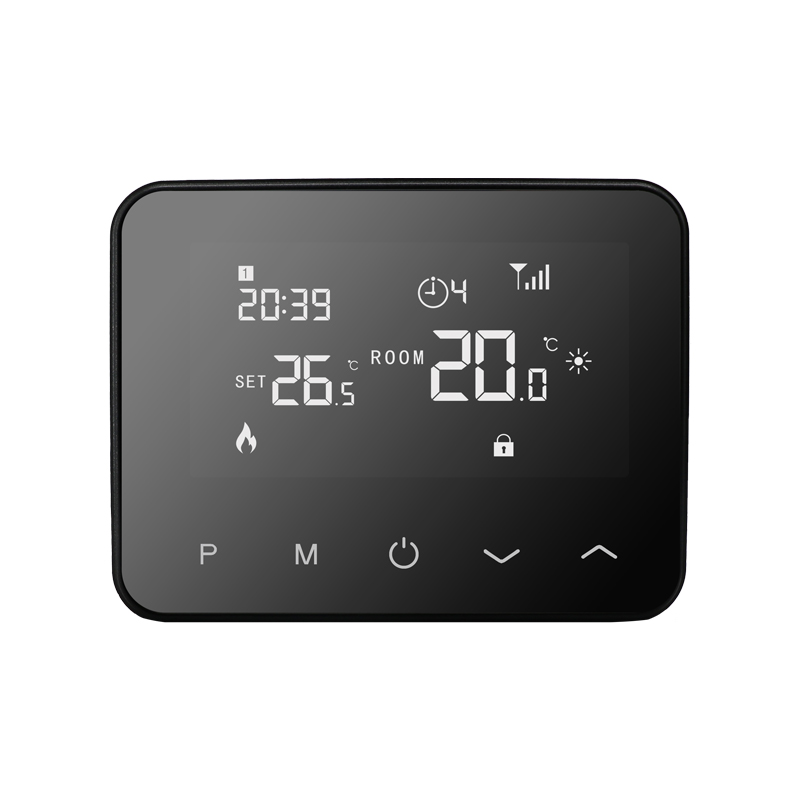
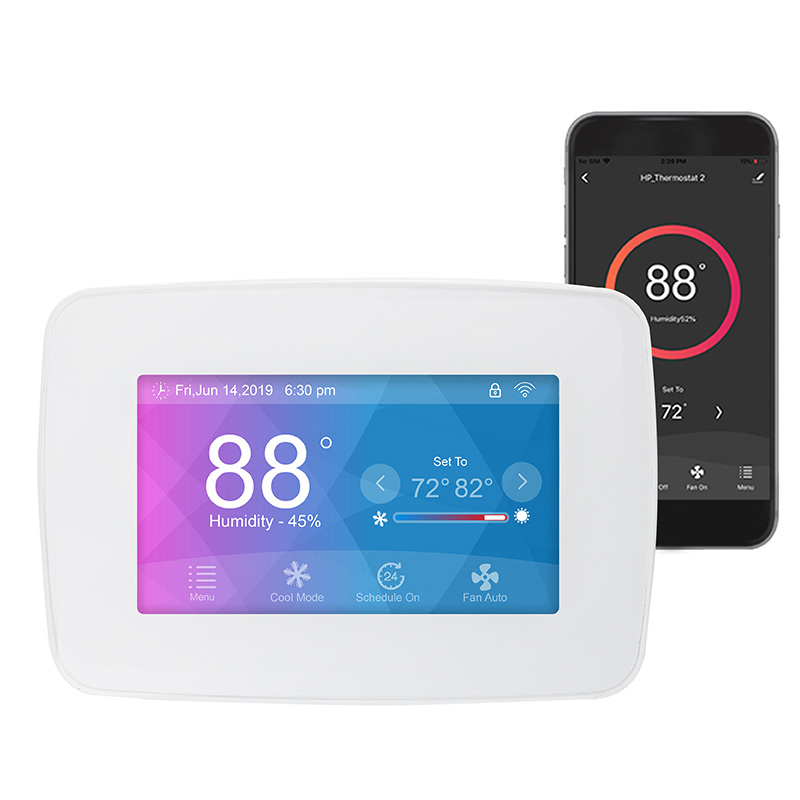
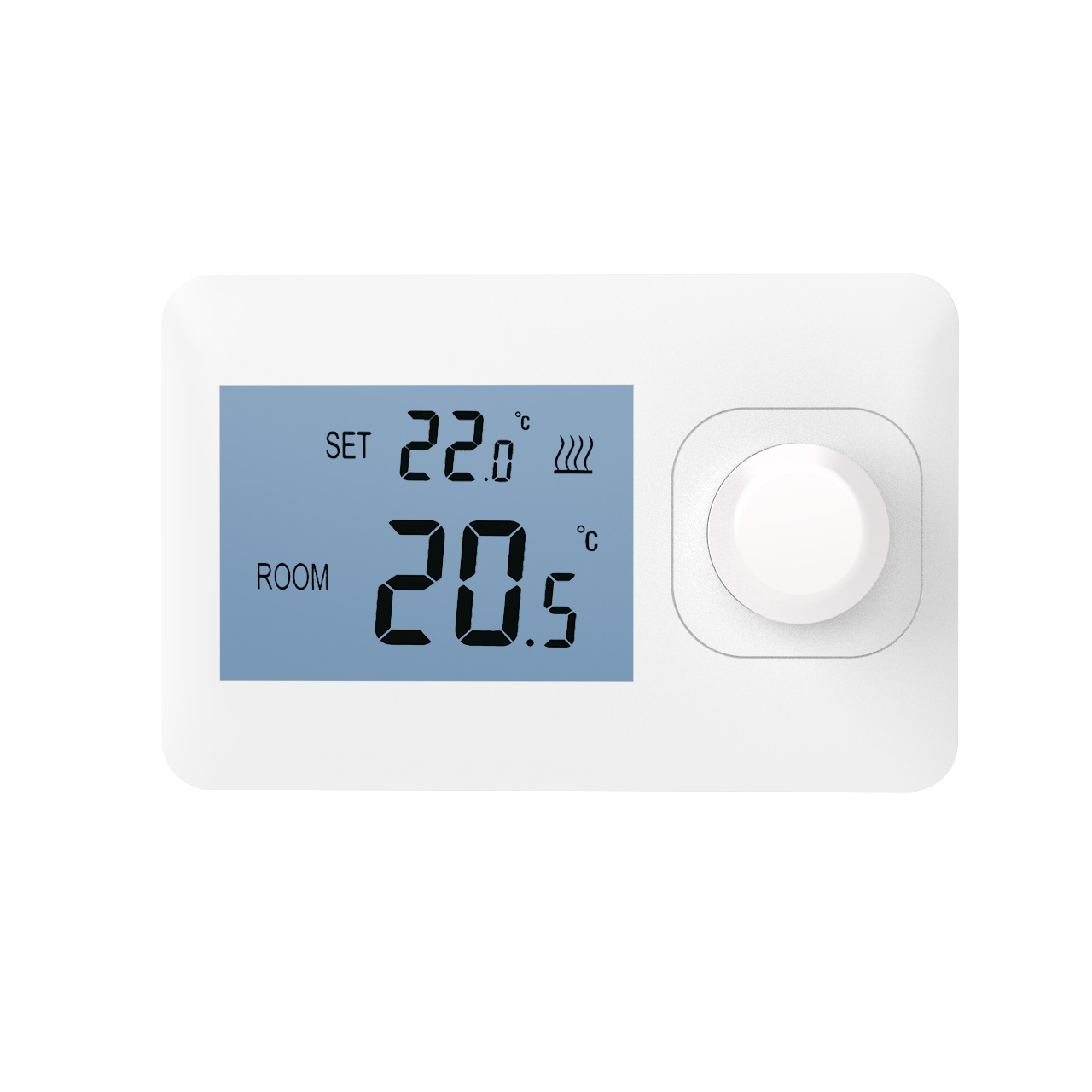
Fan coil unit (FCU) systems are a crucial part of modern building HVAC systems, directly affecting indoor comfort and energy efficiency. As the core control terminal of an FCU, the thermostat not only regulates room temperature but also manages fan and valve operation. Two common types of FCU thermostats are two-pipe and four-pipe systems. Understanding the differences between them is essential for system installation, commissioning, and maintenance.
Features of Two-Pipe FCU Thermostats
Two-pipe systems use a single chilled or hot water loop, switching the water type seasonally or based on operational mode. Key characteristics of two-pipe thermostats include:
Simpler control signals: Only control fan operation and the opening/closing of the single valve.
Seasonal switching: Provides heating in winter and cooling in summer.
Suitable for small-to-medium buildings or zones with stable load: Two-pipe systems have a simple structure and lower investment cost.
In two-pipe thermostats, wiring typically includes fan speed lines and the valve control line. The control logic is based on temperature deviation, triggering the valve to open or close for basic temperature regulation.
Features of Four-Pipe FCU Thermostats
Four-pipe systems have independent chilled and hot water loops, enabling simultaneous heating and cooling. Key characteristics of four-pipe thermostats include:
More complex control signals: Control both cooling and heating valves along with fan operation.
No seasonal switching required: Can provide cooling and heating to the same area simultaneously, offering more flexible temperature control.
Suitable for large buildings or zones with variable load: Four-pipe systems allow independent regulation for different rooms, improving comfort and energy efficiency.
Wiring of four-pipe thermostats usually includes fan control lines, cooling valve lines, and heating valve lines, sometimes with proportional control signals for precise modulation.
Main Ways to Distinguish Between Two-Pipe and Four-Pipe Thermostats
Number of valve controls: Two-pipe thermostats typically control a single valve (hot or cold), while four-pipe thermostats control two valves (hot and cold independently).
Seasonal switching logic: Two-pipe relies on seasonal or mode-based switching, while four-pipe can handle simultaneous heating and cooling without switching.
System complexity and application: Two-pipe is suitable for zones with stable loads, four-pipe is better for areas requiring precise temperature control.
Number and function of terminals: Four-pipe thermostats have more terminals and signal lines, including fan speed, cooling valve, heating valve, and proportional control, while two-pipe terminals are fewer and simpler.
By checking the number of valve controls, terminal count, and seasonal control mode, one can quickly identify whether a thermostat is two-pipe or four-pipe.
Importance of Correct Distinction
Properly distinguishing between two-pipe and four-pipe thermostats helps:
Prevent wiring errors that could disrupt fan coil operation or cause temperature control conflicts.
Improve system efficiency and optimize HVAC energy usage.
Facilitate maintenance and troubleshooting, reducing system downtime.
Before selecting a thermostat, engineers should evaluate building load, seasonal operation patterns, and room-level temperature control requirements to choose the appropriate type.
Conclusion
Two-pipe and four-pipe FCU thermostats differ significantly in control logic, number of valves, terminal connections, and application scenarios. Observing valve control count, terminal layout, and whether simultaneous heating and cooling is supported allows quick identification of the thermostat type. Correct distinction and proper configuration ensure stable system operation, improved indoor comfort, and optimized energy efficiency, making it a crucial step in HVAC installation and maintenance.