
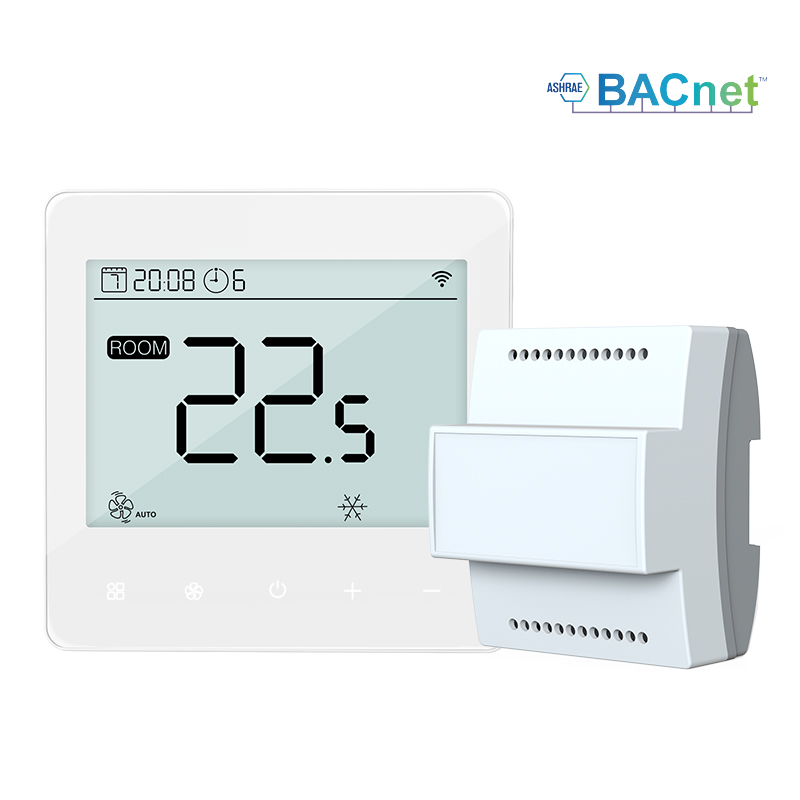
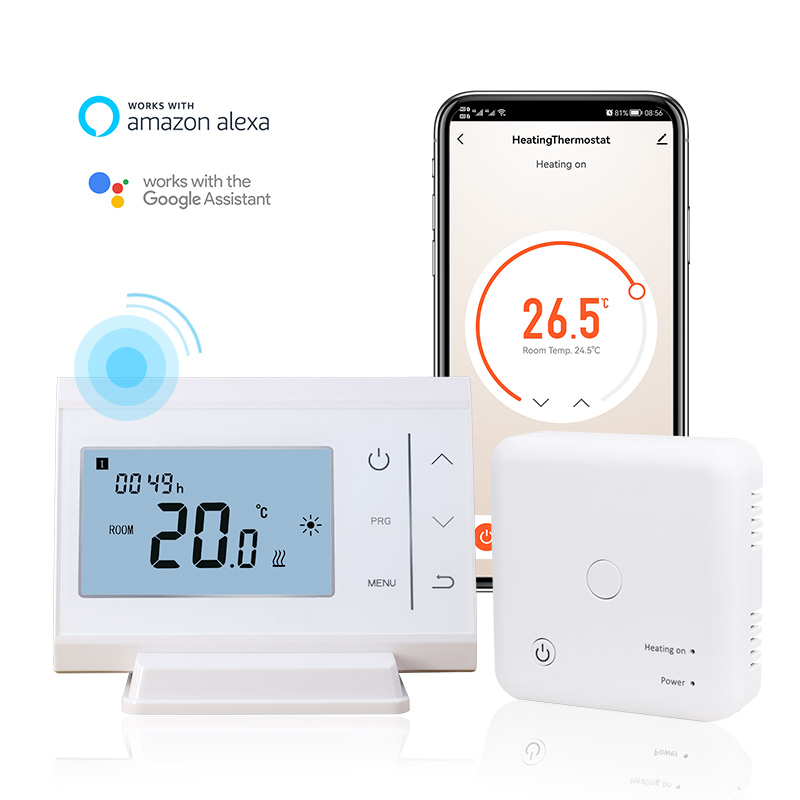
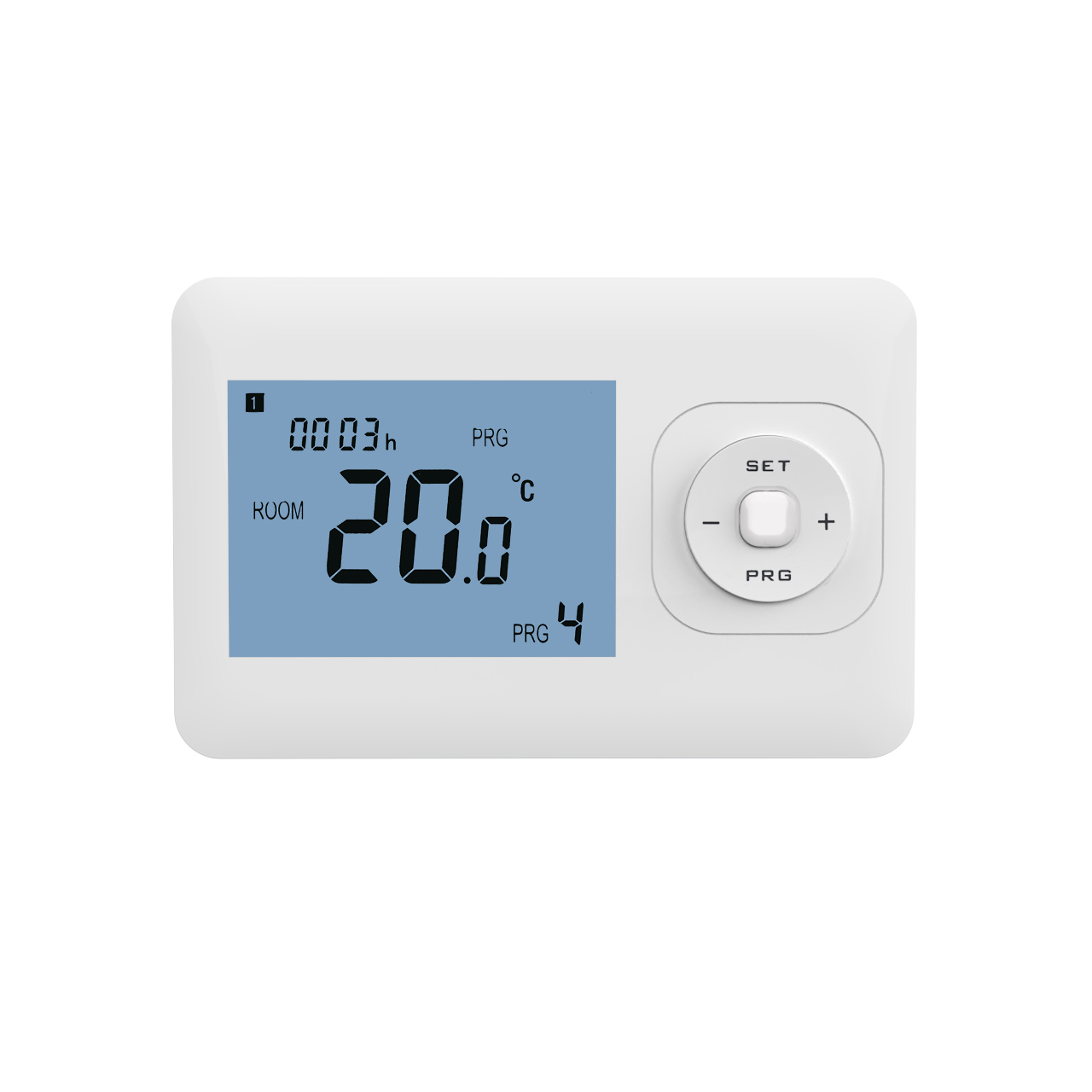
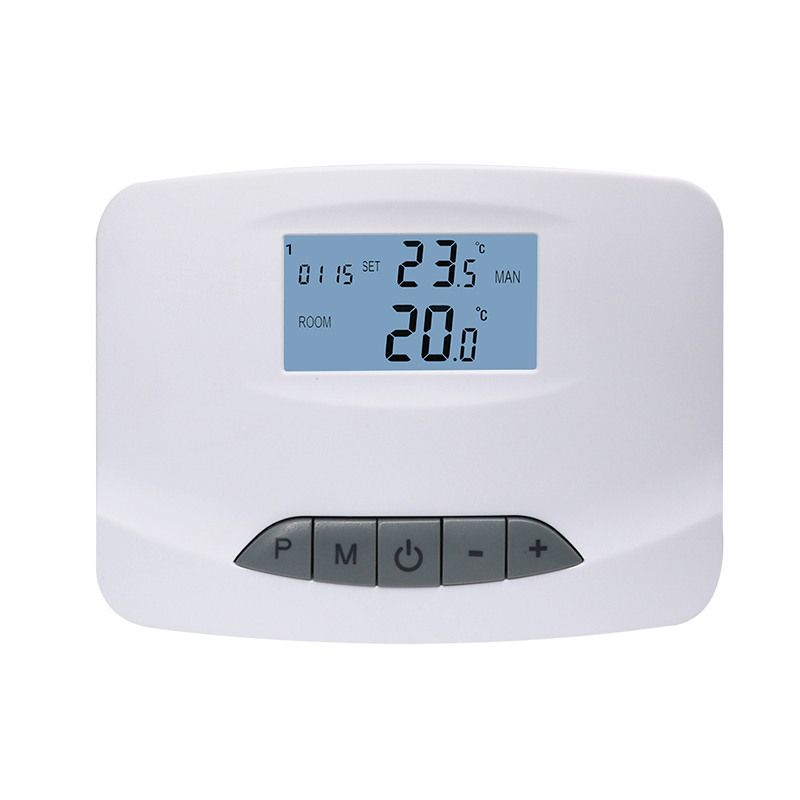
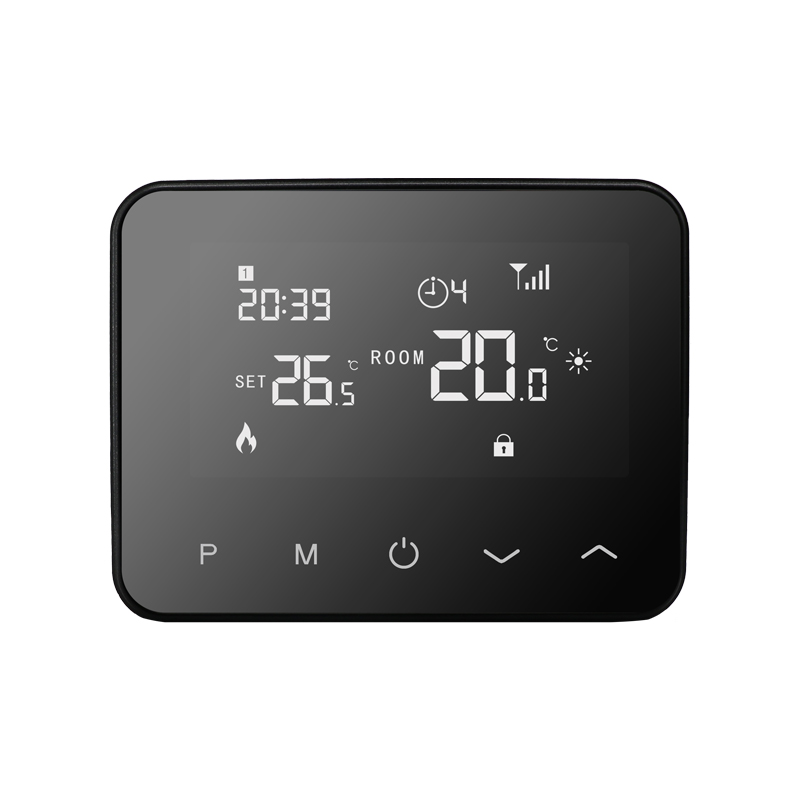
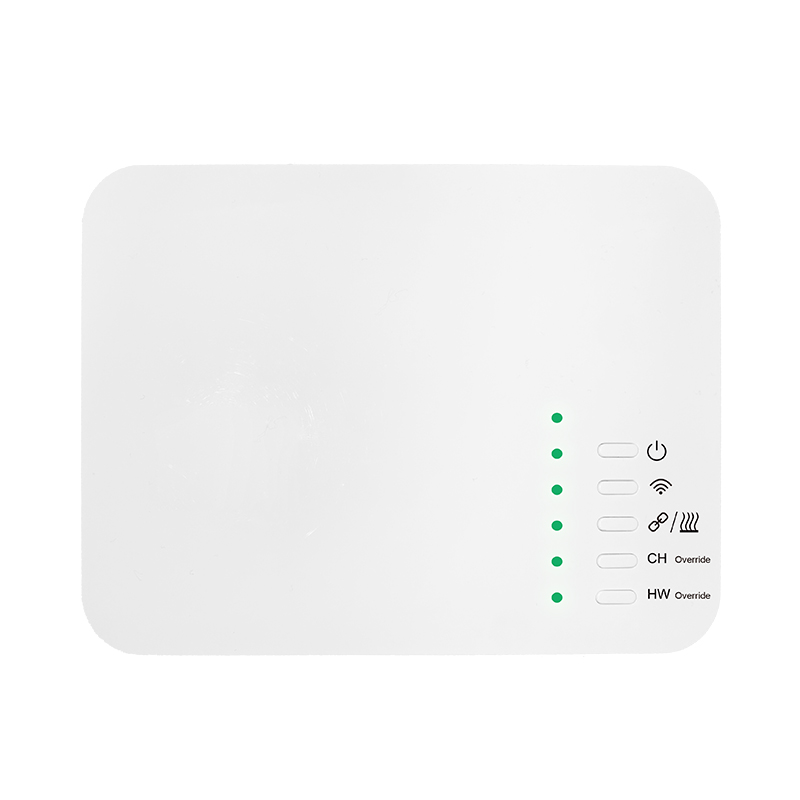
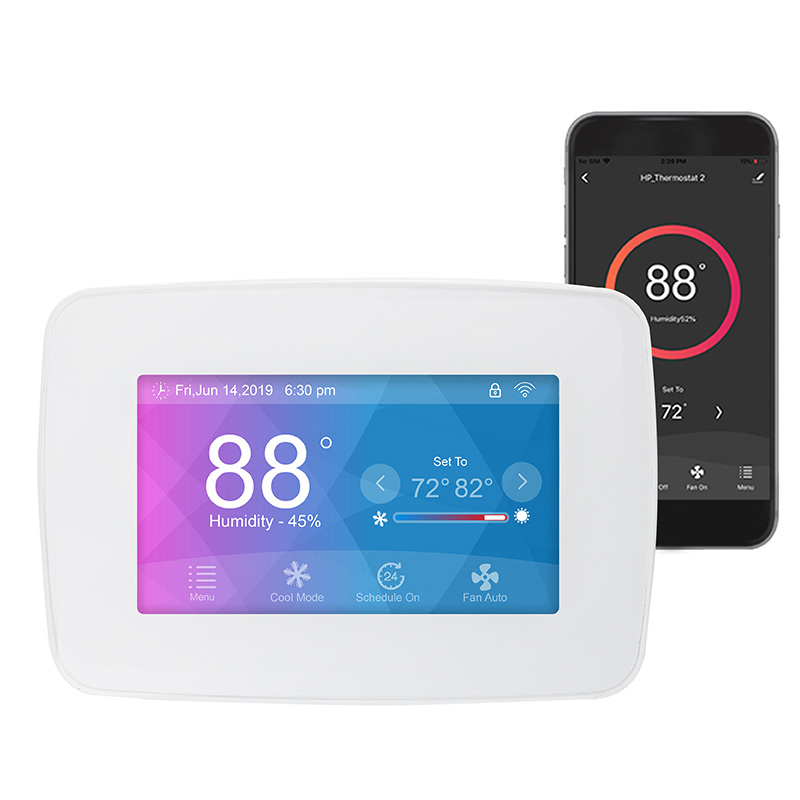
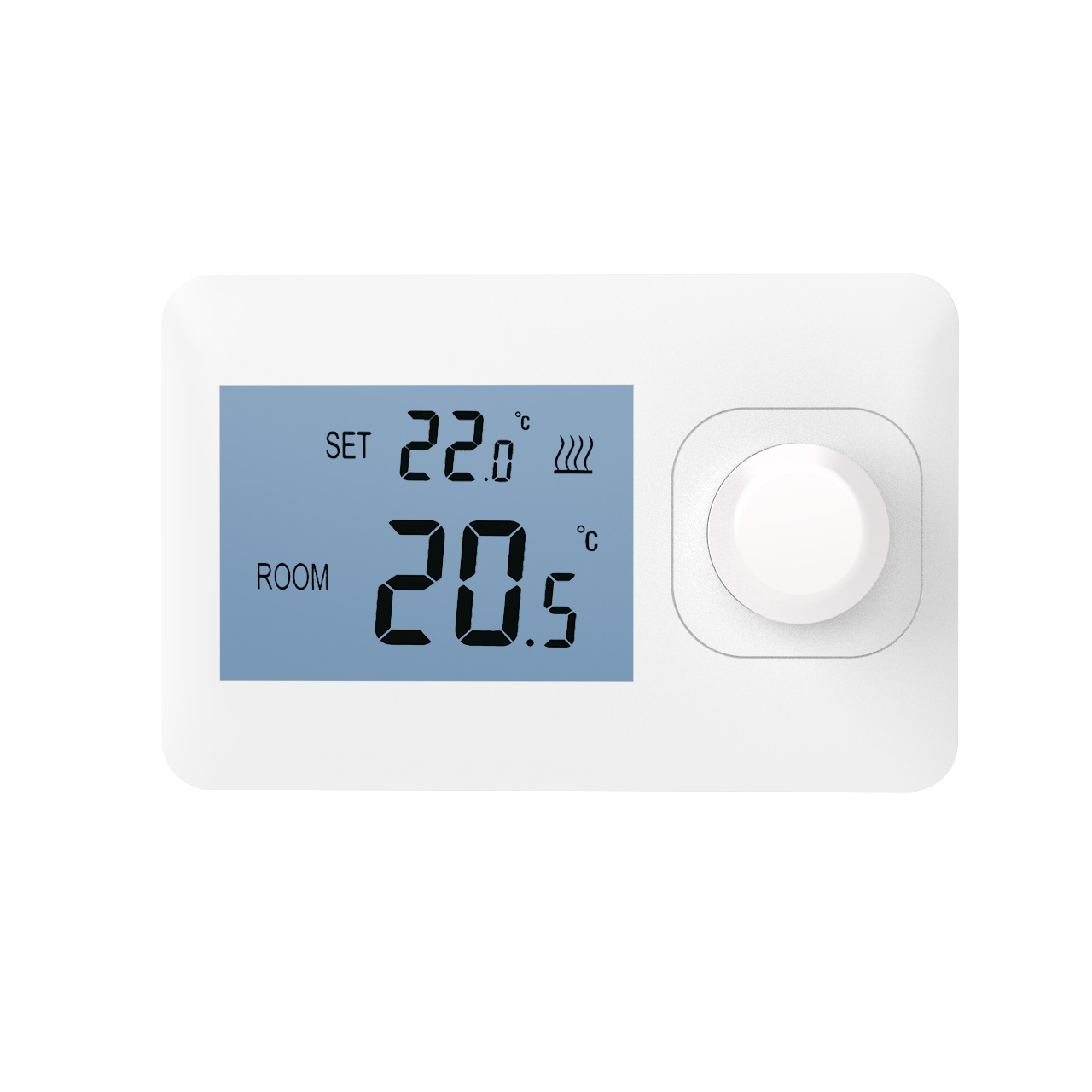
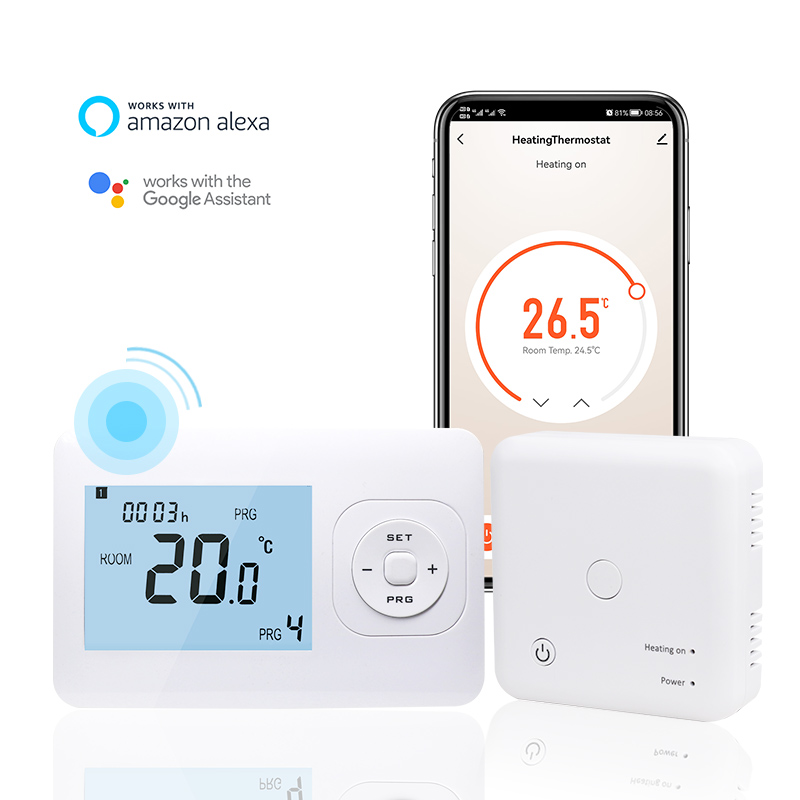
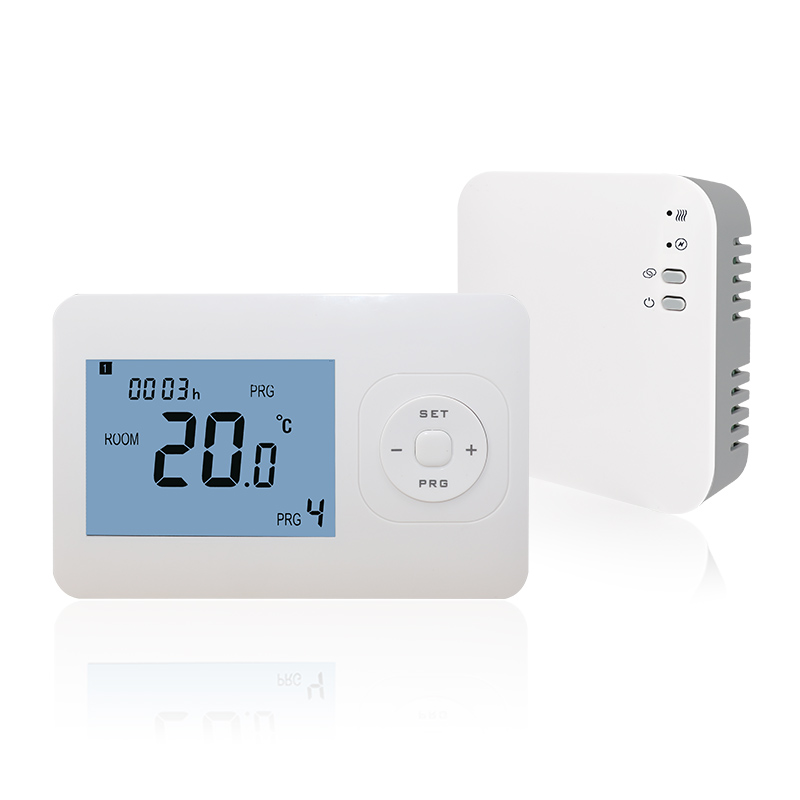
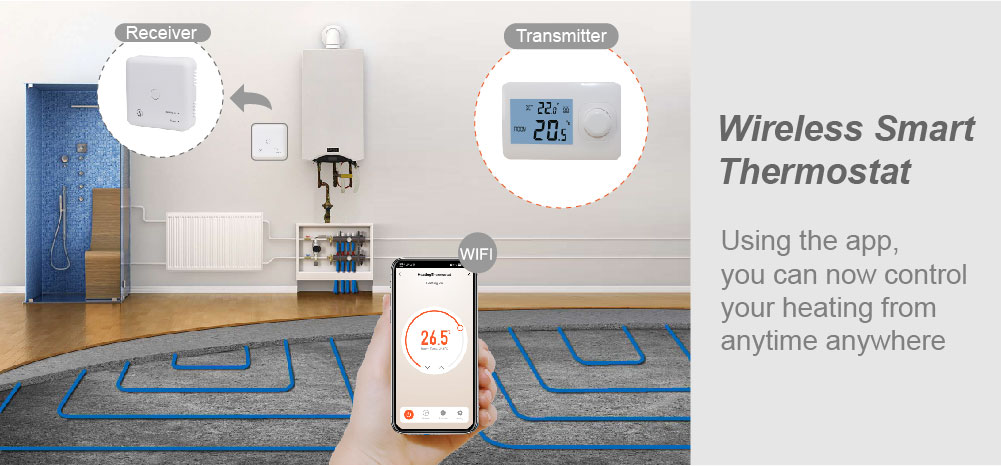
Electric underfloor heating systems are increasingly popular in residential applications due to their high comfort level and precise temperature control. As the “control center” of the entire system, the thermostat plays a critical role in overall performance and operational stability. In many cases, thermostats are replaced not because of complete failure, but due to reduced accuracy, frequent false alarms, or declining control performance. Adopting scientific usage and maintenance practices is essential to extending the service life of an electric underfloor heating thermostat.
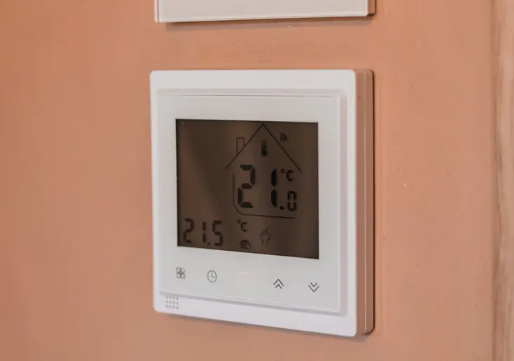
Choose a Proper Installation Location
The installation environment has a significant impact on thermostat longevity. The thermostat should be installed away from direct sunlight, strong heat sources, and humid areas to prevent distorted temperature readings and accelerated aging of internal components. Wiring inside the wall should be neatly arranged and securely fixed to avoid long-term stress or damage to cables. Installation height should also comply with recommended standards to ensure accurate sensing of indoor temperature and to reduce unnecessary on-off cycles that increase electrical wear.
Maintain a Stable Power Supply
Electric underfloor heating thermostats are sensitive to power quality. Long-term exposure to unstable voltage conditions can accelerate electronic component degradation and lead to control malfunctions. During daily use, sharing circuits with high-power appliances should be avoided to minimize current surges. In areas where the power grid is less stable, maintaining consistent power input helps extend the overall operational lifespan of the thermostat.
Set Operating Parameters Scientifically
Reasonable parameter settings can effectively reduce the operating load on the thermostat. Avoid setting temperatures excessively high or low, as this leads to frequent system starts and stops. Adjust operating modes according to seasonal changes so the thermostat runs in a stable and balanced state. Proper use of scheduling functions based on actual daily routines can also reduce unnecessary operation and limit wear on relays and control modules.
Protect the Temperature Sensor
The temperature sensor provides essential feedback for thermostat operation. During installation or subsequent maintenance, care should be taken to avoid damaging the sensor cable, which could result in poor contact or inaccurate readings. If abnormal temperature readings are observed during use, the sensor condition should be checked promptly. Preventing incorrect signals from placing the thermostat in prolonged abnormal operating states helps preserve its service life.
Perform Regular Inspections and Basic Maintenance
Although electric underfloor heating thermostats require minimal maintenance, periodic inspection remains important. Users should monitor display clarity, button responsiveness, and temperature control accuracy to identify potential issues early. Keeping the thermostat surface clean and preventing dust from entering button gaps or ventilation openings helps maintain stable performance of internal electronic components.
Avoid Frequent Power Cycling and Forced Resets
Some users habitually cut off power or repeatedly restart the thermostat in an attempt to “reset” the system. In practice, this behavior places additional stress on control circuits and relays. Under normal conditions, temperature adjustments should be made through proper settings rather than repeated power interruptions. Reducing unnecessary power cycling contributes to a longer thermostat lifespan.
Pay Attention to Signs of Aging
As the thermostat ages, response speed and temperature control accuracy may gradually decline. These changes often represent early indicators of component aging. Recognizing such signs in time allows users to adjust operating habits and avoid sustained high-load conditions, thereby slowing performance degradation.
Conclusion
The service life of an electric underfloor heating thermostat depends not only on product quality but also on installation conditions, user habits, and routine maintenance. Through proper installation, stable power supply, scientific parameter settings, and regular inspection, users can significantly reduce device stress and extend stable operating time. Scientific use not only improves comfort but also ensures long-term, safe, and reliable heating performance.