
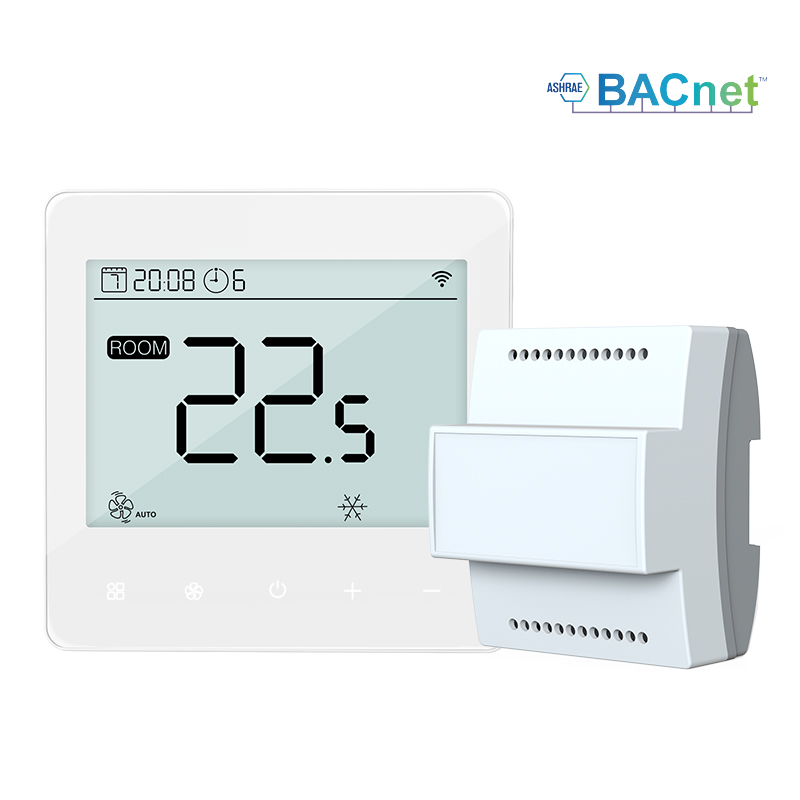
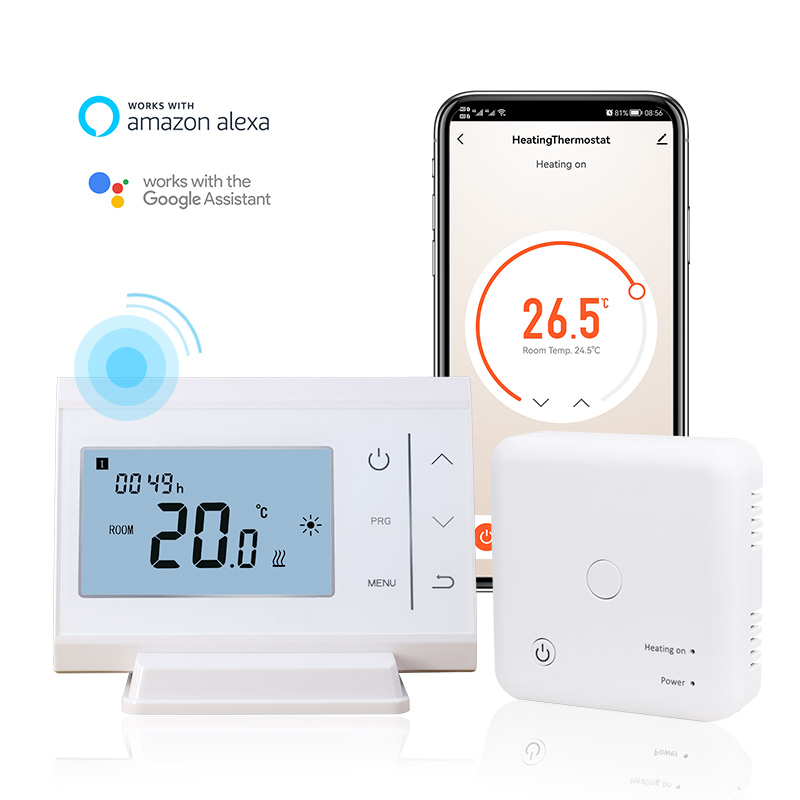
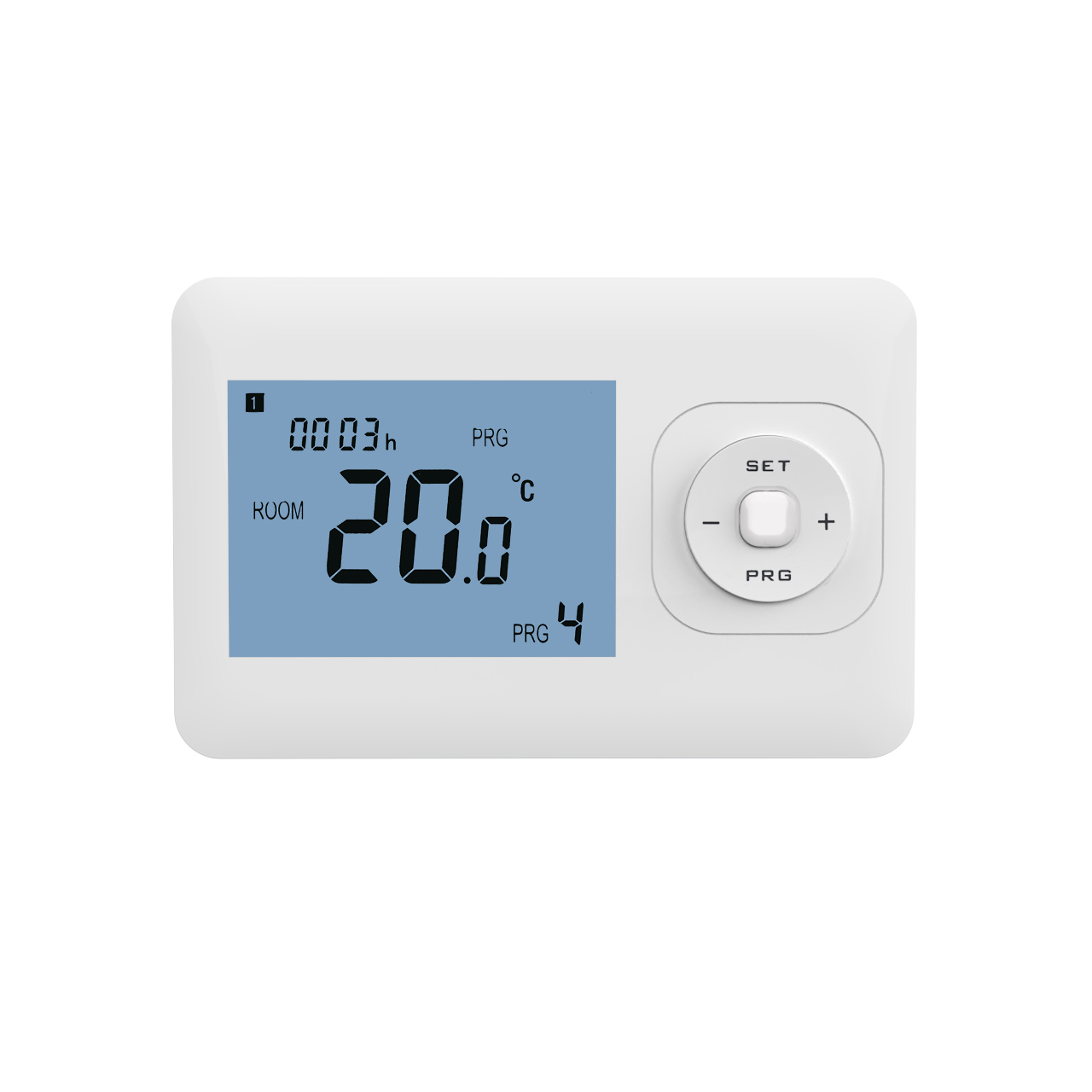
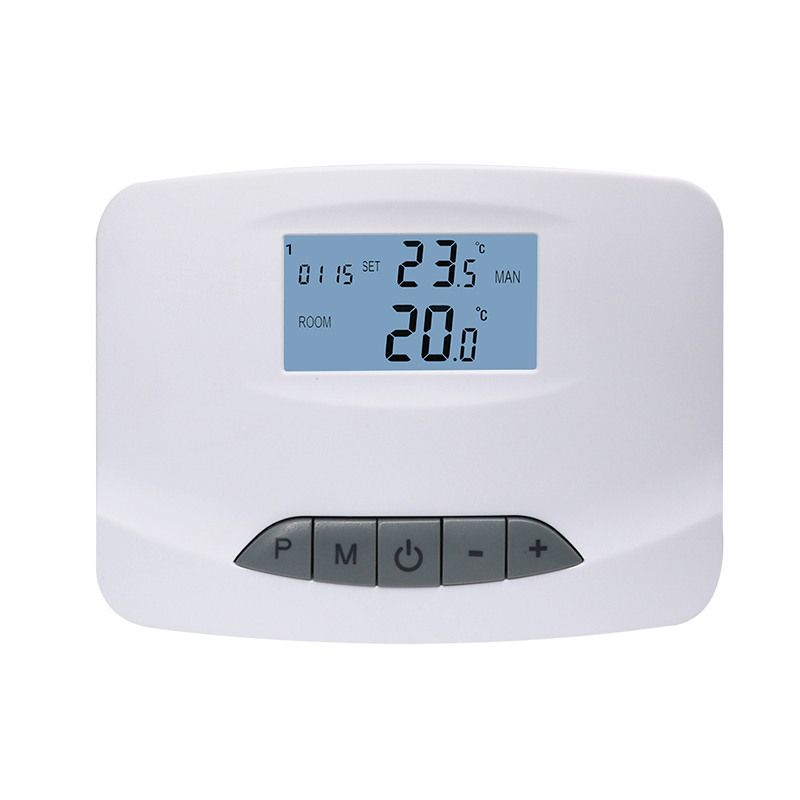
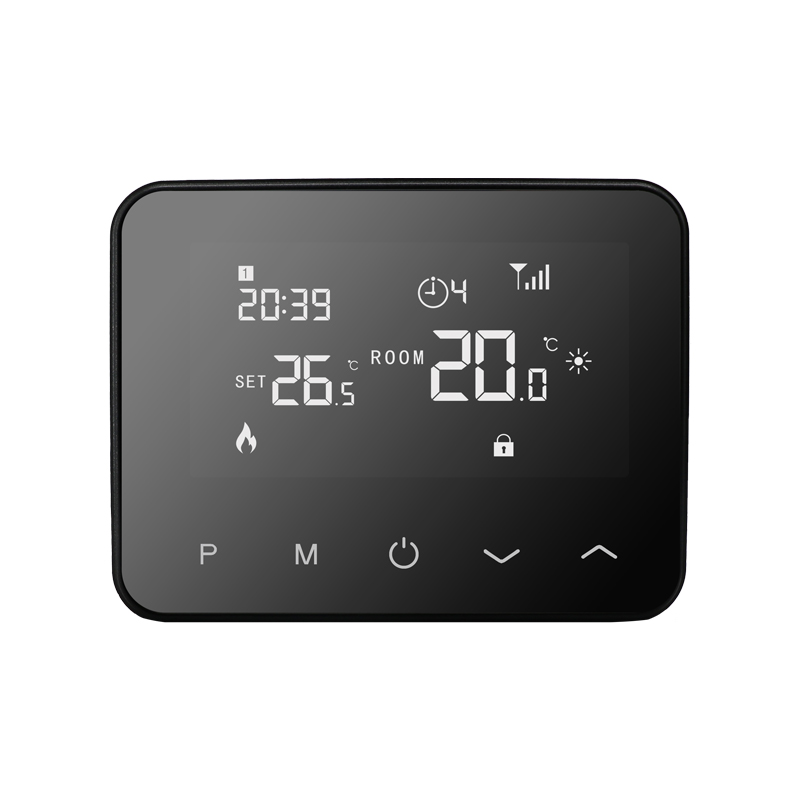
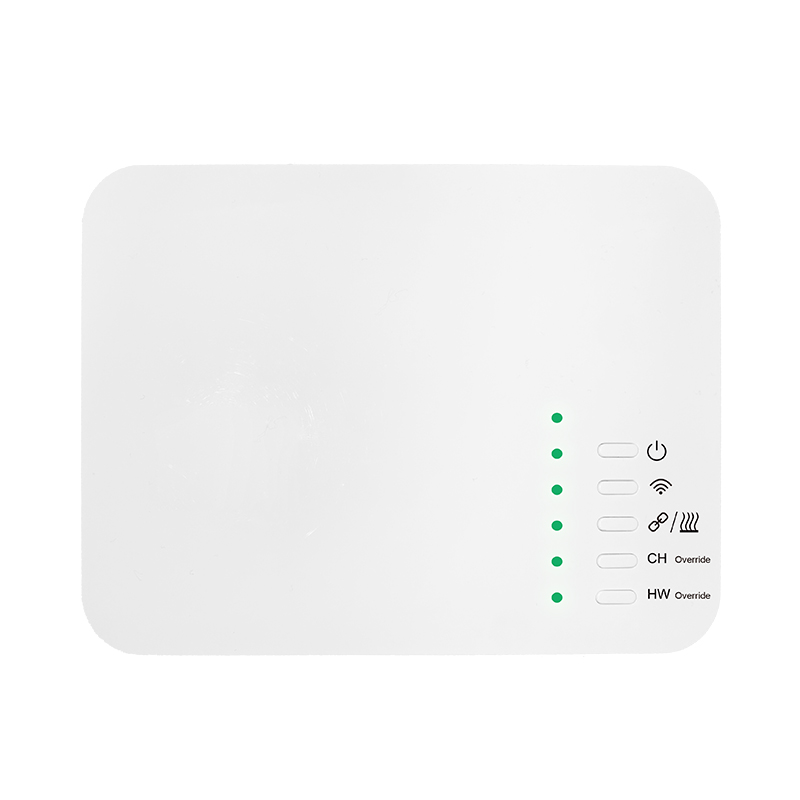
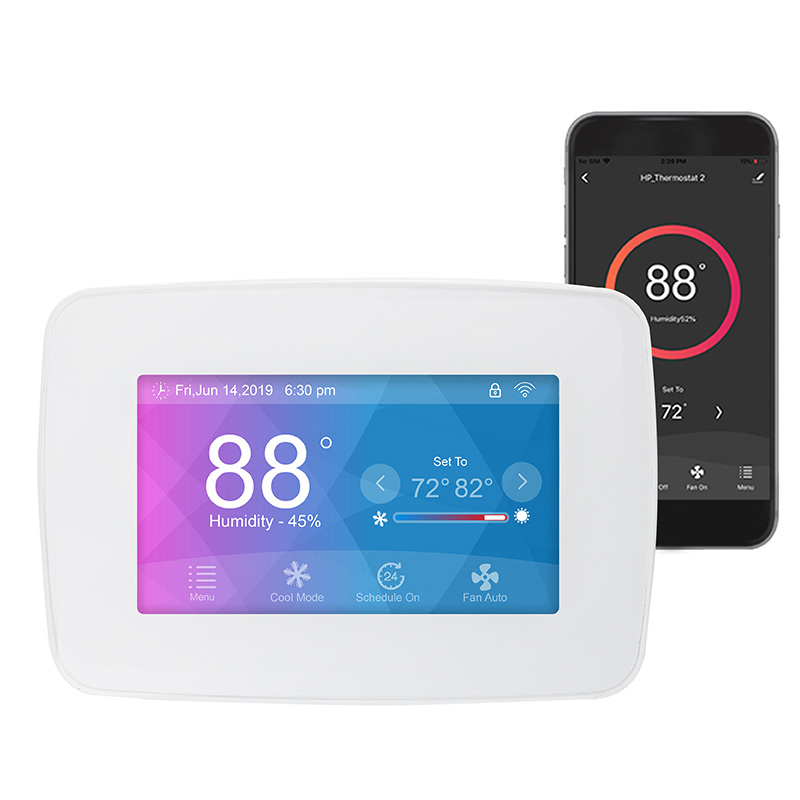
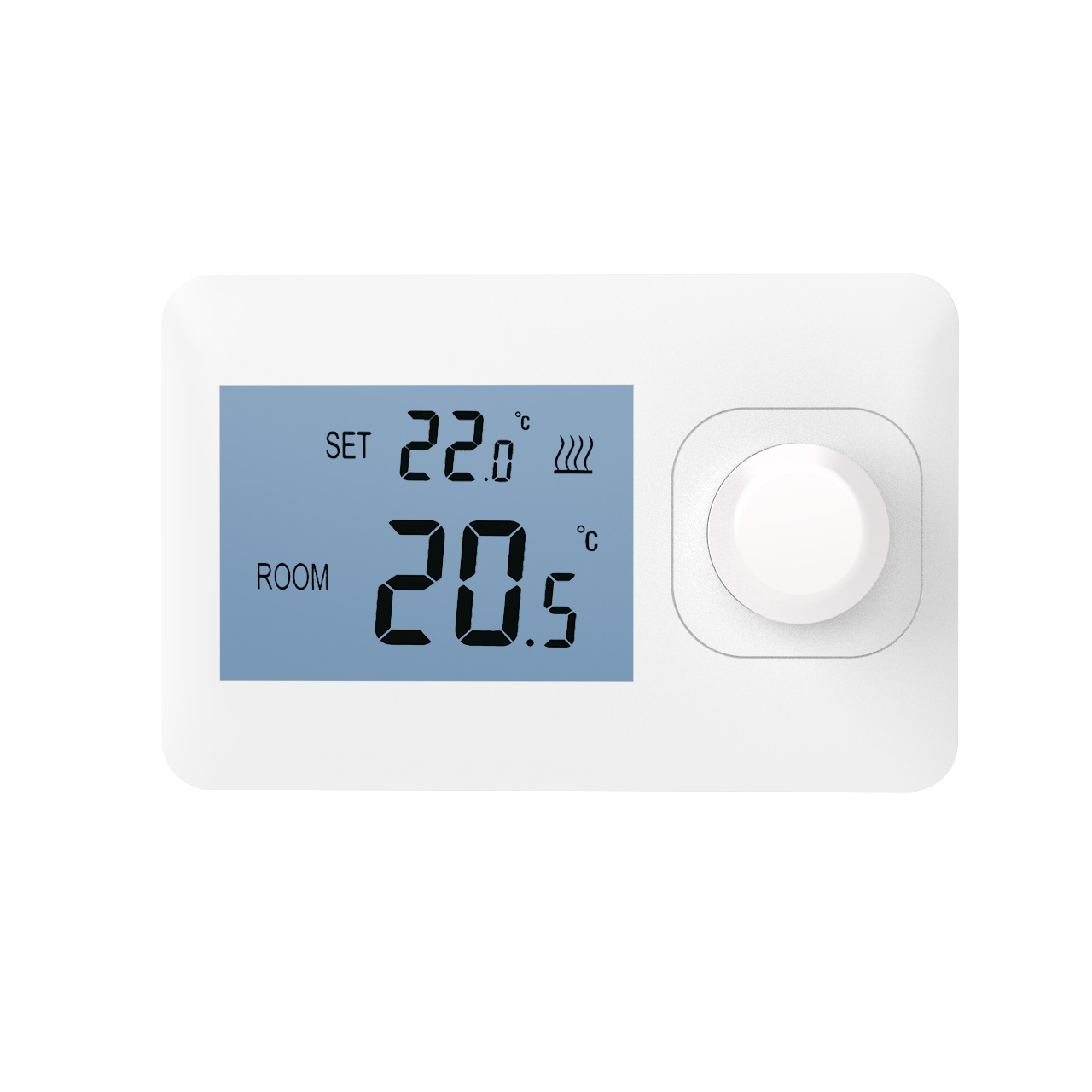
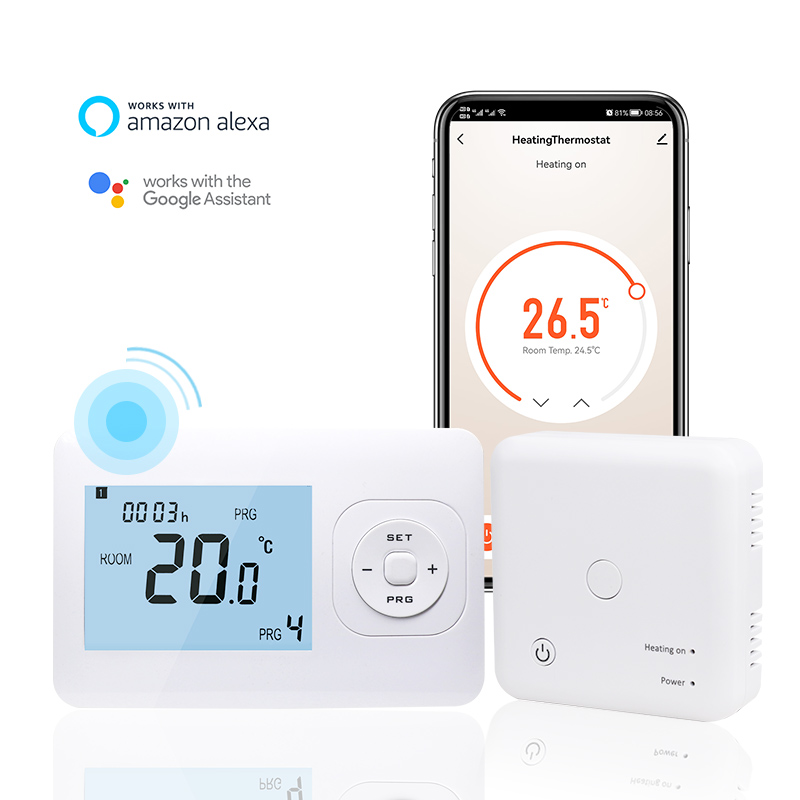
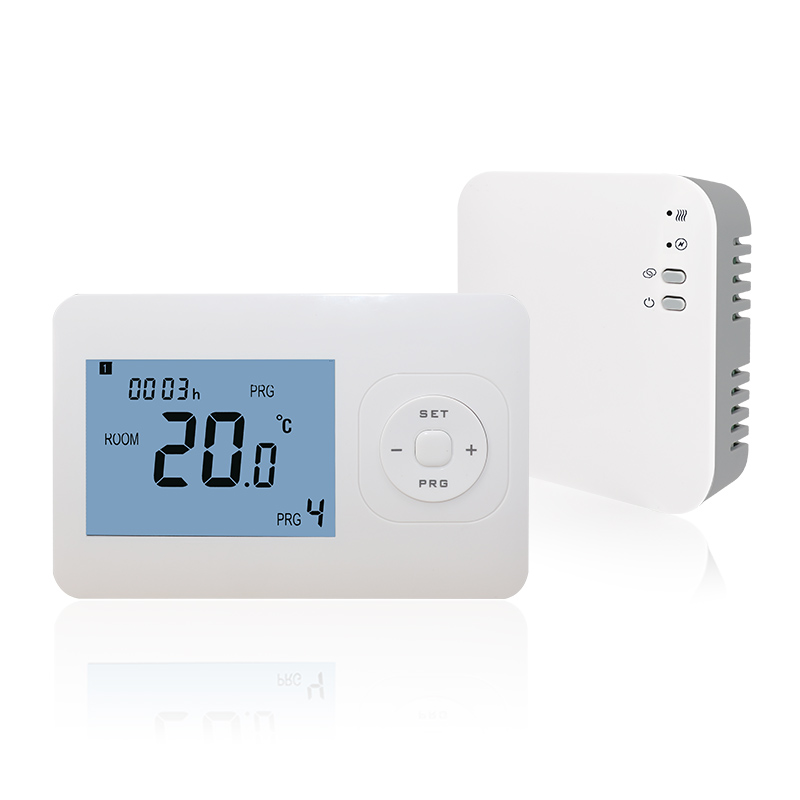
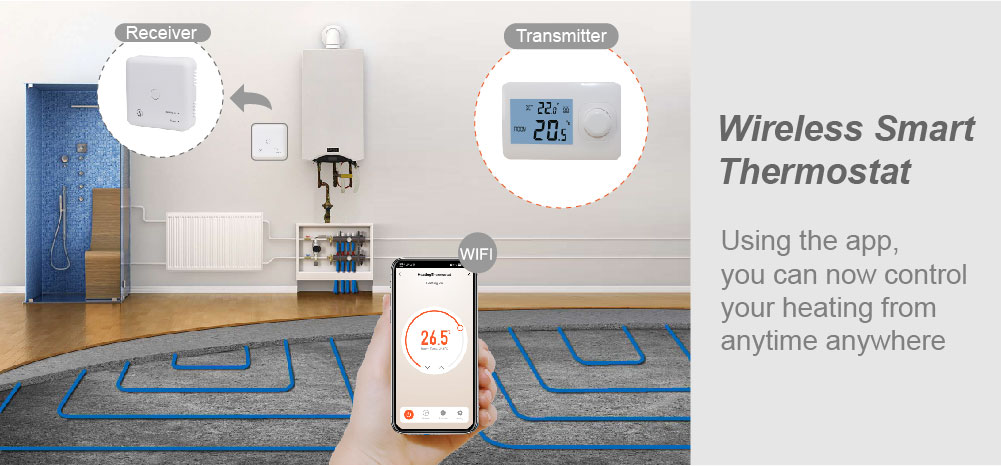
Among winter heating solutions, electric floor heating is increasingly favored by households due to its even heat distribution and high comfort level. Within the entire system, the electric floor heating thermostat serves as the “control center.” Whether it is used properly directly affects indoor temperature stability, heating comfort, and energy consumption. By mastering the correct usage methods, users can significantly enhance winter heating comfort without increasing energy costs.
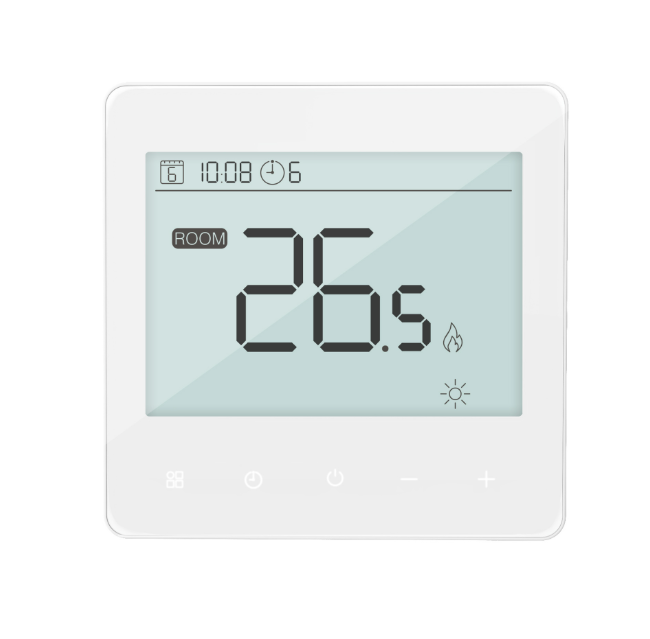
Setting a Reasonable Target Temperature as the Foundation of Comfort
Many users tend to set the thermostat temperature too high in winter, believing that higher settings mean faster and warmer heating. In reality, excessively high temperatures can lead to discomfort and unnecessary energy consumption.
By using the thermostat to maintain a stable and comfortable indoor temperature range, the heating system can operate more efficiently. The thermostat automatically controls heating cycles, keeping room temperature steady and avoiding frequent temperature fluctuations, which greatly improves overall comfort.
Making Good Use of Floor and Room Temperature Control
Most electric floor heating thermostats support floor temperature control, room temperature control, or dual control modes. Choosing the right control method is essential for winter heating comfort.
Floor temperature control ensures a warm and comfortable surface underfoot, preventing cold floors. Room temperature control focuses on overall indoor comfort. Dual control mode combines both, limiting maximum floor temperature while maintaining a comfortable room environment, making it ideal for long-term heating applications.
Using Scheduling Functions to Create a Comfortable Heating Rhythm
The scheduling and programming features of electric floor heating thermostats play a key role in comfort enhancement. Users can set different temperatures for different times of the day—for example, preheating before waking up, lowering temperatures when away during the day, and switching to energy-saving mode at night.
This time-based control ensures indoor temperature aligns with daily routines, eliminating the need for frequent manual adjustments while providing a consistent and comfortable heating experience.
Reducing Temperature Fluctuations and Avoiding Frequent Manual Adjustments
Frequent manual adjustments can cause large temperature swings, negatively affecting comfort. A better approach is to allow the thermostat to operate automatically within the preset range.
High-quality electric floor heating thermostats offer precise temperature control, adjusting heating output based on real-time temperature changes. This helps maintain a near-constant indoor temperature, delivering smoother and more comfortable heating compared to short periods of intense heating.
Optimizing Indoor Environment to Enhance Heating Performance
The effectiveness of a thermostat also depends on the indoor environment. Proper insulation measures, such as sealing doors and windows, using thick curtains, and reducing cold air infiltration, can significantly improve heating efficiency.
With better insulation, the thermostat can maintain comfortable temperatures with lower power output and fewer heating cycles, resulting in gentler heat distribution and improved comfort.
Conclusion
The electric floor heating thermostat is a key tool for improving winter heating comfort. Through scientific temperature settings, proper control mode selection, effective use of scheduling functions, and good indoor insulation practices, users can achieve both comfort and energy efficiency. Proper use of the thermostat not only makes winters warmer but also ensures a safer, more comfortable, and more efficient heating experience.