
-white.jpg)
-2.jpg)
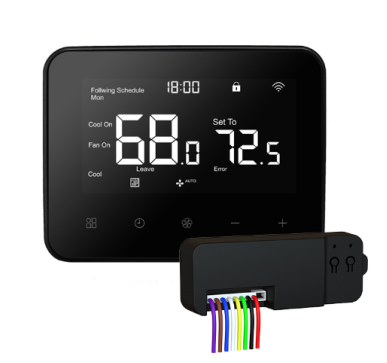
With the rise of smart homes and energy-saving awareness, more households and offices are using 24V 2H/2C thermostats to manage indoor temperatures. The 2H/2C thermostat supports two heating and two cooling stages, automatically switching modes based on the ambient temperature to provide stable and comfortable climate control. However, many users find that the thermostat’s performance depends heavily on system settings and usage habits. Knowing how to optimize it can ensure comfort while saving energy.
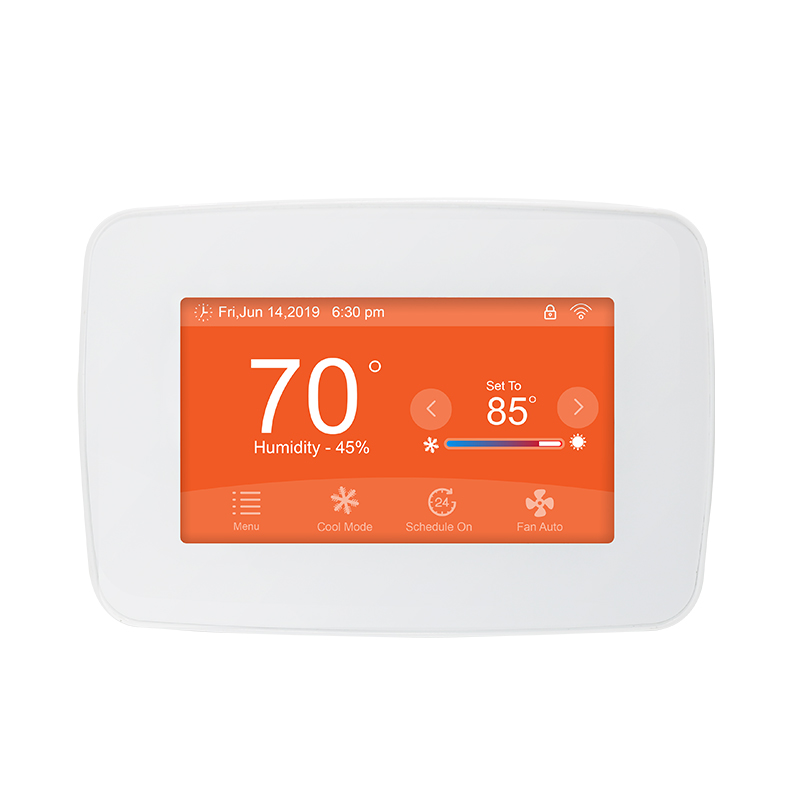
Understanding How a 24V 2H/2C Thermostat Works
The 24V 2H/2C thermostat’s core function is to automatically control heating and cooling systems to maintain the set temperature:
- 2H/2C mode: 2H represents two heating stages, 2C represents two cooling stages. The thermostat adjusts the stage automatically to quickly reach the target temperature
- Low-voltage control (24V): Safe and reliable, suitable for home air conditioners, wall-mounted boilers, underfloor heating, and other systems
- Temperature sensor: Built-in sensors monitor indoor temperature in real-time and send signals to heating or cooling equipment for automatic start and stop
Understanding how it works helps users adjust temperature and stages effectively, optimizing both heating and cooling.
How to Optimize Heating
To maximize heating efficiency in winter, consider the following:
- Set a reasonable temperature: Typically 20–24°C is comfortable; setting too high increases energy consumption
- Choose the appropriate stage: Use high heating stages when the temperature difference is large, then switch to low stage to maintain stability once the target is reached
- Improve room insulation: Close doors and windows to prevent heat loss and improve thermostat efficiency
- Use the timer function: Schedule heating to pre-warm rooms before waking up or returning home
These methods help the 2H/2C thermostat quickly and steadily reach the desired indoor temperature while saving energy.
How to Optimize Cooling
Optimizing cooling in summer is equally important:
- Set a reasonable temperature: 24–28°C is generally recommended for comfort and lower AC load
- Combine high and low cooling stages: Use high stage for rapid cooling, then switch to low stage near the target temperature to maintain stability
- Prevent cold air loss: Close windows and curtains to reduce wasted cooling and improve efficiency
- Use timer and energy-saving modes: Adjust temperatures or enable energy-saving modes when the space is unoccupied to avoid overcooling
With proper operation, the 2H/2C thermostat maintains a comfortable indoor temperature while reducing cooling energy consumption.
Daily Usage Strategies for Optimization
Beyond seasonal adjustments, optimizing heating and cooling in daily use requires good habits:
- Alternate stages: Switch between high and low stages according to indoor temperature changes to reduce wear from frequent start-stop cycles
- Keep sensors clean: Dust can affect temperature sensing, causing delayed or frequent system activation
- Position sensors wisely: Avoid placing sensors in direct sunlight or near heat sources for more accurate control
- Regular system checks: Ensure heating and cooling equipment functions properly, with unobstructed ducts or pipelines
These daily practices help the 24V 2H/2C thermostat control temperatures more efficiently and reliably.
Suitable Applications and Considerations
The 24V 2H/2C thermostat is widely used in homes, offices, and light industrial environments:
- Homes: Works with air conditioners, underfloor heating, or wall-mounted boilers for year-round comfort
- Offices: Maintains stable temperatures to improve employee comfort and productivity
- Industrial or storage spaces: Ensures consistent temperature for production or storage
When using it, check system compatibility to confirm that heating or cooling equipment supports 24V control, and consider professional installation for safety.
The heating and cooling performance of a 24V 2H/2C thermostat can be optimized by setting reasonable temperatures, selecting the proper stage, using timers and energy-saving modes, and performing routine maintenance. With scientific operation, it not only improves indoor comfort but also saves energy and extends the life of heating and cooling equipment. By following these strategies, the 2H/2C thermostat can provide stable, comfortable, and intelligent climate control for every season, bringing the convenience of smart temperature management to homes and offices alike.