
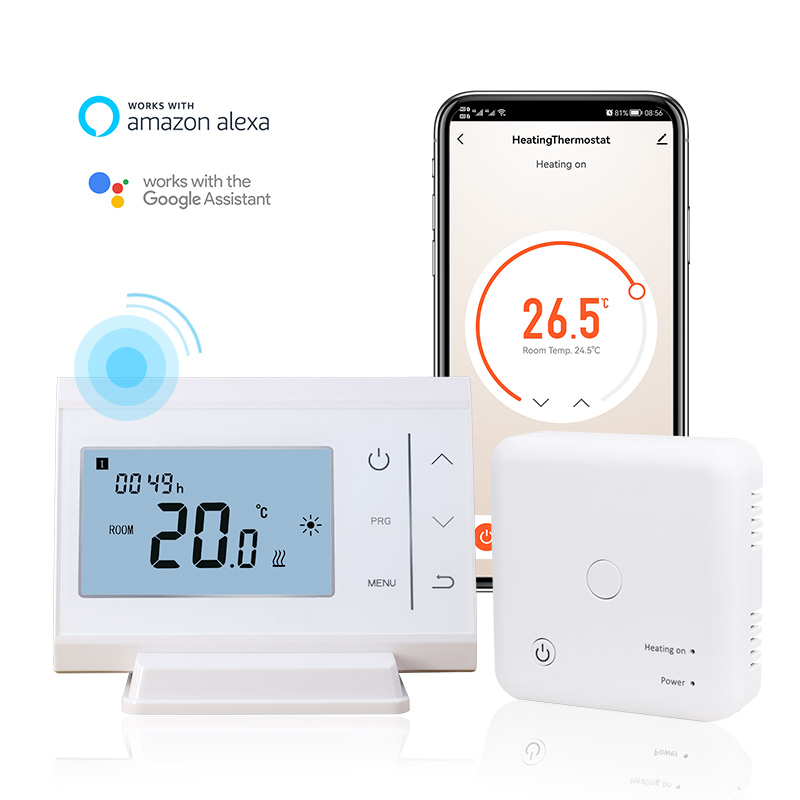
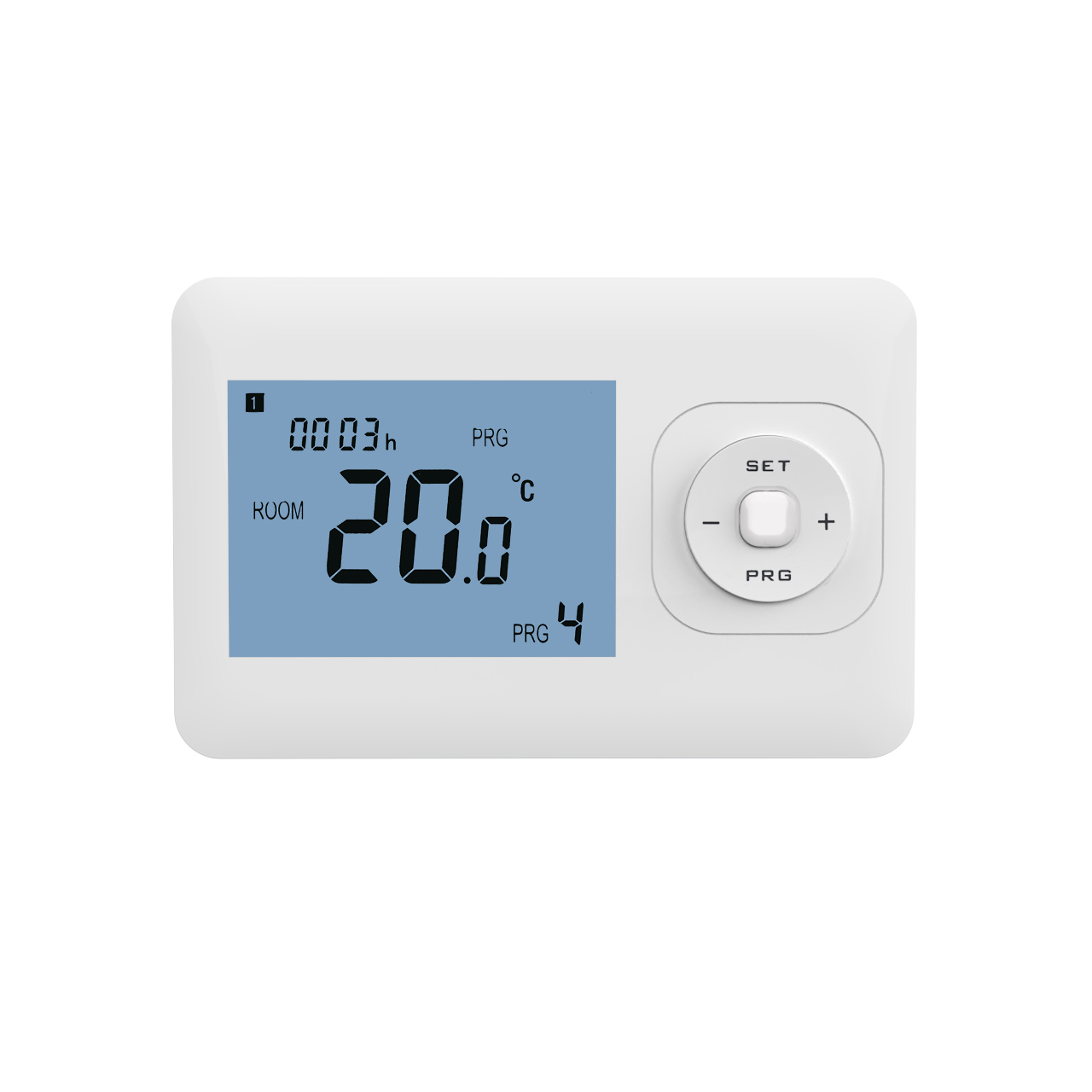
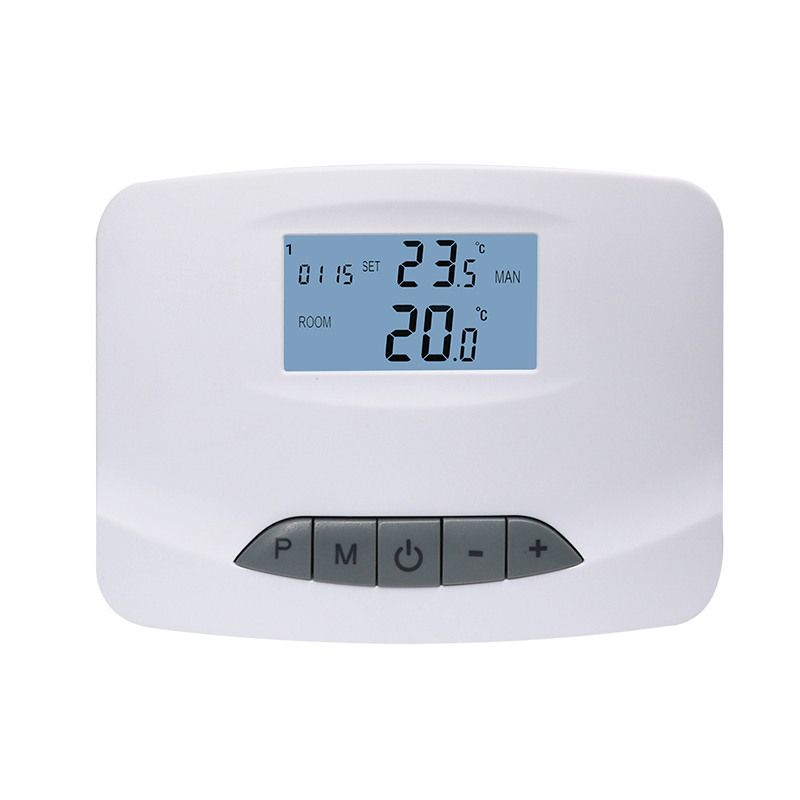
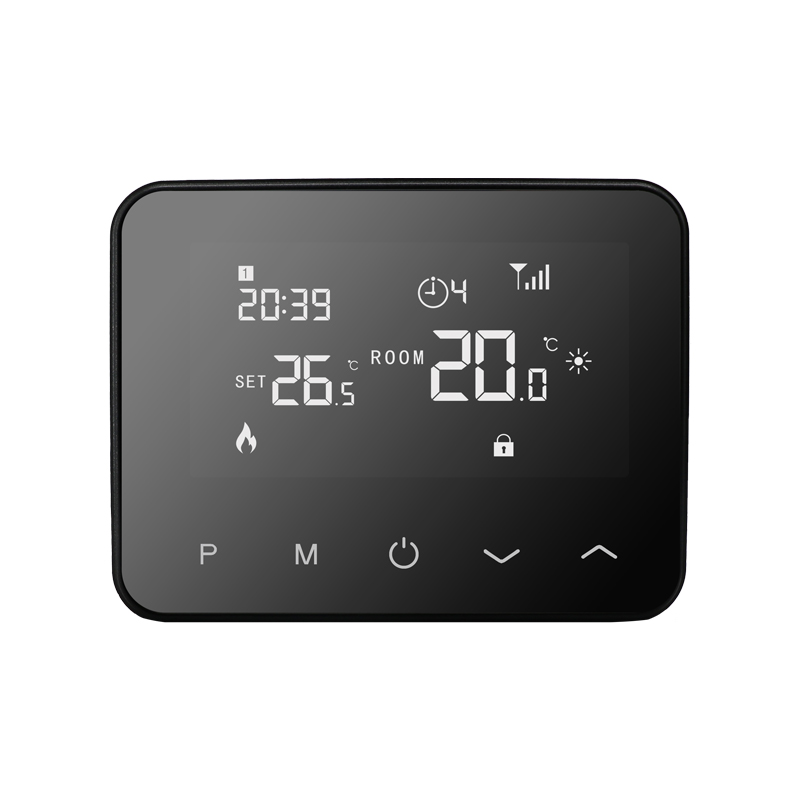
With the rise of smart homes and offices, plug-in thermostats have become essential tools for controlling indoor temperatures and enhancing comfort. However, if used improperly, thermostats can lead to unnecessary energy consumption, higher electricity bills, and wasted resources. This article explores how to use plug-in thermostats efficiently to avoid energy waste, focusing on principles, usage tips, and energy-saving strategies.
How Plug-In Thermostats Work
Plug-in thermostats are devices that plug directly into power outlets. They monitor room temperature with built-in sensors and automatically control connected appliances, maintaining a set temperature or schedule. Their main advantages include:
Precise temperature control: Automatically adjusts appliance power to prevent overheating or overcooling.
Energy efficiency: Reduces unnecessary electricity usage through smart control.
Convenience: Easy to install and use with a variety of household and office appliances.
However, improper settings or poor usage habits—such as setting temperatures too high or low, leaving appliances running continuously, or frequent manual adjustments—can still result in wasted energy.
Set Optimal Temperature Ranges
The key to saving energy is setting the thermostat at an appropriate temperature. Recommended ranges include:
Winter heating: 18–22℃ (64–72℉) for comfort without excessive heating.
Summer cooling: 25–27℃ (77–81℉) to avoid continuous high-power operation of air conditioners.
Proper temperature settings allow the thermostat to automatically adjust power, reducing energy waste.
Use Timers and Scheduling Functions
Many modern plug-in thermostats feature timers and scheduling modes:
Timers: Automatically turn off or reduce power during high-use or unoccupied periods to prevent energy loss.
Scheduled modes: Adjust temperatures according to daily routines, e.g., lower temperatures at night and higher during the day for comfort.
Using timers and schedules efficiently not only saves electricity but also extends appliance lifespan.
Avoid Frequent Manual Adjustments
Frequent manual changes force the thermostat to repeatedly switch appliances on and off, increasing energy consumption. To optimize efficiency:
Maintain stable temperatures: Set a suitable temperature for the season and environment and avoid unnecessary adjustments.
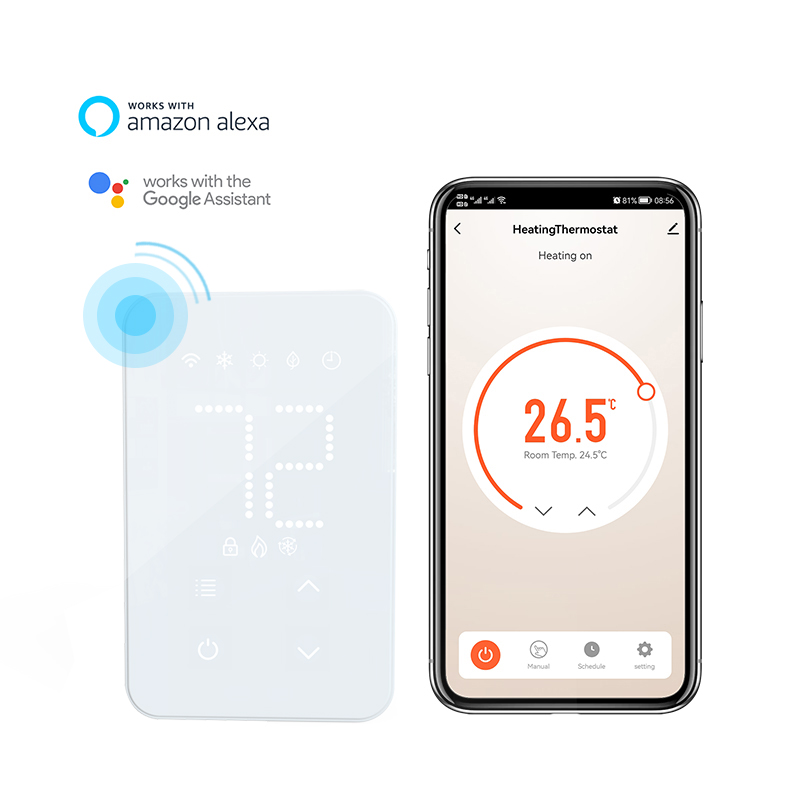
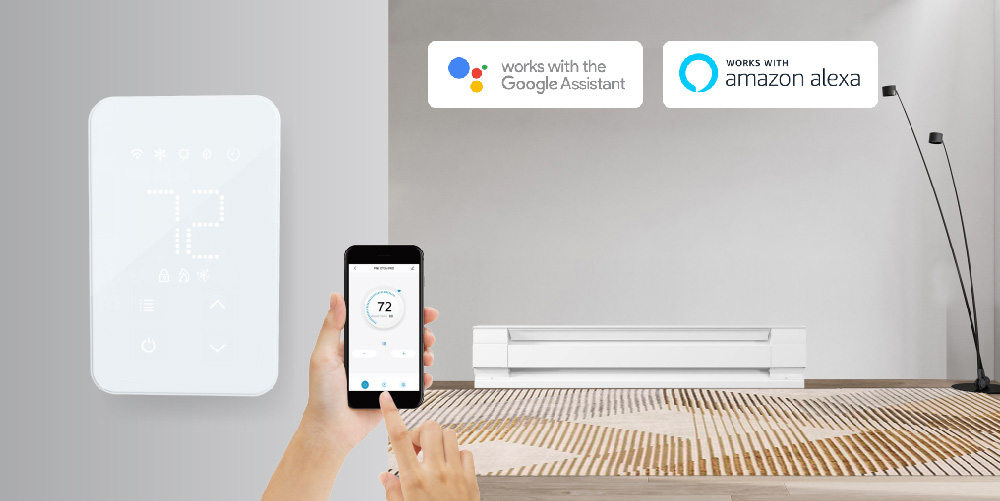
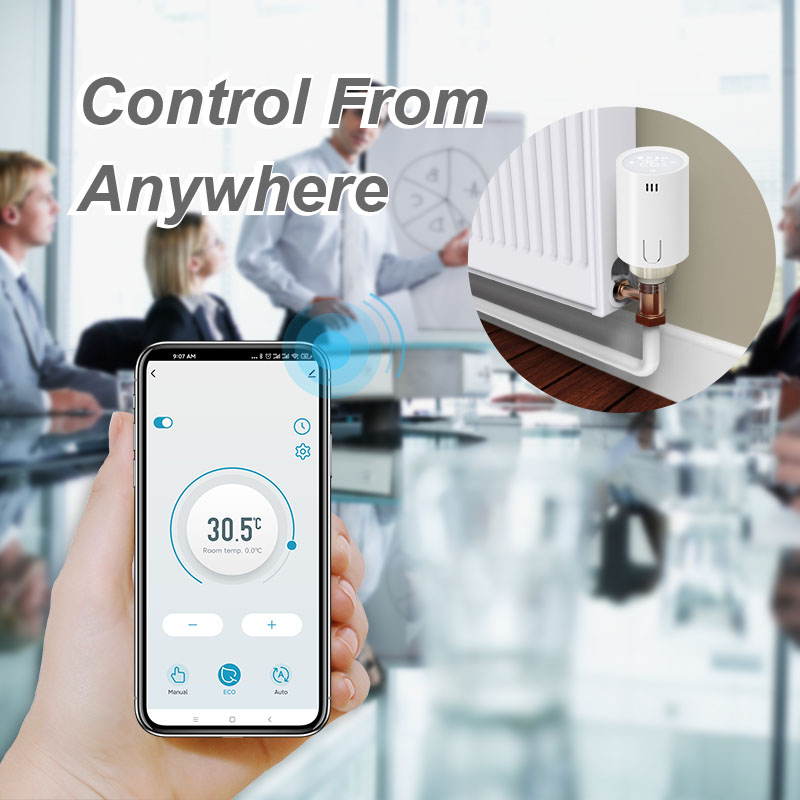
Use smart modes: Some thermostats have learning or app-controlled modes that automatically optimize operation based on environmental conditions.
Reducing manual intervention allows the thermostat to operate efficiently and conserve energy.
Regular Maintenance and Proper Placement
The thermostat’s energy-saving performance also depends on maintenance and placement:
Device maintenance: Keep sensors clean to ensure accurate temperature detection.
Proper placement: Place the thermostat in a well-ventilated area, away from heat or cold sources for accurate readings.
Combine with insulation: Curtains, sealed doors, and windows reduce heat loss, lowering thermostat workload.
Conclusion
When used properly, plug-in thermostats can significantly improve indoor comfort while minimizing energy waste. Key strategies include setting optimal temperatures, using timers and schedules, avoiding frequent manual adjustments, maintaining devices, and optimizing placement. By applying these practices, households and offices can lower electricity bills and contribute to environmentally friendly, energy-efficient living.