
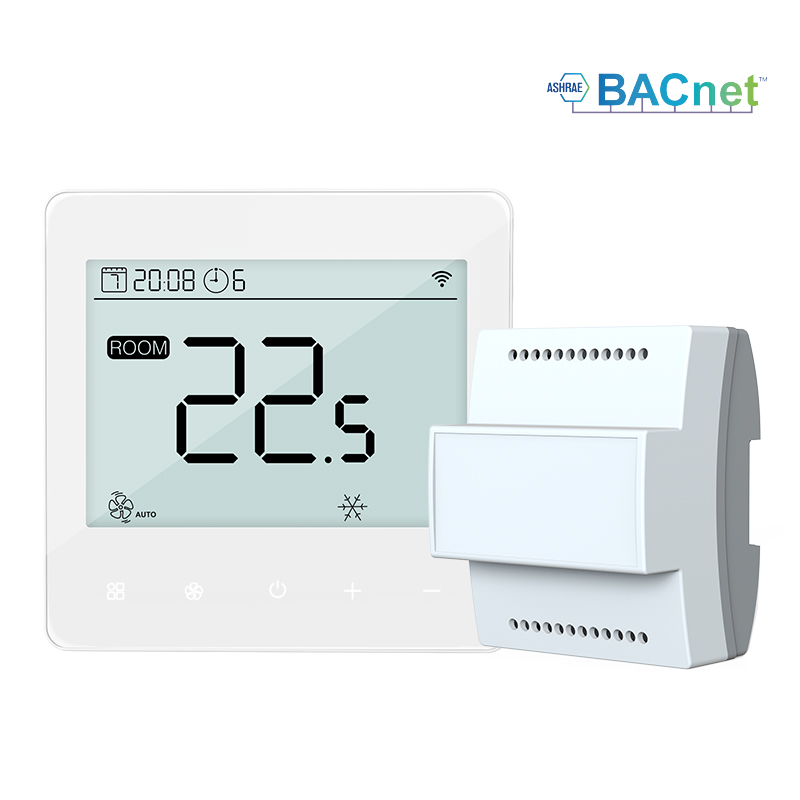
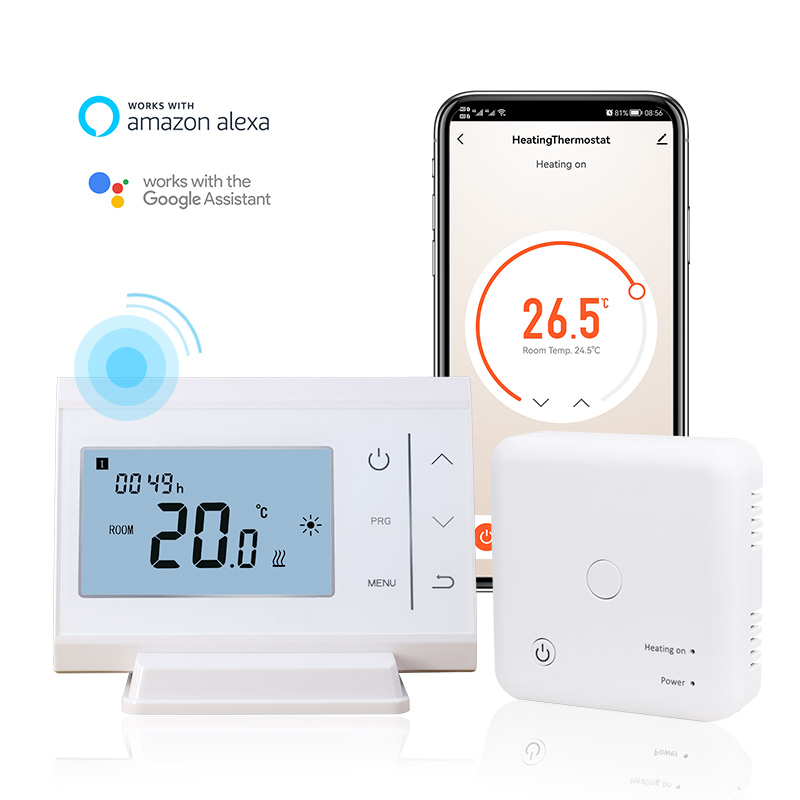
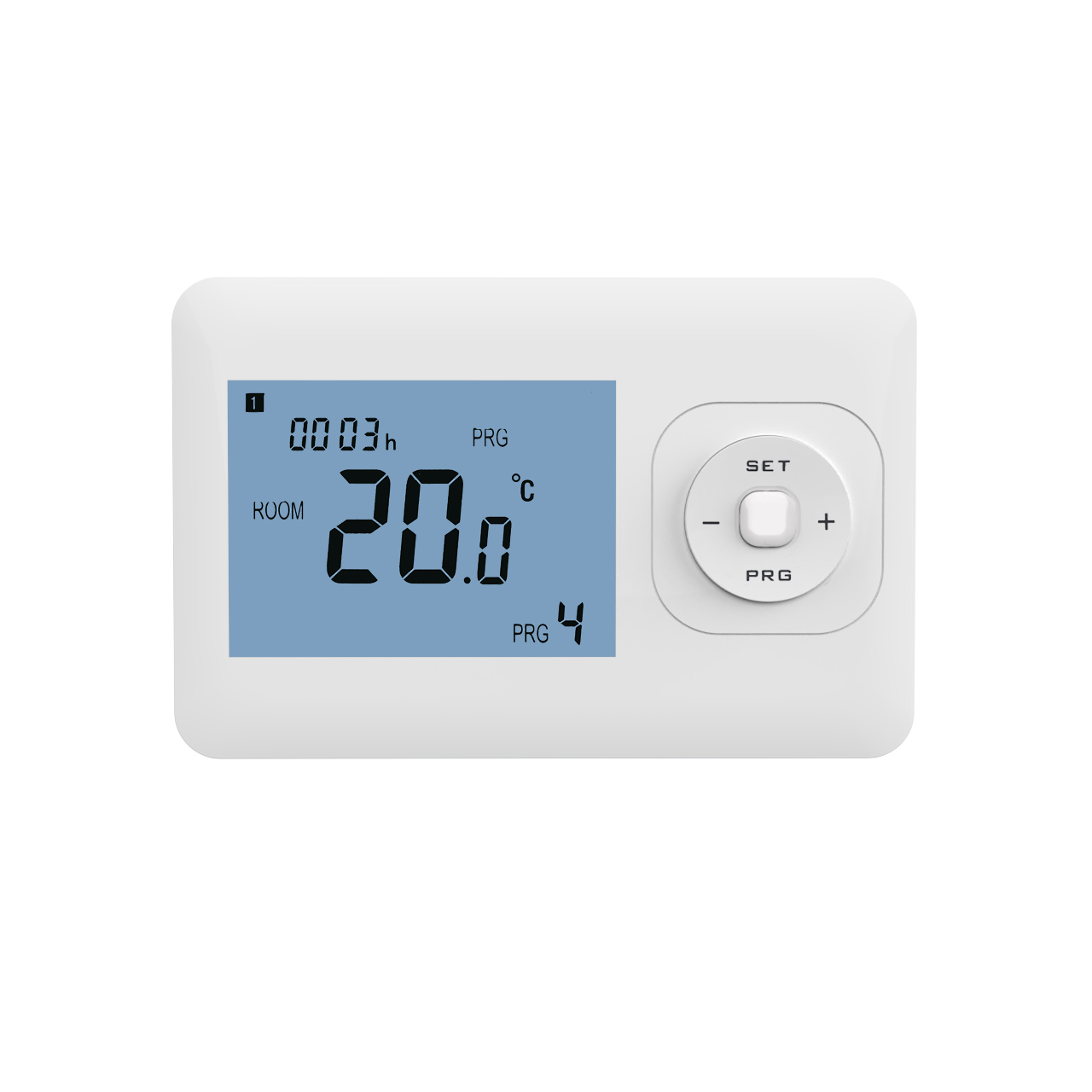
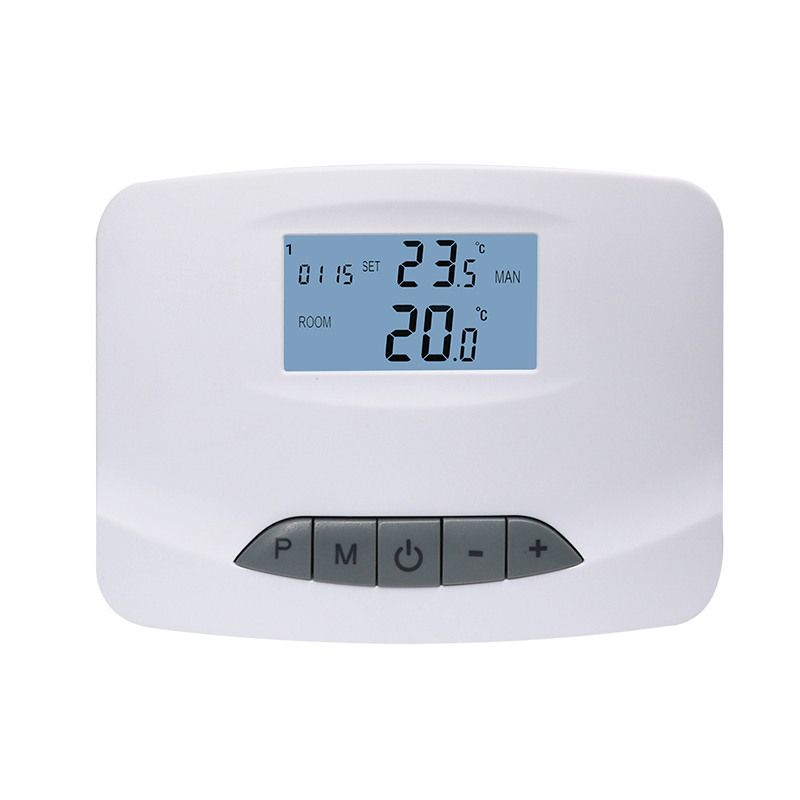
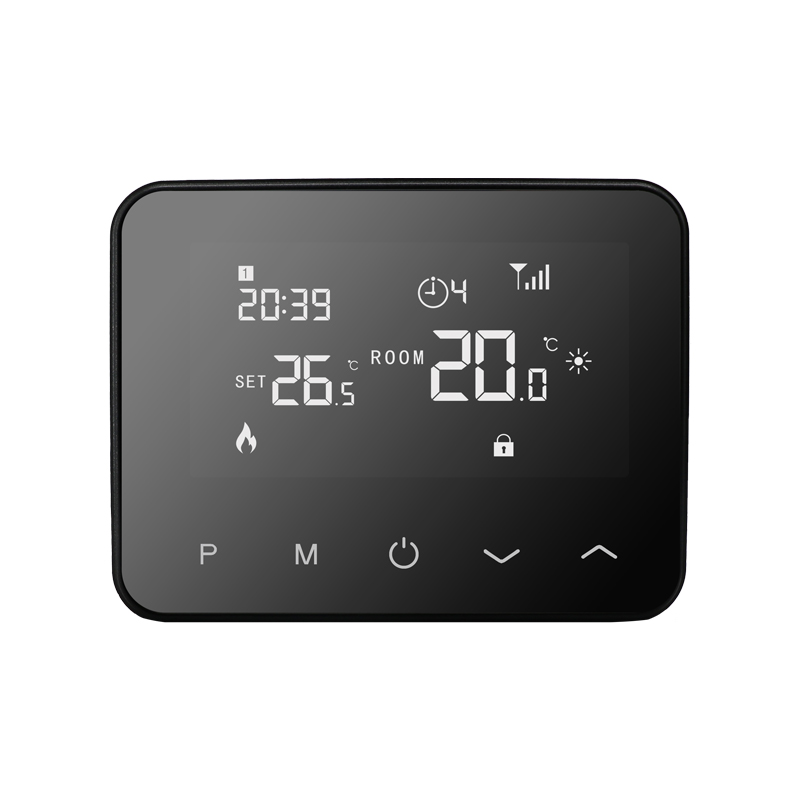
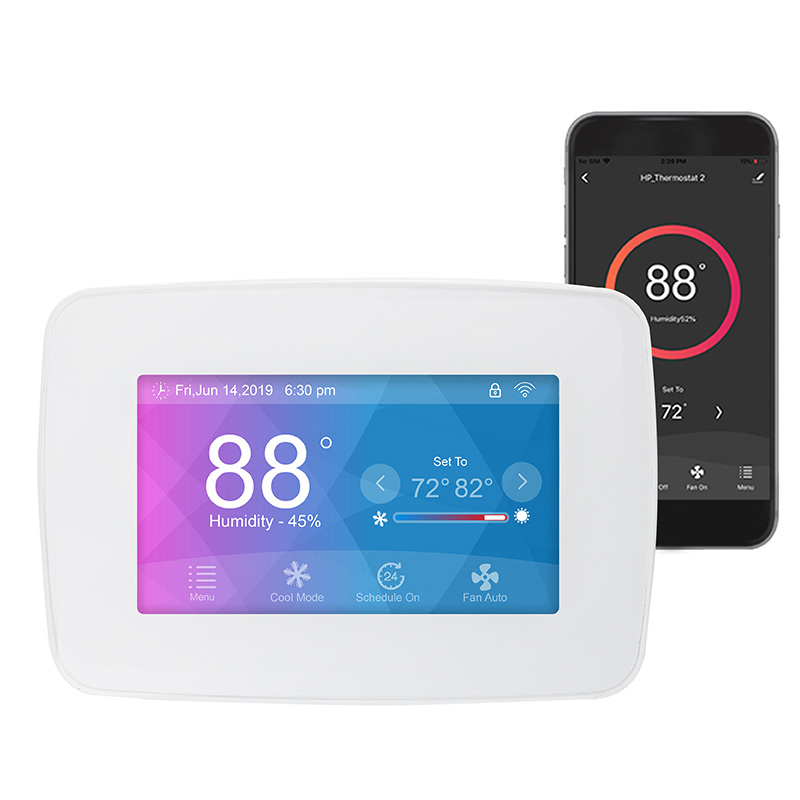
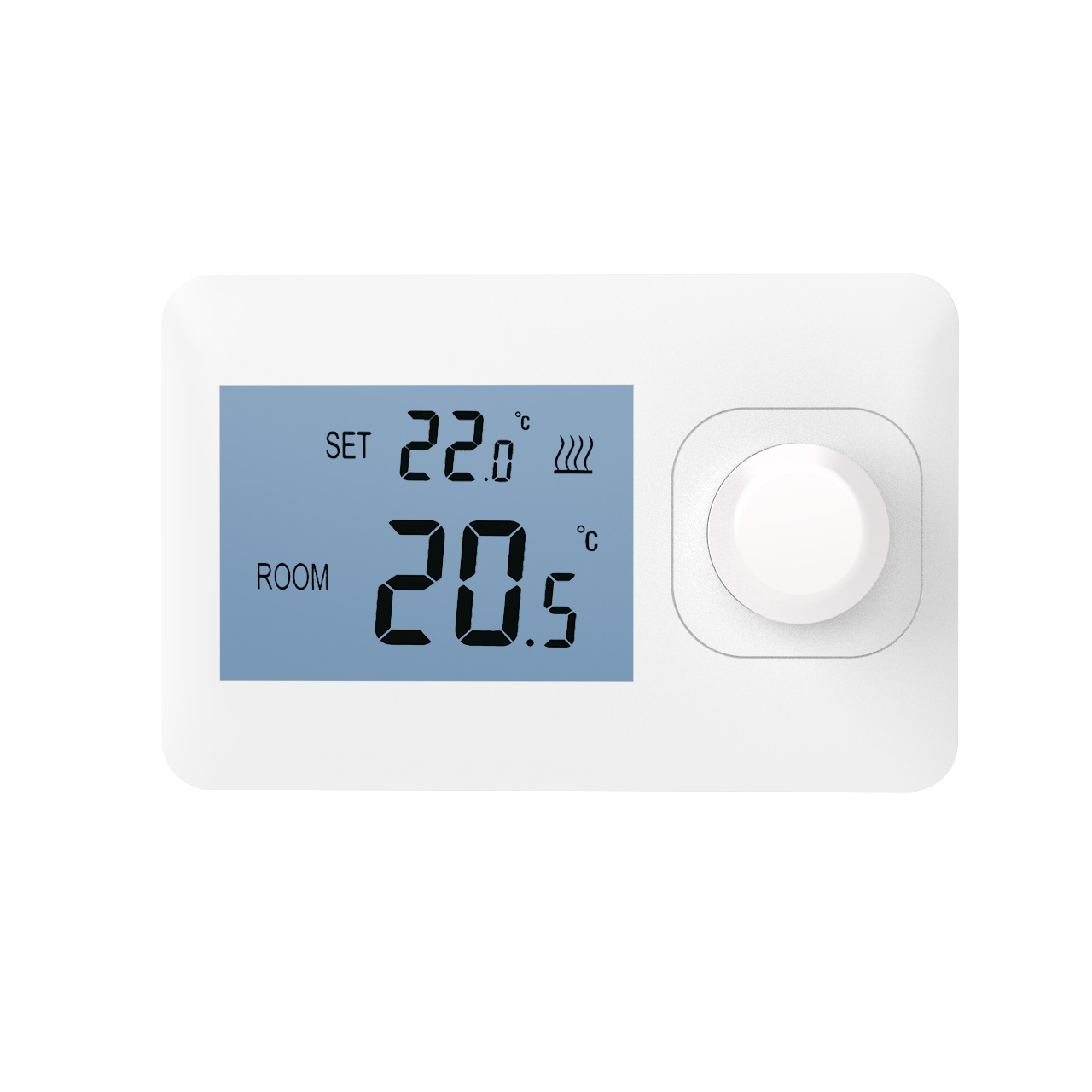

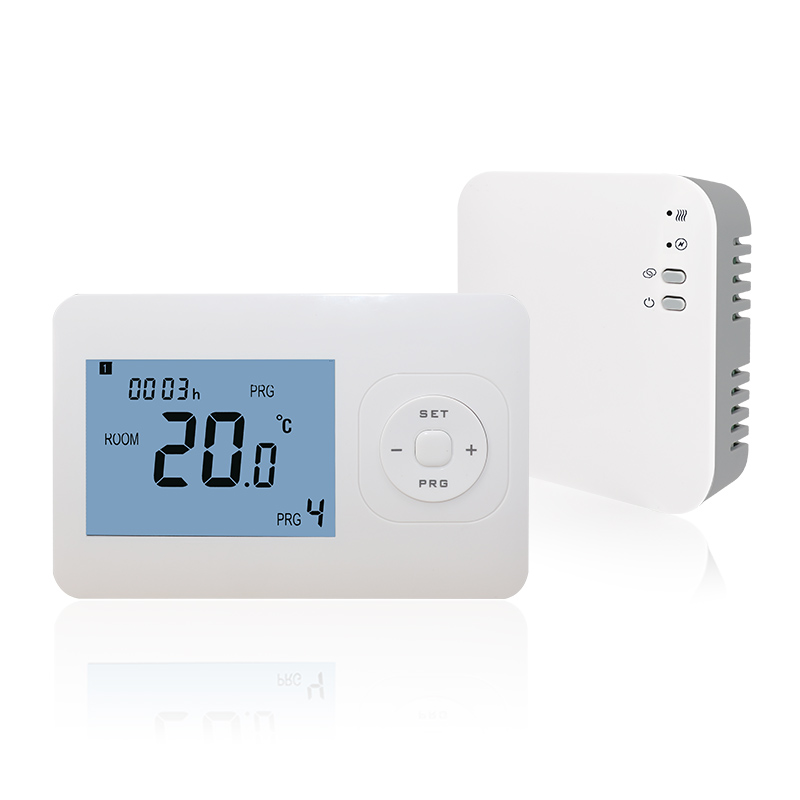
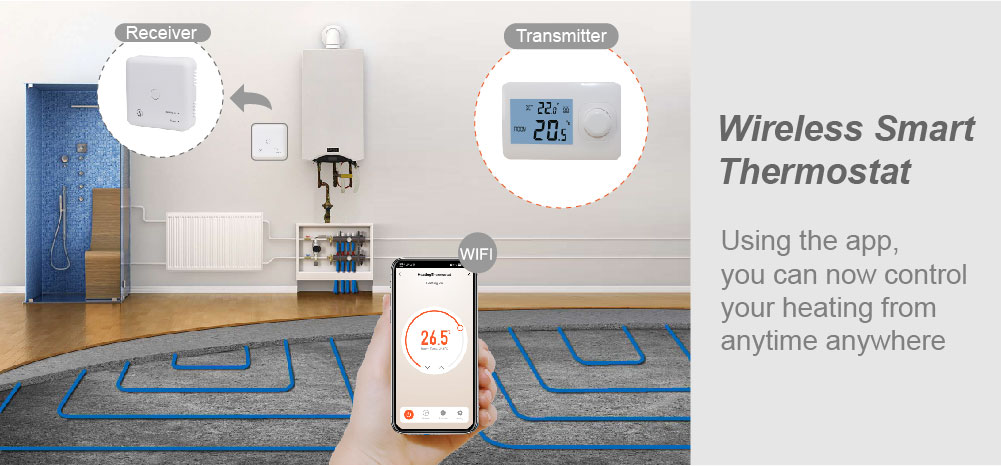
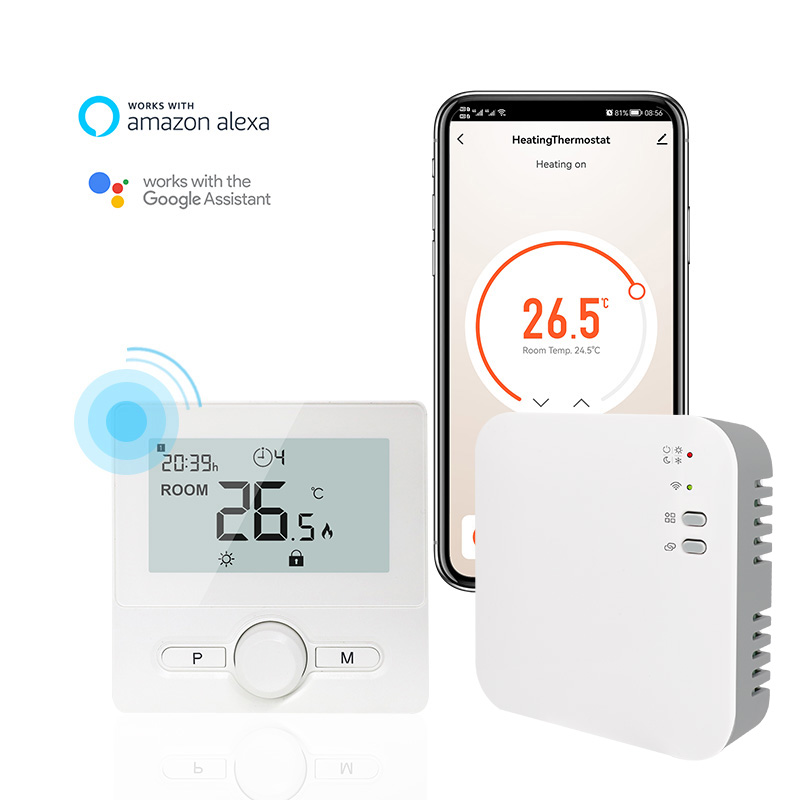
The placement of thermostats is often overlooked during home renovation, but it directly affects the later temperature control effect, ease of use, and overall aesthetics. Properly reserving a location for the thermostat during the renovation phase can not only avoid rework but also ensure smoother operation later. A scientific planning approach helps the thermostat system function stably and efficiently after moving in.
Determine the Thermostat System Type in Advance
Before reserving a location for the thermostat, it’s necessary to determine the type of thermostat system used. Different systems have different installation requirements for thermostats. For example, water-based underfloor heating, electric underfloor heating, or central air conditioning systems differ in wiring methods and installation heights. Confirming the system plan in advance helps to complete the overall planning of wiring and junction boxes before wall construction, avoiding later adjustments due to system incompatibility.
Planning the Thermostat Installation Height
The installation height of the thermostat directly affects the accuracy of temperature sensing. It is generally recommended to install the thermostat near human activity height so that the temperature it collects is closer to the actual perceived temperature. Too high or too low a position can lead to temperature measurement data deviations, thus affecting the system’s adjustment effect. Providing a suitable height during the renovation phase can reduce the difficulty of later adjustments.
The Impact of Location Selection on Temperature Control
The thermostat should be installed in an area with relatively stable temperature changes, avoiding interference from the external environment. The following factors are particularly crucial when selecting a location:
Avoid proximity to doors, windows, balconies, or areas with strong sunlight.
Keep away from kitchens, appliances, and other heat sources.
Do not install directly near ventilation openings or air conditioning outlets. A reasonable location selection helps the thermostat more accurately reflect the overall indoor temperature.
Overall Planning Based on Spatial Layout
The thermostat location should be planned in conjunction with the house’s spatial layout during the renovation phase. Living rooms, bedrooms, and other main activity areas are generally more suitable for installing thermostats, while spaces with lower usage frequency can be configured separately based on actual needs. Unified planning not only facilitates system management but also improves the overall coordination of the renovation.
Providing Power Supply and Line Interfaces
The normal operation of a thermostat depends on a stable power supply and signal connection. During the renovation and construction phase, power lines, control lines, or network cables should be pre-installed to ensure accurate interface locations. This is especially important for thermostats with smart features, where the pre-planning of wiring is crucial. Advance planning avoids secondary wall trenching and maintains the integrity of the overall design.
Balancing Aesthetics and Ease of Use
As a visible wall-mounted device, the thermostat’s location must balance aesthetics with ease of daily operation. The installation location should facilitate easy observation of display information and operation, while also harmonizing with the overall decorating style. By reserving a suitable location during the renovation phase, the thermostat can seamlessly integrate into the interior environment, rather than becoming an obtrusive presence.
Providing Space for Future Upgrades
With the development of smart homes, thermostat functions are constantly being upgraded. Properly reserving space and interfaces during the renovation phase facilitates future device replacement or functional upgrades. A well-planned, forward-thinking design can extend the lifespan of the renovation plan and reduce the costs associated with repeated construction.
Conclusion
Properly reserving space for the thermostat during the renovation phase is a crucial prerequisite for achieving a comfortable temperature control experience. By confirming the system type in advance, scientifically planning the installation height, selecting appropriate locations, and reserving necessary wiring, not only can the performance of the thermostat be improved, but the trouble caused by later modifications can also be avoided. Overall planning that combines spatial layout and aesthetic requirements helps create a more efficient, stable, and comfortable indoor temperature control environment.