
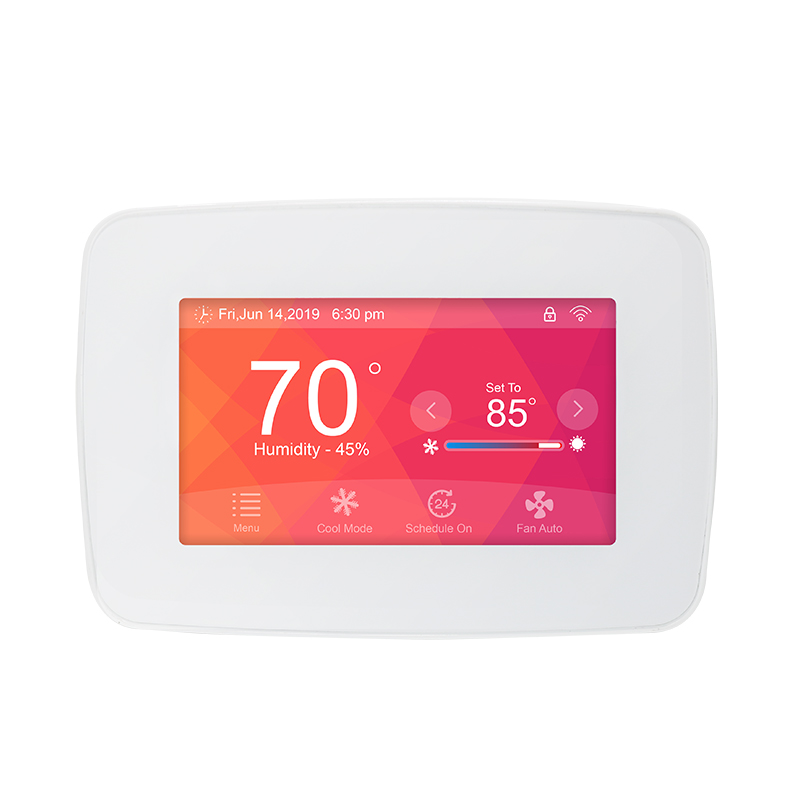
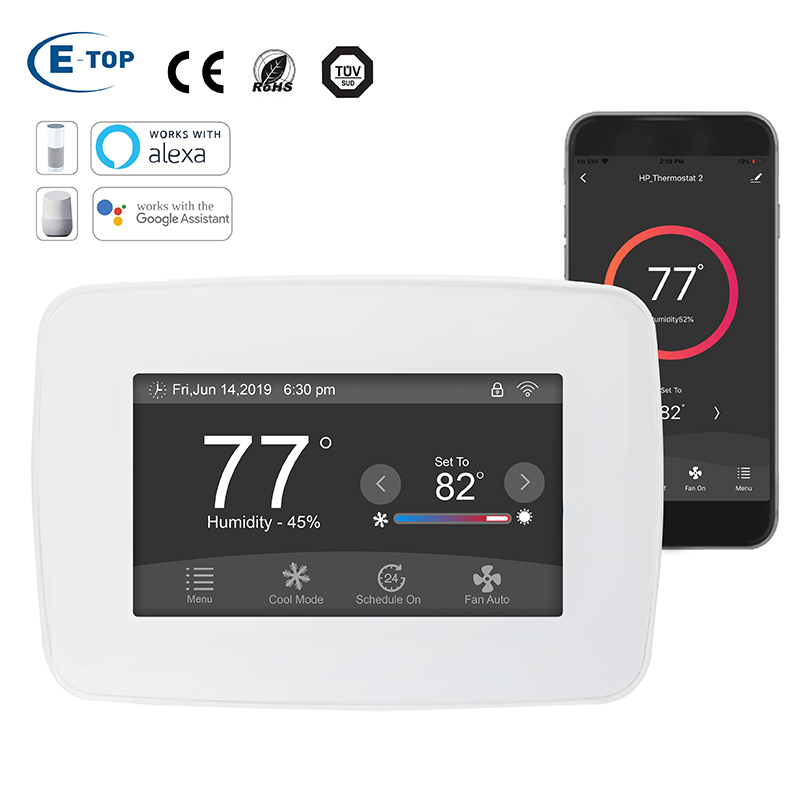
In home heating and cooling systems, thermostat settings directly affect energy consumption and comfort. A multi-stage 24V thermostat can automatically adjust indoor temperature across different times and conditions, improving energy efficiency. Proper setup not only reduces electricity and gas bills but also maintains a stable and comfortable indoor environment. Understanding how to optimize a multi-stage thermostat is key to maximizing its energy-saving potential.
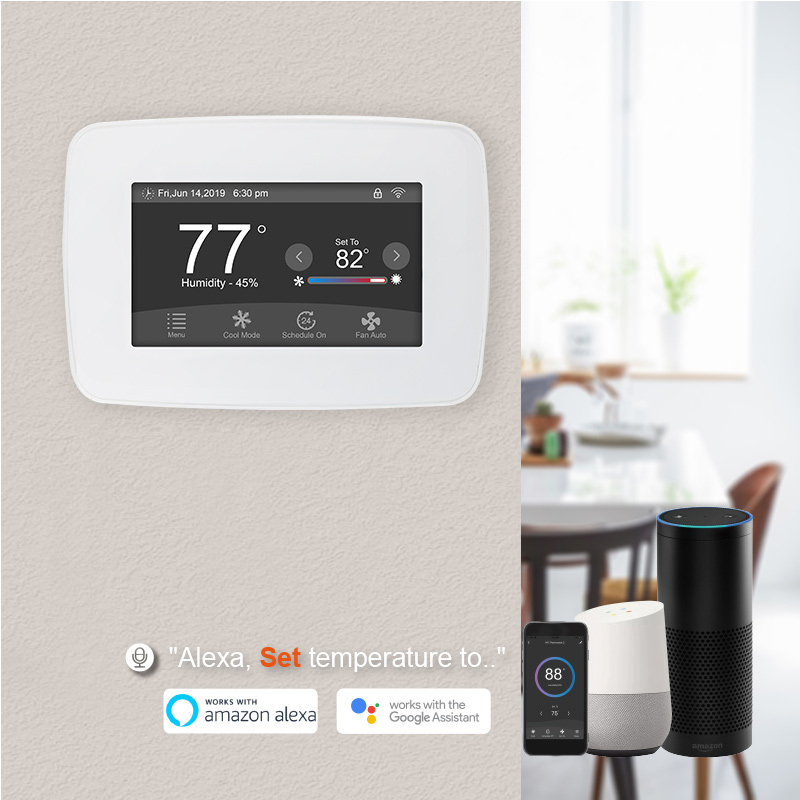
Understanding Multi-Stage Thermostats
Multi-stage thermostats typically support multiple heating or cooling levels, such as two-stage or three-stage heating systems and various cooling intensities. Unlike single-stage thermostats, multi-stage devices can select the appropriate output power according to actual needs, avoiding over-heating or over-cooling and minimizing energy waste. By setting the start and stop temperatures for each stage, the indoor temperature remains comfortable while energy use is minimized.
Scheduling Temperature Plans
Using the scheduling function of a multi-stage thermostat allows temperature to automatically adjust according to daily routines. For example, when the house is empty during the day, heating or cooling can enter an energy-saving mode with slightly higher or lower temperatures to reduce unnecessary energy use. Before returning home in the evening, the system can switch to a comfort mode so that the indoor temperature reaches the ideal level. During nighttime sleep, temperatures can be maintained slightly lower or higher to ensure comfort without wasting energy. Proper scheduling significantly improves energy efficiency.
Adjusting Stage Temperature Differentials
Temperature differentials for each heating or cooling stage greatly impact energy efficiency. For instance, the first heating stage can activate slightly below the target temperature, while the second stage starts as the temperature approaches the target, gradually reaching the desired warmth without wasting energy. Cooling systems can use the same strategy, switching stages as the temperature nears the set point to avoid frequent start-stop cycles that consume extra power. Optimizing stage differentials allows natural temperature changes while reducing energy usage.
Using Temperature Deadband or Buffer
Many multi-stage thermostats include a deadband or temperature buffer feature, allowing temperature to fluctuate within a small range without frequently activating heating or cooling. For example, setting a ±0.5°C buffer lets the system operate only when the temperature exceeds this range, reducing energy waste and minimizing wear on the equipment while maintaining comfort.
Avoiding Unnecessary High-Power Operation
Advanced features of multi-stage thermostats allow limiting the use of high-power stages. During periods when rapid heating or cooling is unnecessary, only the low-power stage is used, gradually adjusting the temperature. This prevents energy waste from high-intensity operation and extends the system’s lifespan. Consistent use of low-power stages for normal temperature control can significantly reduce long-term household energy costs.
Regular Adjustment and Optimization
Energy-saving settings are not one-time tasks. Seasonal changes, weather variations, and household routines require periodic adjustment of thermostat parameters. During summer or winter, fine-tuning the start temperatures and schedules for different stages ensures the thermostat continues to operate efficiently. Regular monitoring and optimization allow the multi-stage thermostat to reach its full energy-saving potential over time.
Conclusion
A multi-stage 24V thermostat provides precise temperature control and stage-based regulation, creating a comfortable home environment while saving energy. Setting schedules, stage differentials, and temperature buffers, combined with low-power stage usage and periodic optimization, reduces energy consumption, extends system life, and improves overall comfort. Proper use of a multi-stage thermostat not only lowers electricity and gas bills but also delivers an environmentally friendly, efficient temperature control experience, making it an ideal choice for modern households seeking better energy efficiency.