
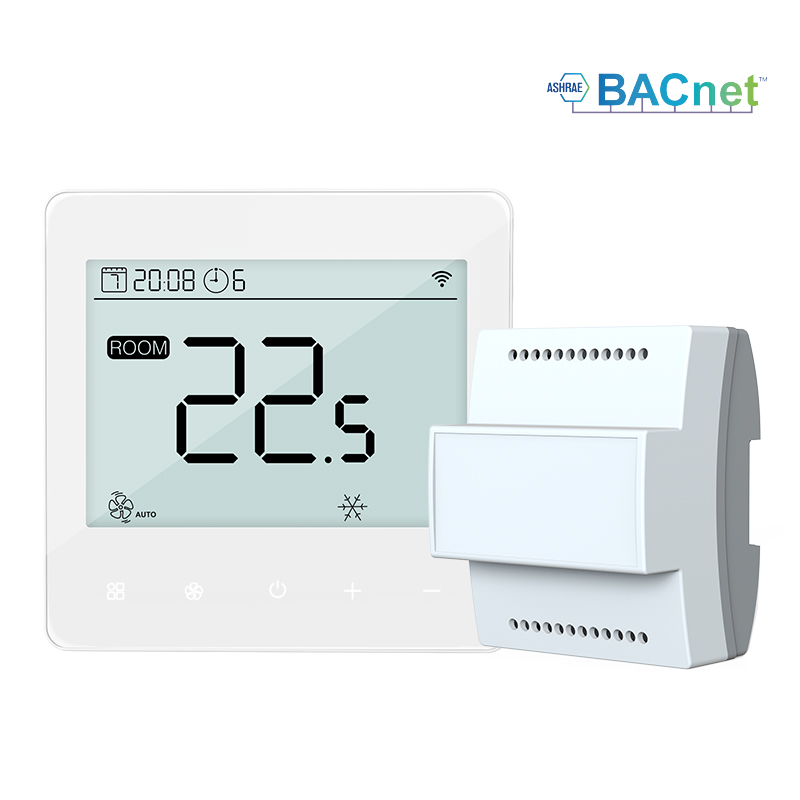
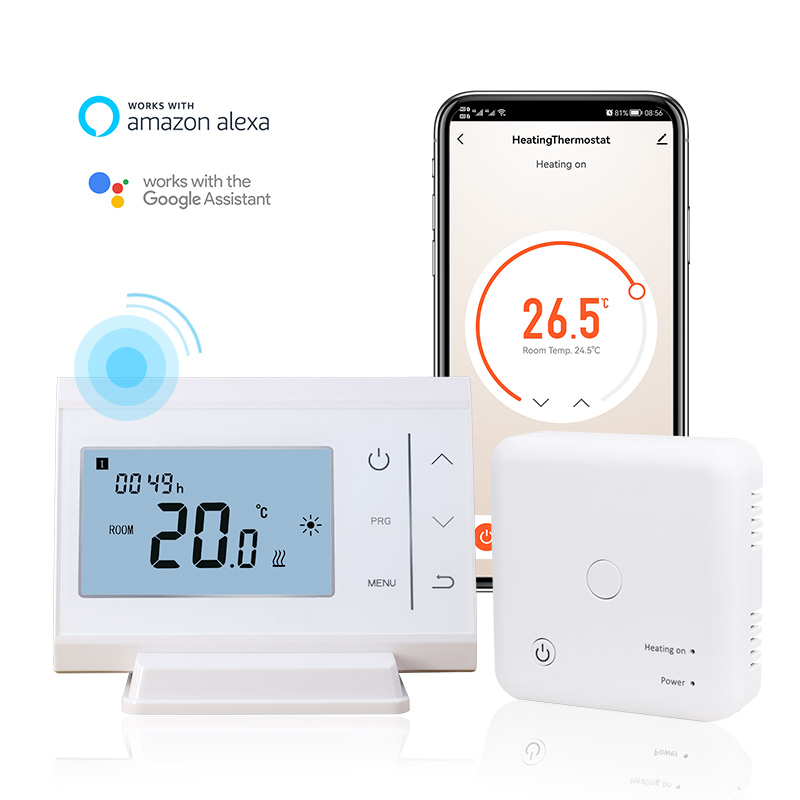
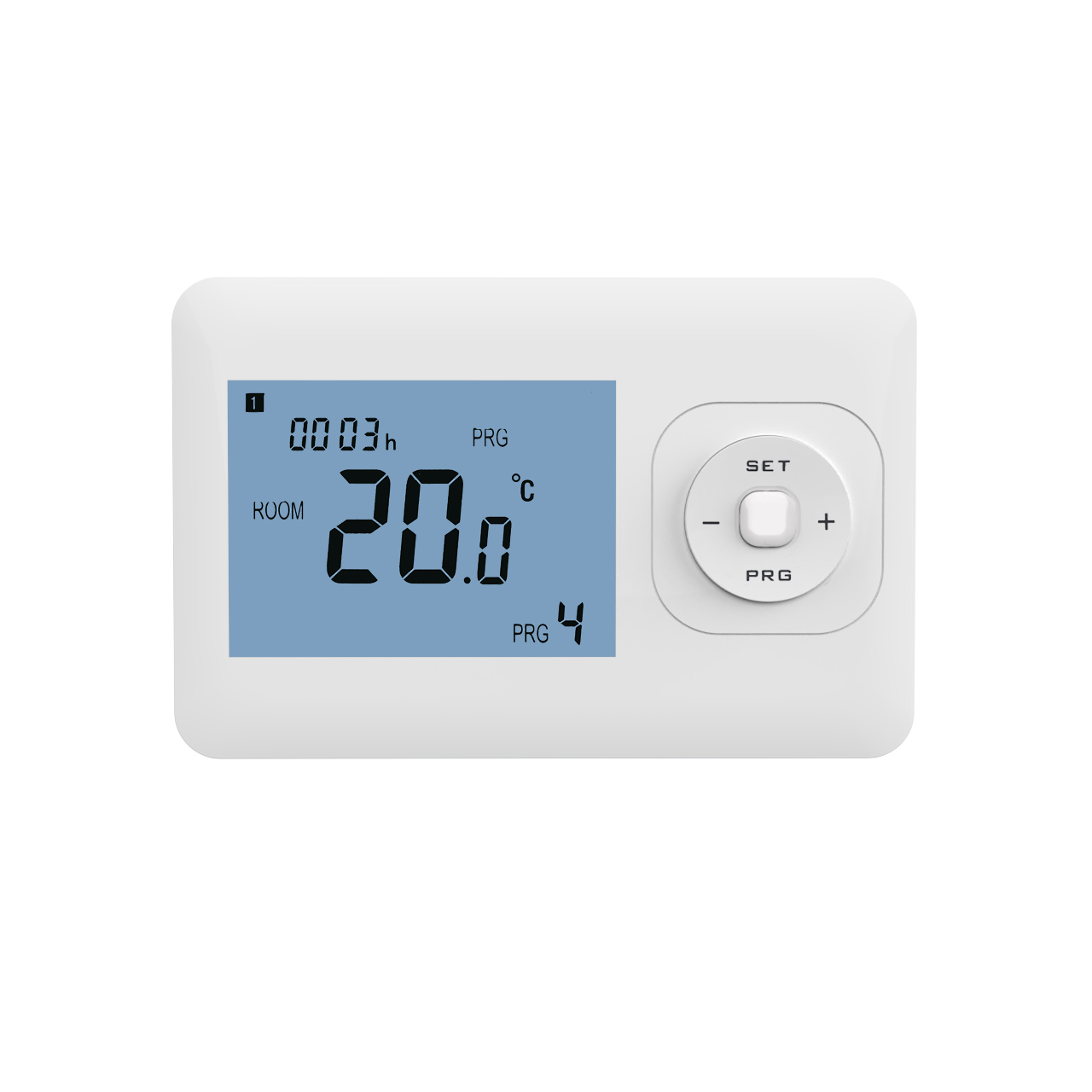
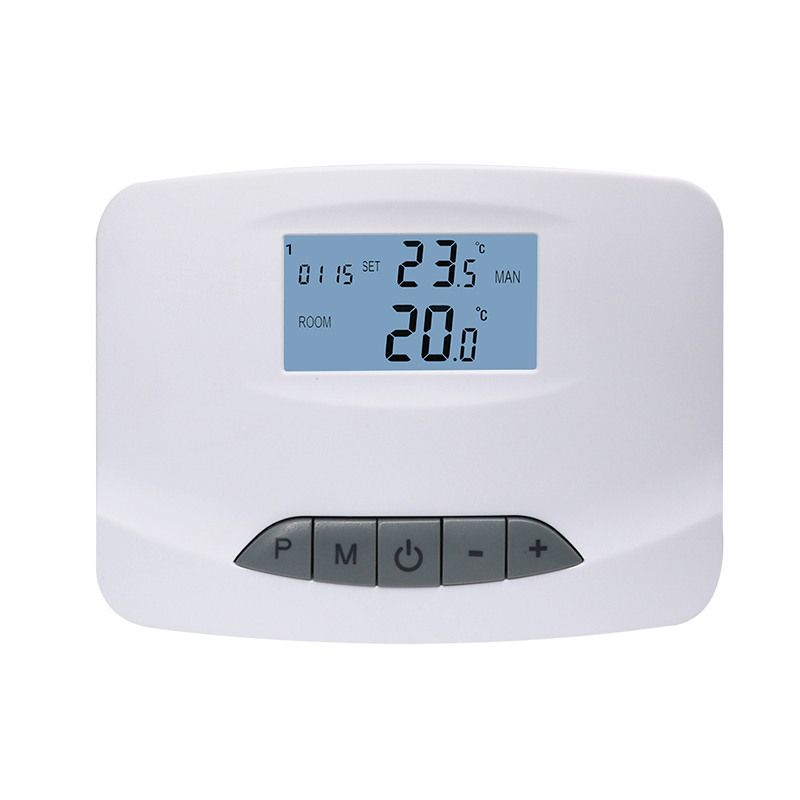
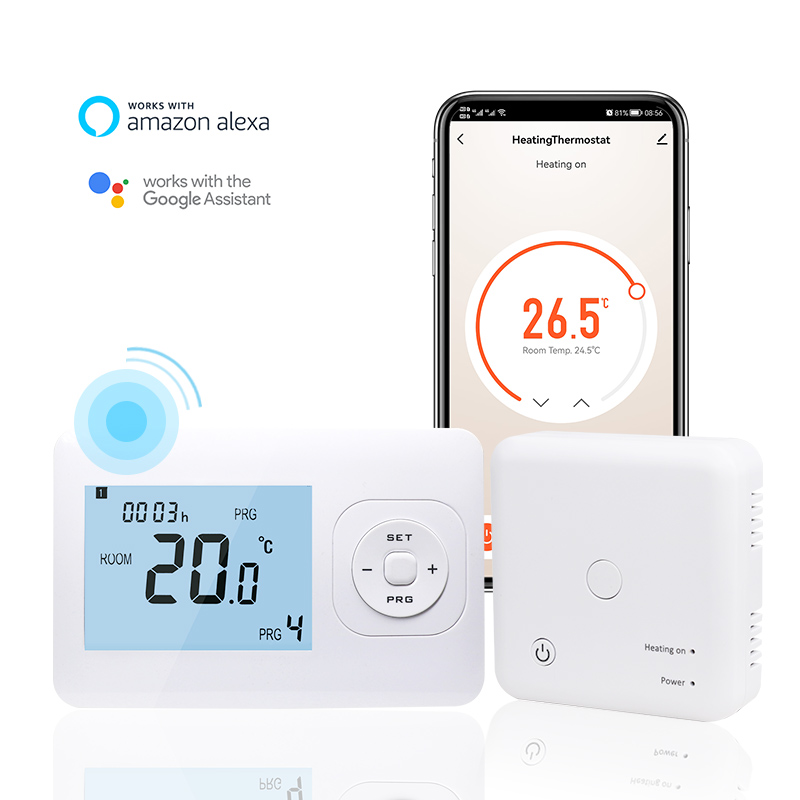
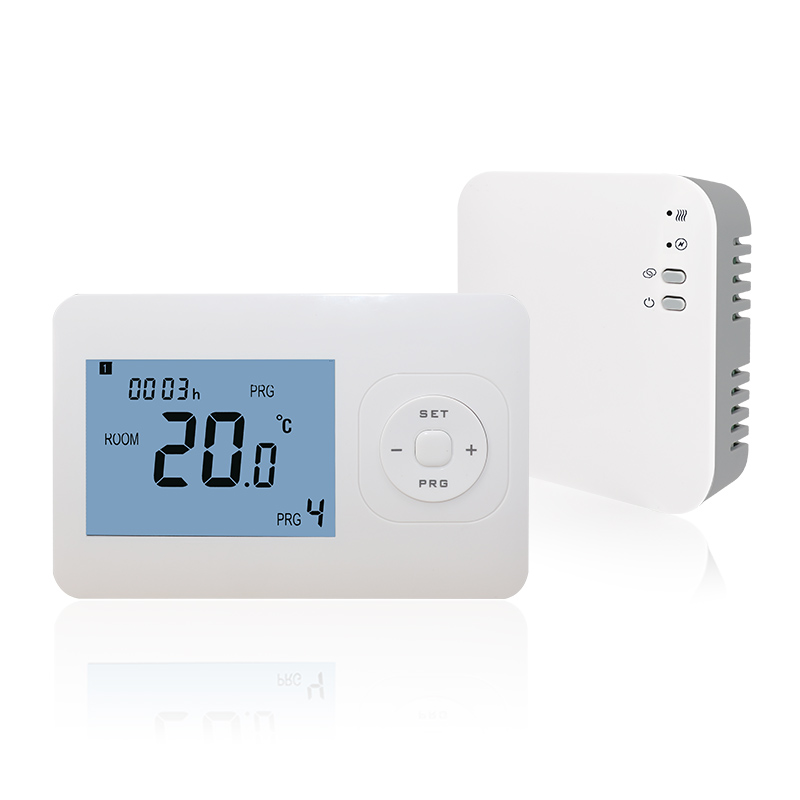
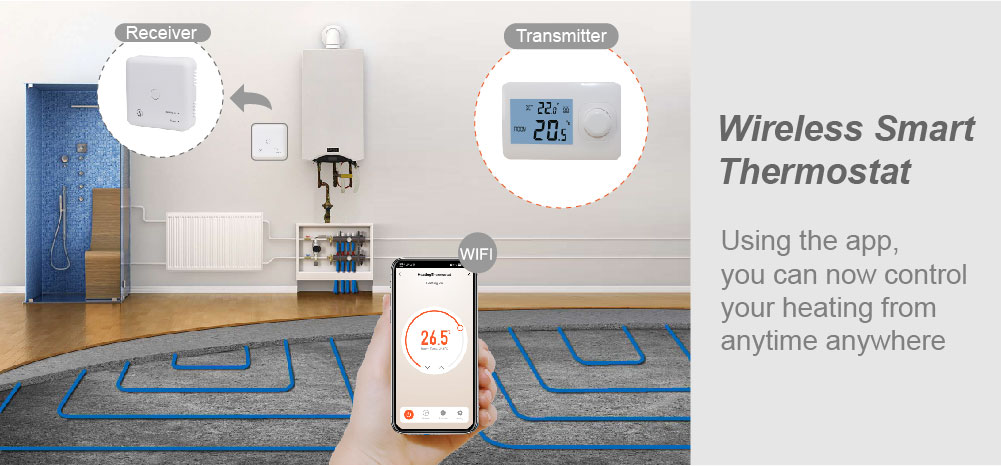
With the development of smart homes, modern electric floor heating systems are often equipped with a smart mode that automatically adjusts heating based on environmental temperature and user habits. Compared to traditional manual or timer modes, smart mode can maintain comfort while managing energy efficiently. However, many users are unsure how to set it up properly. This article explains step-by-step how to configure smart mode and offers practical tips for maximizing its benefits.
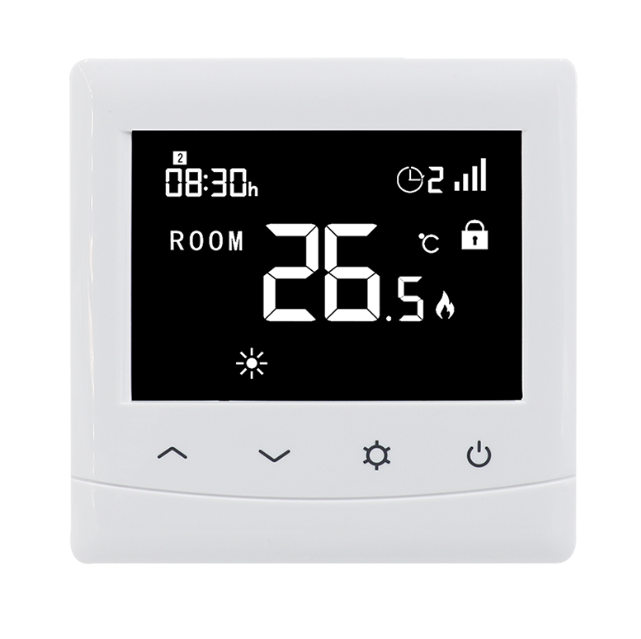
Understanding How Smart Mode Works
The smart mode of an electric floor heating thermostat uses sensor data and algorithm control to automatically determine indoor temperature changes and heating needs. It adjusts output power and heating cycles accordingly. For example, when the room temperature approaches the set point, the thermostat reduces power or switches to intermittent heating, preventing overheating and unnecessary energy consumption.
Some smart thermostats can also learn user routines and habits, predicting heating needs in advance. This allows the system to preheat the room so that it reaches a comfortable temperature before waking up or returning home, achieving “intelligent preheating.”
Basic Steps to Set Smart Mode
1. Set the Desired Indoor Temperature
The first step is to set a reasonable target temperature. Adjust it based on room type and season. Typically, living areas or active zones are set to 20–22°C (68–72°F), while bedrooms or rest areas can be slightly lower at 16–18°C (61–64°F). Proper temperature settings help the smart mode precisely control heating power for both comfort and energy efficiency.
2. Select the Smart Mode Function
Most modern thermostats provide a “Smart Mode” option in the mode selection menu. Once selected, the system automatically enables environmental sensing and dynamic adjustment without requiring manual control of heating cycles.
3. Configure Schedules or Timed Settings
Smart mode usually supports schedule-based operation. Users can define different temperature strategies for daytime, nighttime, and away periods. The system automatically adjusts heating power according to these time blocks, maintaining comfort during active hours while reducing energy consumption during rest or absence.
4. Adjust Sensitivity or Learning Parameters
Some advanced smart thermostats allow users to adjust temperature sensor sensitivity or enable a learning feature. Higher sensitivity makes the thermostat respond faster to temperature changes. Learning functions optimize heating strategies based on user habits, reducing unnecessary energy use.
5. Ensure Sensors Are Properly Positioned
Smart mode relies on accurate temperature feedback from the thermostat sensor. To ensure reliable operation, install the thermostat in a location away from heat sources or air vents, and avoid covering or obstructing the sensor.
Tips for Using Smart Mode Effectively
Avoid frequent manual adjustments: Constant changes can interfere with the algorithm and reduce efficiency.
Regularly check system performance: Ensure sensors are clean and wiring connections are safe.
Combine with energy-saving mode: Activate energy-saving settings during absence or nighttime for further power reduction.
Practical Benefits of Smart Mode
Proper use of smart mode allows users to enjoy automatic temperature control, maintained comfort, and energy savings. It reduces manual adjustments, improves system efficiency, extends equipment life, and lowers electricity costs.
Conclusion
The smart mode of electric floor heating thermostats offers a convenient and efficient temperature control solution for modern homes. By mastering target temperature settings, scheduling, sensitivity adjustment, and sensor maintenance, users can easily balance comfort and energy efficiency.
Using smart mode correctly ensures stable indoor temperatures while maximizing the intelligent features of the floor heating system, providing a modern, energy-efficient, and comfortable winter heating experience.