
With the advancement of smart buildings and building automation, fan coil unit (FCU) thermostats are evolving not only in temperature control precision but also in human-machine interface (HMI) design. Modern buildings demand comfort, convenience, and energy efficiency, driving thermostats to optimize interface design, interaction experience, and visualization capabilities. This article explores the main HMI design trends in FCU thermostats and their practical value.
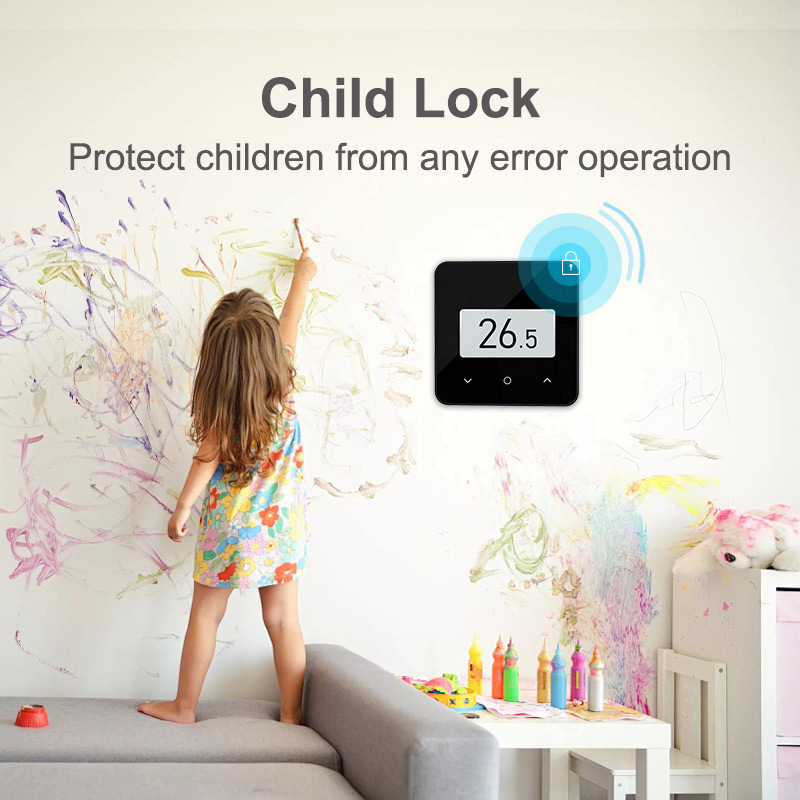
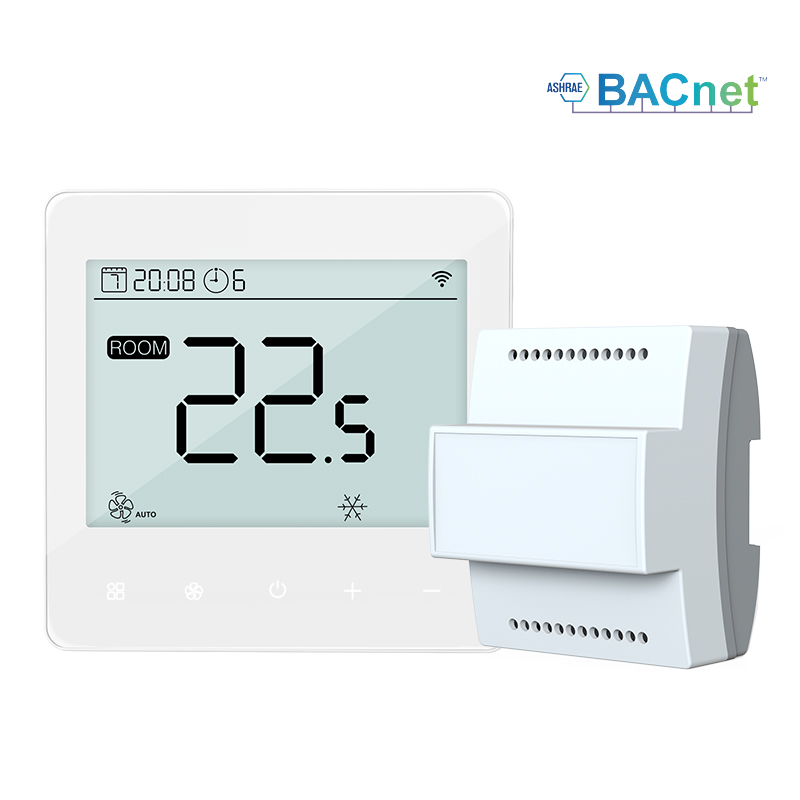
Smart Touch Interfaces Replacing Traditional Buttons
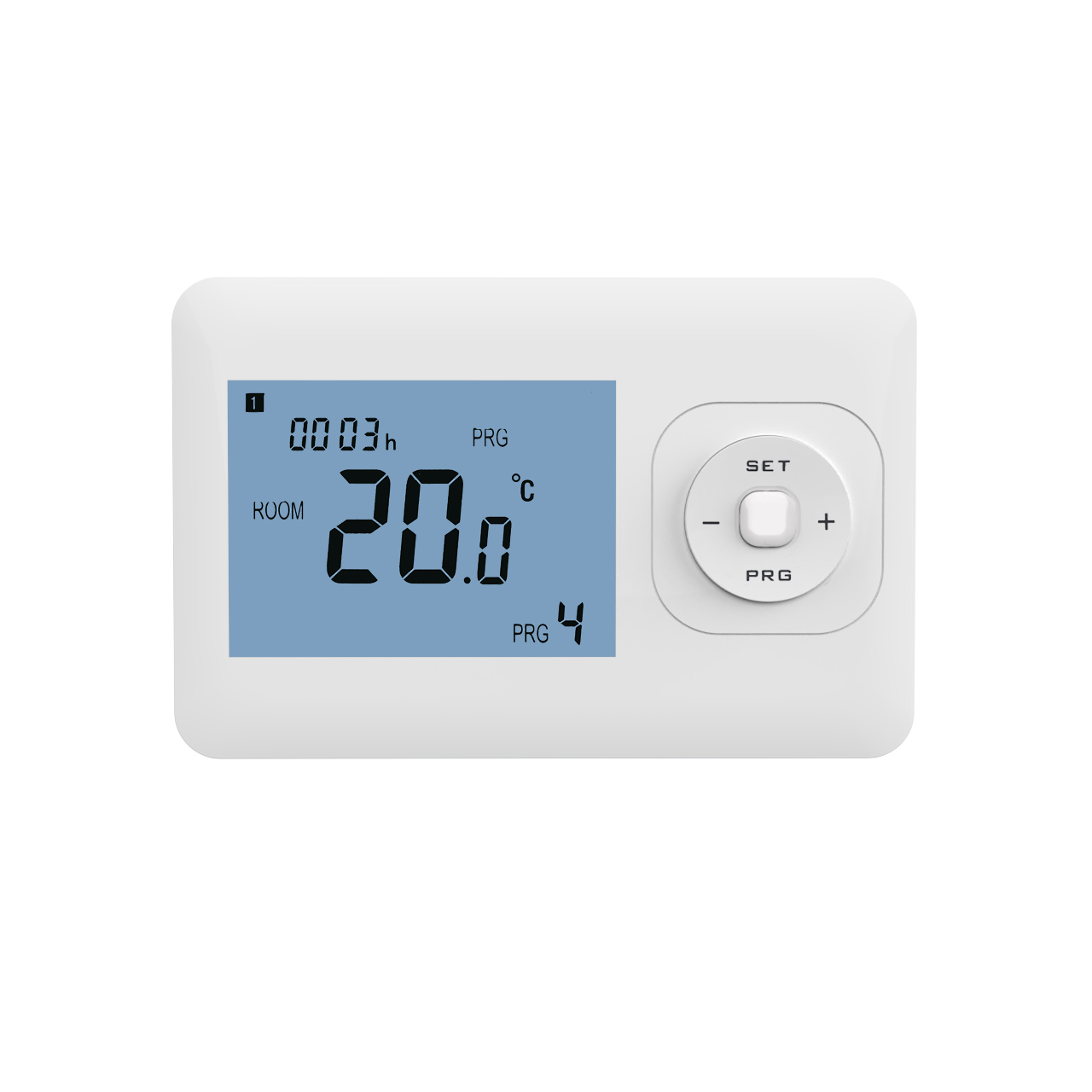
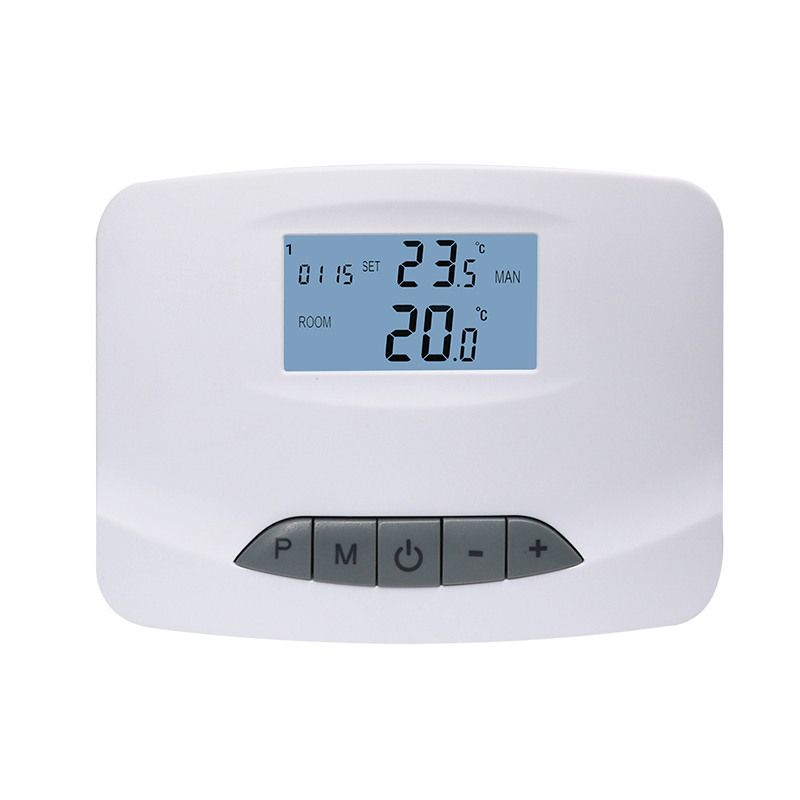
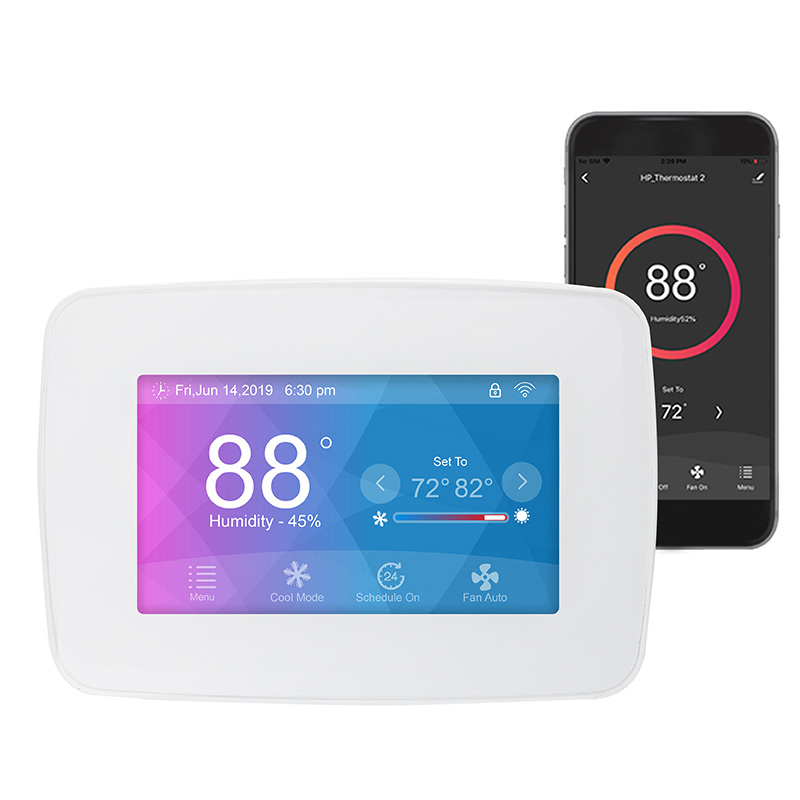
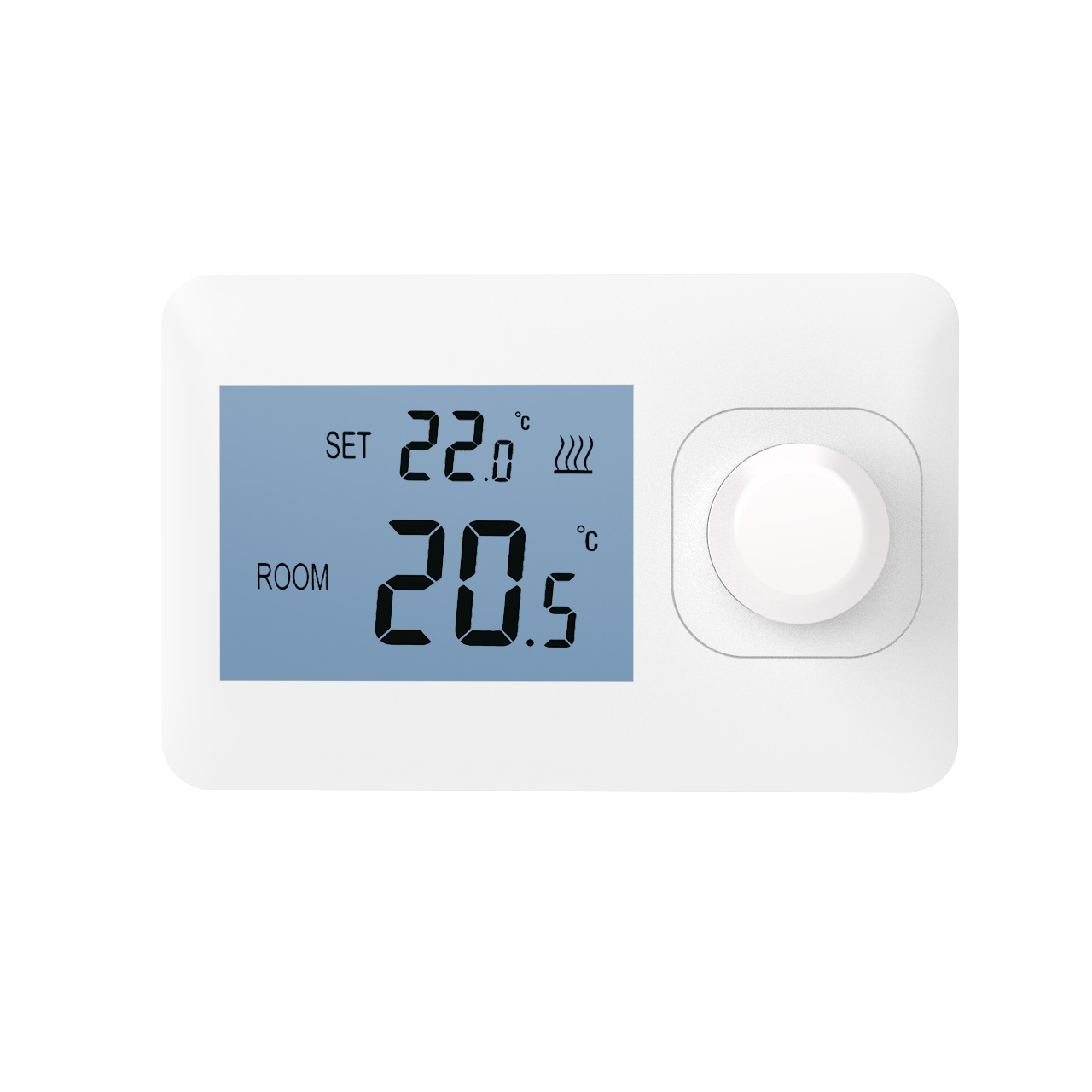
Traditional FCU thermostats primarily use mechanical knobs or buttons to adjust temperature and fan speed. While intuitive, this method limits functionality. Modern digital thermostats commonly adopt touchscreen interfaces, offering several advantages:
Ease of operation: Users can set temperature, fan speed, or modes directly via taps or swipes.
Integrated functions: Temperature, fan speed, mode switching, and scheduling can all be managed from a single interface, reducing complexity.
Modern aesthetics: Clean, visually clear interfaces align with contemporary smart building design.
Touchscreen adoption enhances the user experience and lays the groundwork for further smart features.
Visualized Information for Faster Decision-Making
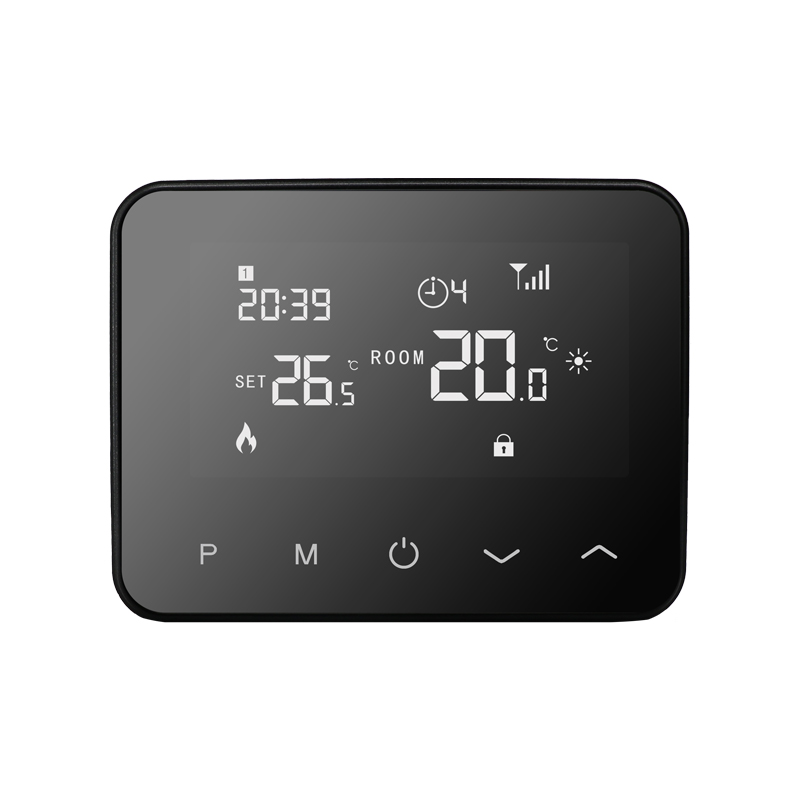
Digital thermostats can display temperature, fan speed, mode status, and fault alerts clearly on the screen, allowing users to understand system conditions at a glance. Some high-end models also provide real-time energy consumption and indoor air quality indicators, helping users optimize comfort and energy efficiency through informed adjustments.
Mobile Integration and Remote Control
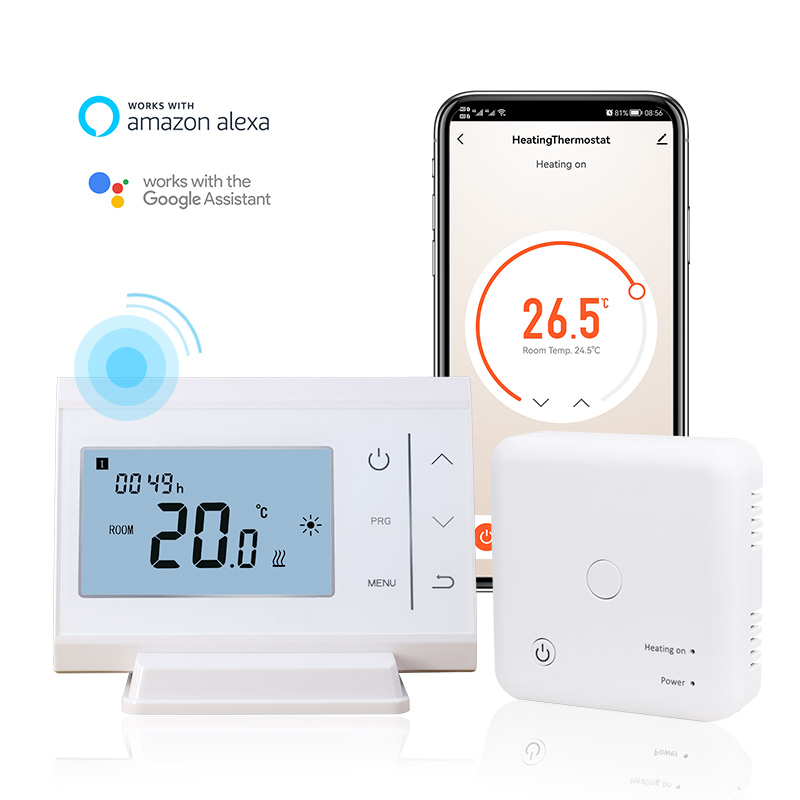
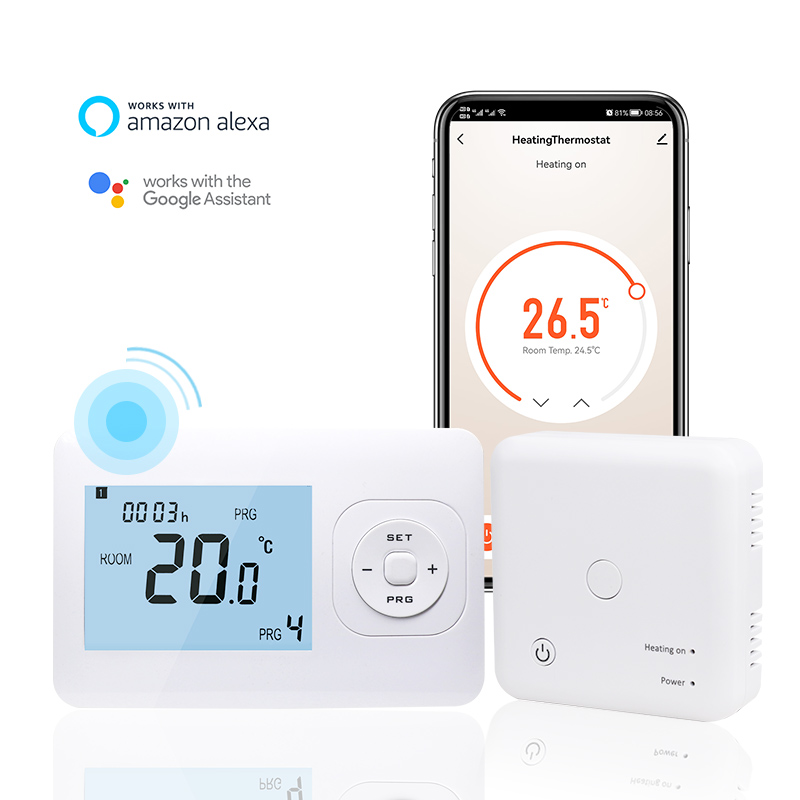
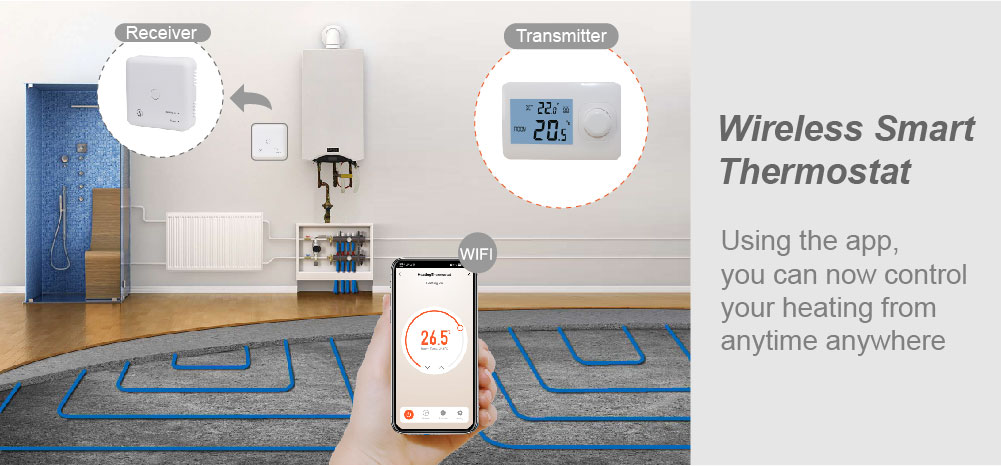
With the growth of IoT technology, FCU thermostats are increasingly integrated with mobile and remote control. Users can adjust settings through smartphones or tablets, enabling:
Remote temperature and mode control
Pre-set schedules and timers
Real-time monitoring of indoor temperature and device status
Mobile-based interaction allows users to manage indoor environments anytime, anywhere, offering flexible solutions for offices, hotels, and high-end residences.
Personalization and Intelligent Features
Modern thermostats enhance the human-machine interaction experience with intelligent features, such as:
Adaptive learning: Thermostats automatically optimize control strategies based on user habits and indoor temperature changes.
Multi-user modes: Supports multiple users’ preferences in homes or office environments.
Voice control compatibility: Some models integrate with voice assistants for hands-free operation.
These upgrades make thermostat operation more intelligent and personalized, meeting diverse user needs.
Conclusion
The human-machine interface of FCU thermostats is trending toward touchscreen operation, visualization, mobile integration, and intelligent personalization. Touch interfaces simplify operation, visualized information enables quick decision-making, remote control enhances flexibility, and smart features allow individualized management. As smart buildings and energy efficiency demands continue to grow, these HMI upgrades not only improve user experience but also optimize energy management, delivering greater comfort and operational value for modern building projects.