
With the rise of green building practices and energy efficiency standards, fan coil and floor heating heat pump systems are becoming increasingly popular in residential, commercial, and office buildings. This system integrates heat pump technology with fan coil terminals and floor heating circuits to provide year-round cooling, heating, and domestic hot water. Proper installation is crucial for operational efficiency, comfort, and long-term energy savings.
System Overview
A typical fan coil and floor heating heat pump system consists of:
Heat Pump Unit: The core energy source for heating and cooling.
Fan Coil Terminals: Use water and a fan to provide rapid temperature adjustments.
Floor Heating Terminals: Deliver even radiant heat through the floor for comfort.
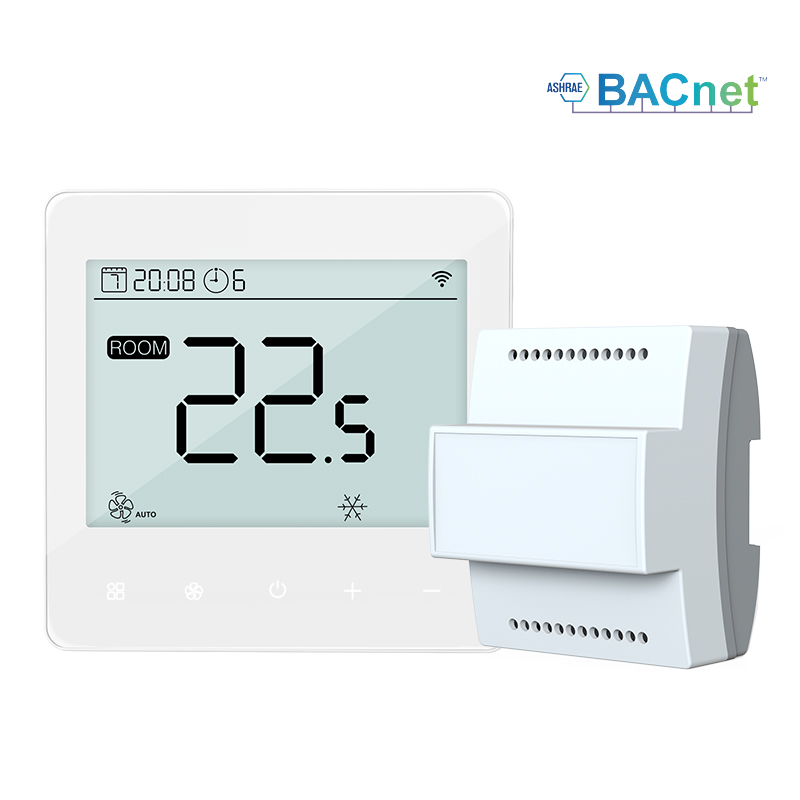
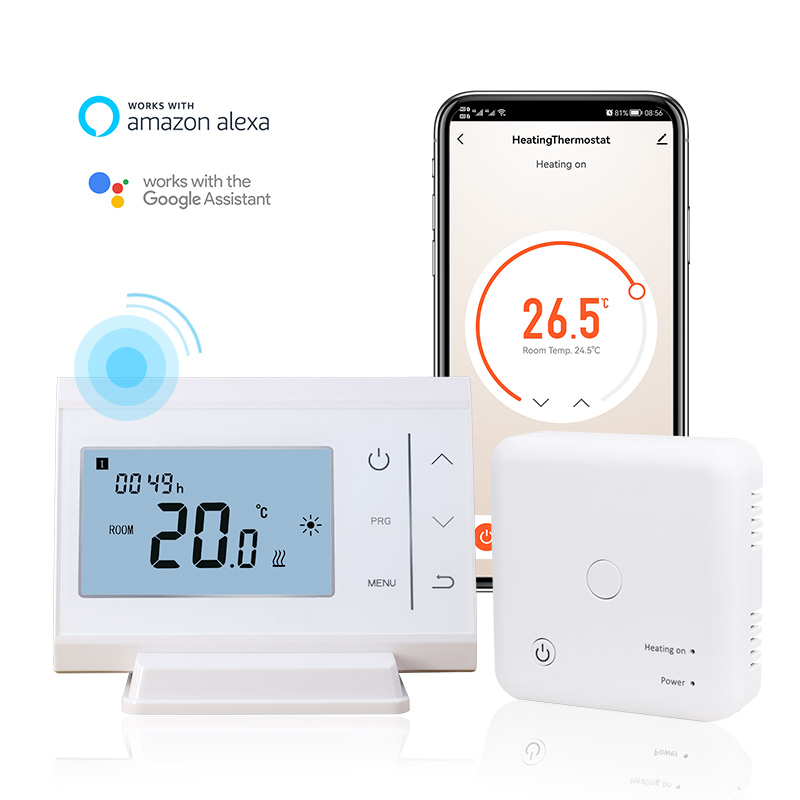
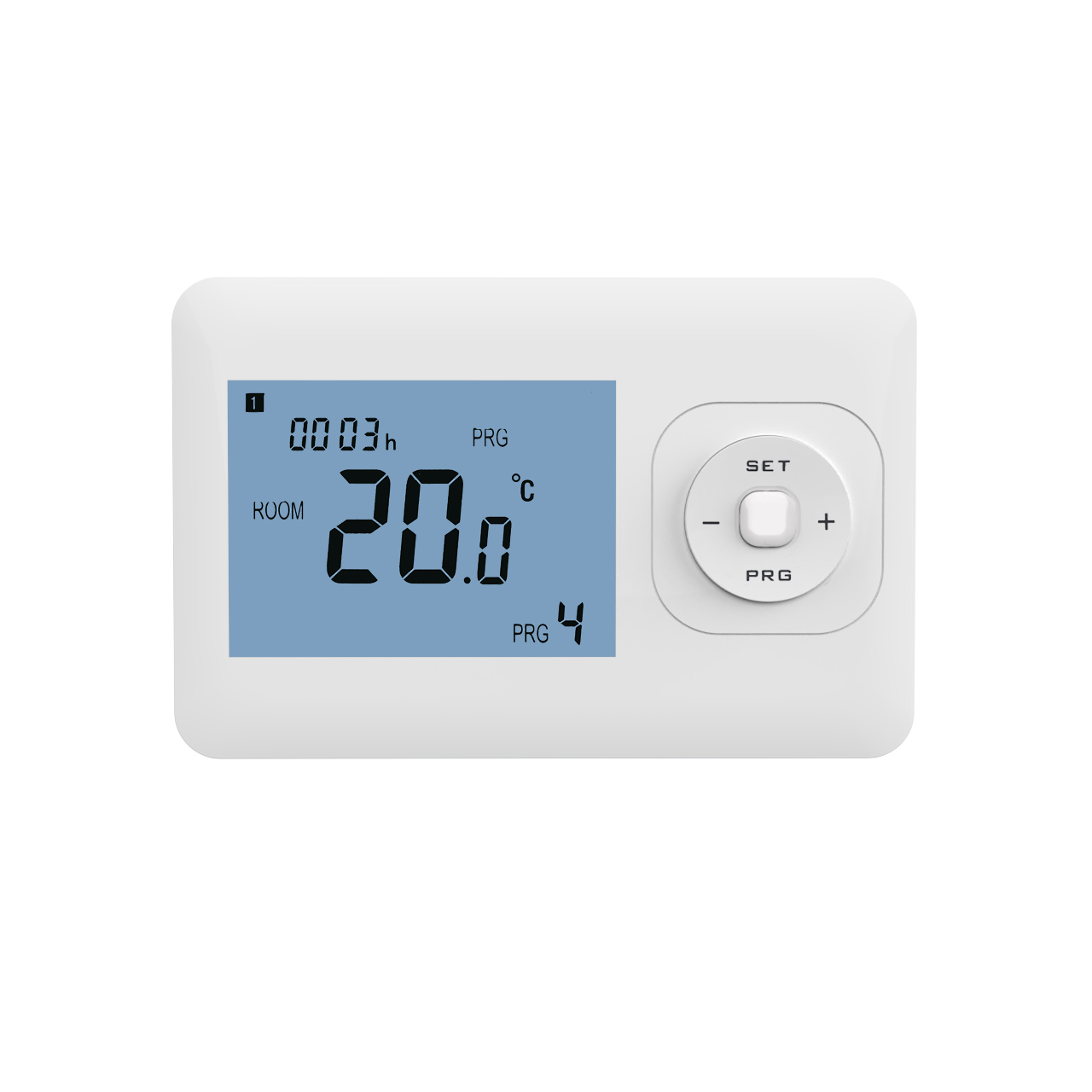
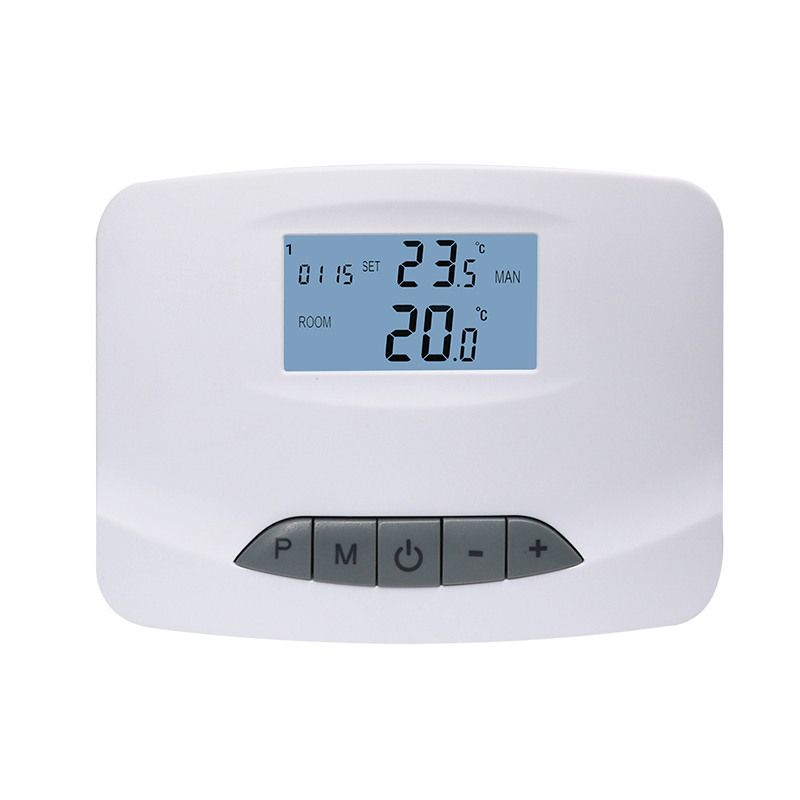
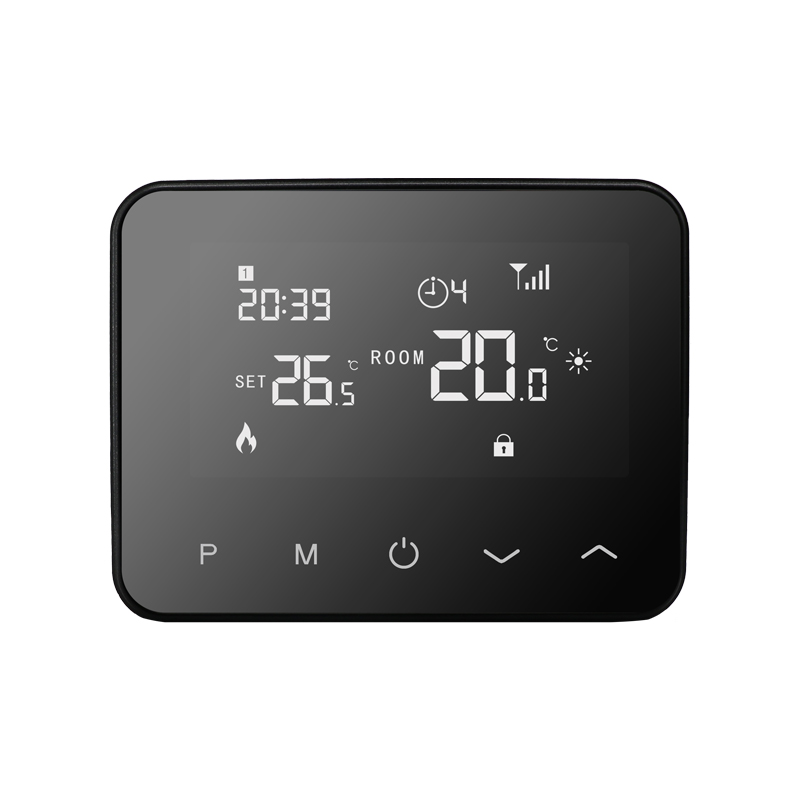
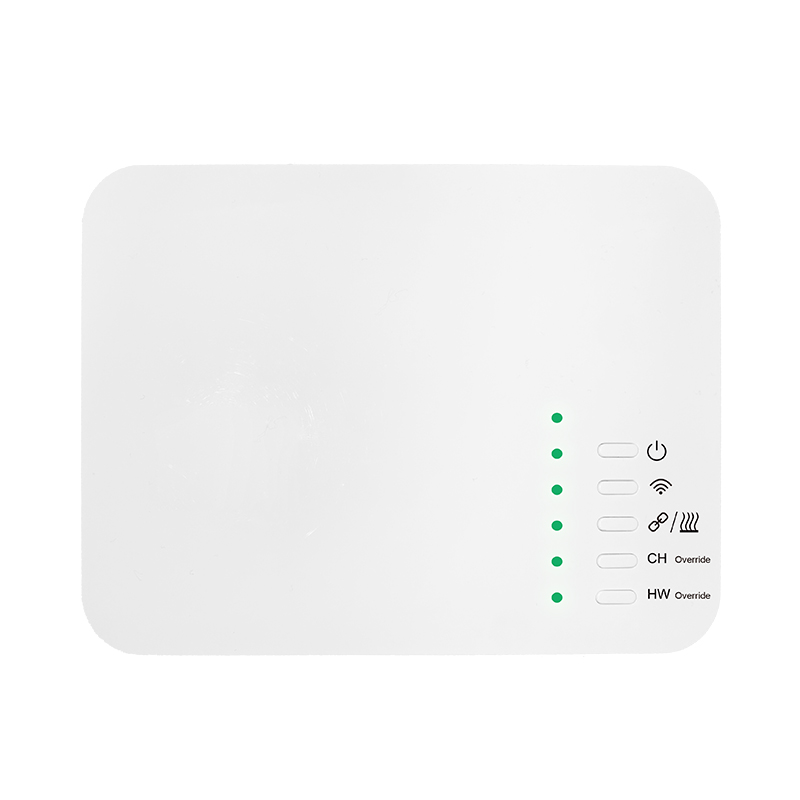
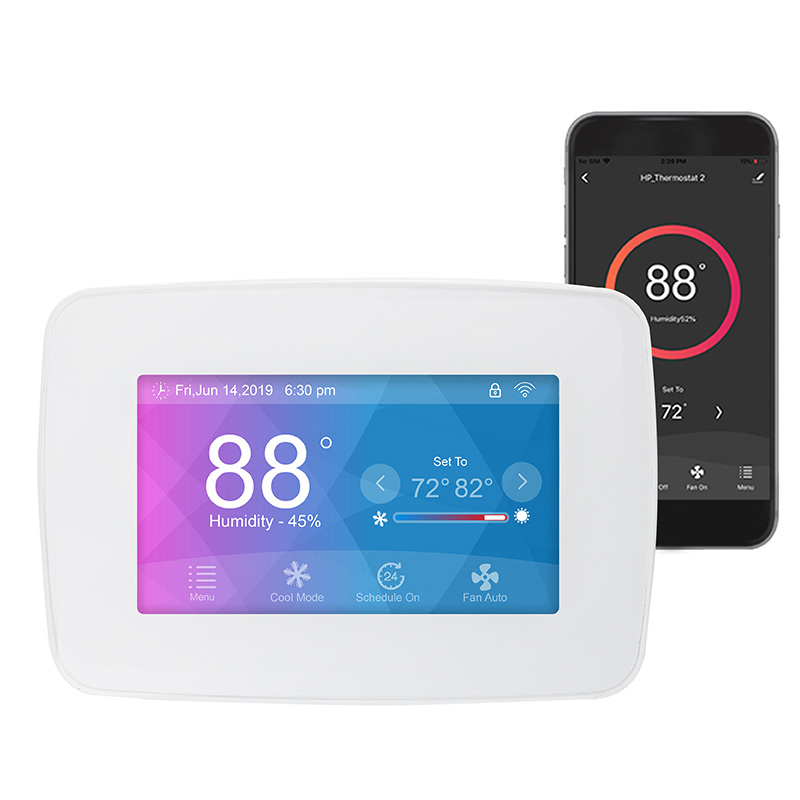
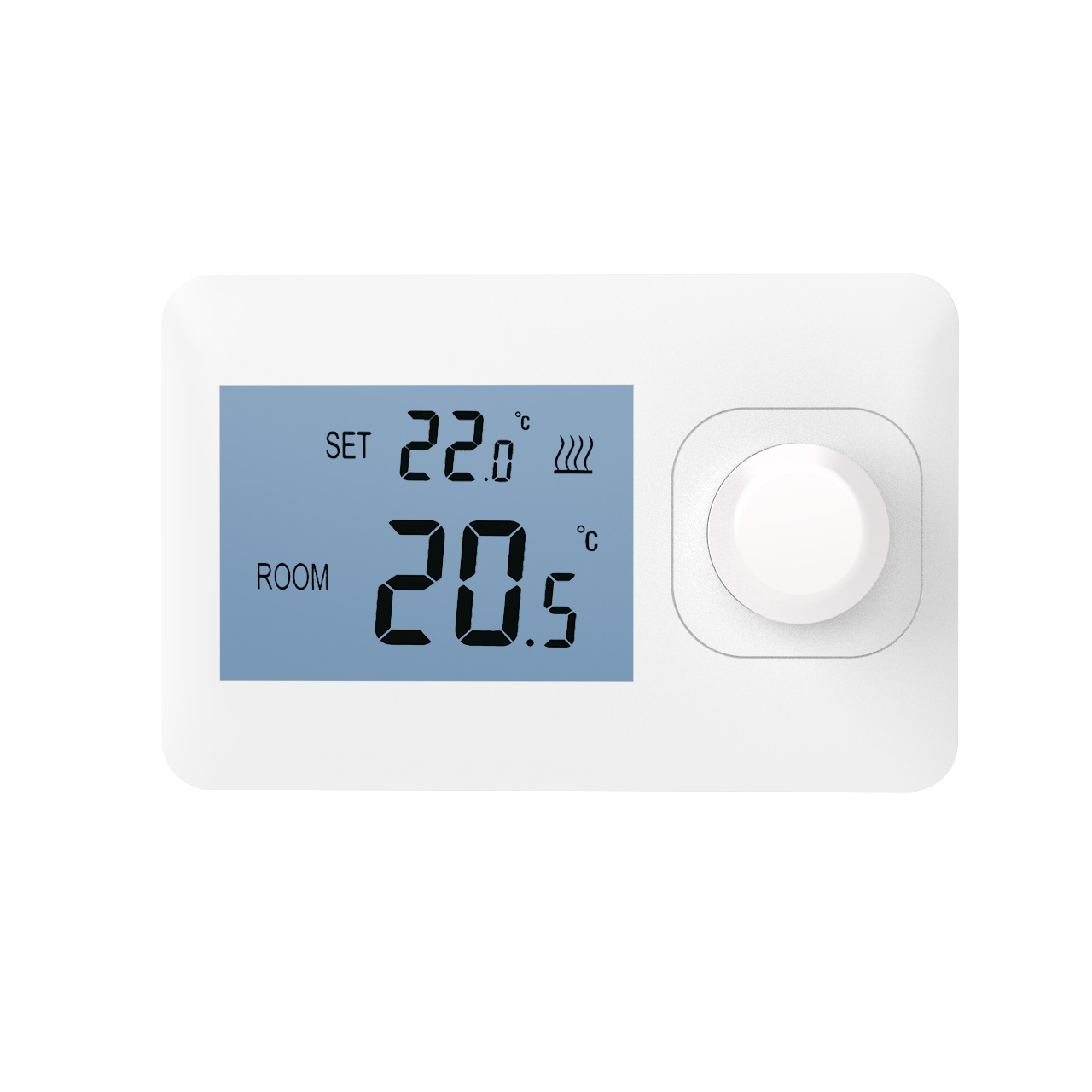
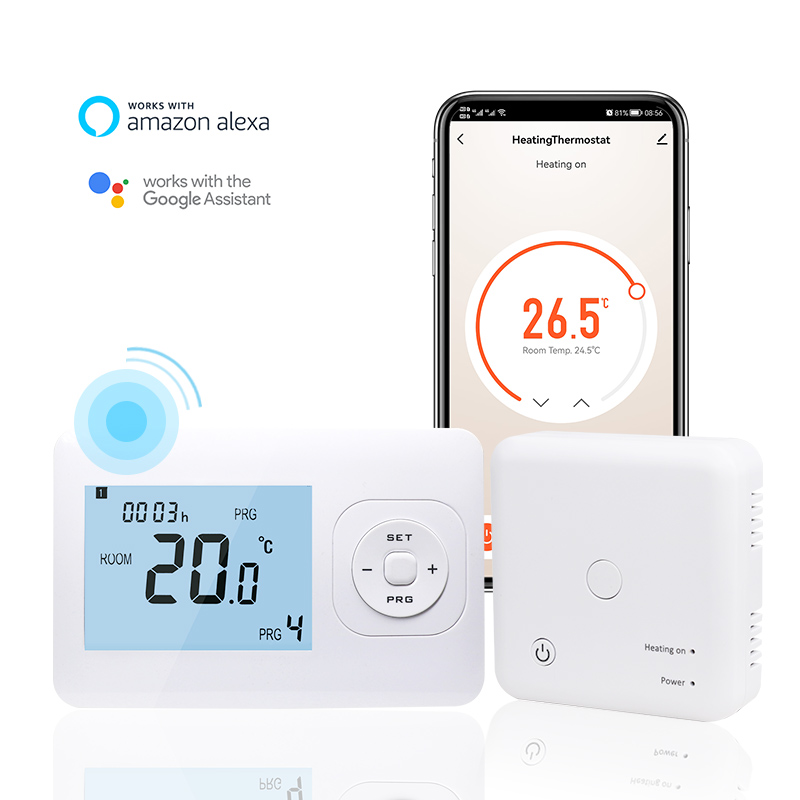
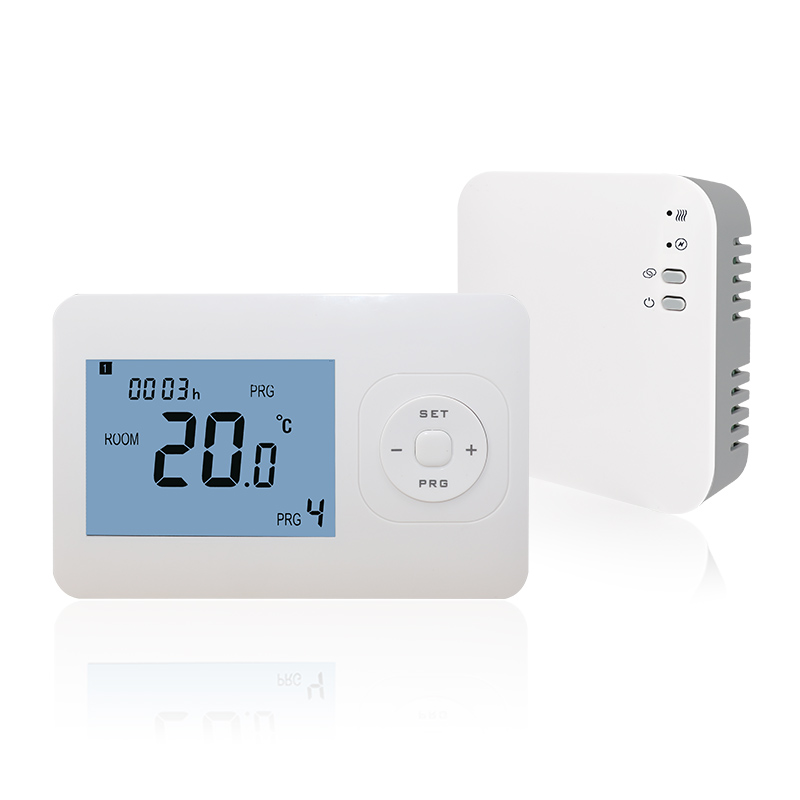
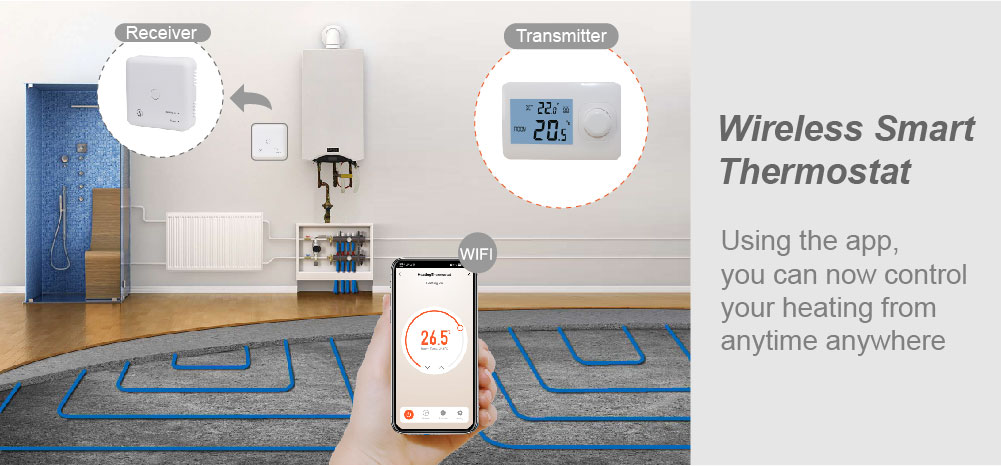
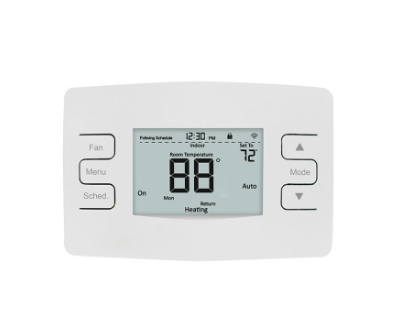
Controllers and Valves: Manage temperature, mode switching, and smart operation.
Understanding the system components helps optimize layout and ensures efficient overall performance.
Pre-Installation Design Preparation
Before installation, thorough planning is required:
Load Calculation: Determine cooling and heating capacity based on building size, ceiling height, and heat loss.
Pipe Layout Design: Plan fan coil water pipes and floor heating circuits for balanced flow.
Terminal Placement: Fan coils can be ceiling- or wall-mounted; floor heating pipes should be embedded under the floor for comfort and aesthetics.
Control System Planning: Decide on zoning, scheduling, and intelligent controls for energy efficiency.
Proper preparation reduces construction errors and improves installation efficiency.
Installation Steps
Installing a fan coil and floor heating heat pump system typically involves:
Heat Pump Unit Installation: Place the unit in a well-ventilated, easily accessible location; secure it and connect power according to safety standards.
Terminal Installation: Install fan coils according to design plans, ensuring clear airflow; embed and fix floor heating pipes to prevent shifting.
Pipe Connection and Sealing: Connect the fan coil and floor heating water circuits to the heat pump; use professional materials to ensure leak-proof and pressure-resistant connections.
Controller Installation: Mount thermostats, valves, and sensors in designated positions, ensuring stable signal and power connections.
System Flushing and Pressure Testing: Flush the pipes, remove air, and conduct pressure tests to ensure no leaks and smooth water flow.
System Commissioning: Power on and check the operation of all terminals, temperature response, and control accuracy to ensure performance meets design requirements.
Installation Considerations
During installation, pay attention to:
Avoid placing fan coils in direct sunlight or blocked locations to ensure proper heat exchange.
Prevent excessive bending of floor heating pipes to maintain smooth water flow.
Apply proper insulation to piping to reduce heat loss and improve efficiency.
Install controllers and sensors in dry, interference-free locations for stable operation.
Attention to these details ensures long-term system stability.
System Optimization Tips
To maximize performance and comfort, consider:
Zoned Control: Set temperature zones based on room usage to provide heating or cooling as needed.
Scheduled Operation: Use timers according to seasonal and occupancy patterns to save energy.
Regular Maintenance: Clean fan coils, check pipes, and inspect the heat pump to extend system lifespan.
Proper design, installation, and maintenance guarantee a highly efficient, comfortable, and energy-saving indoor environment.
The fan coil and floor heating heat pump system is a modern, efficient solution for heating and cooling in residential and commercial buildings. Quality installation directly affects system performance and user experience. Through careful design, professional installation, and proper commissioning, the system can provide rapid temperature control, even floor heating, and energy efficiency year-round. This makes it an ideal choice for green, energy-saving, and comfortable indoor environments.