
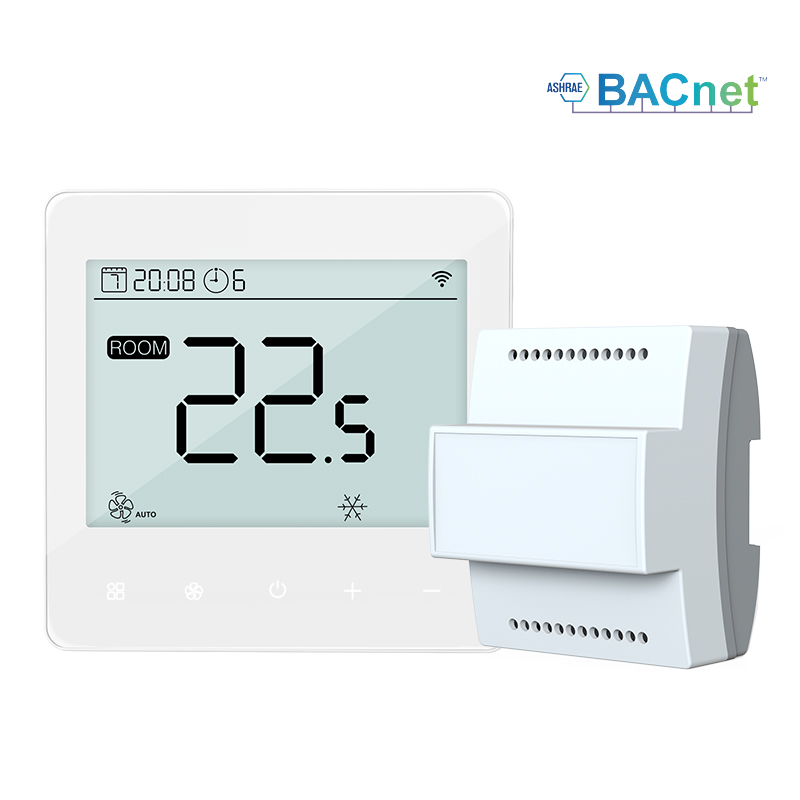
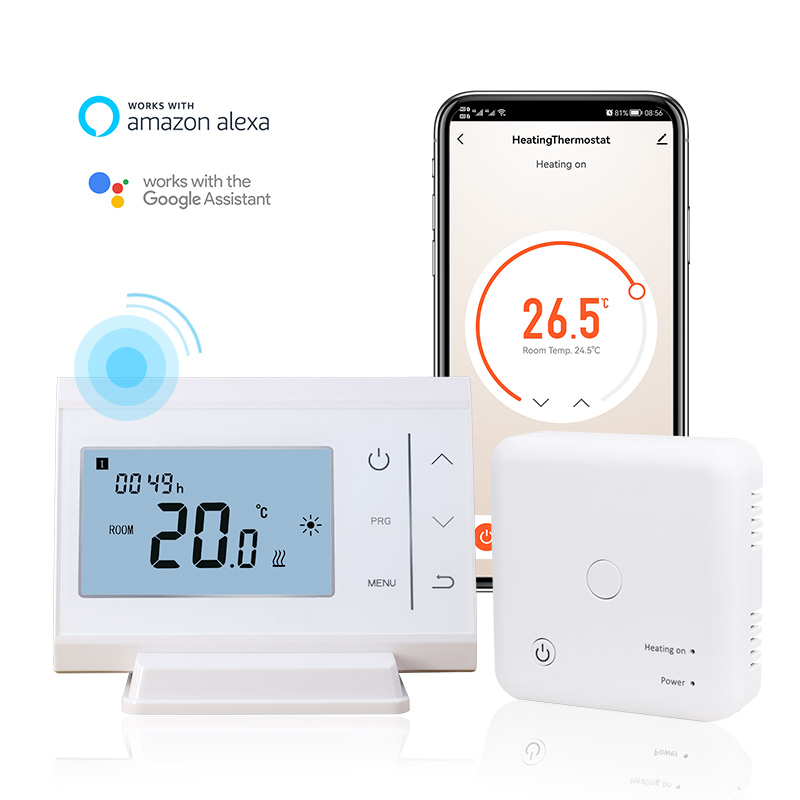
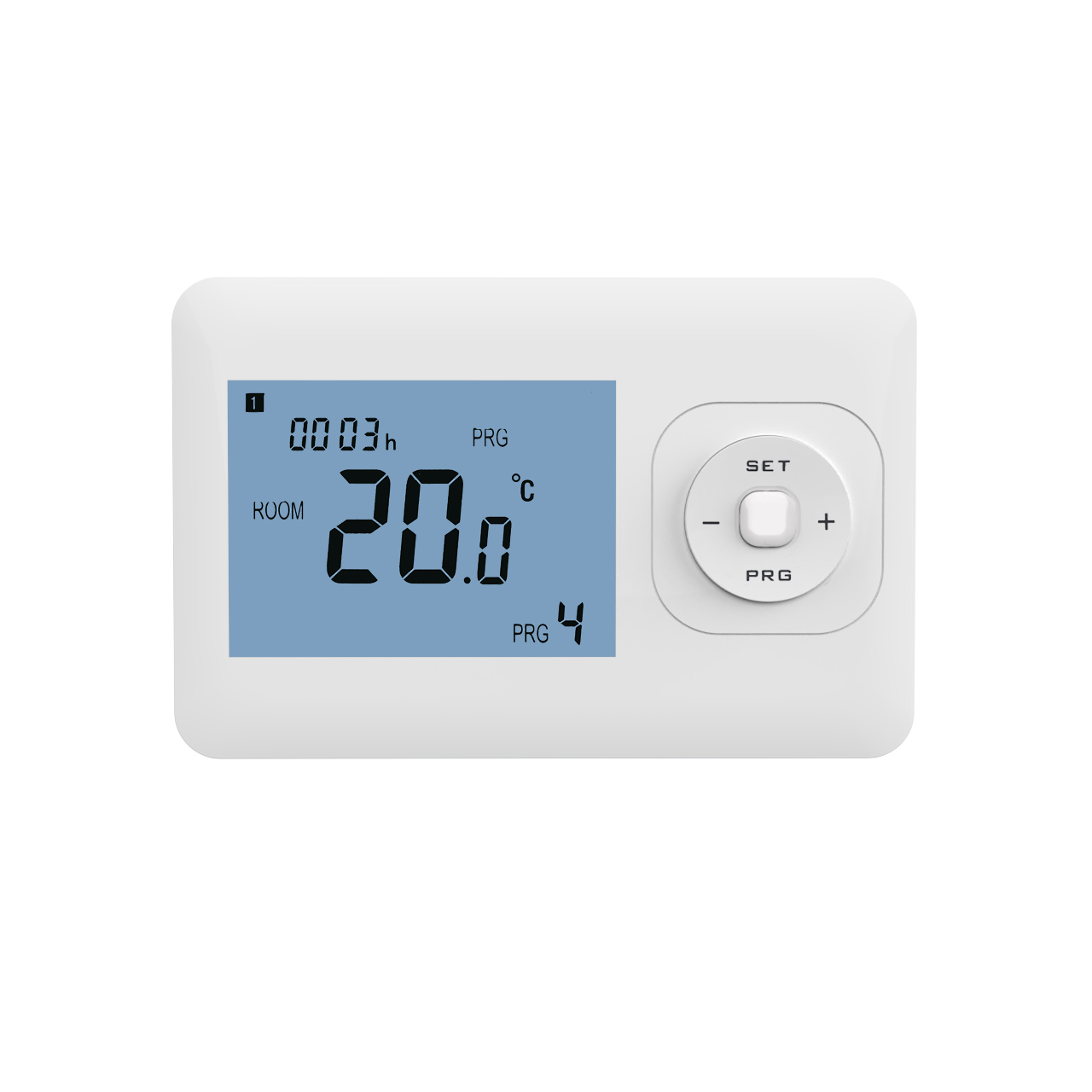
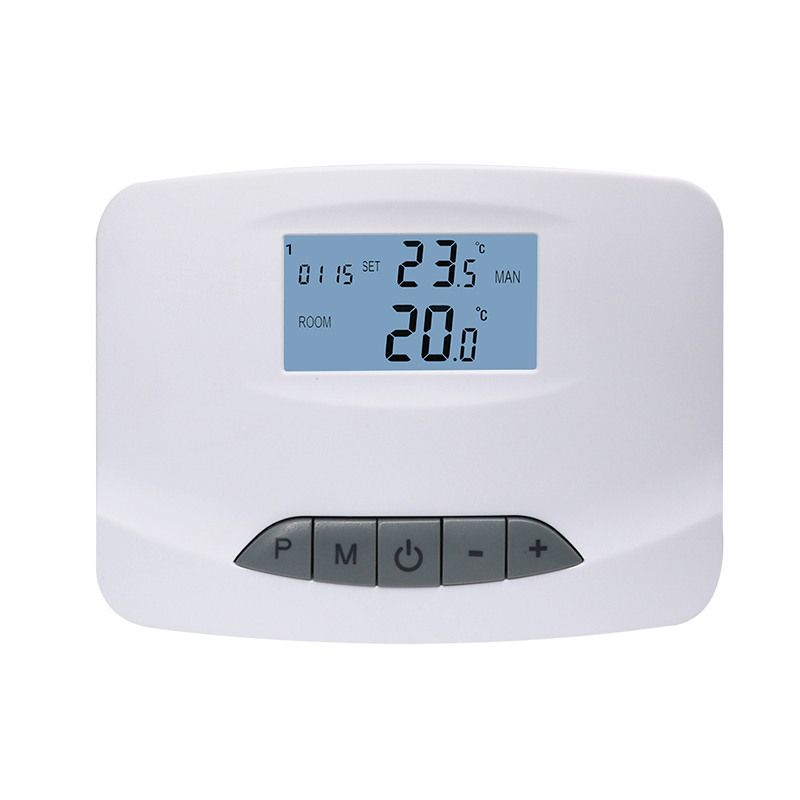
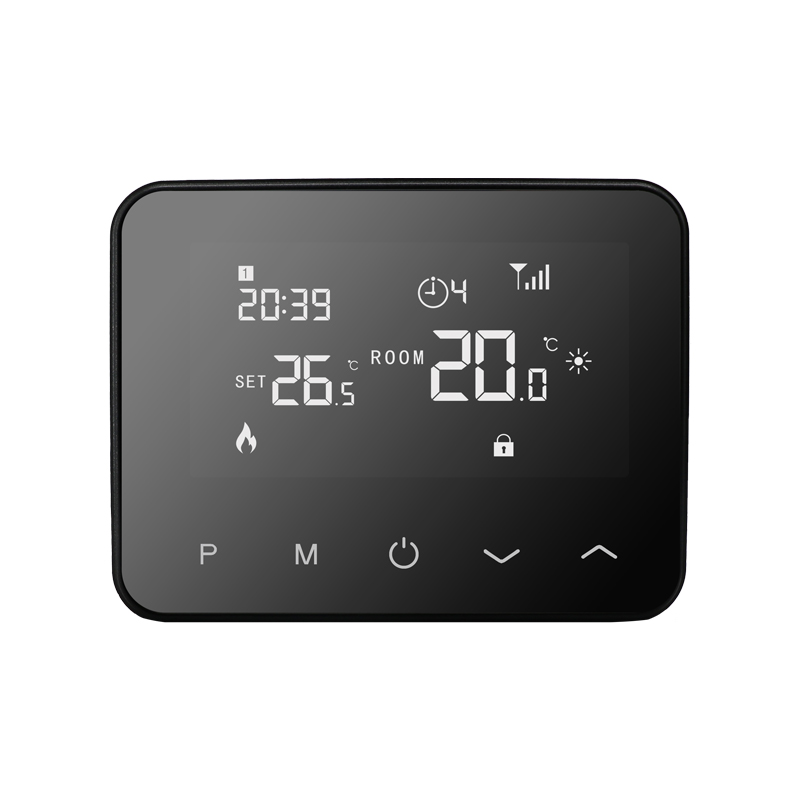
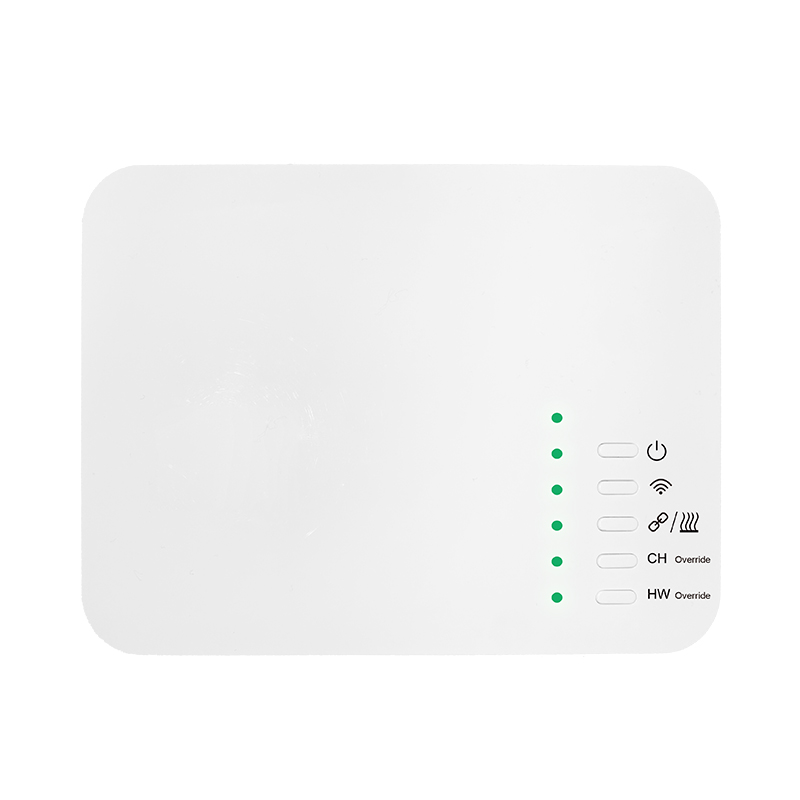
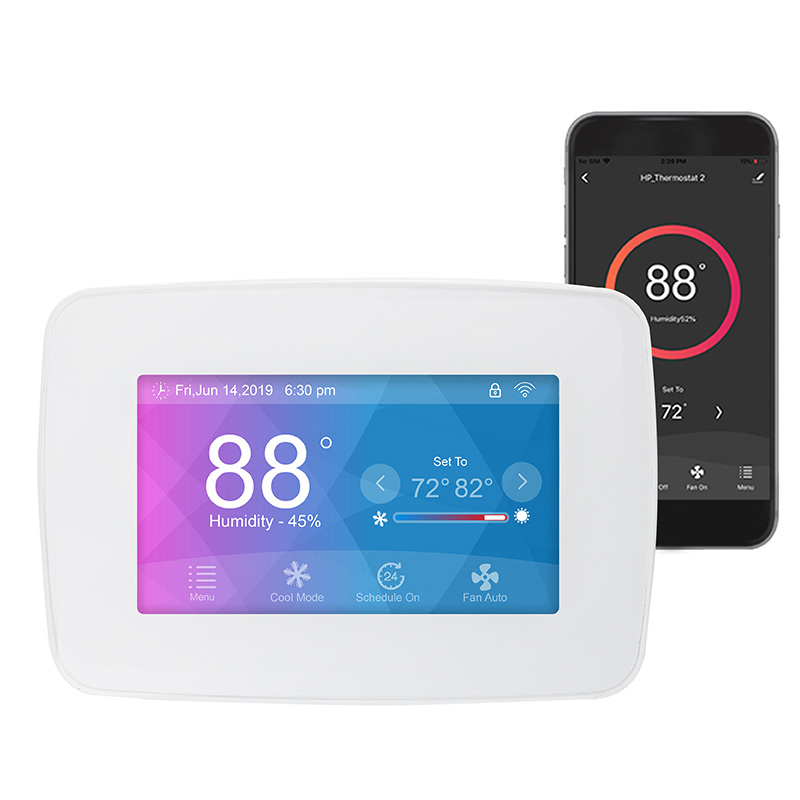
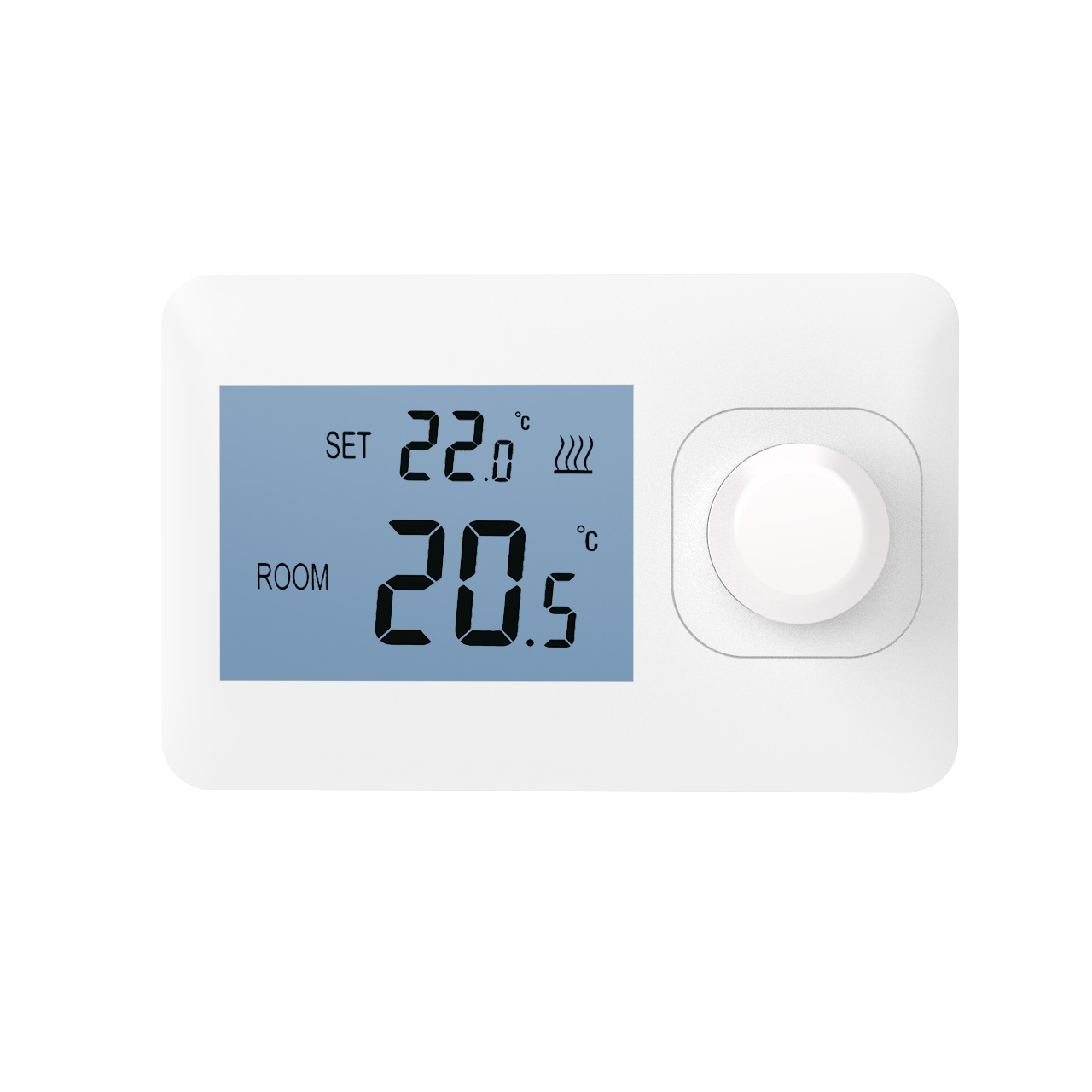
Upgrading the heating and temperature control systems is often a crucial part of old house renovations. 220V thermostats are widely used in various temperature control scenarios due to their common power supply and intuitive control methods. However, existing buildings have different wiring structures, electrical environments, and installation space compared to new residences. Therefore, whether they are suitable for use in old house renovations is a core concern for many users.
The Impact of Old House Electrical Infrastructure on 220V Thermostats
Older buildings generally use traditional power supply structures, with voltage levels consistent with current standards. This provides a basic condition for the use of 220V thermostats. From a voltage matching perspective, 220V thermostats will not conflict with the existing power supply system.
However, the wiring in older houses has been in use for a long time and may have issues such as aging insulation, loose connections, or uneven load distribution. Thermostats need to operate continuously, requiring a certain level of circuit stability. Therefore, the condition of the wiring during the renovation process directly affects the compatibility and user experience of the 220V thermostat.
Existing System Structure and Thermostat Installation Compatibility
The control methods of existing heating or electric heating systems in older homes are often relatively simple. As a control unit, the 220V thermostat needs to be compatible with existing equipment in terms of interface and control logic. Installation space, electrical box size, and wiring methods are all important factors affecting compatibility.
Without significantly altering the original structure, the 220V thermostat can be integrated into the existing system through proper wiring to achieve temperature regulation. This relatively flexible installation characteristic gives it a certain adaptability in older home renovations, but this is contingent on a clear original system structure and traceable wiring.
Considerations for Safety and Long-Term Stability
Older home renovations emphasize safety and stability. Since the 220V thermostat is directly connected to mains power, its wiring specifications and protective measures are particularly important. Standardized wiring helps reduce the risks of overheating and poor contact, and also improves the reliability of equipment operation.
Meanwhile, thermostats operate continuously, placing demands on power supply continuity and environmental stability. A proper assessment of the existing building’s electrical conditions, and, if necessary, reorganization and optimization of the wiring, will help ensure the stable operation of the 220V thermostat after the upgrade.
Conclusion
The 220V thermostat offers a degree of compatibility with the existing power supply environment of older buildings in terms of voltage level and usage. Its suitability for renovation depends on the electrical infrastructure, system structure compatibility, and installation standards. Provided basic safety and stability requirements are met, the 220V thermostat provides a viable option for upgrading the temperature control system of older buildings.