






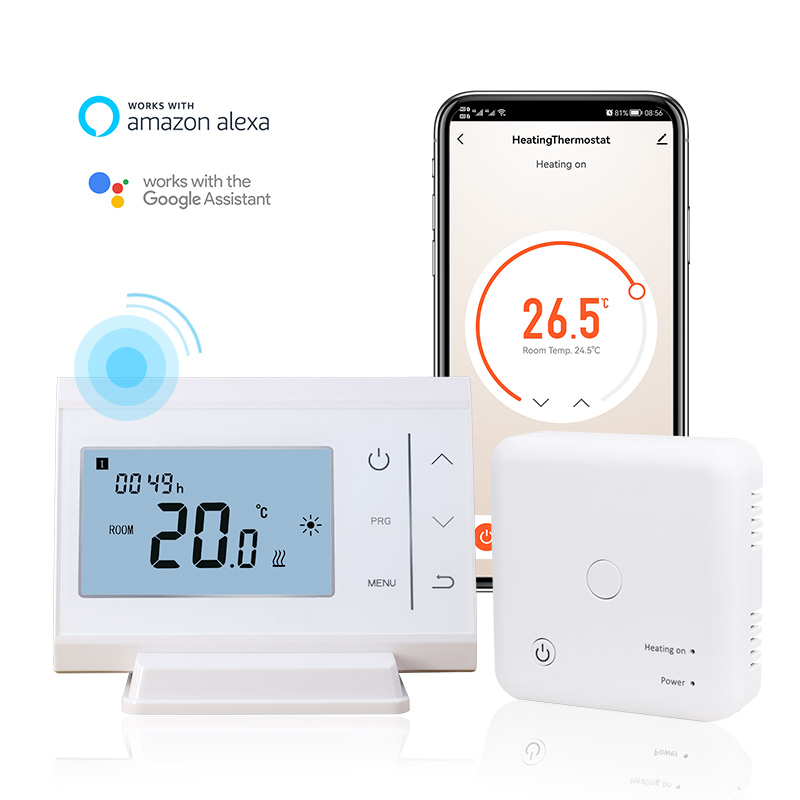
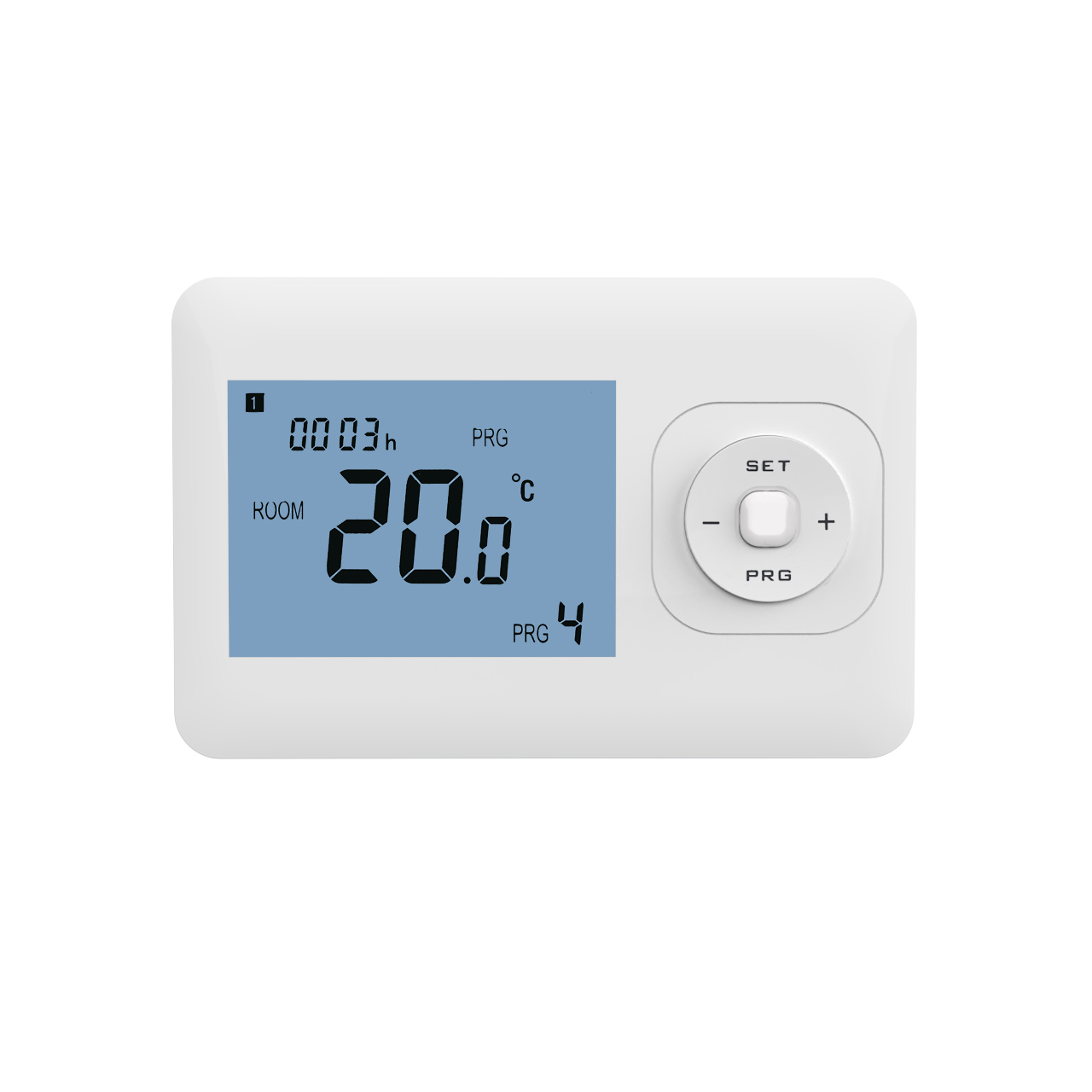
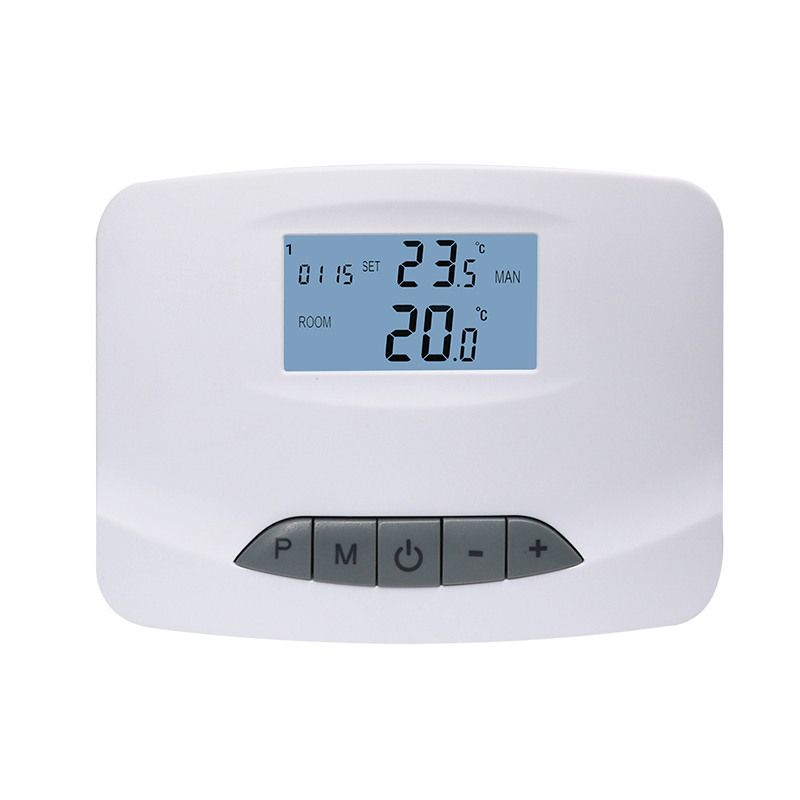
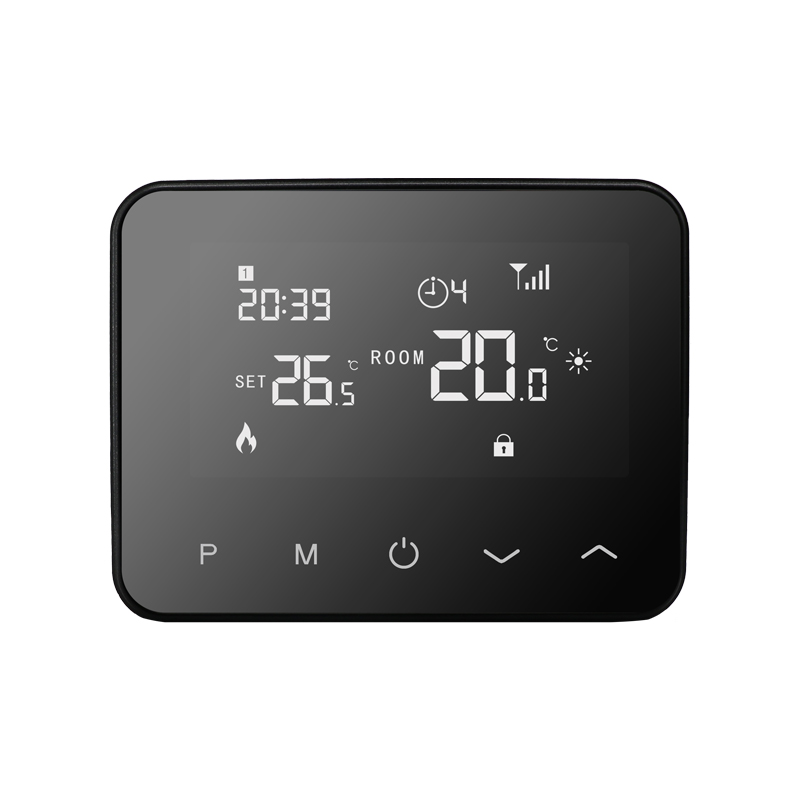
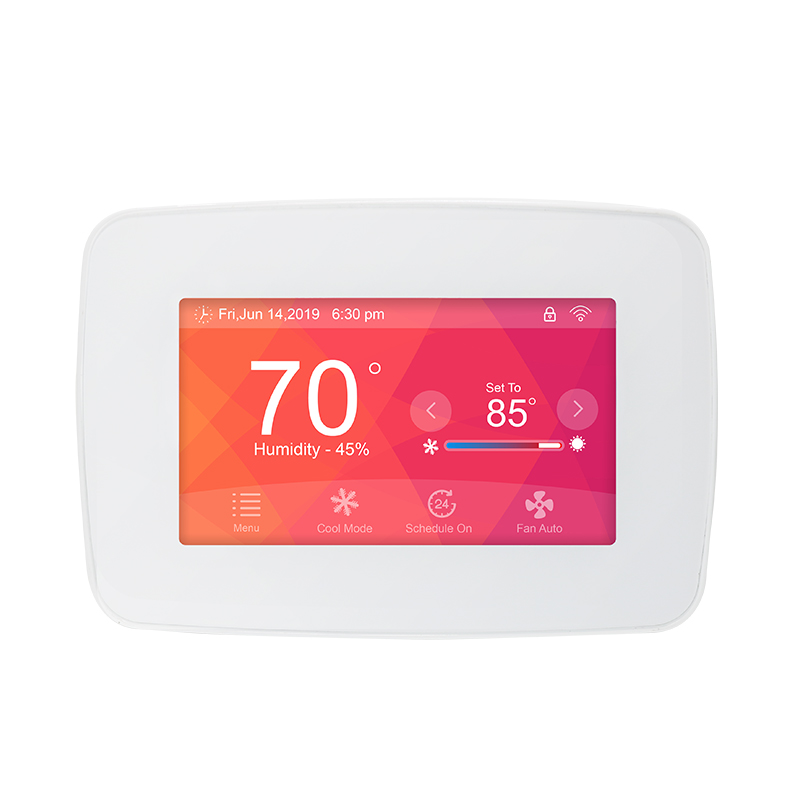
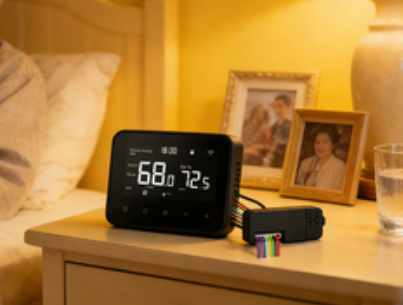
The 2H/2C 24V thermostat is widely used in home heating, air conditioning control, and industrial temperature management due to its simplicity, reliability, and stable performance. Many people wonder whether this type of thermostat is suitable for year-round use. The answer is generally yes, but comfort and energy efficiency depend on adjusting the settings according to the season. A thermostat not only maintains indoor temperature but also affects system energy consumption and equipment lifespan, making it important to understand its working principles and appropriate usage.
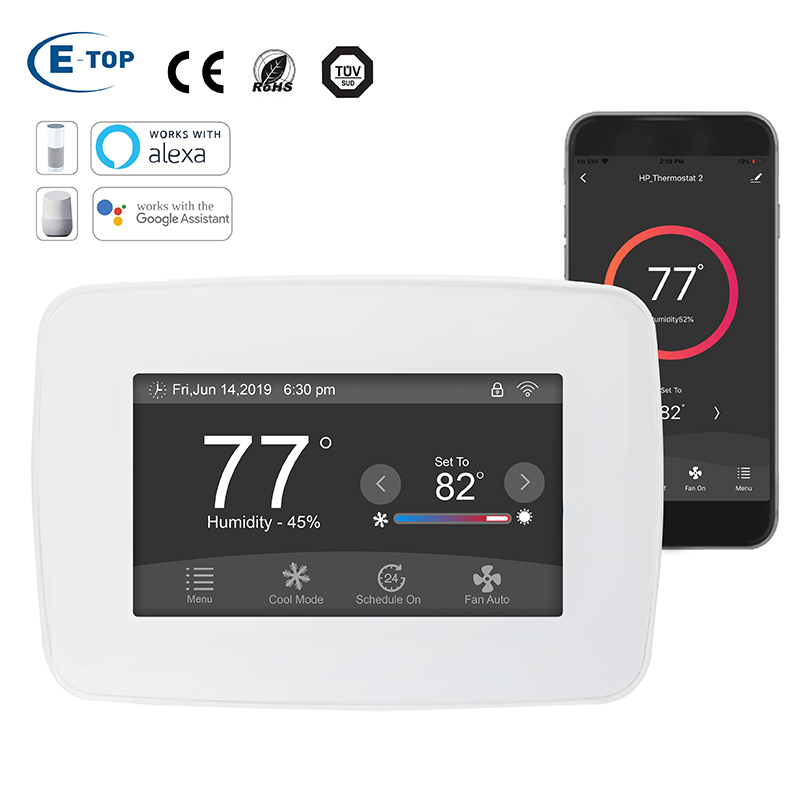
How a 2H/2C 24V Thermostat Works
The “2H/2C” designation refers to two heating (H) and two cooling (C) stages, which allow the thermostat to switch automatically according to ambient temperature. The 24V indicates a low-voltage control system, suitable for home central air conditioning, wall-mounted AC units, or some underfloor heating systems. The thermostat detects the indoor temperature through built-in sensors and sends signals to the heating or cooling system, enabling automatic start-stop and temperature maintenance.
- Its main advantages include:High precision: Maintains consistent temperature with minimal fluctuations
- User-friendly: Simply set the desired temperature without frequent adjustments
- Safe and reliable: Low-voltage design protects both users and equipment
These features make the 2H/2C 24V thermostat effective for maintaining stable indoor conditions in both summer and winter.
Is It Suitable for All Seasons?
In theory, the 2H/2C 24V thermostat is suitable for year-round use, but comfort and energy efficiency depend on seasonal adjustments:
- Winter heating: The thermostat maintains indoor temperature near the set point using heating mode. In extremely cold weather, higher temperature settings or higher-stage heating can ensure comfort.
- Summer cooling: During hot seasons, the thermostat switches to cooling mode, automatically controlling the AC to maintain a stable temperature. Properly setting the temperature avoids overcooling and reduces electricity costs.
- Transitional seasons (spring and autumn): When temperature differences are moderate, the thermostat can flexibly use heating or cooling modes, or lower power levels, balancing comfort and energy efficiency.
It’s important to note that in extreme climates, such as very cold winters or very hot summers, the thermostat’s control range or the system’s capacity alone may not be sufficient. Auxiliary devices, such as electric heaters or fan coils, may be needed to achieve the desired temperature.
Adjustment and Setting Tips
To ensure the 2H/2C 24V thermostat performs optimally in all seasons, consider the following:
- Set reasonable temperatures: Winter 20–24°C, summer 24–28°C for comfort and energy savings
- Use appropriate heating/cooling stages: Select high or low stages based on indoor conditions to improve response speed and stability
- Avoid frequent on/off cycles: Maintaining a stable temperature is more energy-efficient and reduces wear on equipment
- Use the timer function: Automatically start or stop devices according to day and night temperature changes to save energy
Proper adjustment allows the thermostat to maintain stable, comfortable indoor conditions year-round while extending equipment lifespan.
Suitable Applications
The 2H/2C 24V thermostat is not only suitable for homes but also for offices, shops, and industrial environments.
- Home: Works with air conditioners, underfloor heating, or wall-mounted heaters to maintain a consistent temperature
- Office: Ensures comfortable indoor conditions for employees, improving work efficiency
- Industrial: Monitors production environments to prevent equipment overheating or low-temperature damage
Thanks to its high precision and simple installation, it can adapt to various systems. However, high-load environments may require pairing with higher-capacity equipment for stable temperature control.
The 2H/2C 24V thermostat is suitable for year-round use, but comfort and energy efficiency depend on proper seasonal adjustments. Increasing heating stages in winter, setting appropriate cooling temperatures in summer, and flexibly switching modes during transitional seasons can maximize performance. By setting the thermostat correctly, using stage control, and utilizing timer functions, it can maintain stable indoor temperatures, enhance comfort, save energy, and extend equipment life, making it a reliable solution for year-round temperature control.