
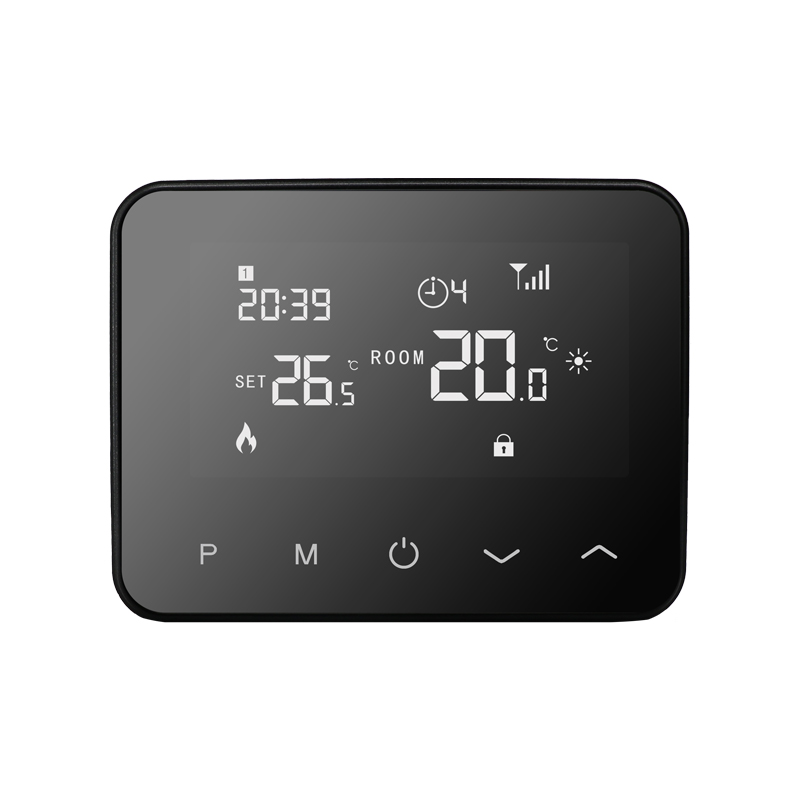
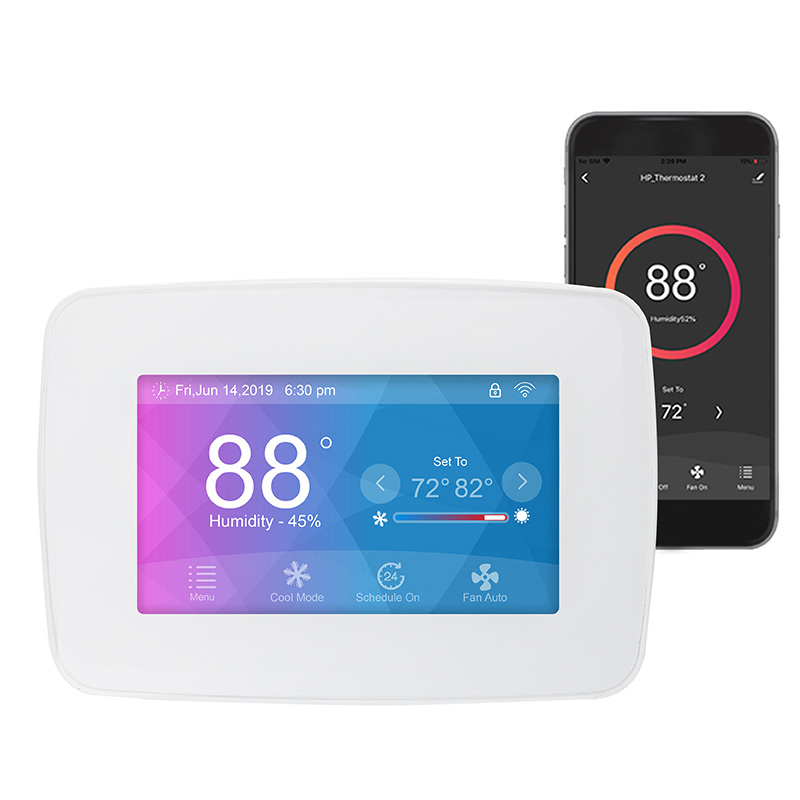
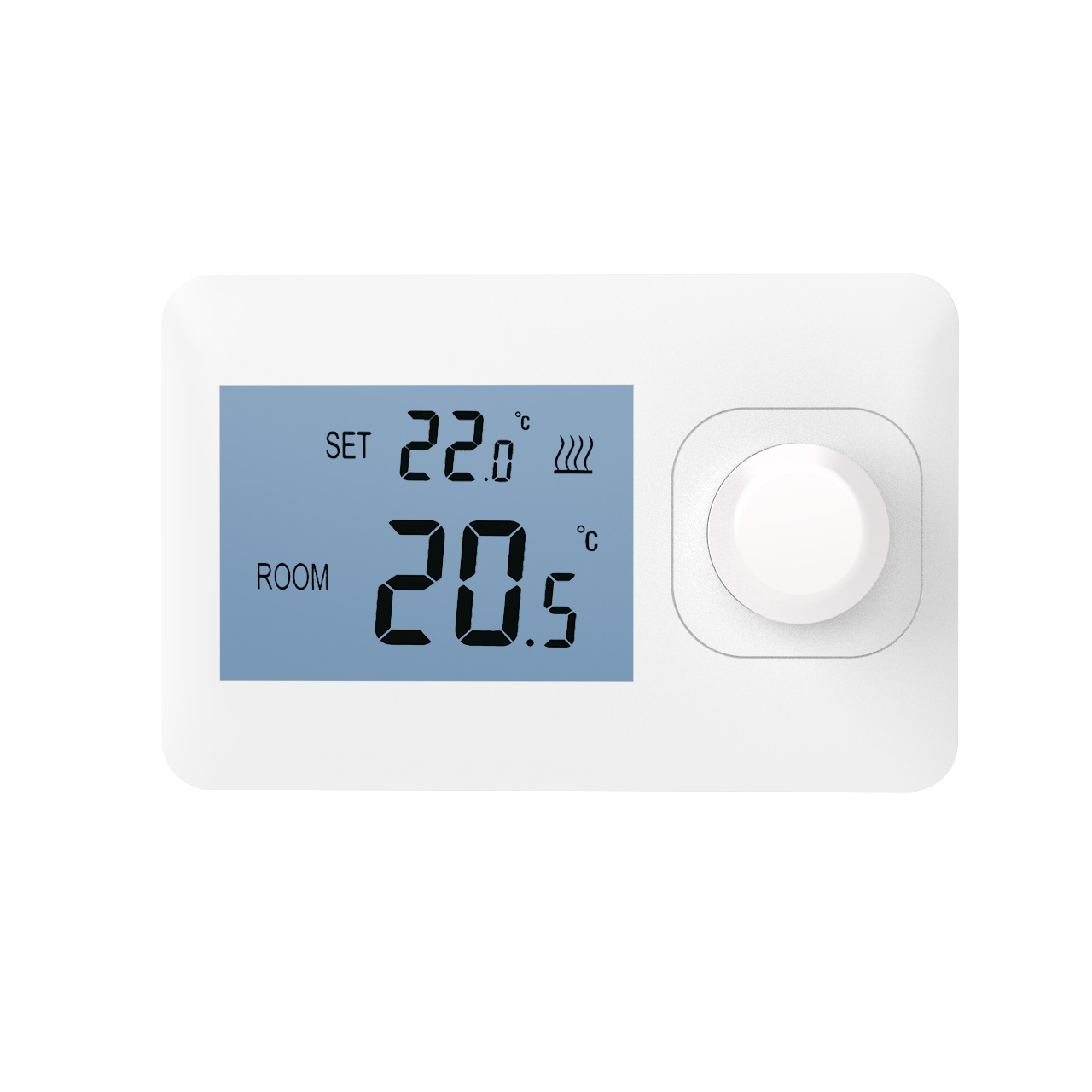
When selecting a 220V thermostat, the maximum current parameter is often a key concern for users. A nominal maximum current of 3A means that the thermostat’s design has a clearly defined load capacity. Understanding the meaning of this parameter and its role in practical use helps determine whether the 3A current specification can meet daily temperature control needs.
The Actual Meaning of the 3A Maximum Current Parameter
Maximum current refers to the upper limit of current that the control circuit of a thermostat can withstand under safe operating conditions. For a 220V thermostat, 3A current corresponds to the design capacity of its internal relays, wires, and contacts. This parameter is not the instantaneous current, but rather the range of current that the device can stably handle under continuous operation.
In actual use, the thermostat’s power consumption is usually low; the current mainly depends on the load device it controls. A 3A current specification means that the thermostat can stably control electrical equipment within a certain power range under rated conditions.
Load Power and Current Matching Relationship
There is a direct relationship between current magnitude and load power. Under 220V voltage conditions, the load power corresponding to a 3A current is within a relatively defined range. As long as the operating current of the controlled equipment does not exceed the rated value of the thermostat, the equipment can maintain normal operation.
As a control element, the thermostat’s current capability needs to match the system load. When the load power is within a reasonable range, the 3A thermostat can stably complete the switching control task. If the load current is close to the upper limit, the condition of the circuit and the quality of the wiring will have a more significant impact on operational stability.
Long-Term Operation Current Margin Requirements
In a continuously operating temperature control system, current margin is a key factor in ensuring reliability. During long-term switching, the internal components of the thermostat are affected by heat and mechanical action. Maintaining an appropriate current margin helps reduce the burden on components and extend their service life.
The 3A maximum current specification has good applicability in most conventional temperature control scenarios. Under the premise of meeting design conditions, the thermostat can maintain a stable operating state. Properly controlling the load current and keeping it within a safe range is crucial for ensuring the long-term reliable operation of a thermostat.
Conclusion
A 220V thermostat has a maximum current of 3A, indicating that it is designed with a specific load-carrying capacity. Whether this parameter is sufficient depends on the current requirements of the controlled equipment and the system operating conditions. With proper load matching and installation specifications, the 3A current specification can meet the requirements of most temperature control applications, providing stable control support for the system.