
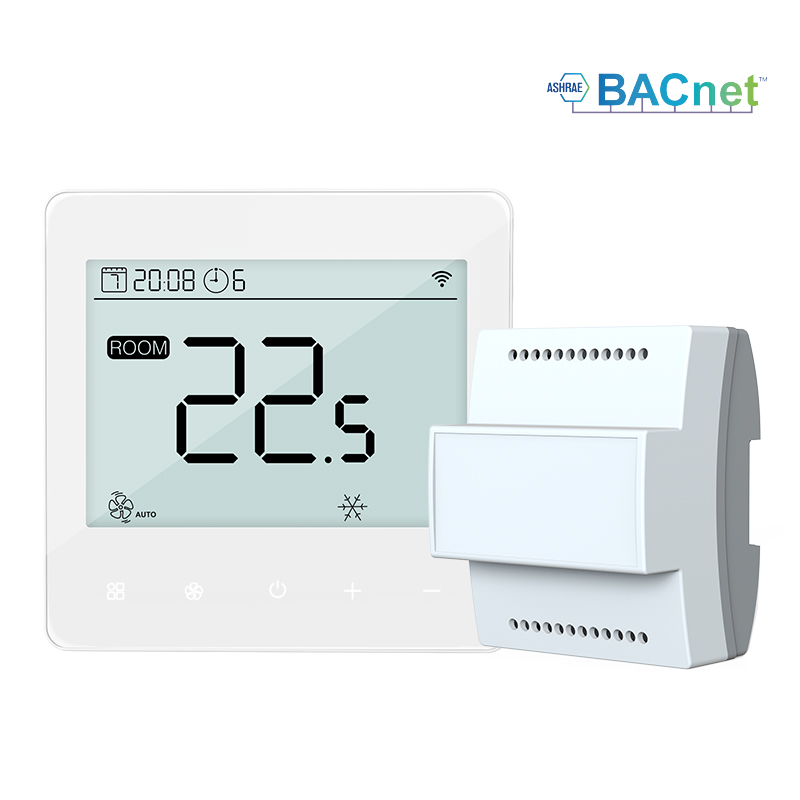
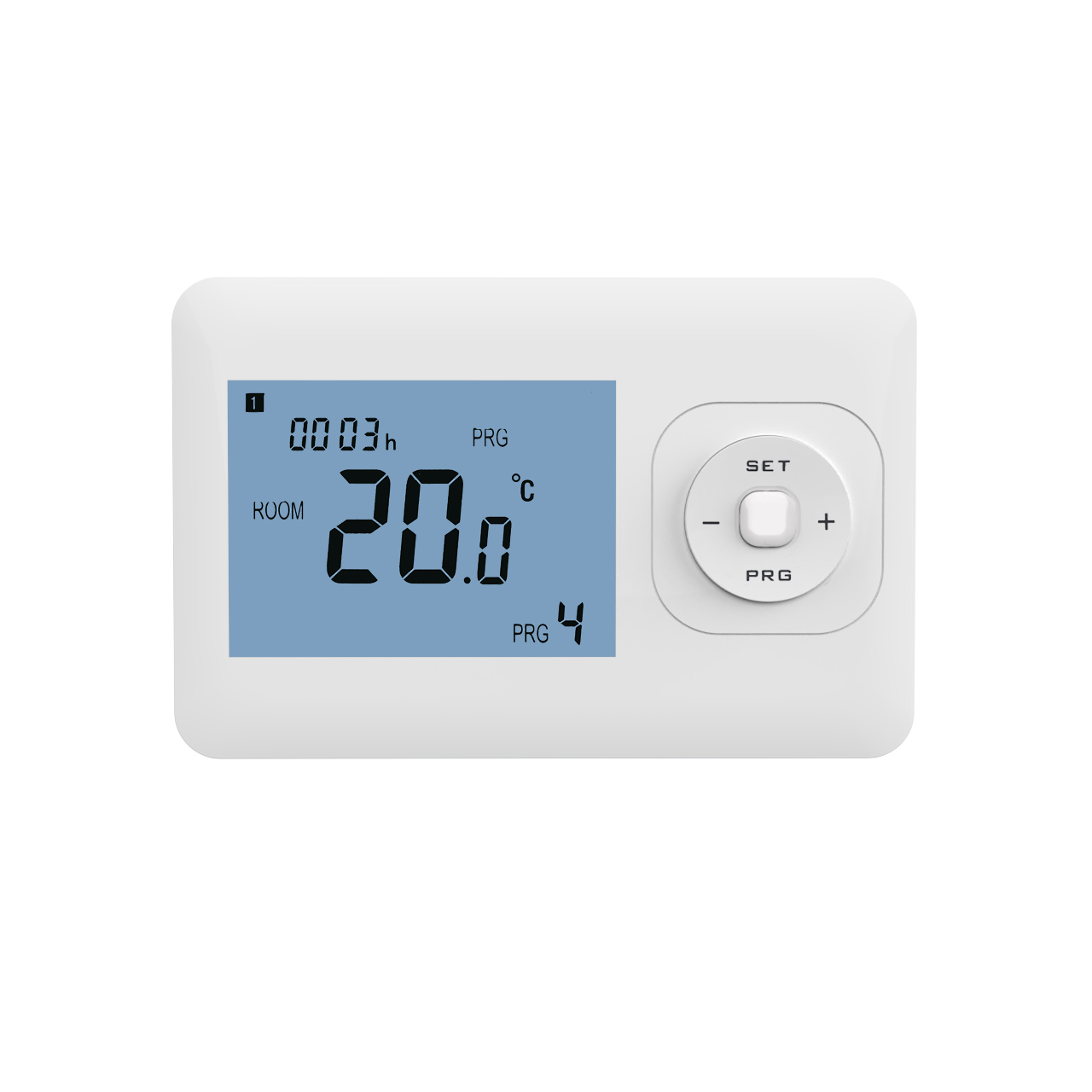
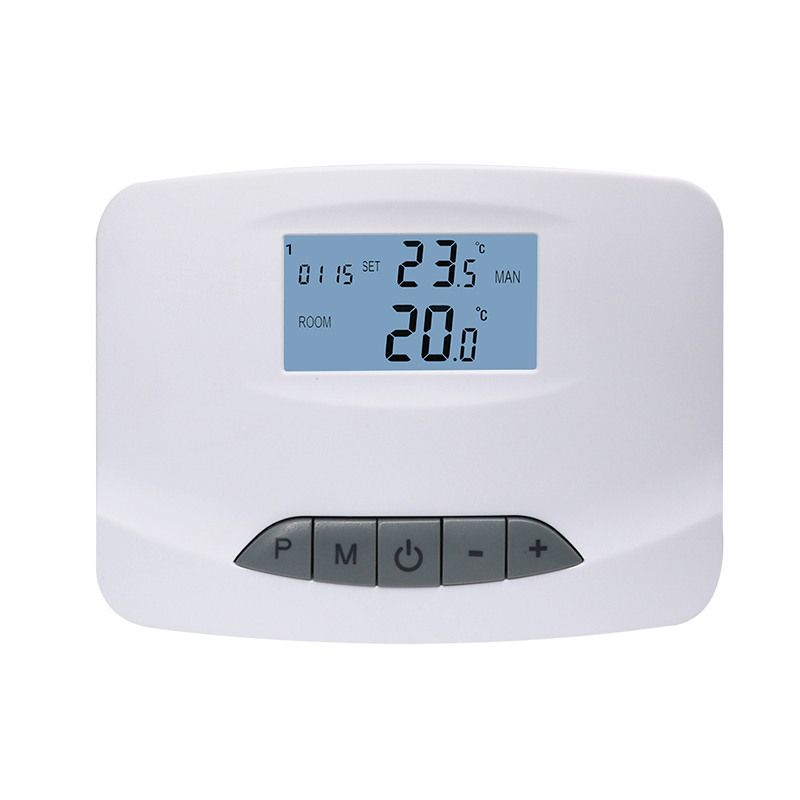
Programmable 24V thermostats are widely used in modern HVAC systems, with their core function being precise indoor temperature control through multi-stage management. For many users, “smart” is a key factor when choosing a thermostat. So, is a programmable 24V thermostat genuinely smart? This article explores its system functionality, ease of operation, energy-saving capabilities, and smart integration features.
Programmable Features as the Foundation of Smart Control
The primary function of a programmable 24V thermostat is to allow users to set daily or weekly temperature schedules, enabling automatic temperature adjustment. This feature helps HVAC systems run efficiently at different times of the day, enhancing comfort while reducing unnecessary energy use.
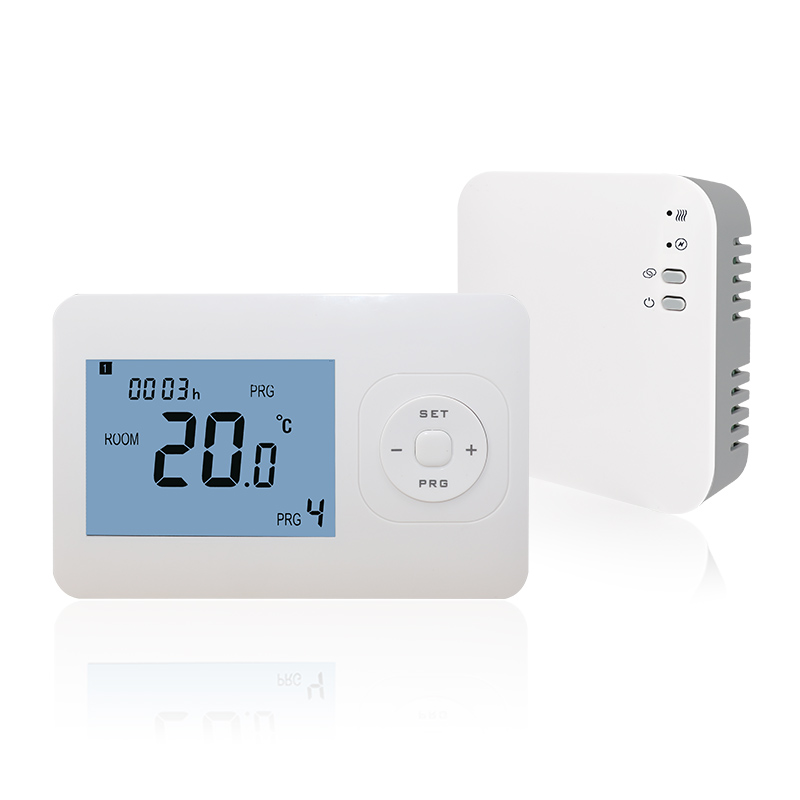
Users can set temperature schedules directly on the thermostat interface
Multi-stage control (e.g., 2H/2C) supports cooling and heating during different periods
While this functionality is basic automation, it forms the foundation of smart control and enables future remote operation and learning-based adjustments.
Ease of Use and Remote Control
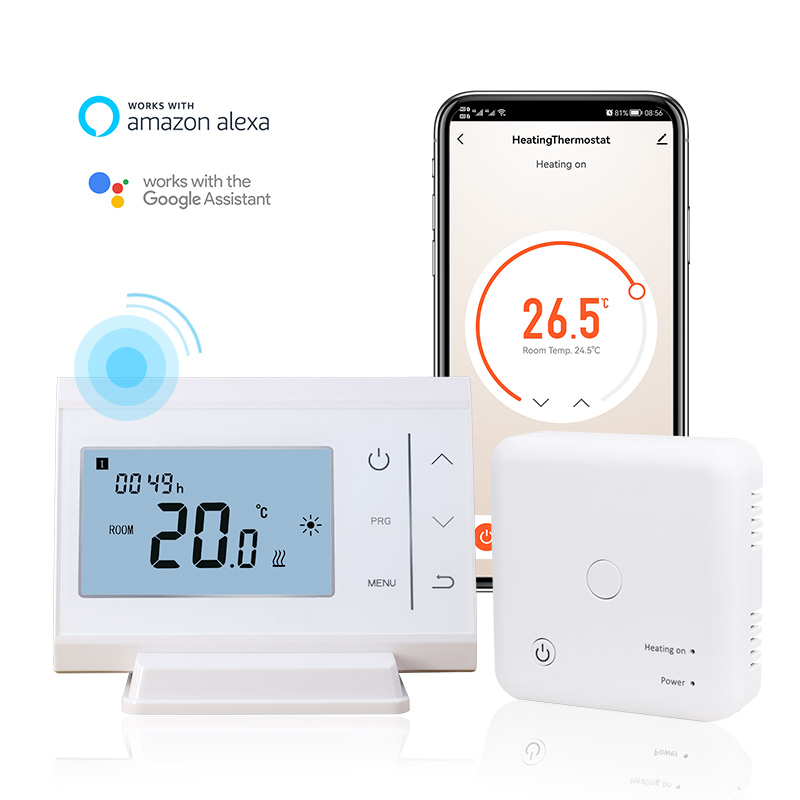
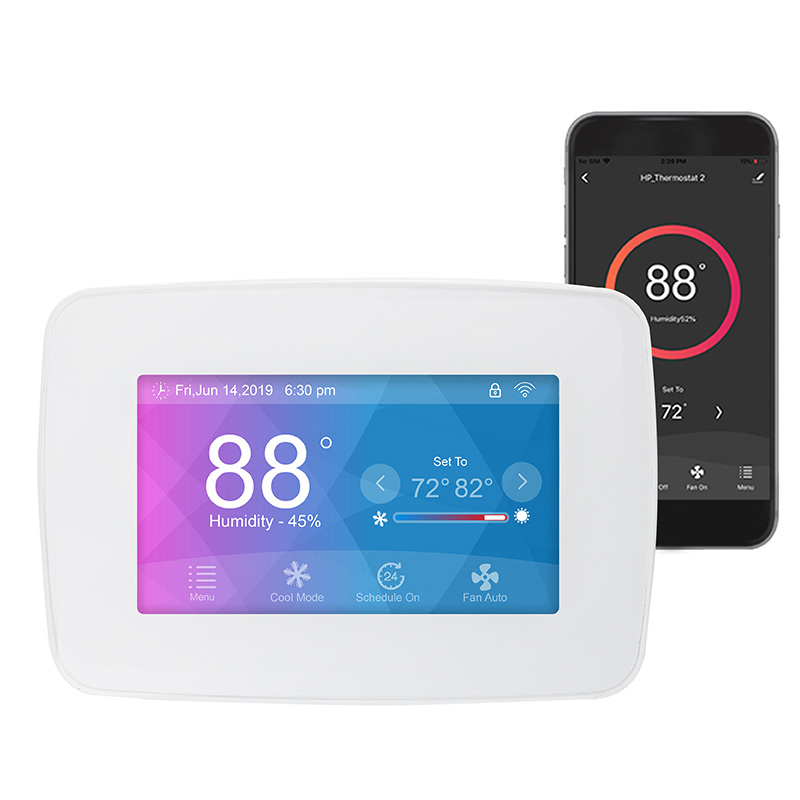
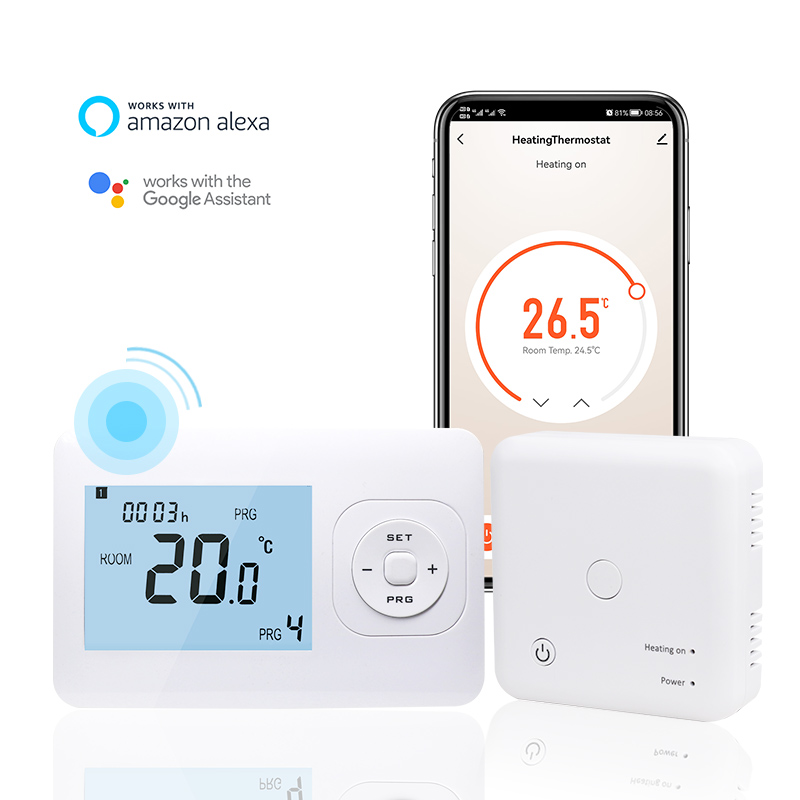
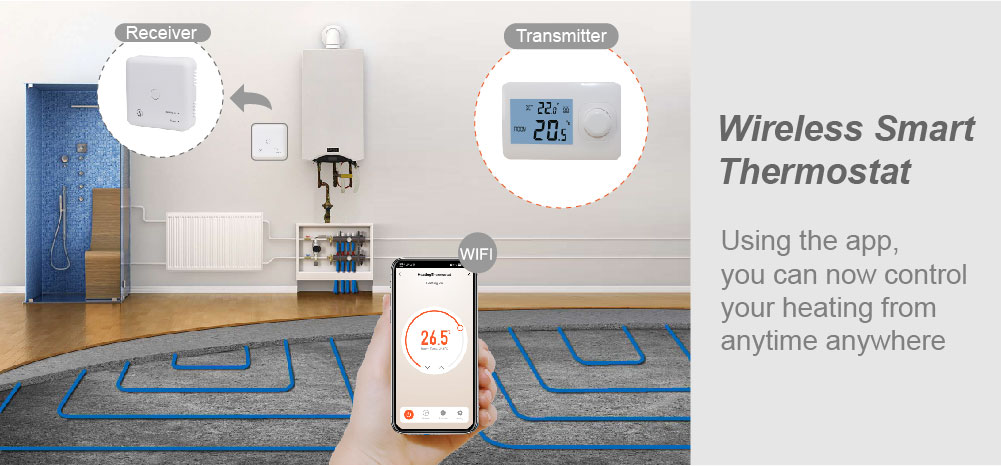
Smart thermostats often provide intuitive interfaces and remote control capabilities. Some programmable 24V thermostats allow adjustment via mobile apps or smart home platforms, enabling remote temperature control and system monitoring.
Users can adjust indoor temperature from a smartphone without manual interaction
System status monitoring allows early detection of HVAC issues
This convenience greatly enhances the user experience, allowing flexible temperature management based on lifestyle needs.
Energy Efficiency and Automated Control
An important aspect of smartness is energy-saving ability. Programmable 24V thermostats optimize HVAC energy use through pre-set temperatures and multi-stage control. For example, lowering heating at night or reducing cooling output during unoccupied hours can significantly cut electricity costs.
Scheduled operation minimizes energy waste
Multi-stage temperature control combined with environmental feedback maintains stable, comfortable indoor conditions
This automated adjustment demonstrates the value of smart functionality in energy efficiency.
Smart Home Integration
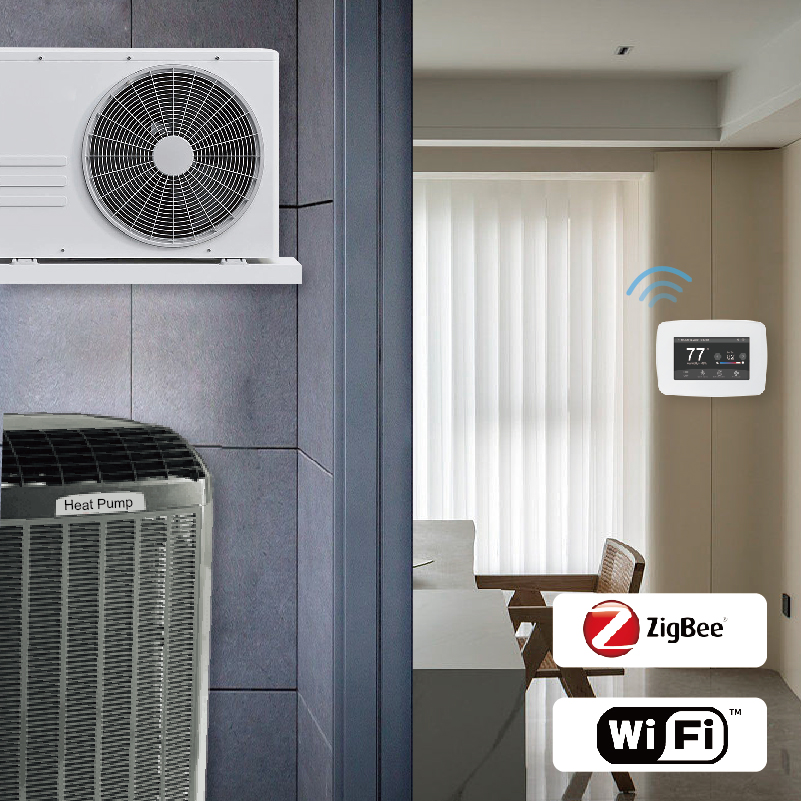
Some high-end programmable 24V thermostats can integrate with smart home systems. Through Wi-Fi, Bluetooth, or other protocols, these thermostats can communicate with air quality sensors, window/door sensors, or voice assistants for full home automation.
Integration with smart speakers or home platforms allows voice control
Automatic coordination with HVAC, curtains, or air purifiers enhances convenience
This level of integration turns a thermostat from a simple temperature controller into a key component of a smart home ecosystem.
Actual Level of Smart Functionality
The degree of intelligence in a programmable 24V thermostat depends on its features and technology. Basic models allow automatic temperature scheduling, while advanced models support remote control, environmental sensing, data analysis, and smart integration.
Basic models: automatic temperature schedules, multi-stage control
Advanced models: remote control, smart integration, energy usage analysis
Users can select the model that best fits their needs and budget, maximizing HVAC system efficiency and comfort.
Brand and Application Recommendation
In the programmable 24V thermostat market, ETOP HVAC offers products that balance basic automation and smart features. Their systems support 2H/2C multi-stage control, remote operation via mobile apps, and compatibility with smart home platforms, making them suitable for residential and small commercial use. More information is available at https://etophvac.com/.
By understanding the features and smart capabilities of programmable 24V thermostats, users can choose the right model to achieve comfortable, energy-efficient, and convenient indoor temperature control.