
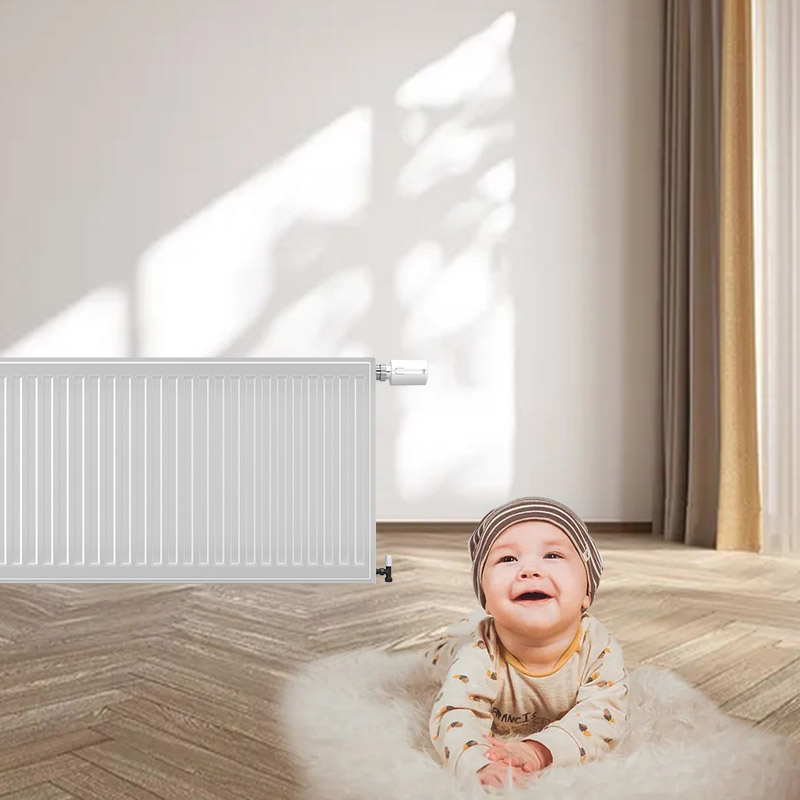
Many families considering replacing or upgrading their heating systems worry about a practical issue: will the installation be complicated? Will it require large-scale modifications? While radiator thermostatic valves are an important component of the heating system, their installation is not as difficult as one might imagine. For users who want to improve their heating experience without incurring additional construction costs, understanding the ease of installation for radiator thermostatic valves is crucial.
No Need to Modify the Heating System Structure
Radiator thermostatic valves are typically installed at the radiator’s inlet, making them end-point control devices and not involving core components like the boiler or main piping. This characteristic means that their installation has very limited impact on the existing heating system.
In most home heating scenarios, thermostatic valves can directly replace existing ordinary valves without requiring new piping or adjustments to the overall heating layout. For existing heating systems, this “partial replacement” significantly reduces installation difficulty and construction time.
Standard Interfaces Simplify Installation
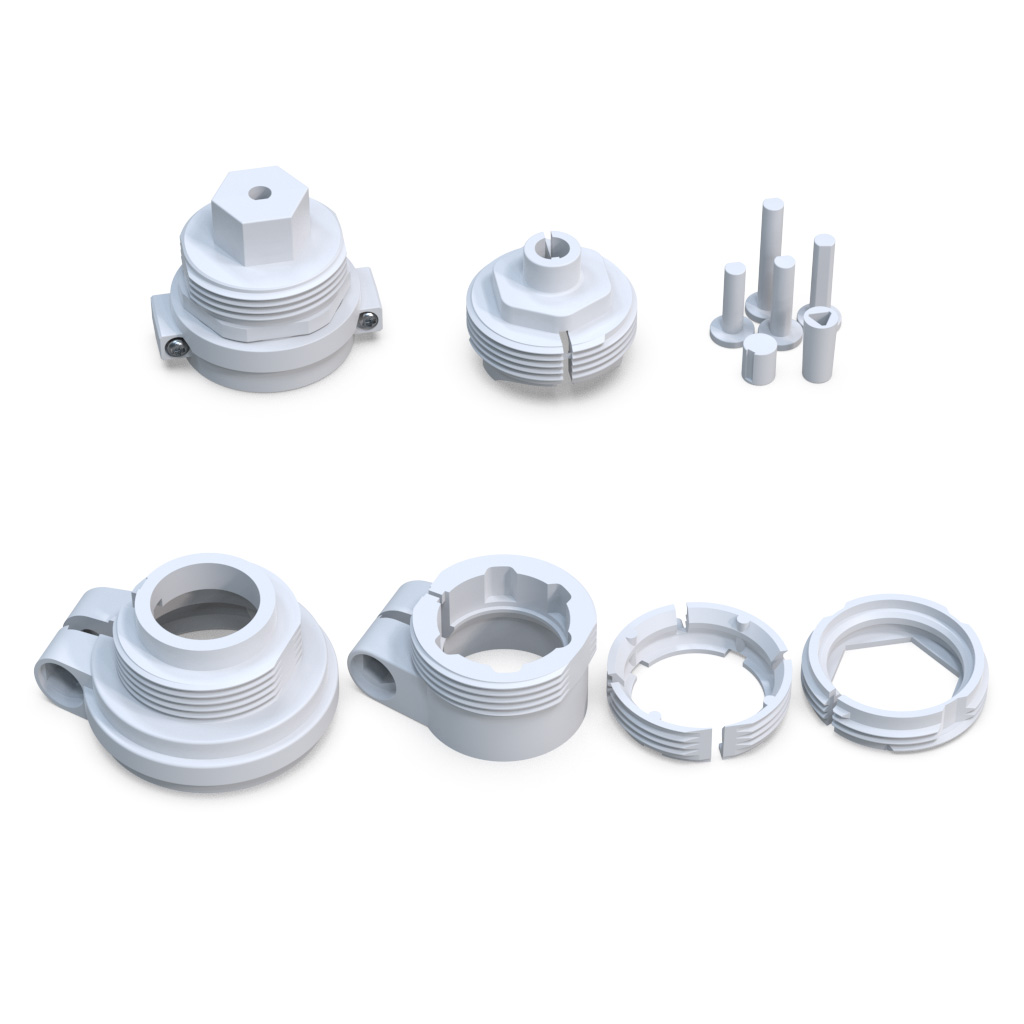
To adapt to different types of radiators, radiator thermostatic valves typically use a universal interface design, making the installation process more intuitive and standardized.
- Common radiator interfaces are highly compatible with thermostatic valves, reducing the need for additional adapters.
- Installation steps are clear, requiring only basic operations such as disassembly, connection, and fixing.
- No complex circuitry or system debugging involved, lowering the technical barrier.
- Minimal impact on the home environment, resulting in a cleaner and more organized installation process.
This standardized design makes installing radiator thermostatic valves in a home environment more like a “component upgrade” rather than a system modification.
Smart Models Maintain Low Installation Barrier
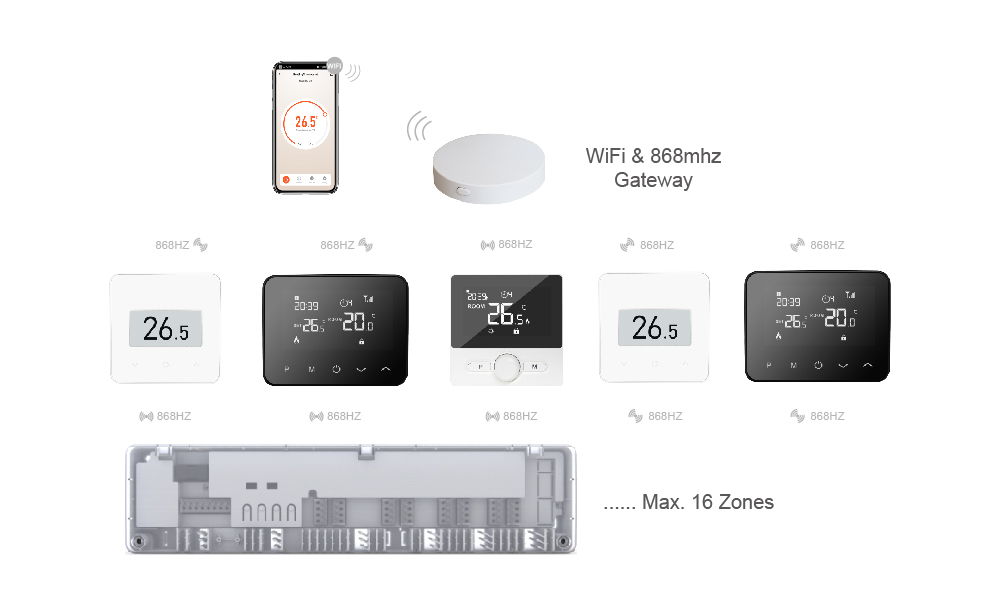
Many users worry that smart radiator thermostatic valves supporting Bluetooth, RF Wireless, or Tuya Zigbee might be more complicated to install. In reality, the hardware installation of these products is not significantly different from ordinary thermostatic valves.
Smart functions are more reflected in the later setup and usage stages, rather than the physical installation. After installation, simply follow the instructions to complete pairing or network operation to achieve remote control or multi-room management, without adding any extra installation difficulty.
Suitable for Various Household Use Scenarios
The ease of installation of radiator thermostatic valves is also reflected in their adaptability to different household scenarios. Whether it’s a newly renovated home or a house that has been occupied for many years, they can be flexibly configured according to needs.
- During the renovation phase, they can be installed simultaneously with radiators, making the process smoother.
- For already occupied homes, they can be replaced room by room, reducing the pressure of concentrated construction.
- Different rooms can choose whether to install them based on needs, making configuration more flexible.
- Later maintenance or replacement is simple and does not affect the overall operation of the heating system.
This flexibility allows users to make more informed installation decisions.
From the perspective of installation methods and actual operation, radiator thermostatic valves are not high-threshold heating products. Through standard interface design, partial replacement methods, and the separation of intelligent functions from hardware installation, they reduce user concerns during the installation process. For families who want to improve heating control capabilities but do not want complicated construction, radiator thermostatic valves are a choice that balances practicality and convenience.