
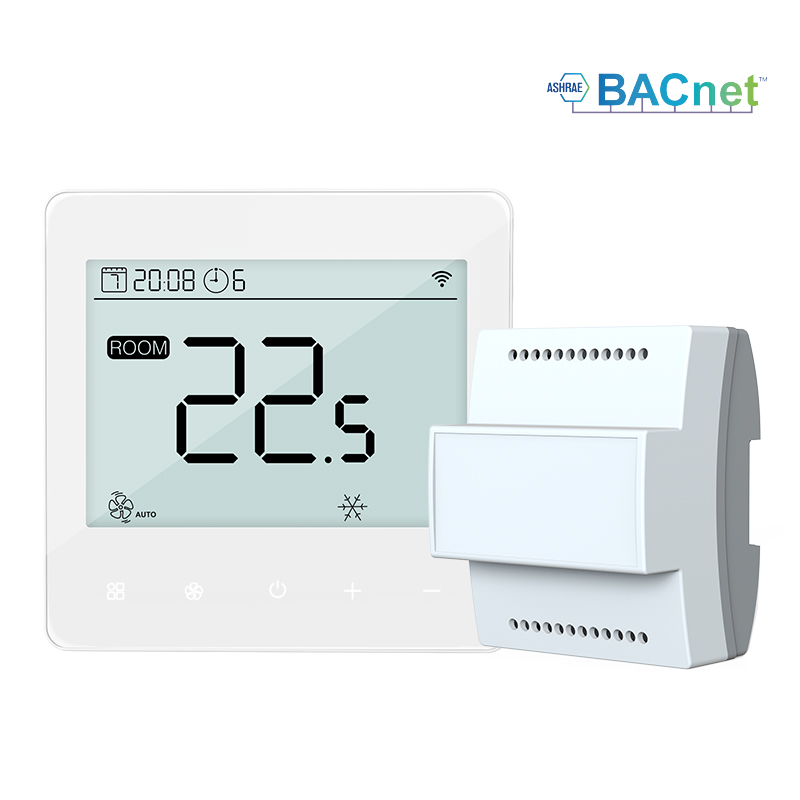
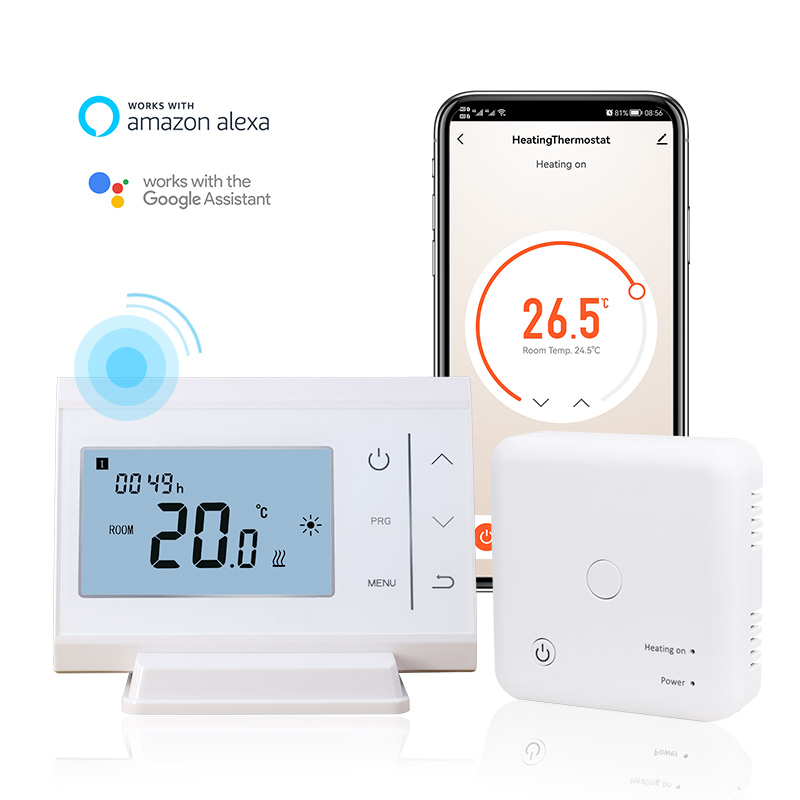
In modern commercial and public buildings, fan coil unit (FCU) systems are widely used as terminal air-conditioning solutions. As building intelligence continues to advance, many project owners and engineers face an important question: is it necessary to connect fan coil unit thermostats to a Building Management System (BMS)? This decision affects not only initial investment costs but also long-term operation, energy efficiency, and user comfort.
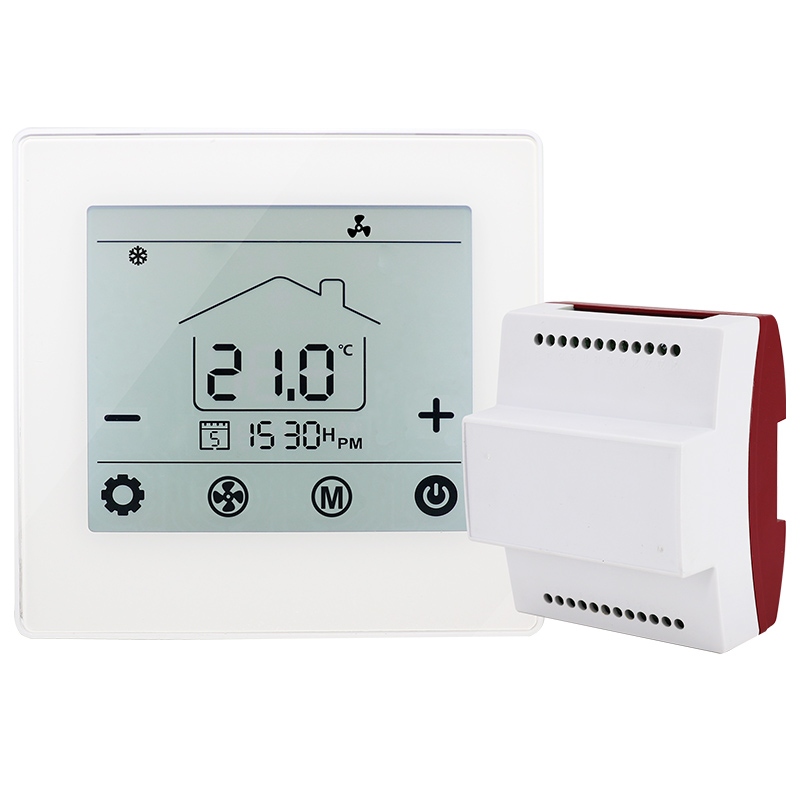
Characteristics of Standalone Thermostat Control
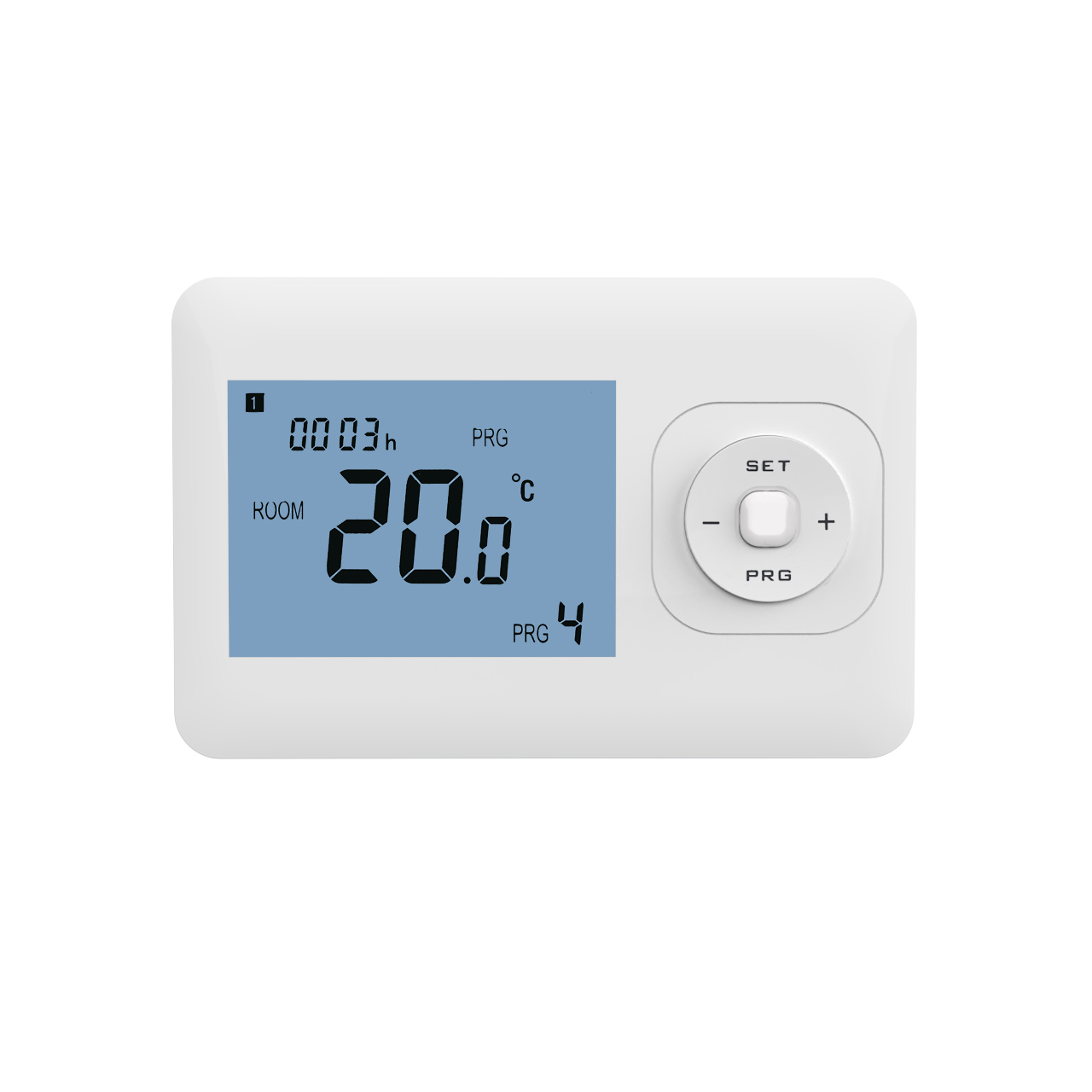
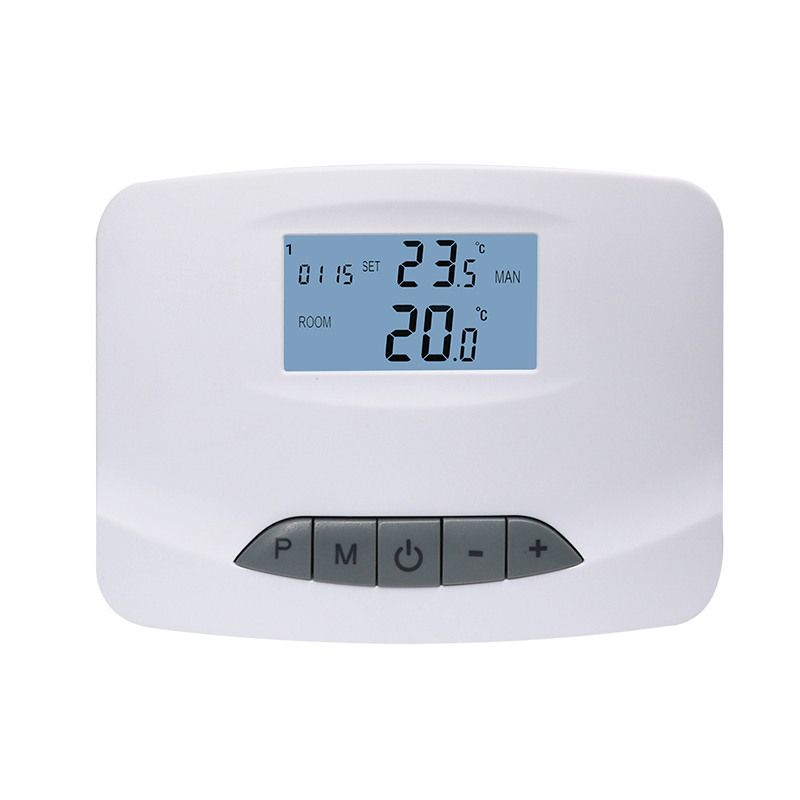
In early-stage or small-scale projects, FCU thermostats are often operated in standalone mode. Each room or zone is controlled independently, allowing occupants to adjust temperature and fan speed locally. This approach features simple wiring, lower costs, and relatively easy installation.
Standalone control remains practical for small offices, apartments, or retrofit projects. However, its limitations become apparent in larger buildings. Facility managers lack centralized visibility of system status, fault detection relies heavily on manual inspections, and energy data remains fragmented, making optimization difficult.
Management Benefits of BMS Integration
When FCU thermostats are connected to a BMS, they become part of a centralized control platform rather than isolated devices. Facility managers can monitor operating status, temperature settings, and fault alarms in real time, significantly improving maintenance efficiency.
In large office buildings, hotels, and hospitals, centralized management offers clear advantages. A BMS enables unified scheduling, centralized on/off control, and parameter adjustment, reducing human error while enhancing overall operational control.
Impact on Energy Efficiency and Energy Management
From an energy-saving perspective, FCU thermostats integrated with a BMS provide greater opportunities for optimization. The system can use time schedules, occupancy status, or data from other sensors to implement zone-based control strategies.
For example, reducing HVAC output during non-working hours or centrally managing low-occupancy areas helps minimize energy waste. Over time, such coordinated control strategies can significantly lower operating costs and deliver measurable energy savings for building owners.
Influence on User Comfort
Integrating FCU thermostats into a BMS does not necessarily reduce user comfort. Well-designed systems balance centralized control with local adjustability. Occupants can still fine-tune temperatures within defined limits, while the BMS enforces global strategies and safety constraints.
In hotels and high-end commercial buildings, BMS integration also allows coordination with room management systems and other smart devices, creating a more stable and comfortable indoor environment.
Cost and Implementation Considerations
It is important to note that connecting FCU thermostats to a BMS involves additional costs for devices, communication infrastructure, and system commissioning. For smaller buildings with limited functional requirements, this investment may not deliver proportional benefits.
During project planning, factors such as building size, usage patterns, management style, and long-term operational goals should be carefully evaluated. For projects focused on refined management and long-term energy efficiency, BMS integration often provides greater overall value.
Conclusion
There is no universal answer to whether fan coil unit thermostats should be connected to a building management system. Standalone control is suitable for cost-sensitive or small-scale projects, while BMS integration is better suited for medium- to large-scale buildings that prioritize centralized management, energy efficiency, and intelligent operation. Selecting the right approach based on actual project needs ensures optimal balance between comfort, efficiency, and cost.