
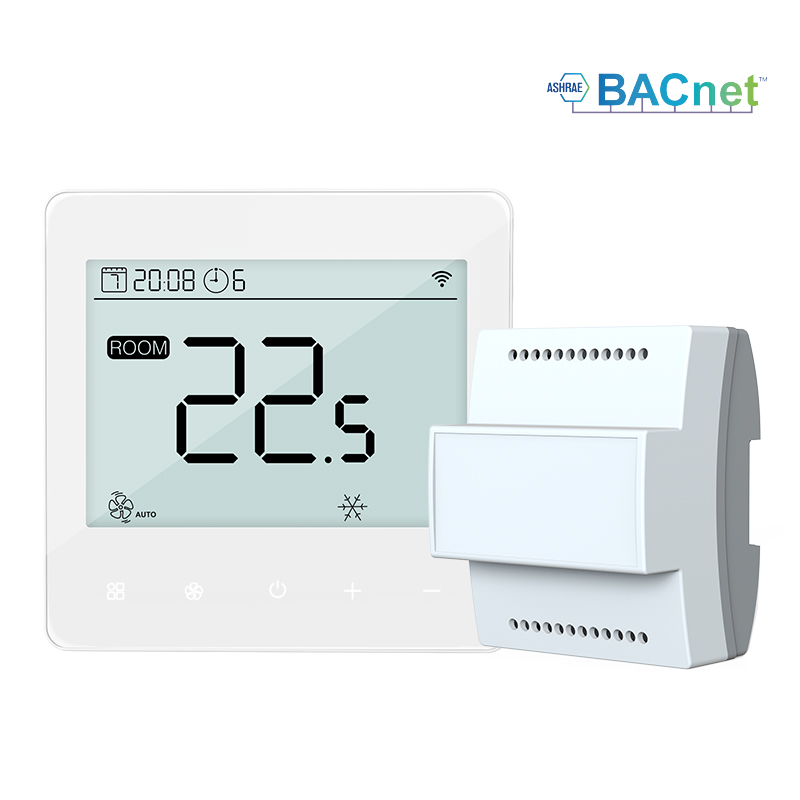
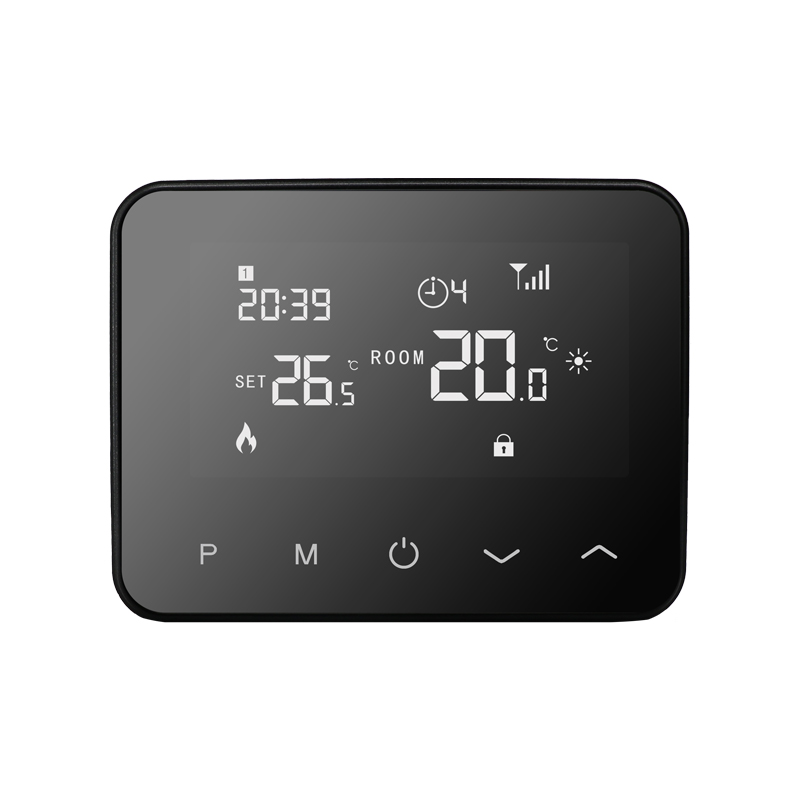
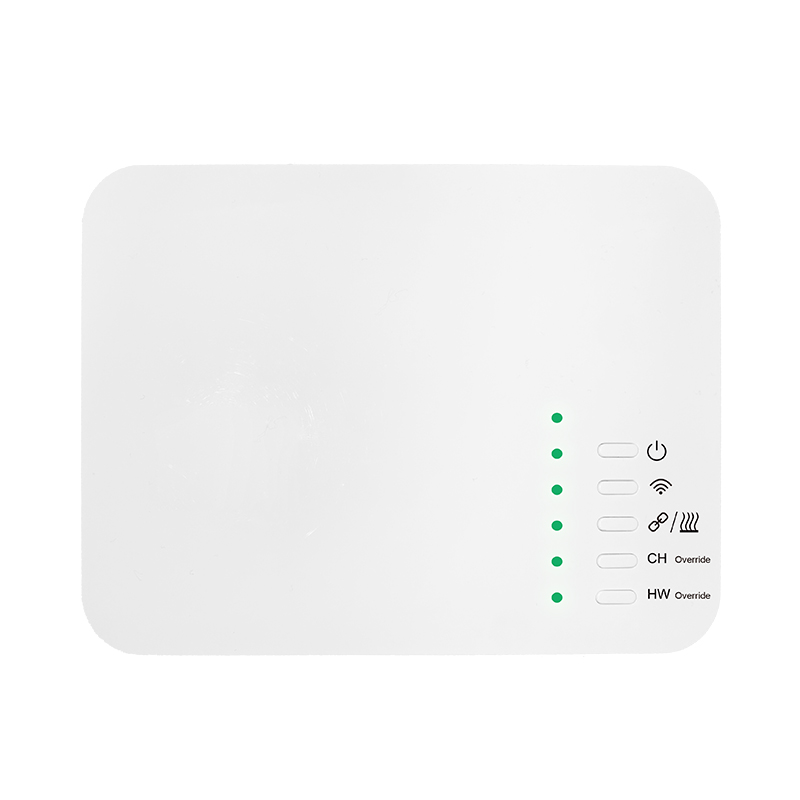
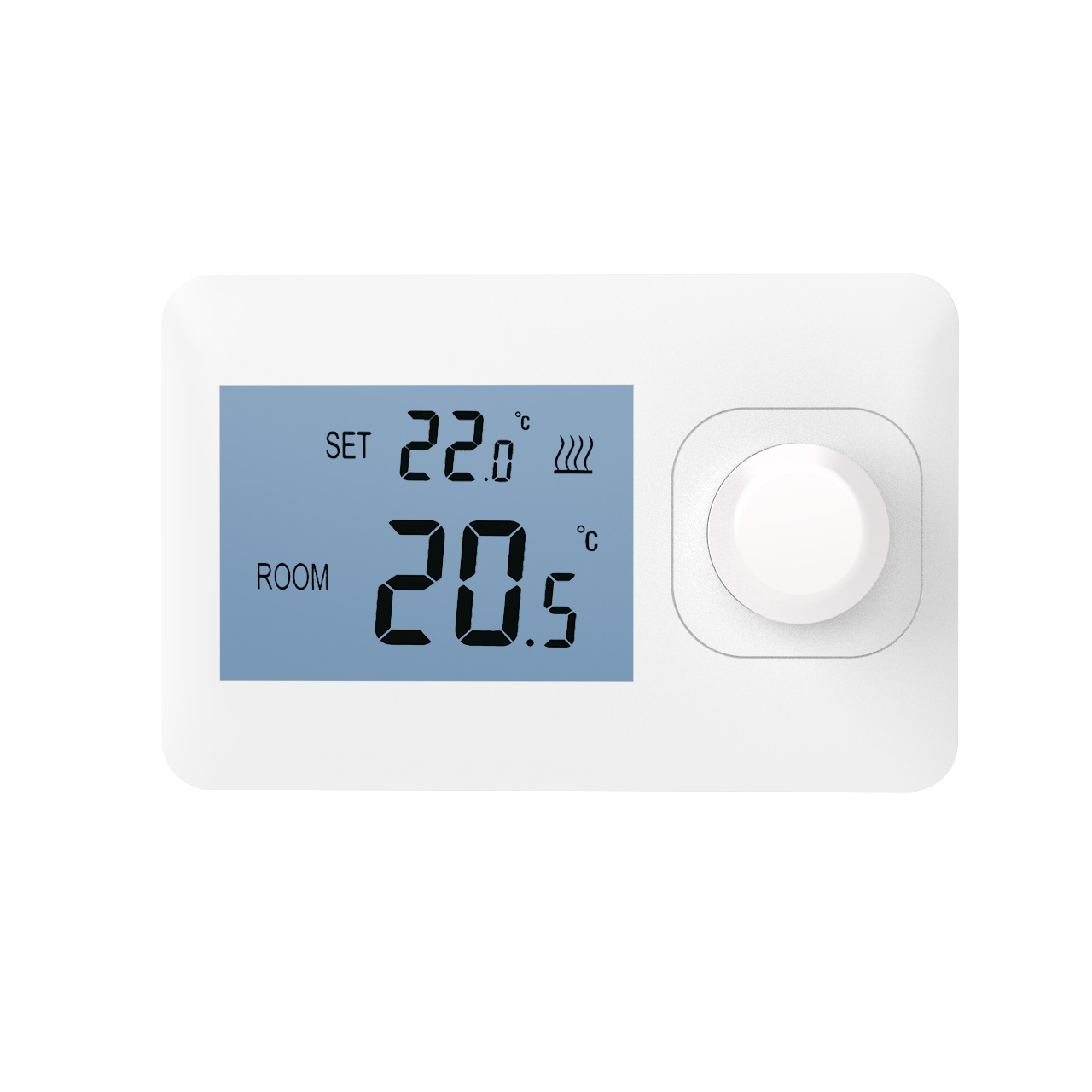
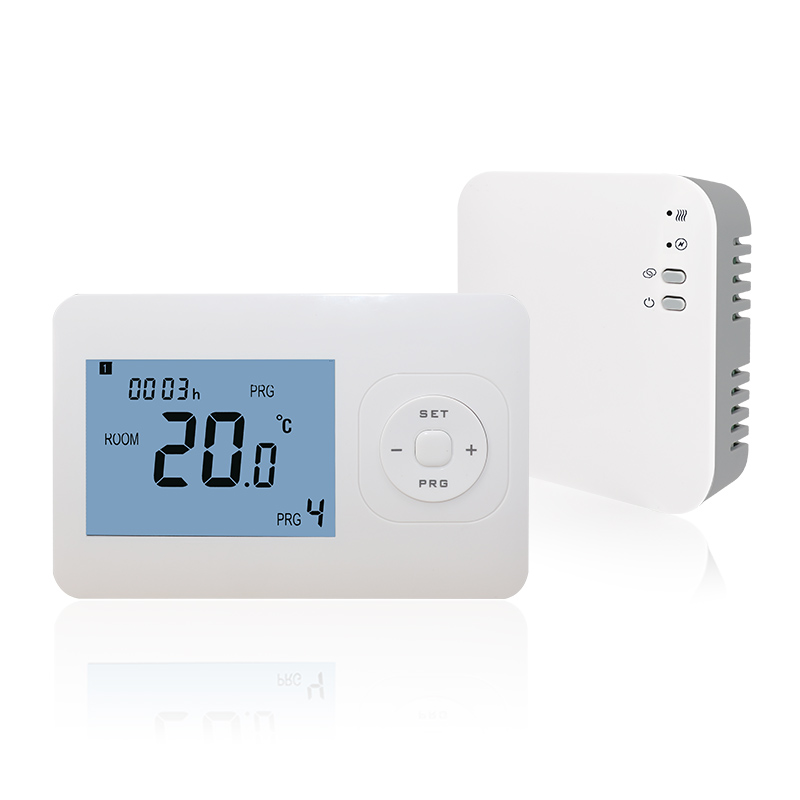
In the depths of winter, as biting winds and frigid temperatures sweep in, the stability of home heating systems becomes a major concern for every household. For those reliant on boilers for heating, frozen pipes and equipment damage not only interrupt warmth but can also lead to exorbitant repair costs. The anti-freeze mode of a boiler thermostat is an “invisible guardian” designed to address this challenge. Through intelligent temperature management, it builds a robust defense for the equipment in low-temperature environments.

The core logic of the anti-freeze mode lies in “active monitoring + tiered response.” Modern boiler thermostats incorporate high-precision temperature sensors that can detect changes in ambient temperature and internal water temperature in real time. When the water temperature is detected to be approaching freezing, the system immediately activates a tiered protection mechanism: In the first-level anti-freeze mode, the circulating water pump starts first, preventing localized freezing through water circulation; if the water temperature continues to drop below a lower threshold, the second-level anti-freeze mode automatically ignites the combustion system to raise the water temperature to a safe range. This process requires no manual intervention and is entirely automated by the thermostat based on preset parameters. For example, the anti-freeze logic of a certain brand of wall-hung boiler indicates that the circulation pump will start when the water temperature drops below 8℃, and combustion heating will be triggered when it drops below 5℃, ensuring that the equipment can still operate normally in extreme environments down to -15℃.
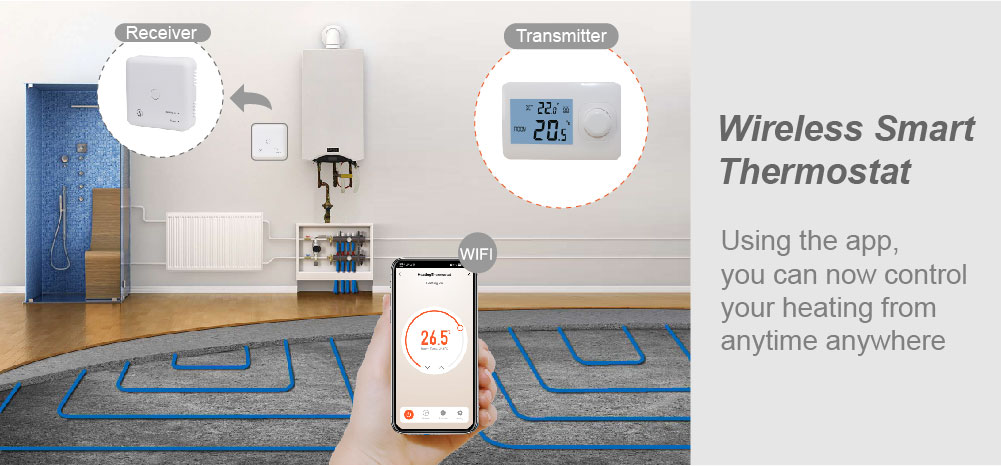
The practicality of the anti-freeze mode has been fully verified in real-world scenarios. Taking a residential community in northern China as an example, during the cold wave in the winter of 2024, 12% of residents who did not activate the anti-freeze mode experienced leaks due to frozen and cracked pipes, while none of the users who activated the anti-freeze function suffered any damage. More importantly, the anti-freeze mode not only protects the boiler itself but also extends to the entire heating system—underfloor heating pipes, radiators, and other terminal devices also benefit from the continuous maintenance of water temperature, avoiding cascading damage caused by localized freezing. Furthermore, for short-term absences or periods of low nighttime temperatures, the anti-freeze mode can achieve a balance between energy saving and protection by reducing heating intensity, avoiding energy waste while ensuring equipment safety.
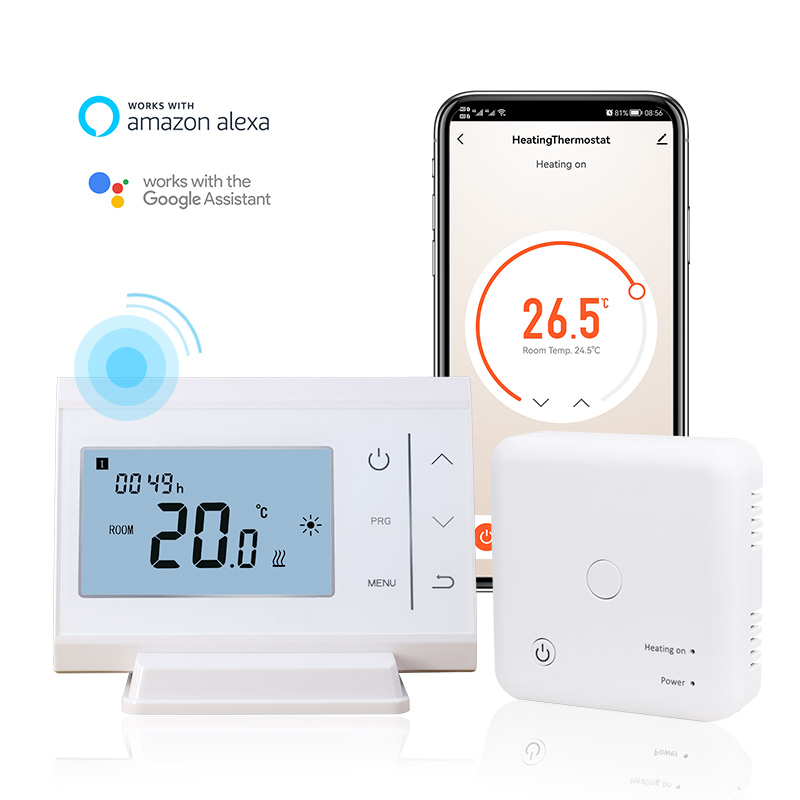
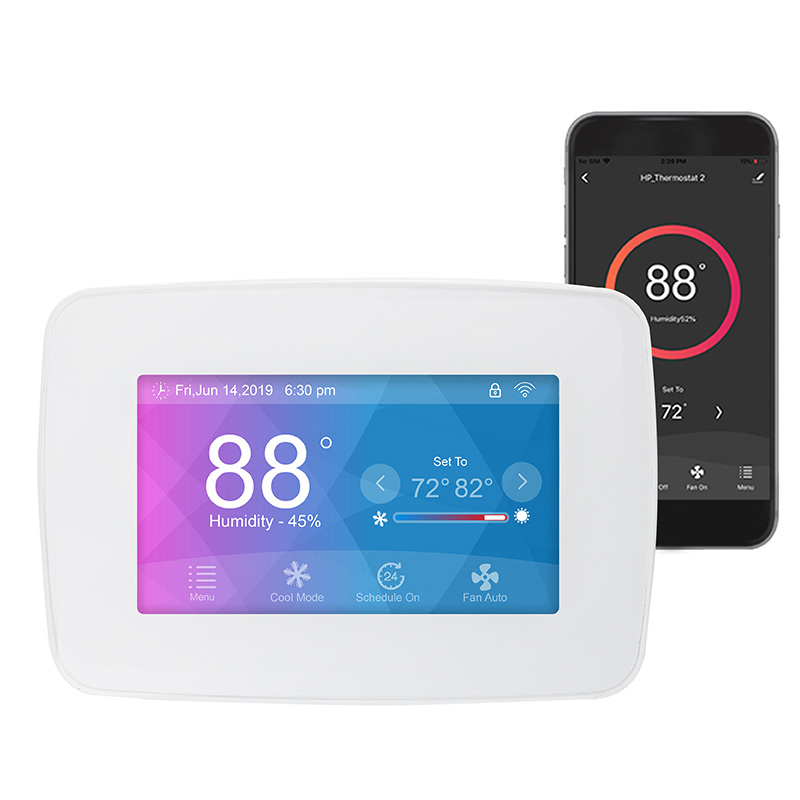
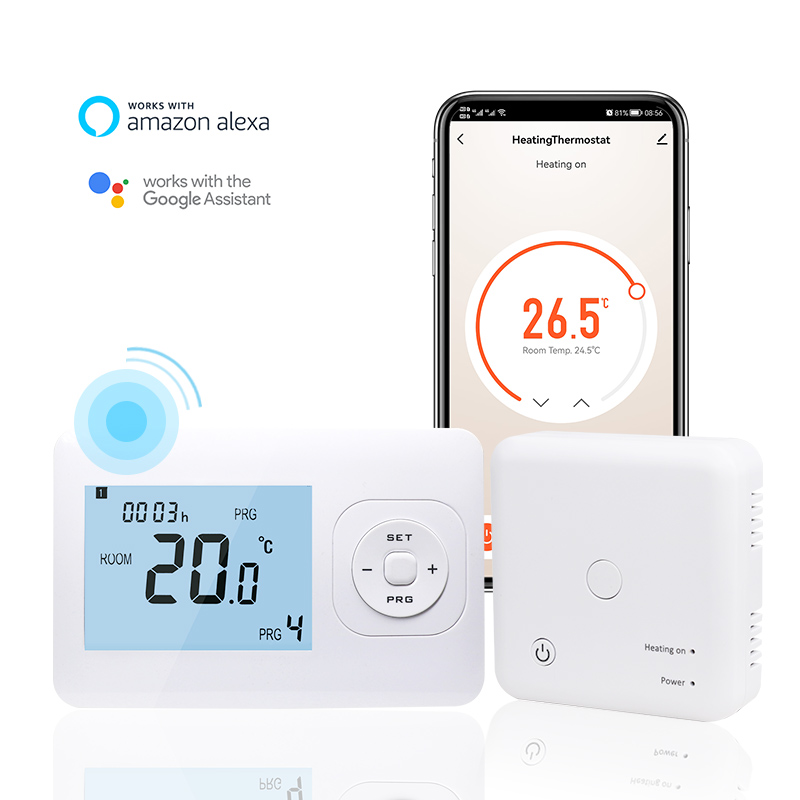
Technological iterations have further amplified the value of the anti-freeze mode. Electronic thermostats achieve millisecond-level response through thermistors or semiconductor sensors, and with microprocessor control, can accurately determine temperature differences and adjust heating power accordingly. Some high-end models even feature AI learning capabilities, automatically optimizing anti-freeze parameters based on user habits, such as preheating before a predicted cold wave. The integration of smart connectivity technology allows users to remotely monitor device status via a mobile app, enabling them to activate anti-freeze mode with a single click even when in a different location, completely eliminating any worries.
From an economic perspective, the return on investment for anti-freeze mode is significant. For example, the repair cost for a wall-mounted boiler worth 8,000 yuan due to freezing could reach 3,000 yuan, while the operating cost of anti-freeze mode is negligible—it consumes only a small amount of electricity or gas at low temperatures and indirectly extends the lifespan of the equipment by preventing damage. For commercial settings such as hotels and schools, anti-freeze mode further reduces operational losses caused by heating interruptions, its value being self-evident.
The challenges of winter never cease, but technological advancements consistently provide warmer solutions. The anti-freeze mode of boiler thermostats, with its intelligent and precise temperature management, eliminates the risks of low temperatures. It is not only a “safety valve” for equipment protection but also a “stabilizer” for home warmth. Choose a boiler thermostat with reliable antifreeze function to ensure you no longer have to worry about the cold this winter and that every degree of warmth is just right.