
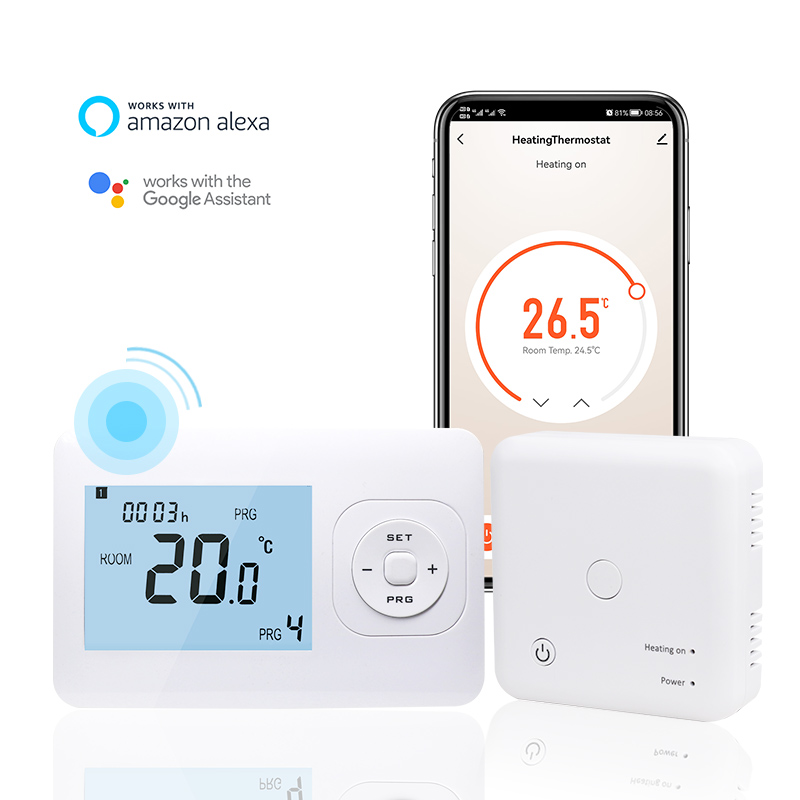
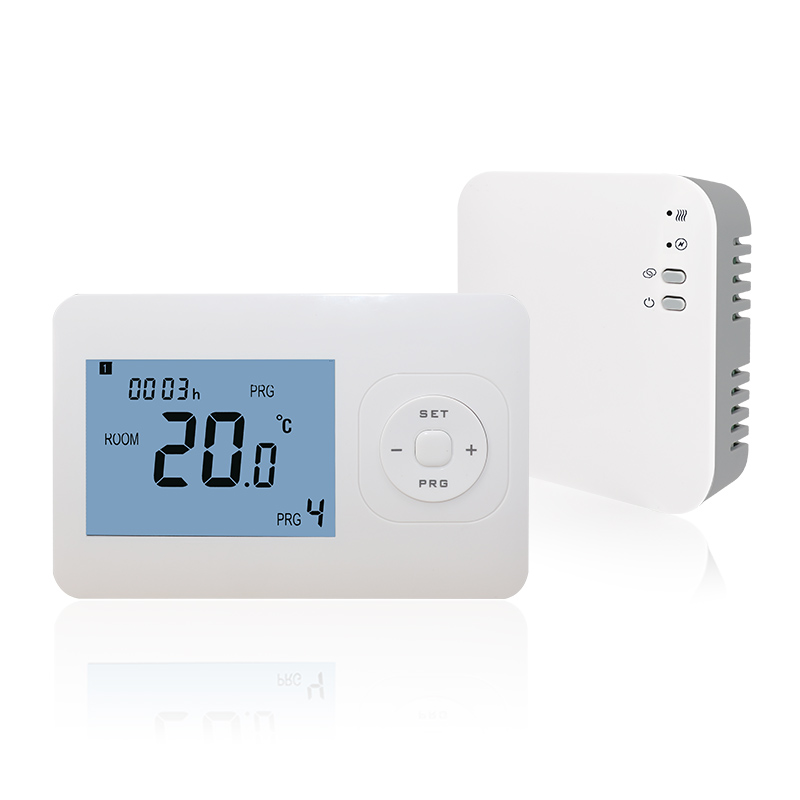
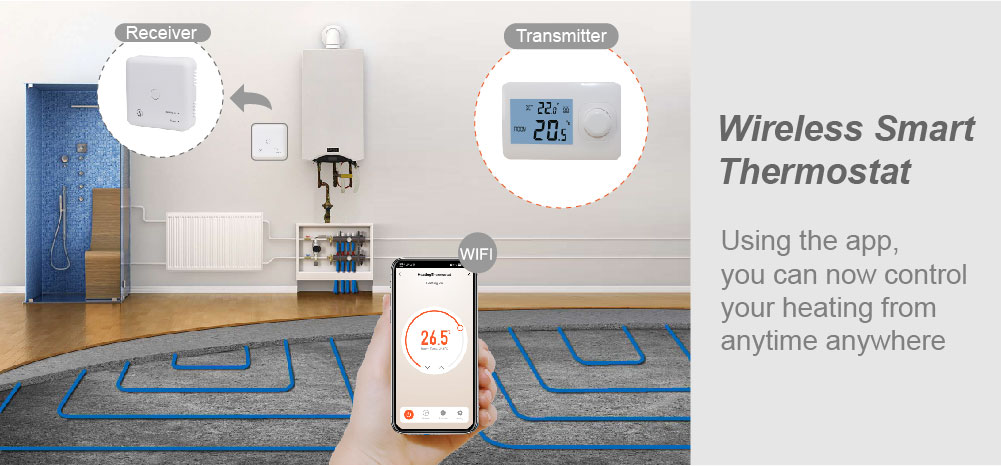
The comfort and safety of an electric floor heating system largely depend on the correct installation and initial setup of the thermostat. Many homeowners overlook the precautions during the first use, which can lead to inaccurate temperature control, improper thermostat operation, or even system malfunctions. Knowing the key steps for the first-time use of an electric floor heating thermostat is essential to ensure the system runs safely and efficiently.
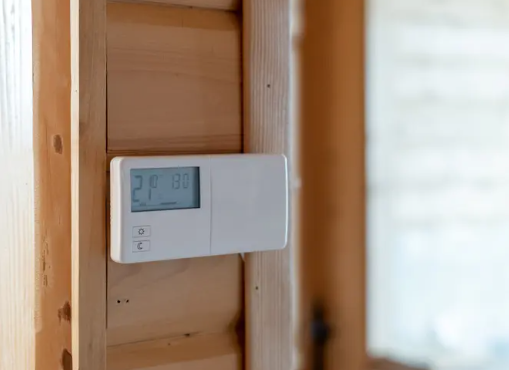
Check Power Supply and Wiring Safety
Before first use, it’s crucial to confirm that the thermostat’s power supply and wiring are safe and reliable:
Check electrical connections: Ensure the live, neutral, and ground wires are correctly connected to prevent short circuits or electric shocks.
Confirm circuit breaker status: Make sure the breaker in the distribution box is switched on.
Inspect wiring for damage: Check the thermostat and floor heating cables for any wear, looseness, or damage.
Ensuring power and wiring safety is the most important step before first use, preventing electrical hazards or damage to the thermostat.
Initialize the Thermostat Settings
A newly installed thermostat typically requires initial setup, including:
Time and date setting: Properly setting the time helps the thermostat control heating according to schedules.
Temperature unit selection: Choose the unit (°C or °F) that matches your household preference.
Zoning setup: For multi-zone floor heating systems, confirm the zoning mode and zone numbers.
Proper initialization ensures the thermostat operates correctly and provides a reliable foundation for future use.
Test the Heating Function
During first use, test the floor heating system’s performance:
Manual temperature adjustment: Set the thermostat to a medium temperature and check if the system starts heating.
Sensor response check: Confirm that the thermostat accurately senses indoor temperature changes.
Cycle operation test: Run the system for a period and check if each zone heats evenly without delays or anomalies.
Testing helps identify potential issues with wiring or sensors early, avoiding discomfort and energy waste later.
Configure Zoning and Scheduling
For large homes or multi-room systems, proper zoning and scheduling during first use are critical:
Set zone temperatures: Adjust the temperature for each room according to usage needs for both comfort and energy savings.
Program on/off schedules: Avoid unnecessary heating in empty rooms by setting timed operation.
Enable energy-saving modes: Some thermostats automatically adjust heating power based on room temperature.
Using zoning and scheduling efficiently maximizes energy efficiency while enhancing comfort throughout the home.
Protect and Maintain the Thermostat
After the first use, pay attention to thermostat protection and maintenance:
Avoid high humidity and direct sunlight: Install the thermostat in a dry, ventilated location.
Clean the panel regularly: Keep the display panel clean to prolong the thermostat’s lifespan.
Monitor system performance: During the first few days, observe operation stability and adjust settings if needed.
Good usage habits and proper maintenance help extend the life of both the thermostat and floor heating system while improving long-term comfort.
Conclusion
The first-time use of an electric floor heating thermostat requires attention to power and wiring safety, initial setup, heating function testing, zoning and scheduling, and daily maintenance. Following these steps ensures the thermostat functions properly, enhances indoor comfort, and improves energy efficiency. A correct first-time operation is the foundation for safe, efficient, and long-term use of your floor heating system—a must-know guide for every household.