
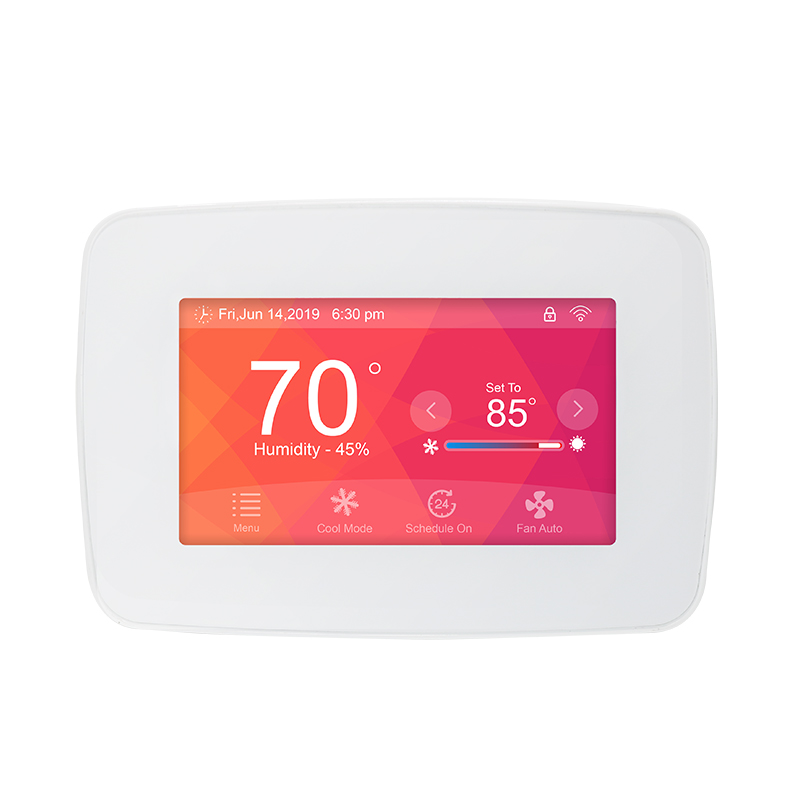
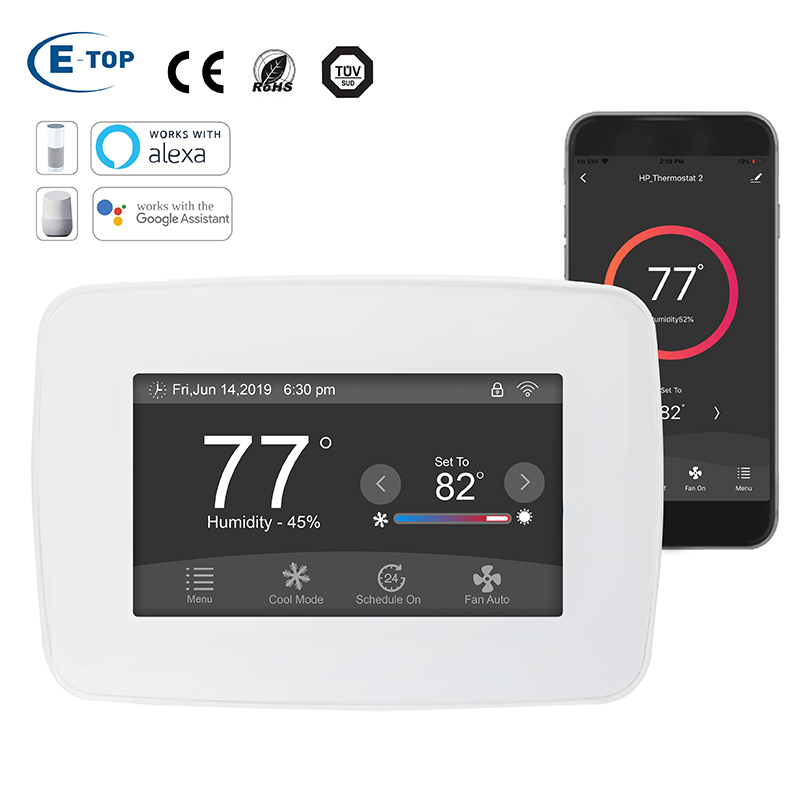
As home heating and cooling solutions continue to diversify, more households are looking for flexible and efficient temperature control options. Plug-in thermostats have become increasingly popular due to their simple installation and low usage threshold. However, they are not a one-size-fits-all solution. Understanding which types of households benefit most from plug-in thermostats helps users make more informed decisions.
Rental Households and Temporary Living Spaces
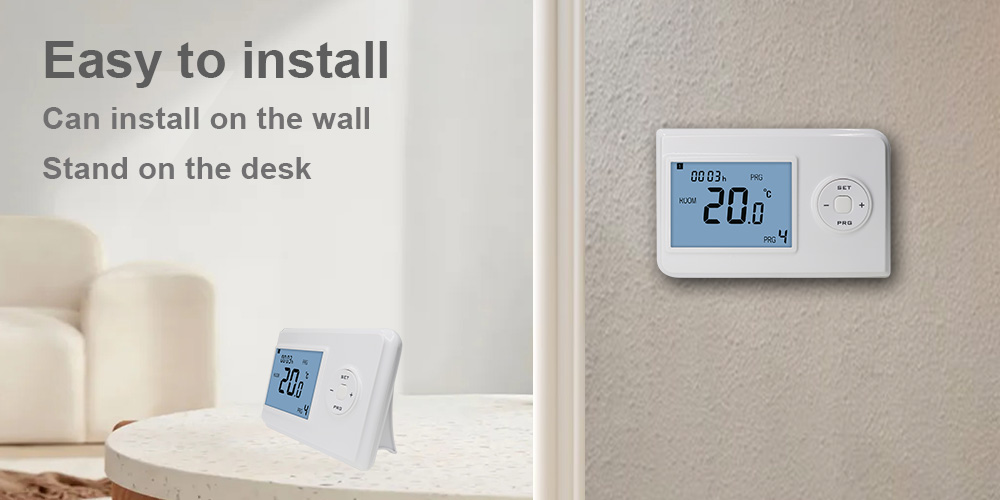
For rental households, installation restrictions are often the biggest concern. Traditional wall-mounted thermostats usually require wiring or permanent modifications, which are not practical in rental properties. Plug-in thermostats, on the other hand, operate through standard electrical outlets and require no structural changes.
Because rental homes often rely on portable heaters or independent heating devices, plug-in thermostats can automatically control power supply to these appliances, improving comfort while reducing the need for manual operation.
Households That Require Zoned Temperature Control
Many households do not need the same temperature throughout the entire home. Living rooms, bedrooms, and storage areas are often used at different times and require different comfort levels. Plug-in thermostats are well suited for controlling individual spaces independently.
By installing separate plug-in thermostats in different rooms, households can tailor temperature settings based on actual usage, avoiding unnecessary heating or cooling and improving overall energy efficiency.
Homes Using Independent Heating Devices
Plug-in thermostats are especially suitable for households that rely on independent heating equipment such as electric heaters, oil-filled radiators, or fan coil units rather than centralized HVAC systems. These thermostats control devices by managing power supply, making them compatible with a wide range of standalone appliances.
In such setups, a plug-in thermostat effectively adds automatic temperature control to equipment that would otherwise require manual adjustment.
Energy-Conscious Households
For families that pay close attention to energy consumption and electricity costs, plug-in thermostats offer practical benefits. By maintaining a defined temperature range, they help prevent heating devices from running continuously or unnecessarily.
This is particularly useful in colder climates where heating periods are long, as controlled operation can significantly reduce wasted energy while maintaining indoor comfort.
Entry-Level Smart Home Users
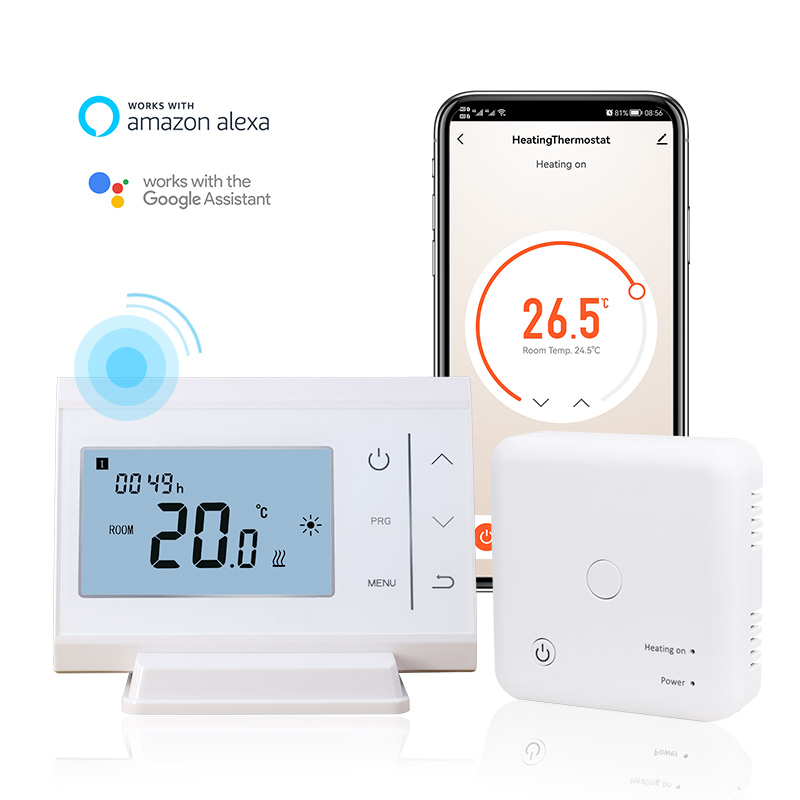
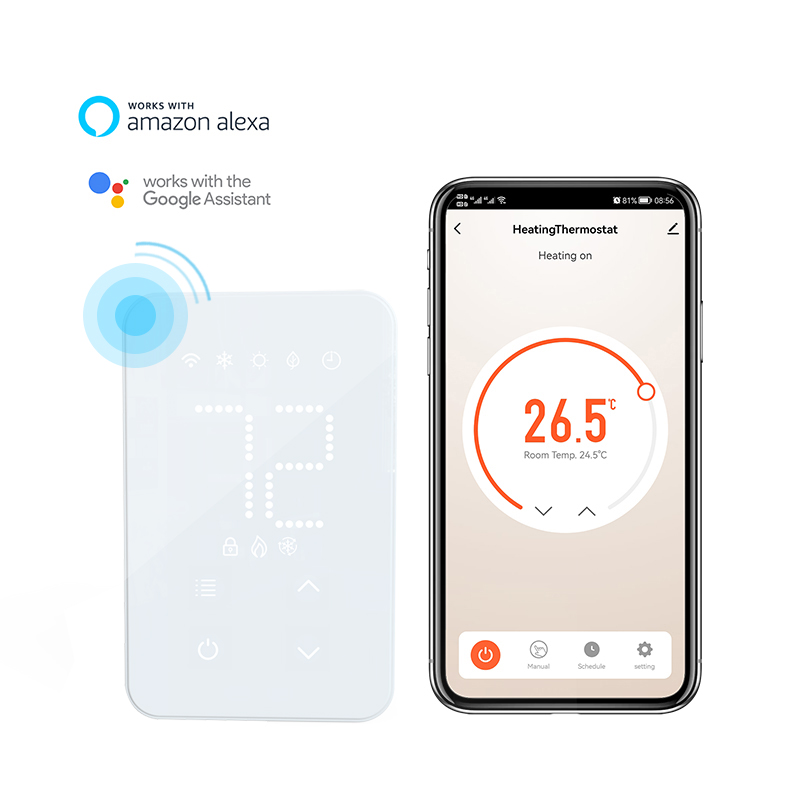
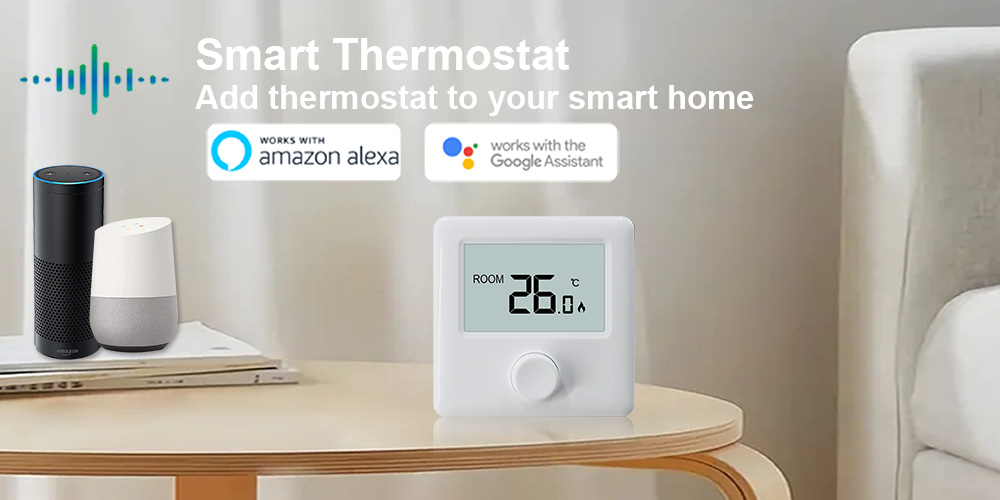
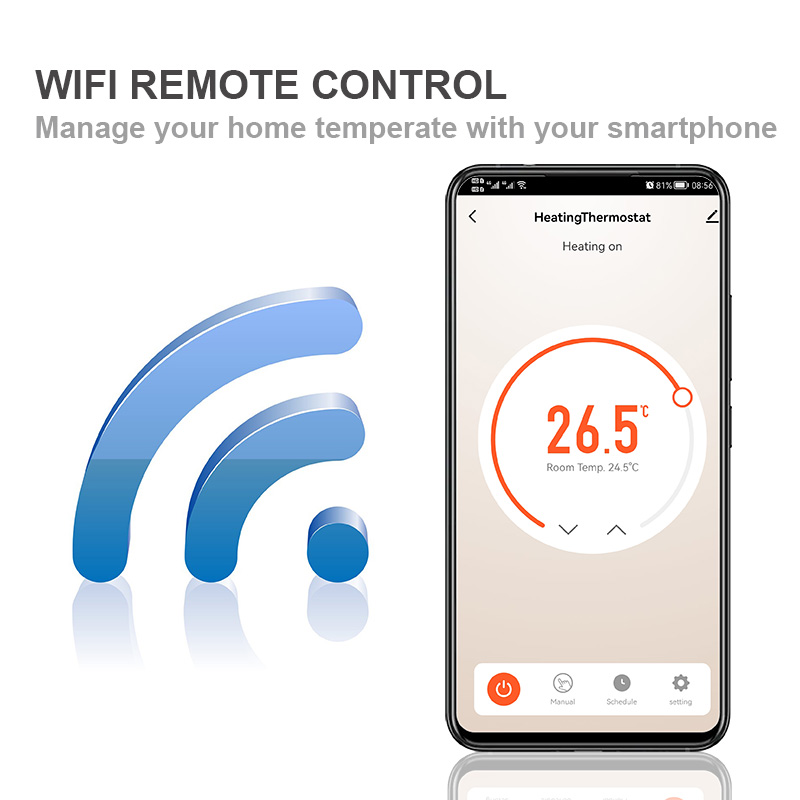
Plug-in thermostats are also a good fit for households new to smart home technology. Compared with fully integrated HVAC control systems, they are easier to understand and deploy. Users can enjoy basic smart features such as scheduled operation or remote control without changing existing appliances.
This makes plug-in thermostats an accessible starting point for those exploring smarter climate control solutions.
Households That May Not Be Ideal Candidates
Households equipped with centralized heating or cooling systems and comprehensive temperature control infrastructure may find limited added value in plug-in thermostats. Large homes that require uniform temperature control across multiple zones may also need more advanced solutions.
Conclusion
Overall, plug-in thermostats are best suited for households that value flexibility, localized temperature control, and easy installation. Rental properties, homes using independent heating devices, and families aiming to balance comfort with energy efficiency can all benefit when the usage scenario is appropriate. The key is aligning the thermostat choice with living conditions and heating habits to achieve optimal results.