
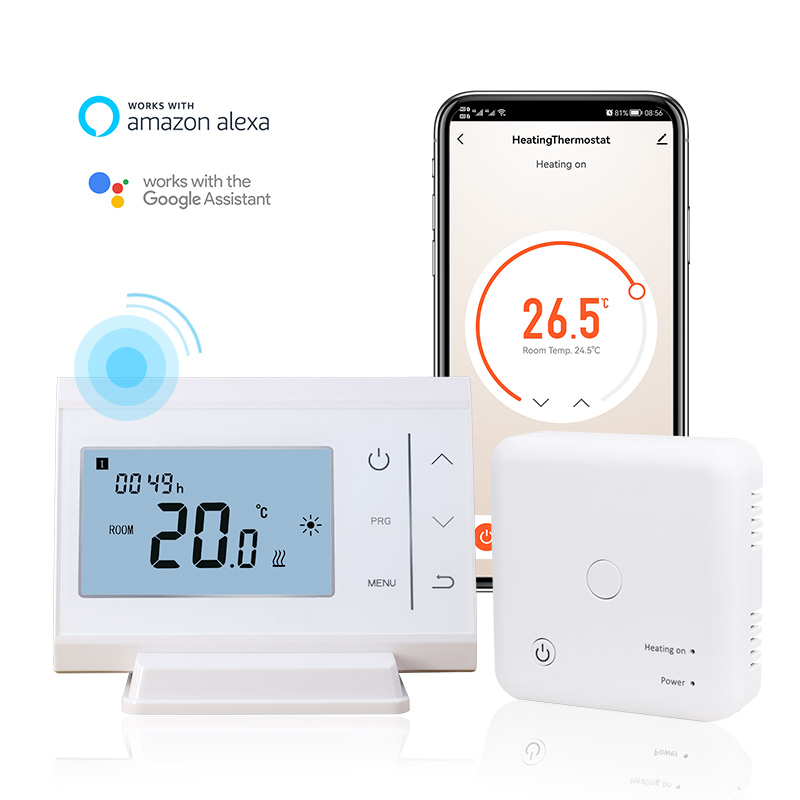
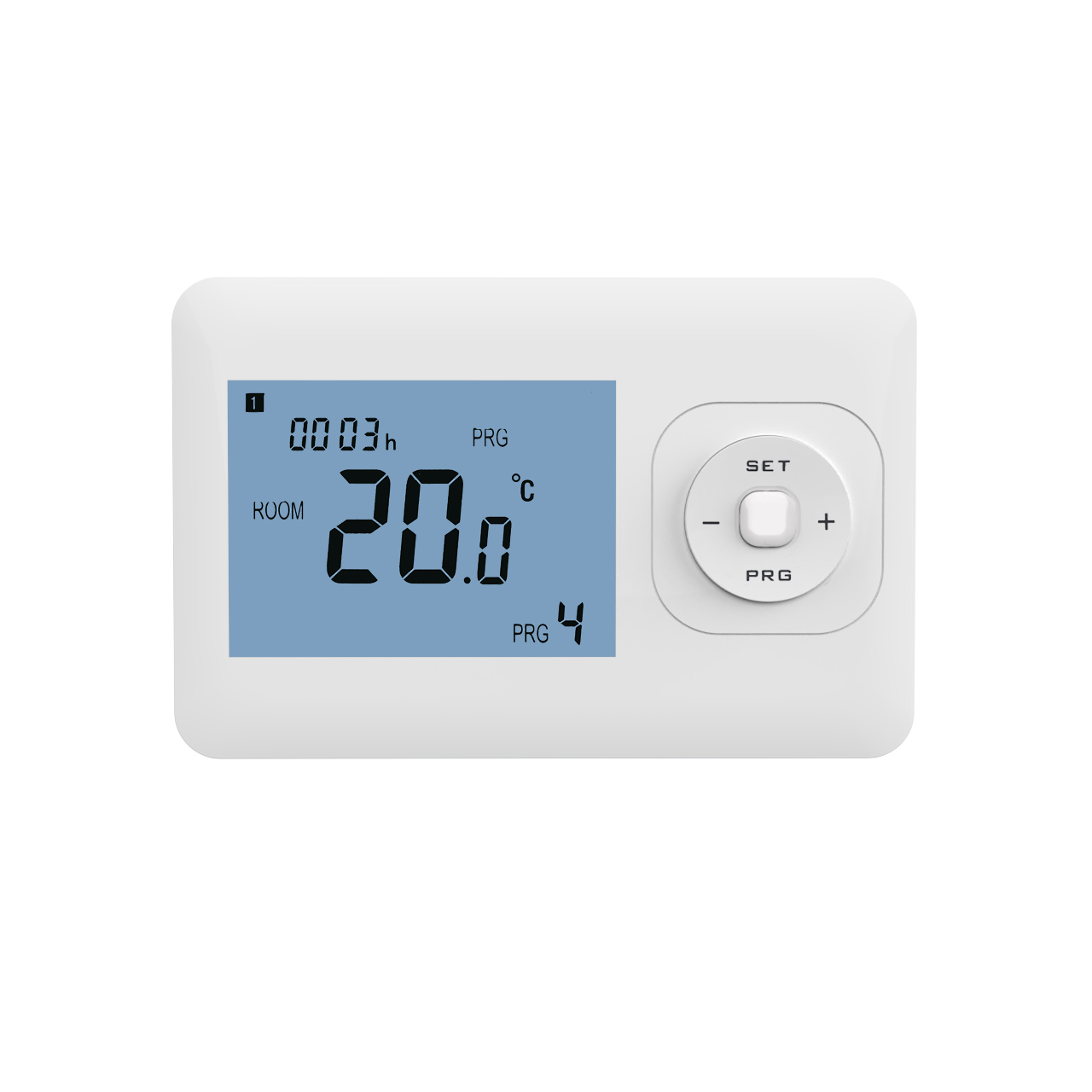
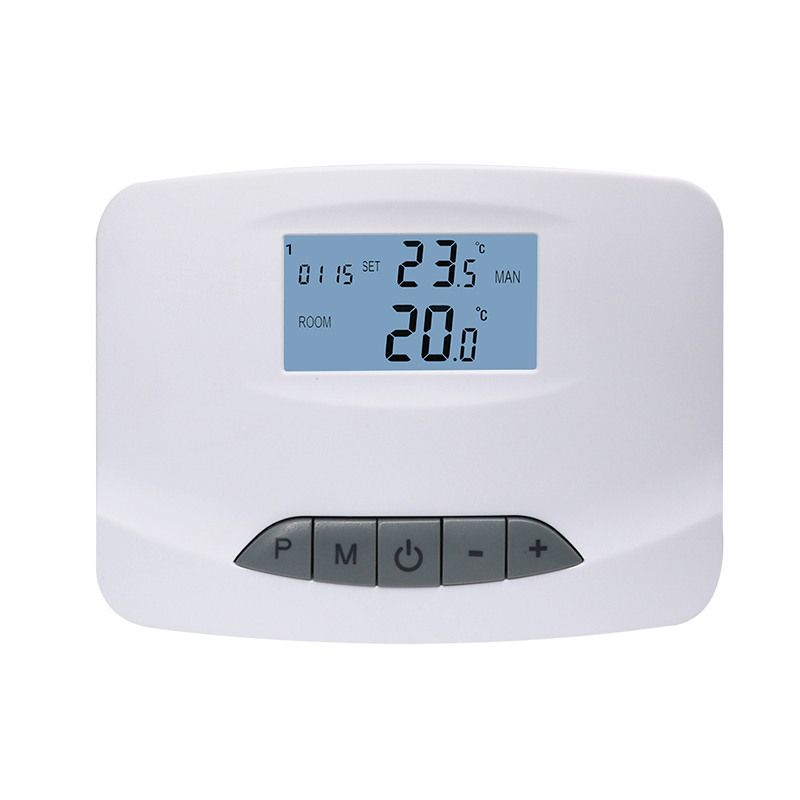
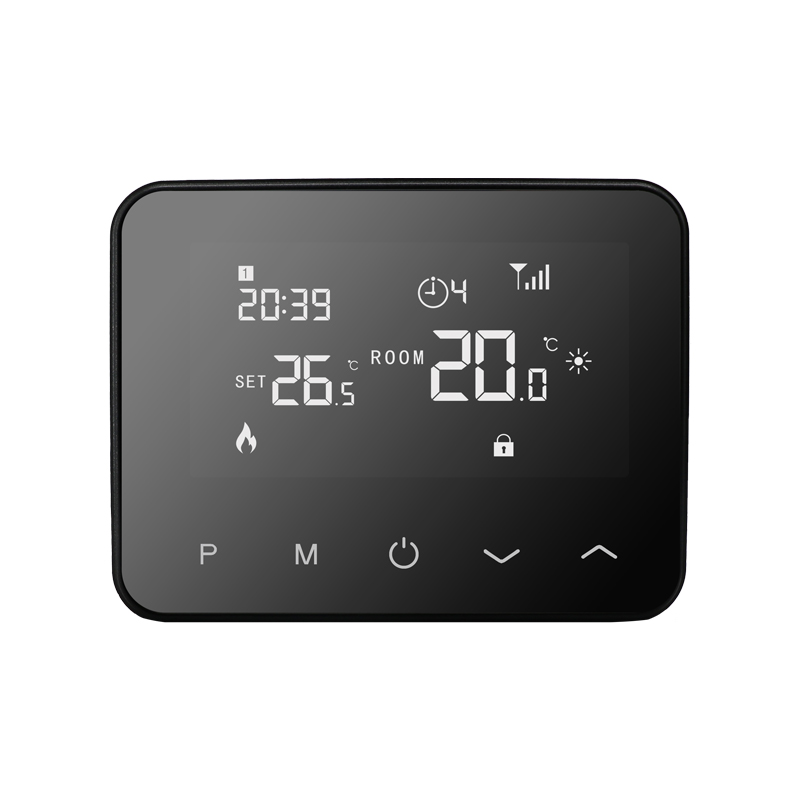
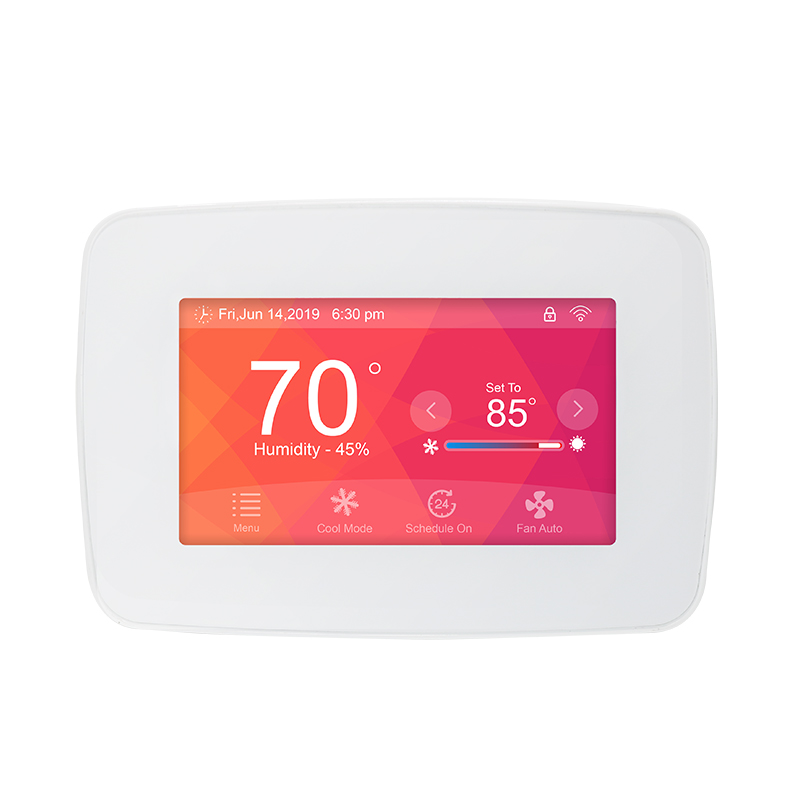
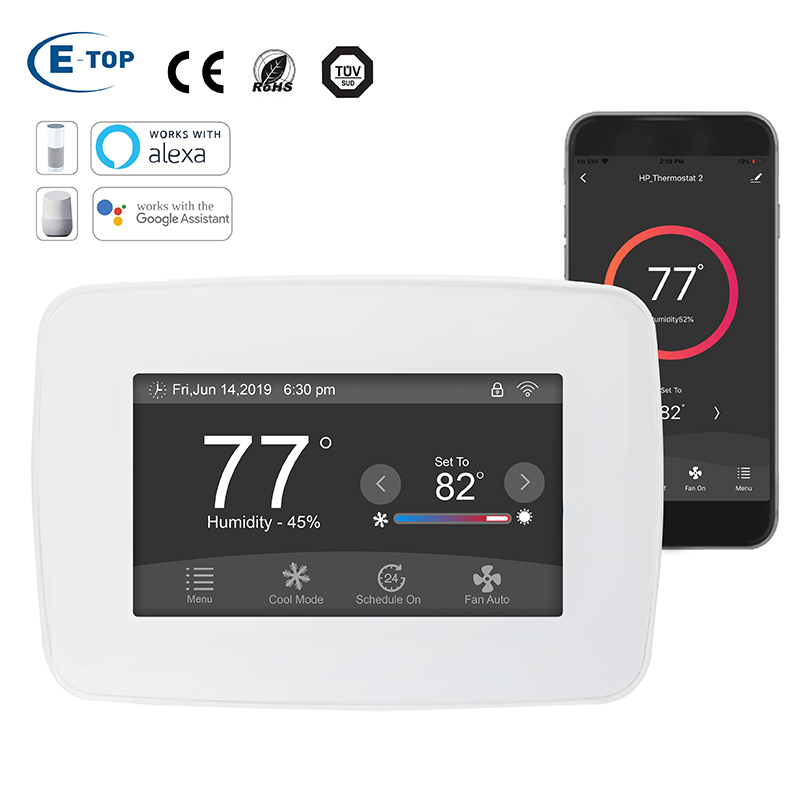
When installing a central air conditioner, ducted HVAC system, or heat pump at home, many people come across the option of a “24V thermostat.” It may look like a simple wall-mounted temperature controller, but it is connected to the HVAC control system and determines how cooling, heating, and fan operation are triggered. Because it involves wiring and electrical signals, many homeowners ask an important question: Is a 24V thermostat safe for home use? The answer is yes—24V thermostats are generally very safe, and they are widely used because they operate as a low-voltage control solution with lower risk and strong long-term reliability. However, safety does not depend only on the voltage level. Proper installation, correct wiring, and smart daily use also play a major role. When these key points are handled well, a 24V thermostat is a highly reliable and safe choice for residential HVAC systems.
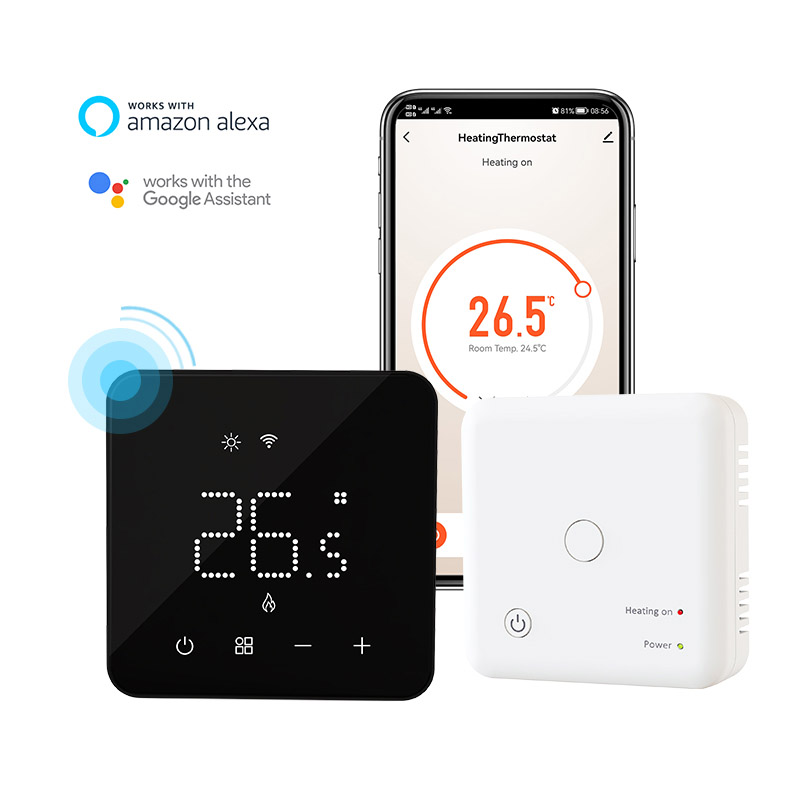
Why a 24V Thermostat Is Considered Safer
The main feature of a 24V thermostat is low-voltage control. It uses a 24-volt control signal to send commands, instead of directly powering the HVAC equipment with high voltage. Low-voltage systems are common in homes for control devices such as doorbells, control panels, and relay signals. The safety advantage is easy to understand: the risk of electric shock is lower, wiring is less likely to overheat, and potential faults are usually easier to manage.
In many HVAC systems, the high-voltage power stays at the outdoor unit, control board, or electrical panel area. The indoor thermostat mainly sends control signals. This design keeps electrical risk lower around the wall-mounted thermostat, making it more suitable for everyday home use.
Safety Advantages of Installing a 24V Thermostat at Home
Choosing a 24V thermostat is not only about adjusting temperature. Its real value for homeowners is improved control safety and stable HVAC operation. These benefits are especially useful in residential environments.
- Low-Voltage Wiring Works Better Indoors
24V control wires are usually thinner and more flexible, making them easier to route through walls or low-voltage conduits. With proper installation, the wiring is less likely to create overheating issues, and long-term performance is more stable.
- Clear Control Signals Support Stable System Operation
A 24V thermostat typically uses clearly defined terminals for different HVAC functions, such as cooling, heating, and fan control. Because the signals are organized and predictable, the HVAC system operates more smoothly. This reduces issues like abnormal cycling, fan errors, or incorrect mode switching. Stable operation itself is an important part of overall safety.
- Easier Troubleshooting and Maintenance
Low-voltage control systems are often easier to diagnose. Common issues such as loose wiring, weak terminal connections, or broken control lines are usually straightforward to identify. For homeowners, easier maintenance means fewer risks and faster solutions when something goes wrong.
- Better Support for Protective Features
Many 24V thermostats include useful safety-related functions such as temperature range limits, child lock settings, and compressor protection delays. For example, a compressor delay helps reduce stress from rapid restarting, and temperature lock features help prevent accidental settings that force the system to run under heavy load for long periods. These features are very practical for home use and improve overall safety.
Installation Details That Affect Safety
A 24V thermostat is safe by design, but improper installation can still create problems. Homeowners should pay attention to key details during installation to avoid future failures or poor performance.
Important installation points include:
Match thermostat terminals correctly to prevent abnormal HVAC operation
- Secure wire connections tightly to avoid loose contact or signal failure
- Keep low-voltage control wires separate from high-voltage wiring
- Mount the thermostat base firmly to prevent long-term loosening
- If the system requires a C-wire, confirm proper power supply setup
- Test cooling, heating, and fan switching after installation
These details may seem simple, but they strongly affect safety and reliability. For most households, professional installation is recommended to reduce wiring mistakes.
Safer Daily Usage Habits for Better Long-Term Performance
Many people assume the thermostat is safe once installed, but daily habits can also affect safety and system lifespan. Smart settings help your HVAC system last longer and reduce the chance of operational problems.
Recommended usage habits include:
- Avoid frequently turning the HVAC system on and off manually
- Set reasonable temperature ranges instead of extreme cooling or heating
- Use scheduling or energy-saving modes for more stable operation
- Do not open or rewire the thermostat without turning power off first
- Enable child lock features if kids are in the home
These habits help the thermostat work smoothly and keep the HVAC system operating in a safer, more stable way.
Which Home HVAC Systems Work Well with 24V Thermostats?
24V thermostats are common in many residential HVAC setups, especially central air conditioning, ducted systems, heat pumps, and systems with fan control features. They offer strong compatibility, a mature accessory ecosystem, and easy replacement options. For homeowners who want stable temperature control and smooth HVAC operation, a 24V thermostat is a practical and trusted choice.
Conclusion
Is a 24V thermostat safe for home use? Yes—it is generally very safe. Low-voltage control reduces electrical risk, supports more suitable indoor wiring, provides clear and stable HVAC control signals, and makes maintenance easier. As long as the thermostat is installed correctly, placed properly, and used with reasonable settings, a 24V thermostat is not only safe and reliable but also helps your home HVAC system run more smoothly with steadier indoor comfort for long-term peace of mind.